


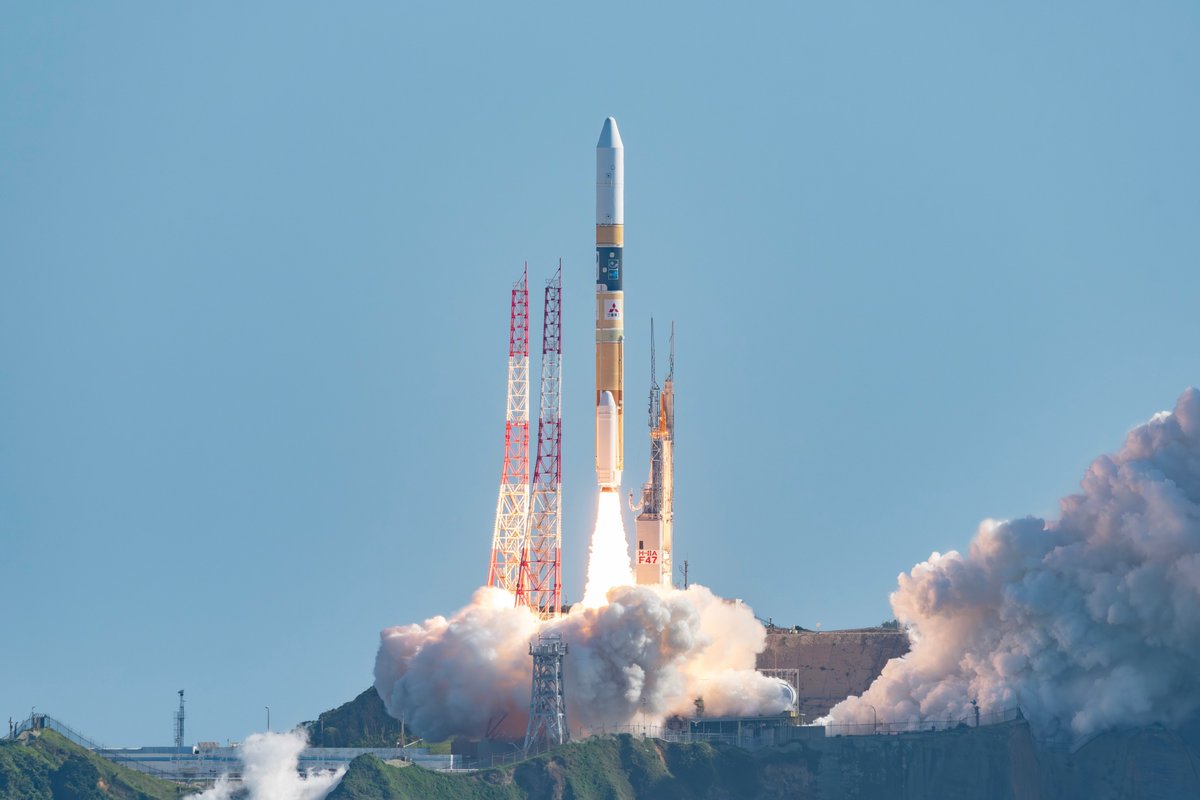
Space Brief 23 Jun 2025
Significant advancements and launches in space: NASA's hypersonic sensor breakthrough, ChinaSat-9C's launch, and SpaceX's resilient Falcon 9 operations.



NORAD ID
58971
International Designator
2024-031G
Epoch
Mon, 20 Jul 2026 06:00:04 GMT
Apogee
Calculating...
Perigee
Calculating...
Inclination
53.16°
Right Ascension
28.35°
Eccentricity
Calculating...
Argument of Perigee
69.72°
Period
93.90 min
Mean Motion
15.34 rev/day
Latitude
Calculating...
Longitude
Calculating...
Altitude
Calculating...
Velocity
Calculating...
Name
STARLINK-31333
Alternative Name
Starlink 31333
Type
Status
Owner
SPXS
Country
United States
Constellation
N/A
Related Satellites
Major Events
N/A
1 58971U 24031G 26201.25004630 -.00006580 00000+0 -18889-3 0 9998
2 58971 53.1602 28.3495 0001198 69.7220 29.9008 15.33554383 5862
Source: Celestrak
Length
0.3
Diameter
4.1
Span
29
Dry Mass
700
Launch Mass
730
Shape
Box + pan
Radar Cross Section
Unknown
Visual Magnitude
Unknown
Color
Unknown
Material Composition
Unknown
Payload
Starlink Group 7-14-07
Purpose
Communication
Mission
Communication
Manufacturer
SPXS
Life Expectancy
Unknown
Bus
Starlink V2M
Configuration
Starlink v2 Mini
Motor
Argon ion thrusters
Equipment
Ku/Ka/E-band payload, optical inter-satellite link
Power System
Solar arrays, batteries
ADCS
Unknown
Transmitter Frequency
Unknown
Learn more about satellites and other related topics.
Significant advancements and launches in space: NASA's hypersonic sensor breakthrough, ChinaSat-9C's launch, and SpaceX's resilient Falcon 9 operations.
Today's brief covers challenges in Space Force procurement, promising developments in tracking technologies, and significant budget cuts affecting military aerospace projects.

As the International Space Station nears retirement, private companies are stepping up to fill the void with their own space stations. Discover the key players and the potential impact on space exploration.
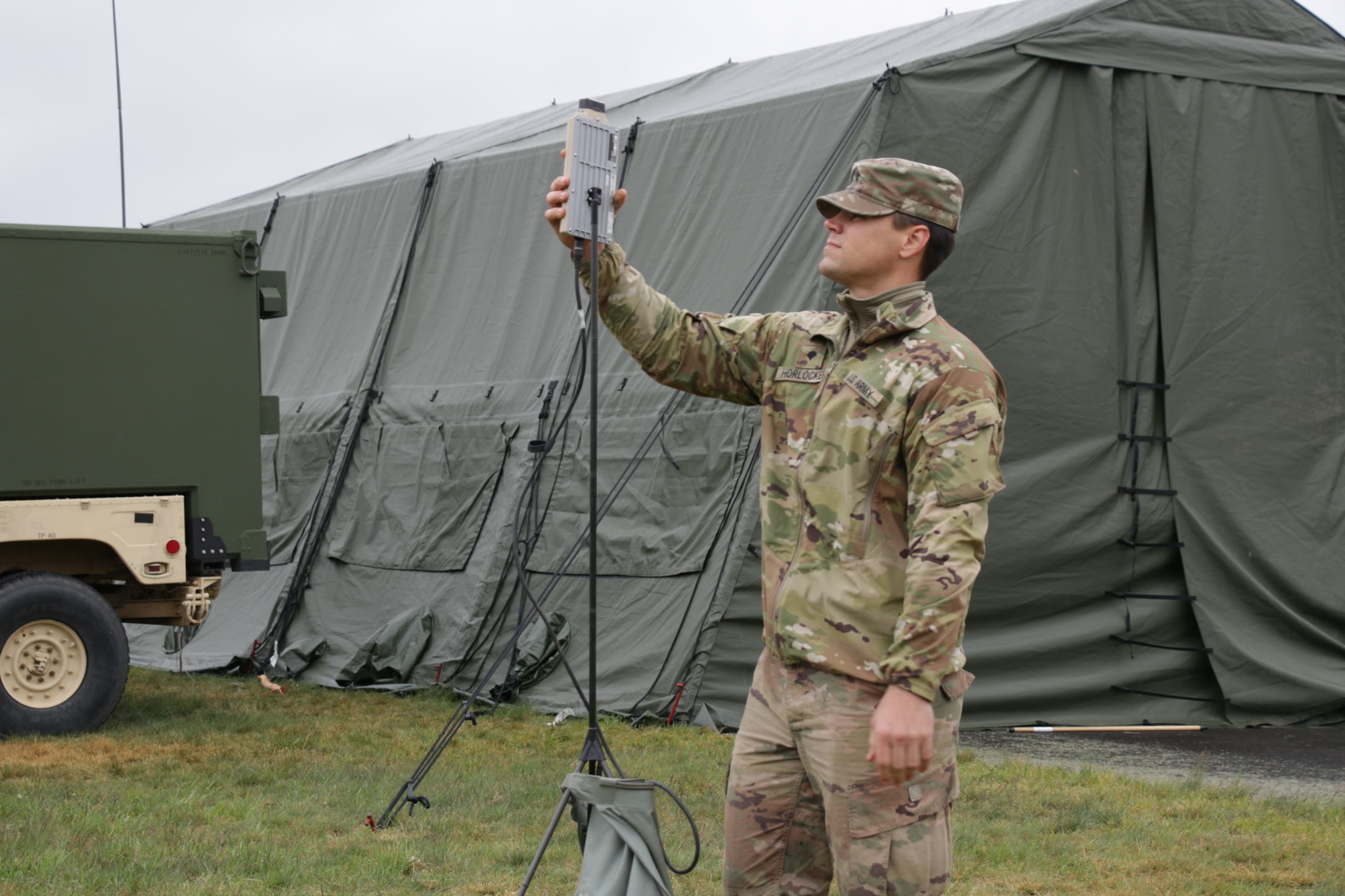
Russia's Volna Kupol Garant electronic warfare system was purpose-built to jam Starlink. It costs around $1.5 million per unit, covers just 20 square kilometers, and can only target one satellite at a time. Ukraine has been finding and destroying them within days of deployment.
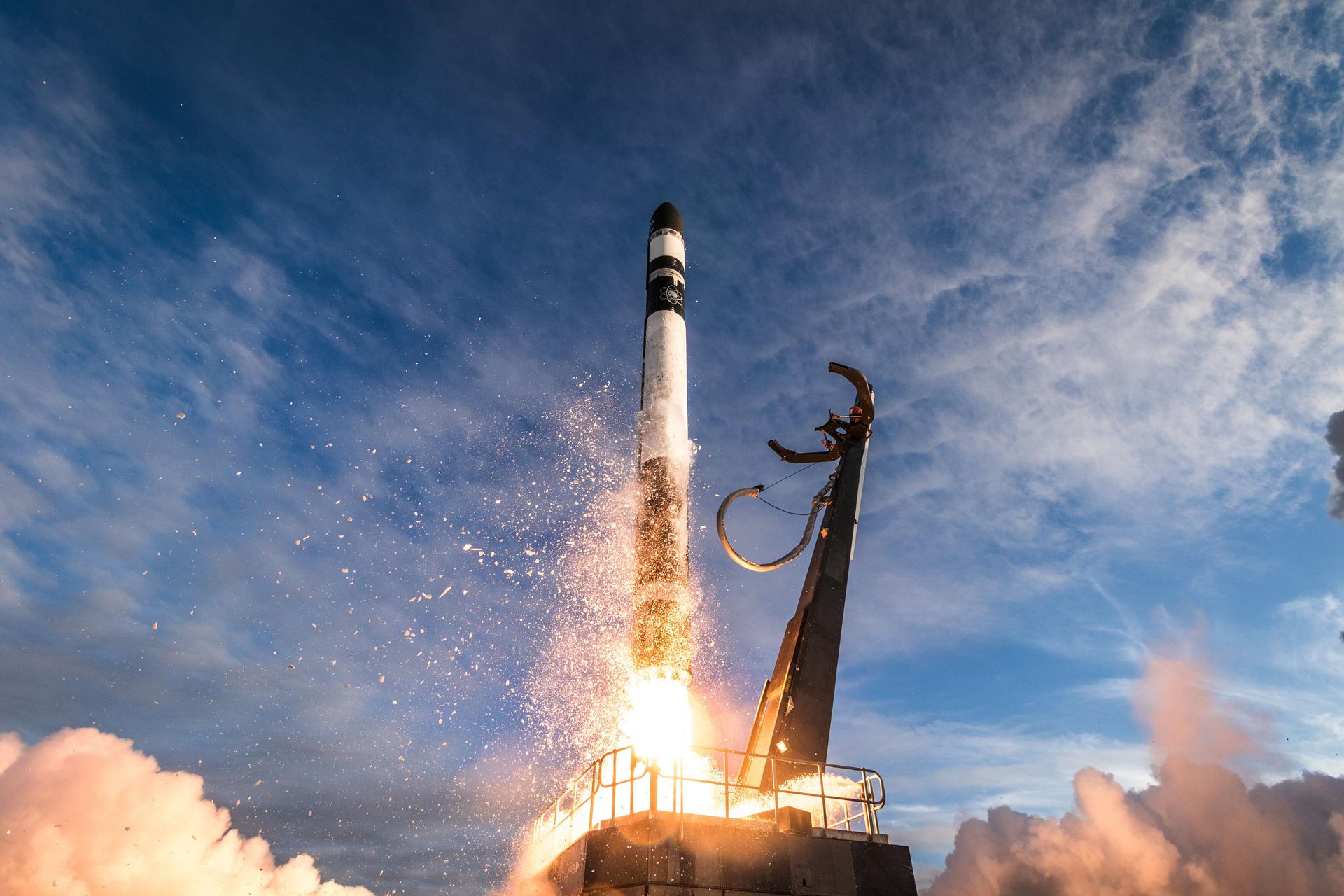
Today's highlights include China's launch of Shijian-25 for on-orbit refueling tests, Pentagon's investment in defense technologies, and key military upgrades.

ULA Vulcan Centaur launches USSF-87 with two GSSAP surveillance satellites to near-GEO orbit. NRO expands commercial imaging. Integrate raises $17M for classified platform.
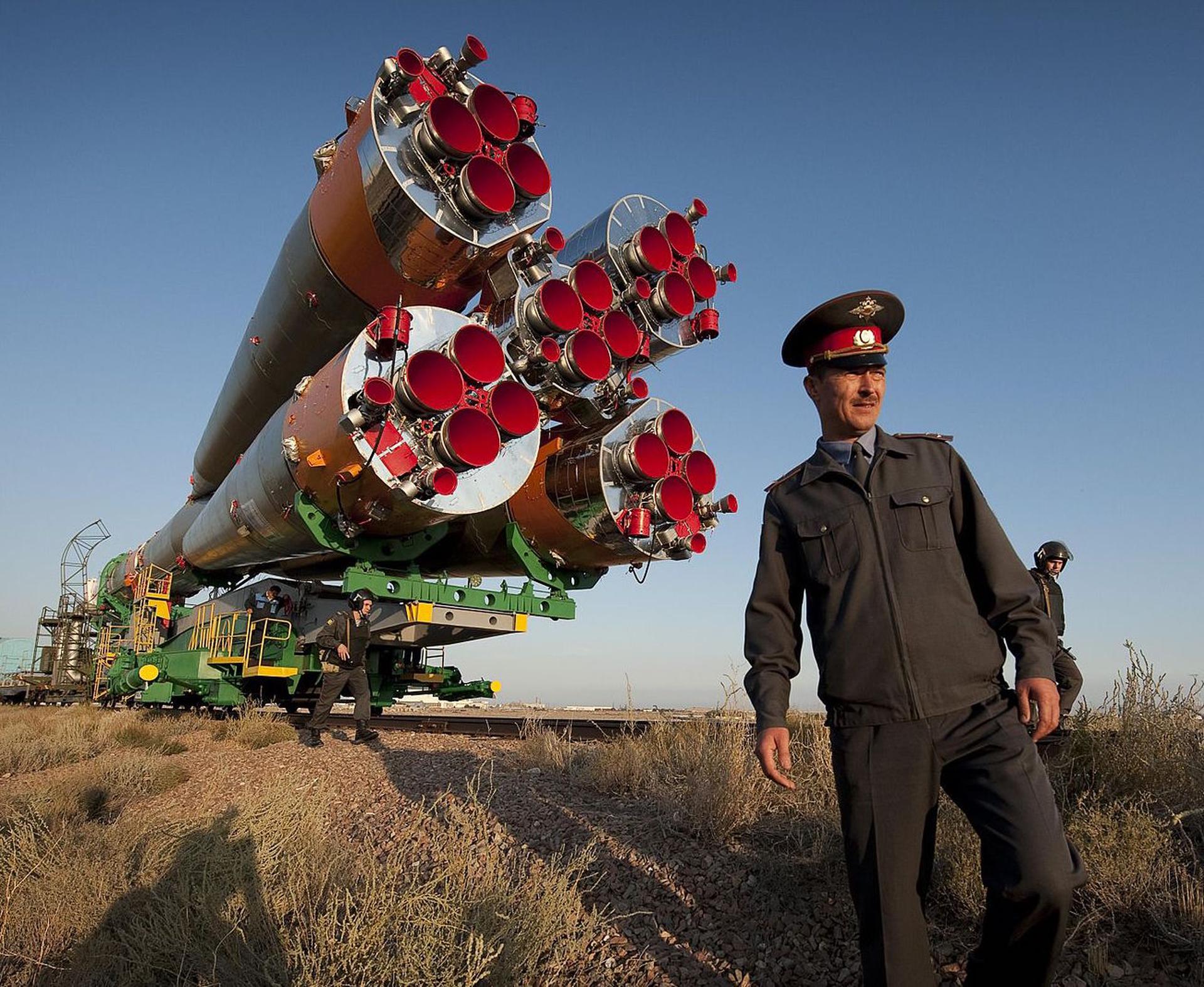
Long March 2C launches four PIESAT-2 radar satellites, Gilmour Space secures Australia's first orbital launch permit, NASA extends ISS cargo contracts through 2030, ESA and Arianespace face industry crossroads.

Explore the latest in satellite launches and space reconnaissance as Lockheed Martin, SpaceX, and military entities push forward with innovative missions. A new propulsion clean room marks growth in satellite tech.