


X Report 3 Apr 2025
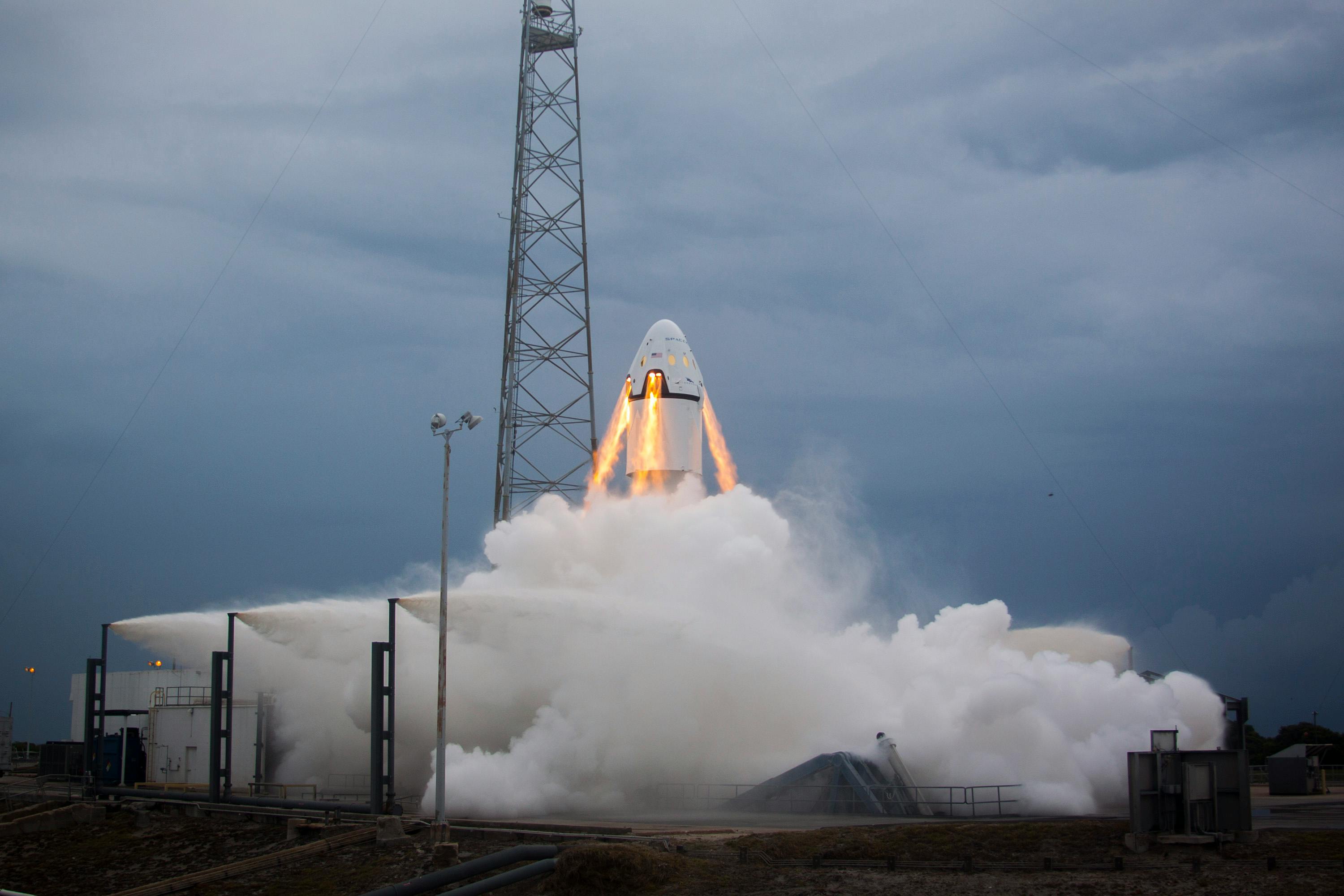
Exciting advancements from SpaceX's Fram2 mission and the pivotal role of biotech in space exploration.


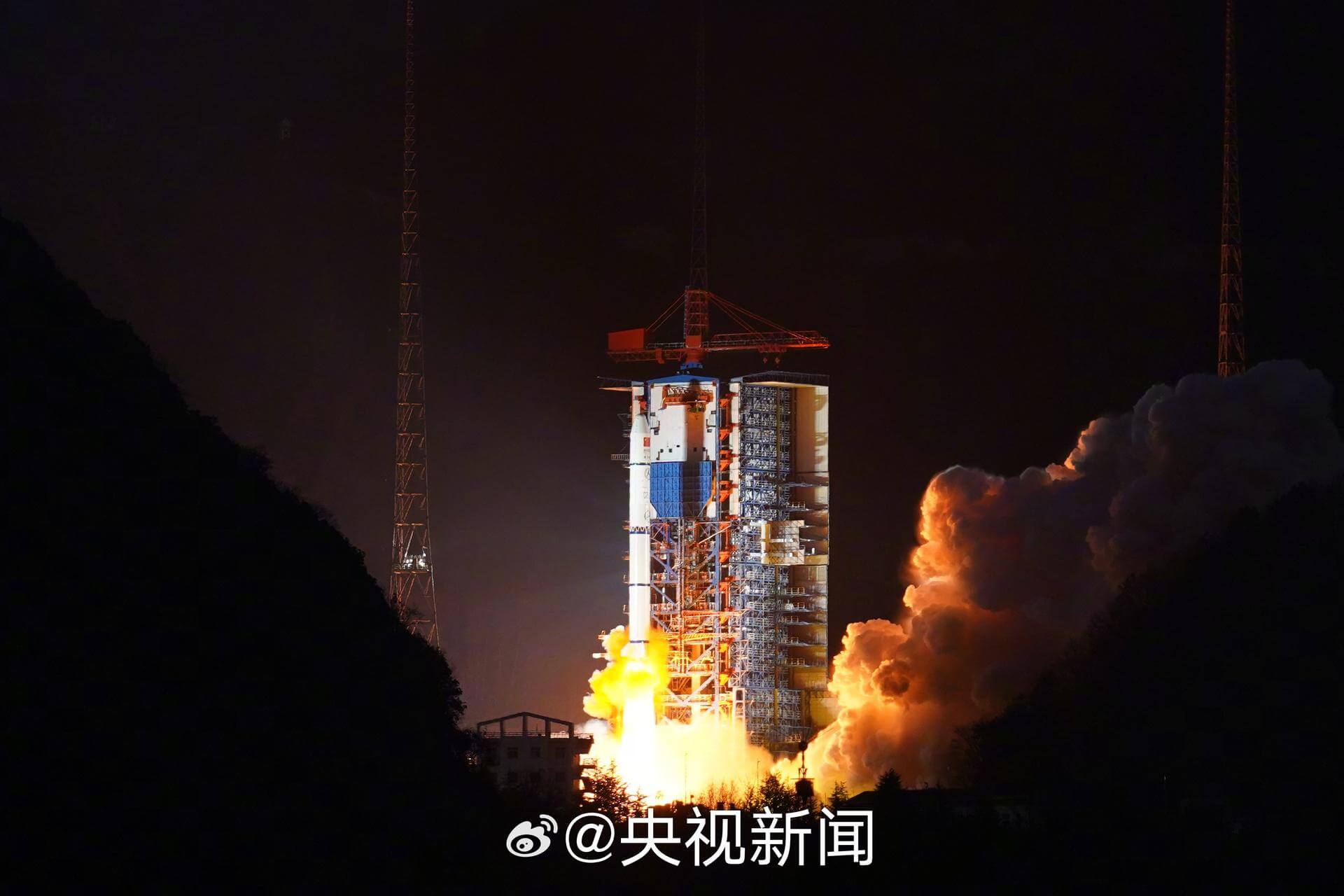
Launch Date
February 2, 2024
Launch Site
XICLF
Launch Pad
XSC -
Launch Vehicle
Chang Zheng 2C
NORAD ID
58915
International Designator
2024-023L
Epoch
Sun, 19 Jul 2026 20:07:11 GMT
Apogee
Calculating...
Perigee
Calculating...
Inclination
50.00°
Right Ascension
202.76°
Eccentricity
Calculating...
Argument of Perigee
239.49°
Period
97.08 min
Mean Motion
14.83 rev/day
Latitude
Calculating...
Longitude
Calculating...
Altitude
Calculating...
Velocity
Calculating...
Name
GEESAT-2 11
Alternative Name
Geely Xinguou 02 zu 11 xing
Type
Status
Owner
GEESP
Country
China
Constellation
N/A
Related Satellites
Major Events
N/A
1 58915U 24023L 26200.83832501 .00000611 00000+0 10120-3 0 9993
2 58915 49.9986 202.7582 0019532 239.4893 120.4117 14.83350396133767
Source: Celestrak
Length
1
Diameter
0.5
Span
2
Dry Mass
130
Launch Mass
130
Shape
Box + 2 pan
Radar Cross Section
Unknown
Visual Magnitude
Unknown
Color
Unknown
Material Composition
Unknown
Payload
GeeSAT 2-11
Purpose
Navigation, communication
Mission
Navigation, communication
Manufacturer
TZXK
Life Expectancy
Unknown
Bus
GeeSat1
Configuration
Unknown
Motor
Unknown
Equipment
Unknown
Power System
2 deployable solar arrays, batteries
ADCS
Unknown
Transmitter Frequency
Unknown
Learn more about satellites and other related topics.
Exciting advancements from SpaceX's Fram2 mission and the pivotal role of biotech in space exploration.

Today's brief covers China's Beidou satellite plans, SpaceX's Starship advancements, potential Space Command HQ relocation, and more.
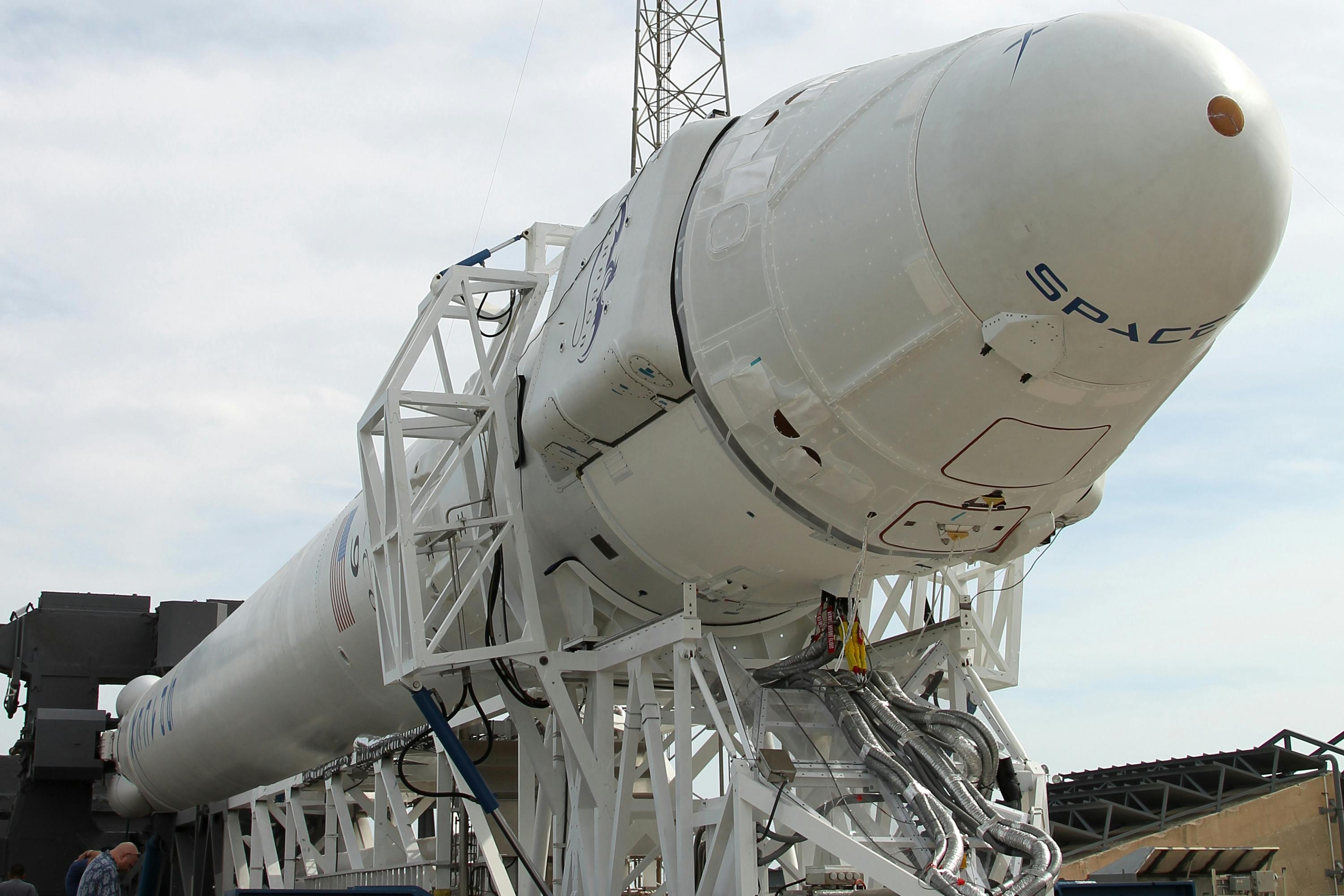
SpaceX prepares for its 100th Falcon 9 launch from Kennedy Space Center while facing a scrubbed attempt of the latest Starlink deployment.

As Ukraine explores alternatives to SpaceX's Starlink, the potential adoption of Eutelsat OneWeb's satellite network raises critical questions about connectivity, resilience, and strategic autonomy.

In 2024, China launched 68 orbital missions. In 2025, the number jumped to 97. In 2026, state media and Western analysts agree the target is 140 or more. Most of that growth is being driven by two state-backed mega-constellations, a half-dozen private launch companies hitting stride, and a deliberate national pivot toward commercial space. Beijing is no longer trying to catch SpaceX. It is trying to build an industrial base that outlasts one.
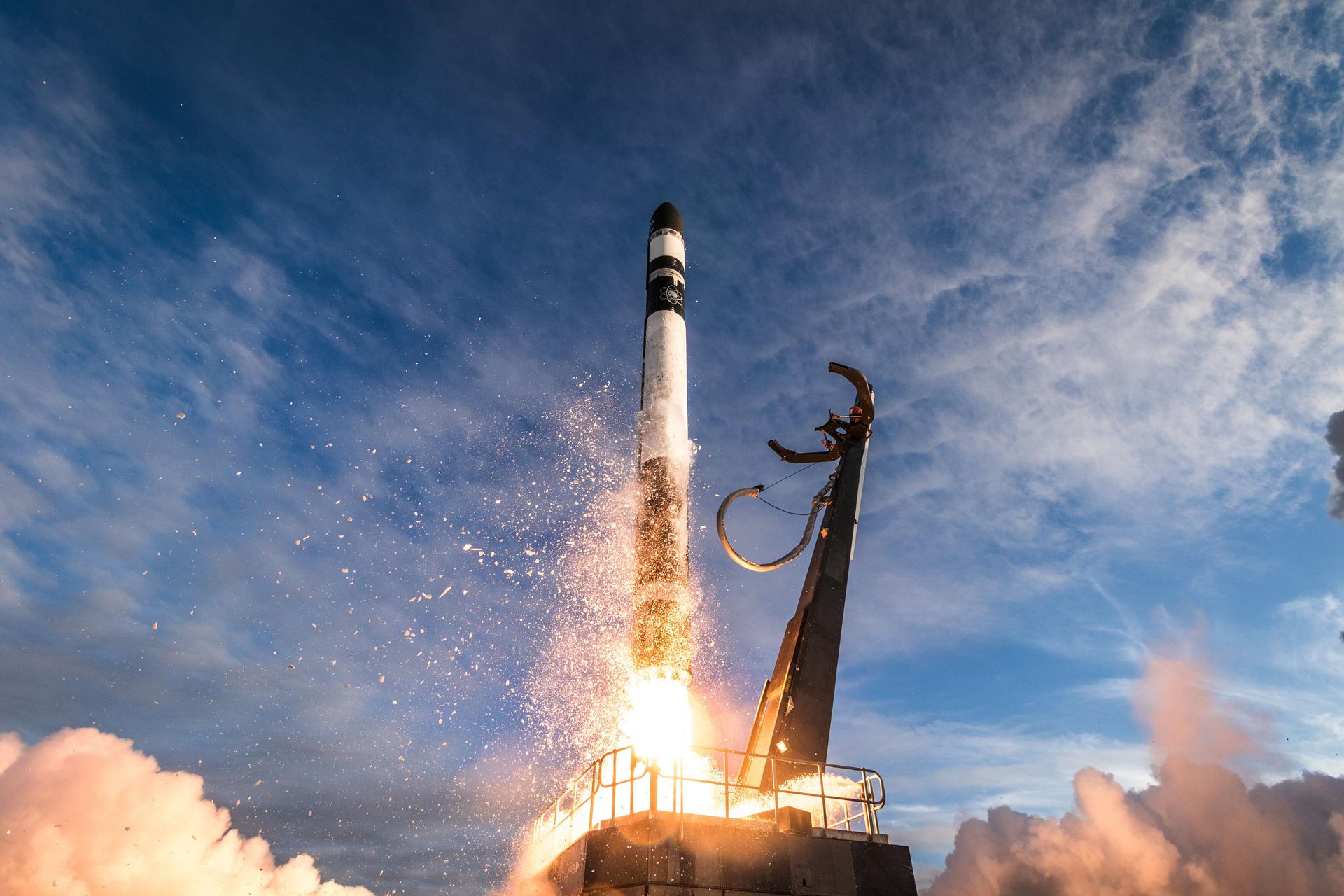
Today's briefing includes new appointments in U.S. military and defense sectors, X-37B's continued mission, and international policy shifts affecting satellite technology sales.

Pentagon puts LEO constellation layers on hold during acquisition review. SpaceX and xAI join $100M autonomous drone contest. China's Zenk Space completes first stage static fire.
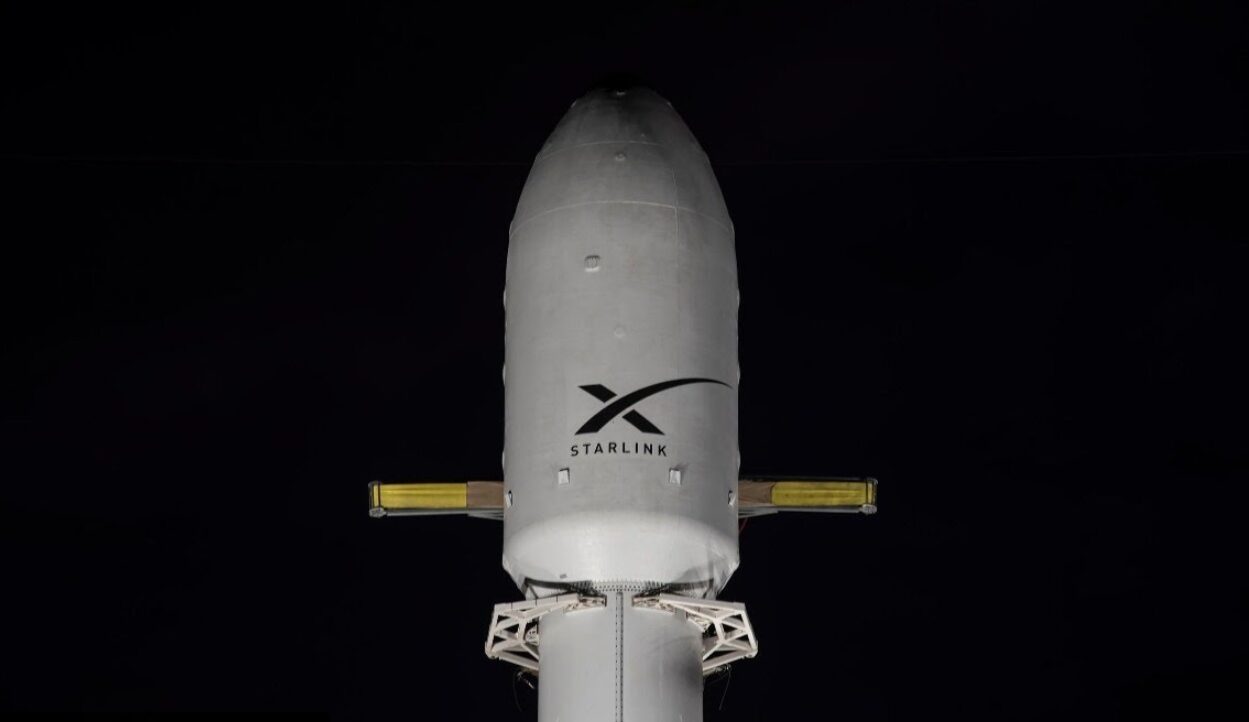
This week: SpaceX launched 21 SDA missile-tracking satellites, Soyuz MS-29 carried a new crew to the ISS, and Europe's space spending rose 12%.