


SpaceX Wins $4.16B Space Force Contract, X Report 3 Jun 2026
SpaceX wins a $4.16 billion Space Force satellite contract to track airborne threats worldwide, while dual-pad launches add 53 Starlink satellites.



NORAD ID
58881
International Designator
2024-020F
Epoch
Sun, 19 Jul 2026 22:24:13 GMT
Apogee
Calculating...
Perigee
Calculating...
Inclination
53.16°
Right Ascension
66.36°
Eccentricity
Calculating...
Argument of Perigee
87.19°
Period
93.85 min
Mean Motion
15.34 rev/day
Latitude
Calculating...
Longitude
Calculating...
Altitude
Calculating...
Velocity
Calculating...
Name
STARLINK-31260
Alternative Name
Starlink 31260
Type
Status
Owner
SPXS
Country
United States
Constellation
N/A
Related Satellites
Major Events
N/A
1 58881U 24020F 26200.93348969 .00001947 00000+0 68731-4 0 9998
2 58881 53.1608 66.3614 0001279 87.1852 272.9297 15.34405253138340
Source: Celestrak
Length
0.3
Diameter
4.1
Span
29
Dry Mass
700
Launch Mass
730
Shape
Box + pan
Radar Cross Section
Unknown
Visual Magnitude
Unknown
Color
Unknown
Material Composition
Unknown
Payload
Starlink Group 7-12-06
Purpose
Communication
Mission
Communication
Manufacturer
SPXS
Life Expectancy
Unknown
Bus
Starlink V2M
Configuration
Starlink v2 Mini
Motor
Argon ion thrusters
Equipment
Ku/Ka/E-band payload, optical inter-satellite link
Power System
Solar arrays, batteries
ADCS
Unknown
Transmitter Frequency
Unknown
Learn more about satellites and other related topics.
SpaceX wins a $4.16 billion Space Force satellite contract to track airborne threats worldwide, while dual-pad launches add 53 Starlink satellites.
SpaceX secures major contracts for U.S. national security launches, including multiple Falcon Heavy missions. Significant updates on Starlink deployments and the ongoing evolution of the company highlight a productive day in the space sector.

SpaceX launches Maxar's high-resolution imaging satellites, Ontario reconsiders its Starlink contract, and the countdown to NASA's Lunar Trailblazer mission begins.

Landsat 7 launched on April 15, 1999, designed to last five years. It operated for twenty-five, survived a failure that destroyed a fifth of every image it took, and became part of the longest continuous record of Earth's surface ever assembled. Then they made the data free.
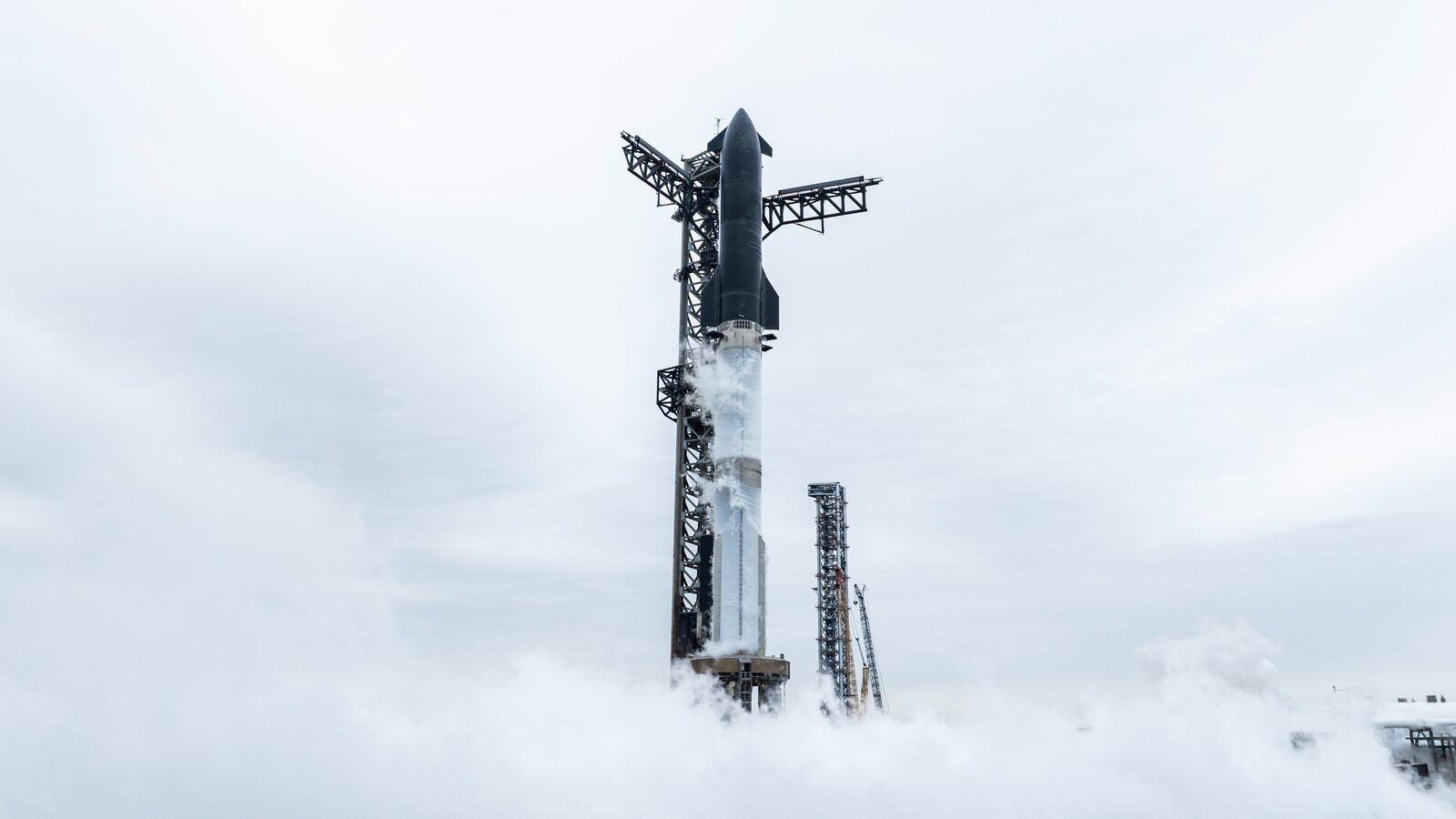
L3Harris and Sierra Space awarded $1.75 billion to build 36 missile-tracking satellites for SDA's Tracking Layer constellation. Hypersonic and ballistic missile detection from low Earth orbit.
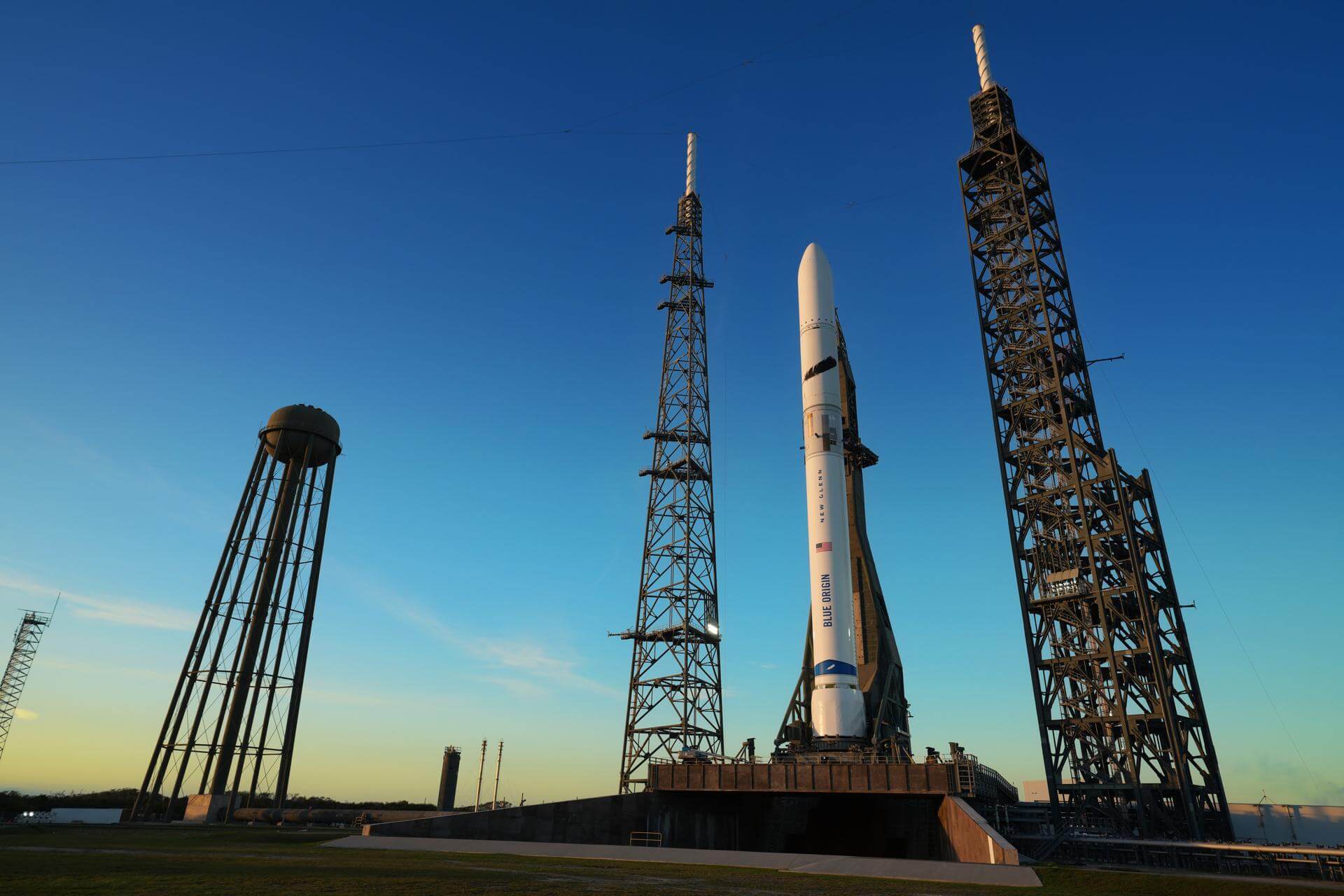
Planet Labs institutes 14-day delay on imagery covering Iran and Gulf States. Commercial remote sensing faces new operational security pressures as conflict escalates.

SpaceX continues to make waves with record launches and emerging challenges in its lunar endeavors. A new launch site on the West Coast promises to ramp up capacity, even as the Falcon 9 prepares for its eventual retirement.
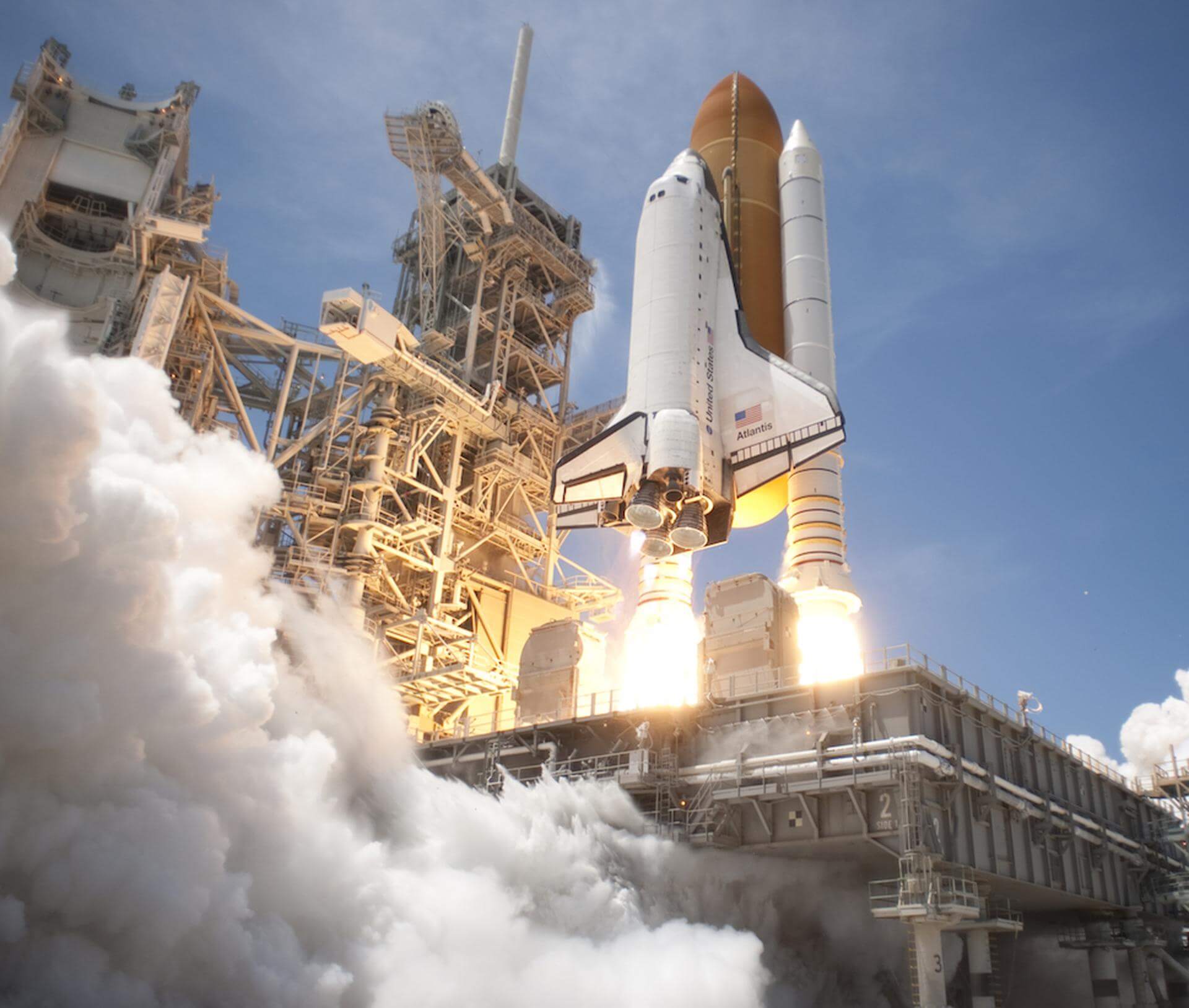
Blue Origin's New Glenn suffered catastrophic anomaly during static fire test at LC-36. Amazon LEO satellites pulled; NASA lunar missions now in question.