


Space Brief 10 Apr 2025
Key topics today include the US Space Force's new international strategy, China's partnership with Pakistan for astronaut training, and conservation concerns over SpaceX landing proposals.



Launch Date
January 7, 2024
Launch Site
Launch Pad
LC40
Launch Vehicle
NORAD ID
58732
International Designator
2024-005E
Epoch
Sun, 19 Jul 2026 09:00:52 GMT
Apogee
Calculating...
Perigee
Calculating...
Inclination
43.00°
Right Ascension
196.04°
Eccentricity
Calculating...
Argument of Perigee
275.11°
Period
94.27 min
Mean Motion
15.28 rev/day
Latitude
Calculating...
Longitude
Calculating...
Altitude
Calculating...
Velocity
Calculating...
Name
STARLINK-31180
Alternative Name
Starlink 31180
Type
Status
Owner
SPXS
Country
United States
Constellation
N/A
Related Satellites
Major Events
N/A
1 58732U 24005E 26200.37560409 .00000240 00000+0 18254-4 0 9999
2 58732 43.0040 196.0437 0001324 275.1102 84.9599 15.27575041140574
Source: Celestrak
Length
0.3
Diameter
4.1
Span
29
Dry Mass
700
Launch Mass
730
Shape
Box + pan
Radar Cross Section
Unknown
Visual Magnitude
Unknown
Color
Unknown
Material Composition
Unknown
Payload
Starlink Group 6-35-05
Purpose
Communication
Mission
Communication
Manufacturer
SPXS
Life Expectancy
Unknown
Bus
Starlink V2M
Configuration
Starlink v2 Mini
Motor
Argon ion thrusters
Equipment
Ku/Ka/E-band payload, optical inter-satellite link
Power System
Solar arrays, batteries
ADCS
Unknown
Transmitter Frequency
Unknown
Learn more about satellites and other related topics.
Key topics today include the US Space Force's new international strategy, China's partnership with Pakistan for astronaut training, and conservation concerns over SpaceX landing proposals.

Forty years ago today, a Delta 3914 lifted off Cape Canaveral with a weather satellite the country could not afford to lose. Seventy-one seconds later, its main engine cut off. Ninety-one seconds in, the range safety officer pressed his button. The third domino of a brutal 1986 had fallen.

Today's Space Brief covers a Soyuz launch mishap that damaged Baikonur pad, Varda Space's AFRL test flights, ION vehicles aboard SpaceX Transporter-15, and more.
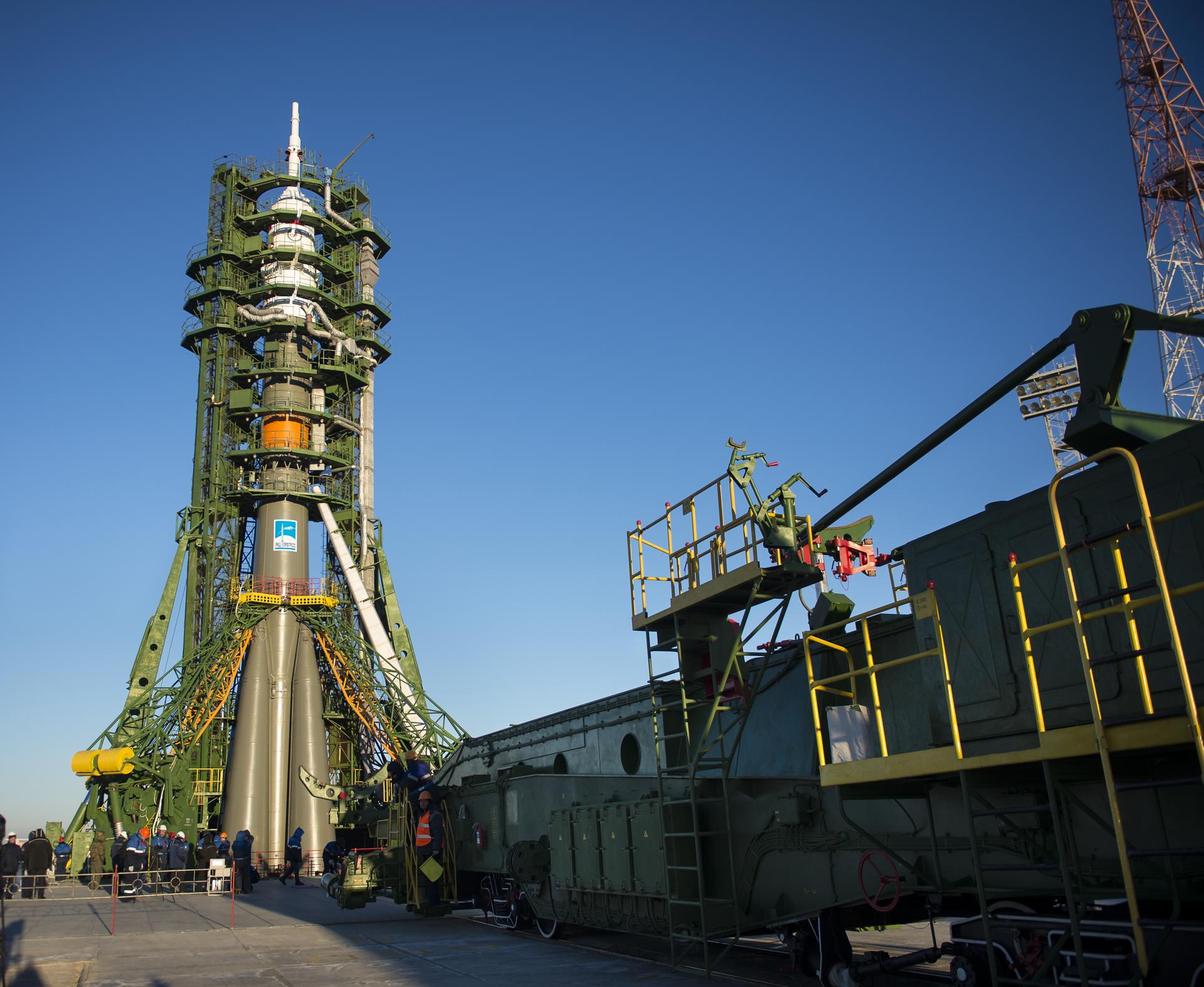
Iran calls Kowsar 1.5 a private-sector farming satellite. Its 3.45-meter camera, its sun-synchronous orbit, and the Russian rocket that carried it point somewhere else entirely.

Today's brief highlights key developments in space technology, military space activities, and satellite refueling initiatives. Discover the latest on GEO satellite refueling, Blue Origin's New Glenn, and more.
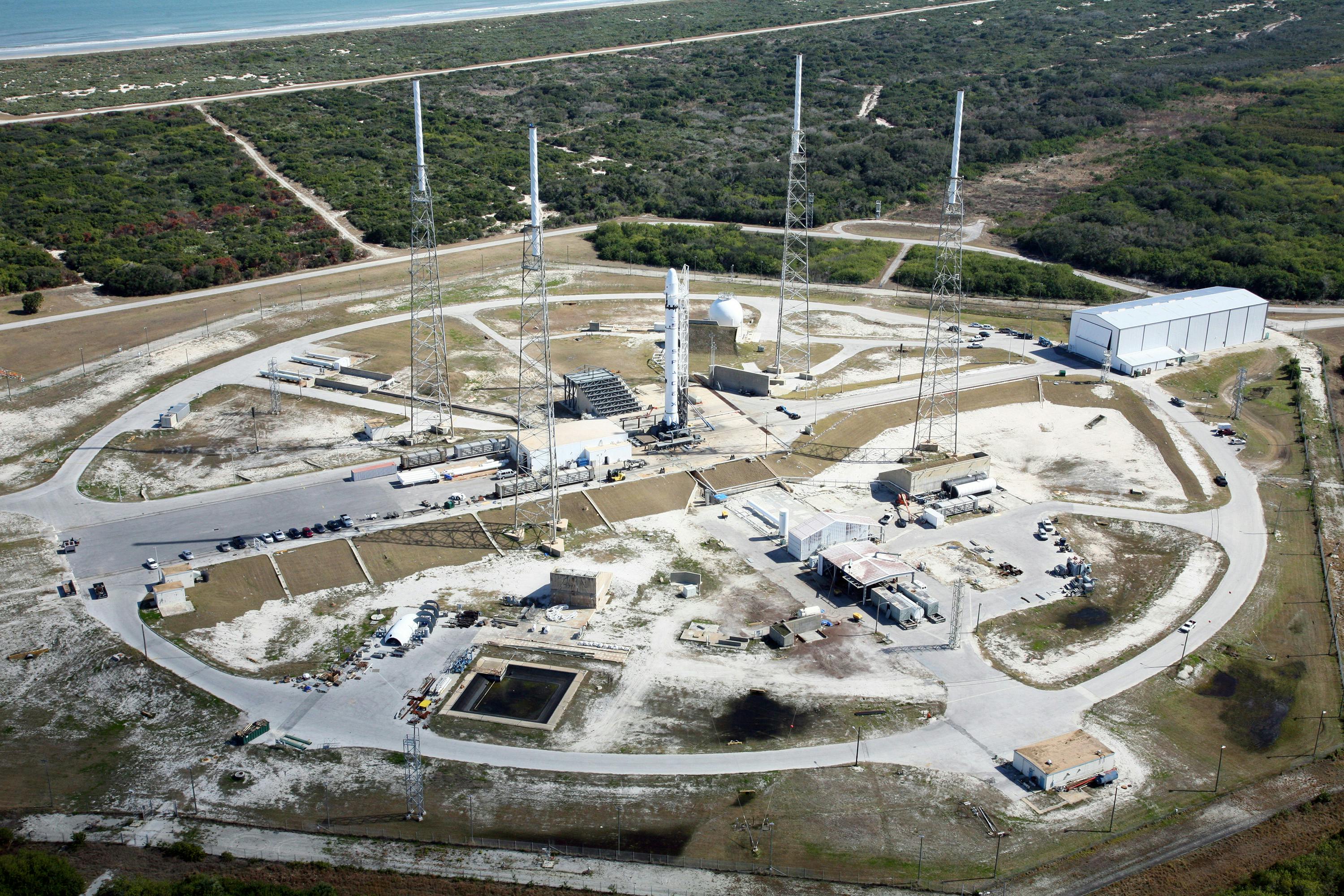
SpaceX President Gwynne Shotwell joined Trump at the White House to outline xAI's energy commitment, while Transporter-18 targets October 2026 launch.
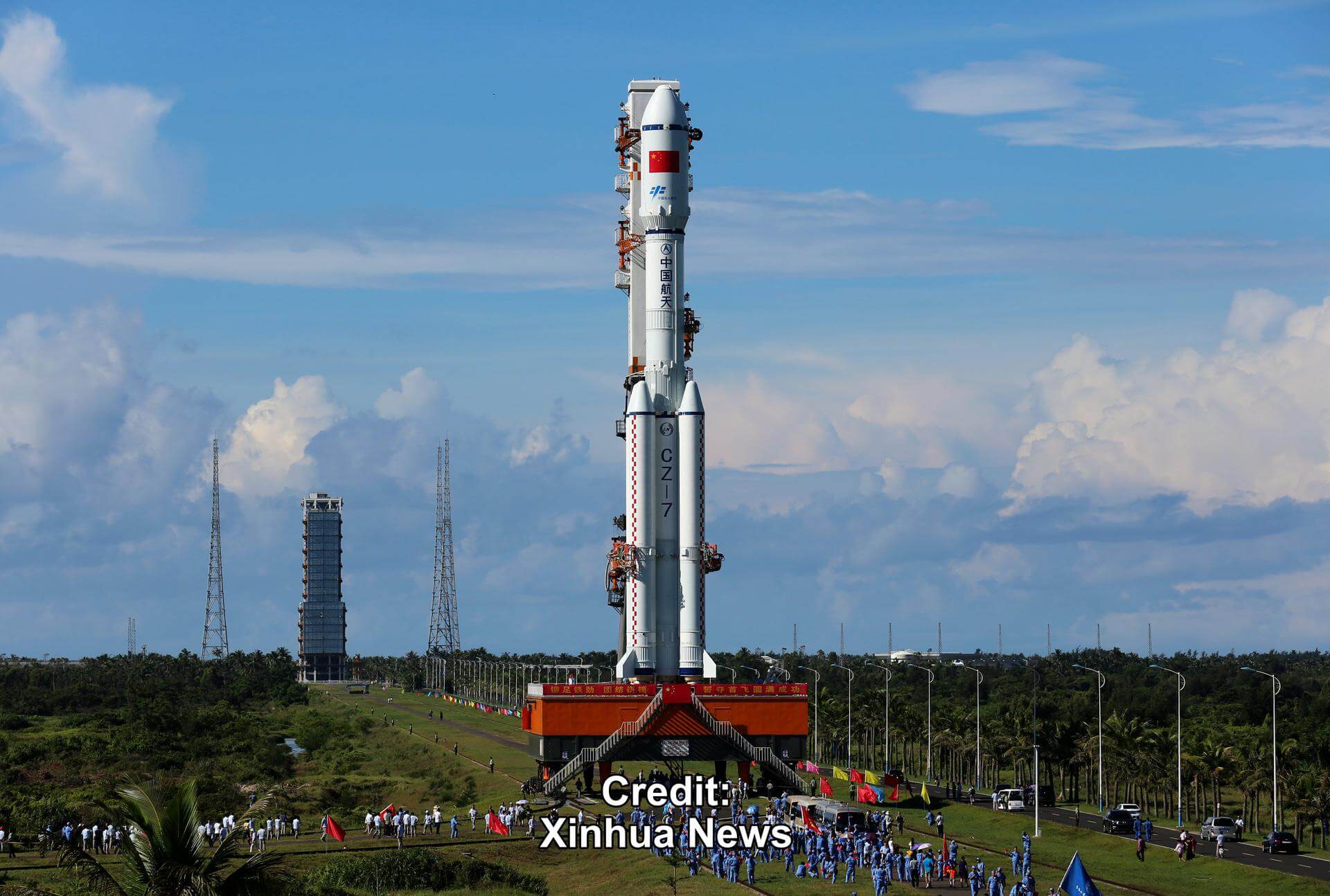
Today's space highlights include China's first classified Shiyan-28B launch, Boeing's major satellite contract, new NASA budget allocations, and plans for shuttle Discovery's relocation.

SpaceX conducted significant test firings and further expanded its satellite fleet, while the EU scrutinizes Starlink's market impact amid ongoing space industry negotiations.