


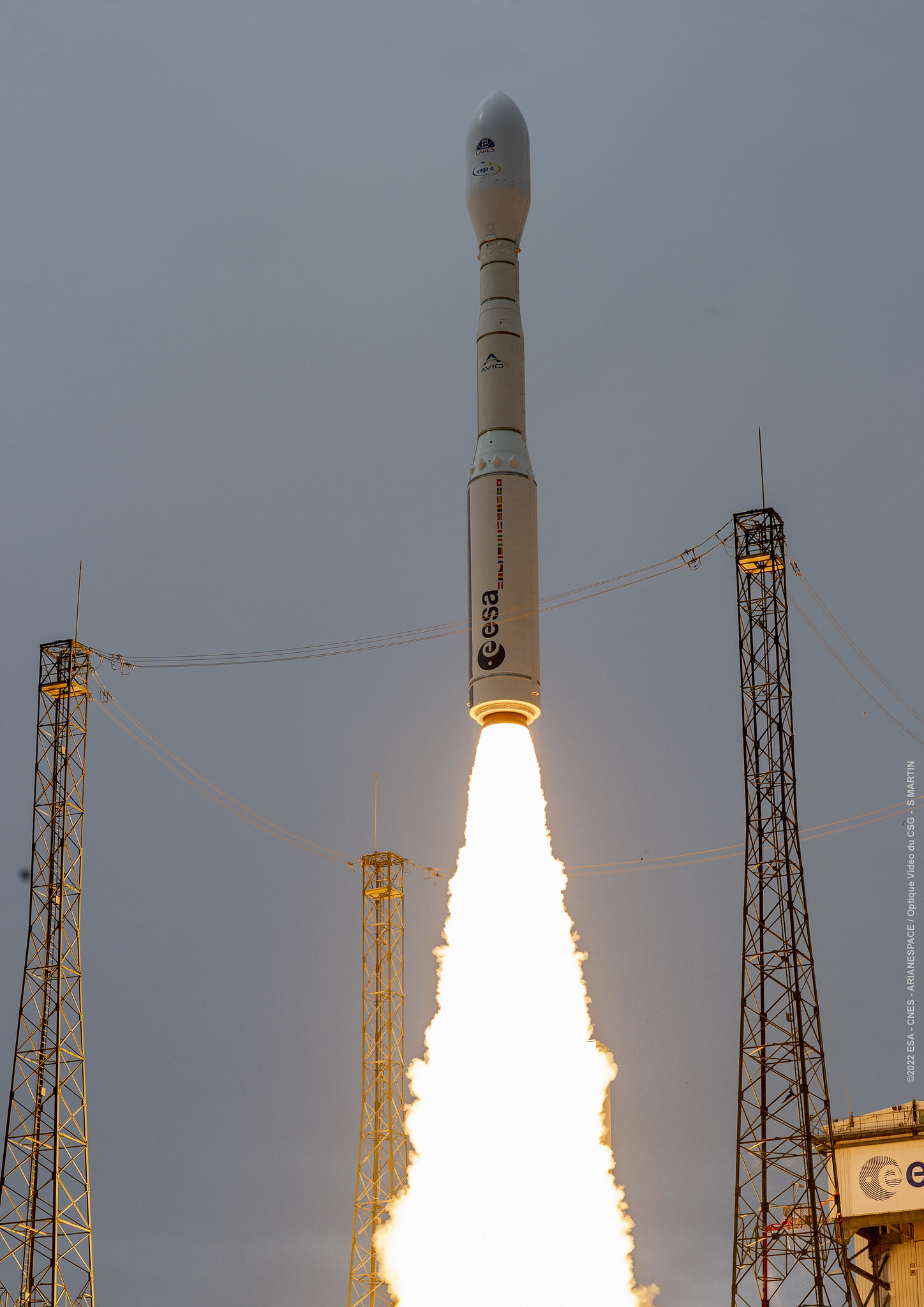
Space Brief 23 Nov 2025
Today's highlights include a space debris incident involving China's spacecraft, development advancements for military space missions, and a notable setback for SpaceX's Starship booster.


NORAD ID
58287
International Designator
2023-174AH
Epoch
Sun, 19 Jul 2026 20:34:13 GMT
Apogee
Calculating...
Perigee
Calculating...
Inclination
97.37°
Right Ascension
300.46°
Eccentricity
Calculating...
Argument of Perigee
238.38°
Period
90.15 min
Mean Motion
15.97 rev/day
Latitude
Calculating...
Longitude
Calculating...
Altitude
Calculating...
Velocity
Calculating...
Name
PICO-01B009
Alternative Name
PICO-01B009
Type
Status
Owner
APOGEO
Country
Italy
Constellation
N/A
Related Satellites
Major Events
N/A
1 58287U 23174AH 26200.85710110 .00257306 28573-4 58873-3 0 9996
2 58287 97.3696 300.4625 0006301 238.3758 121.6904 15.97353474151354
Source: Celestrak
Length
0.03
Diameter
0.1
Span
0.1
Dry Mass
0.5
Launch Mass
0.5
Shape
Box
Radar Cross Section
Unknown
Visual Magnitude
Unknown
Color
Unknown
Material Composition
Unknown
Payload
PICO-1A-9
Purpose
Communication (IoT)
Mission
Communication (IoT)
Manufacturer
APOGEO
Life Expectancy
Unknown
Bus
Cubesat 0.3U
Configuration
CubeSat (0.3U)
Motor
None
Equipment
advanced hyperspectral imager
Power System
Solar cells, batteries
ADCS
Unknown
Transmitter Frequency
Unknown
Learn more about satellites and other related topics.
Today's highlights include a space debris incident involving China's spacecraft, development advancements for military space missions, and a notable setback for SpaceX's Starship booster.
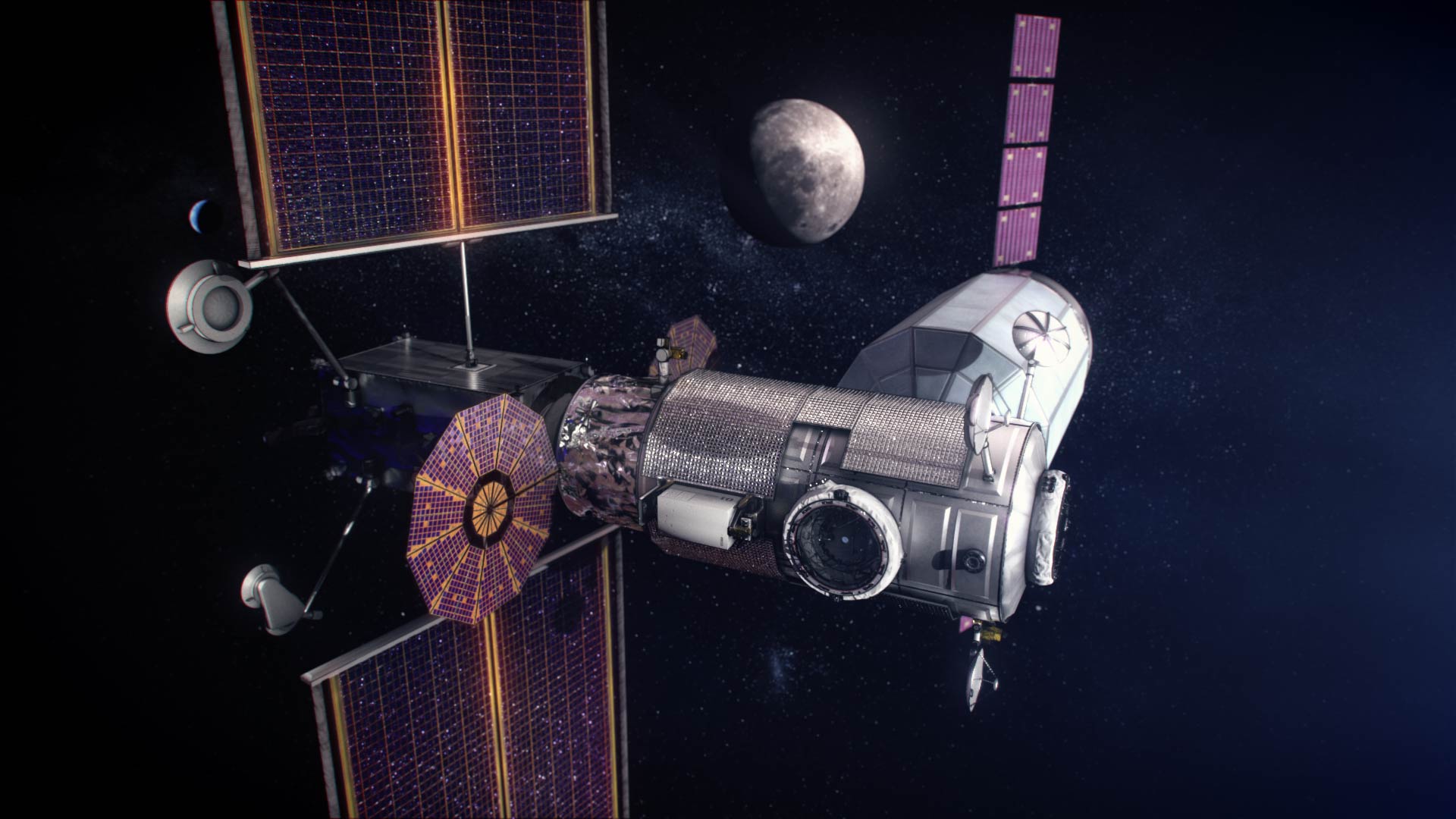
The volume of space between Earth and the Moon is roughly a thousand times larger than the orbit we actually watch, and almost none of it is under surveillance. As the U.S. and China race to build lunar outposts, the Space Force is scrambling to put eyes on a region it has been effectively blind to.
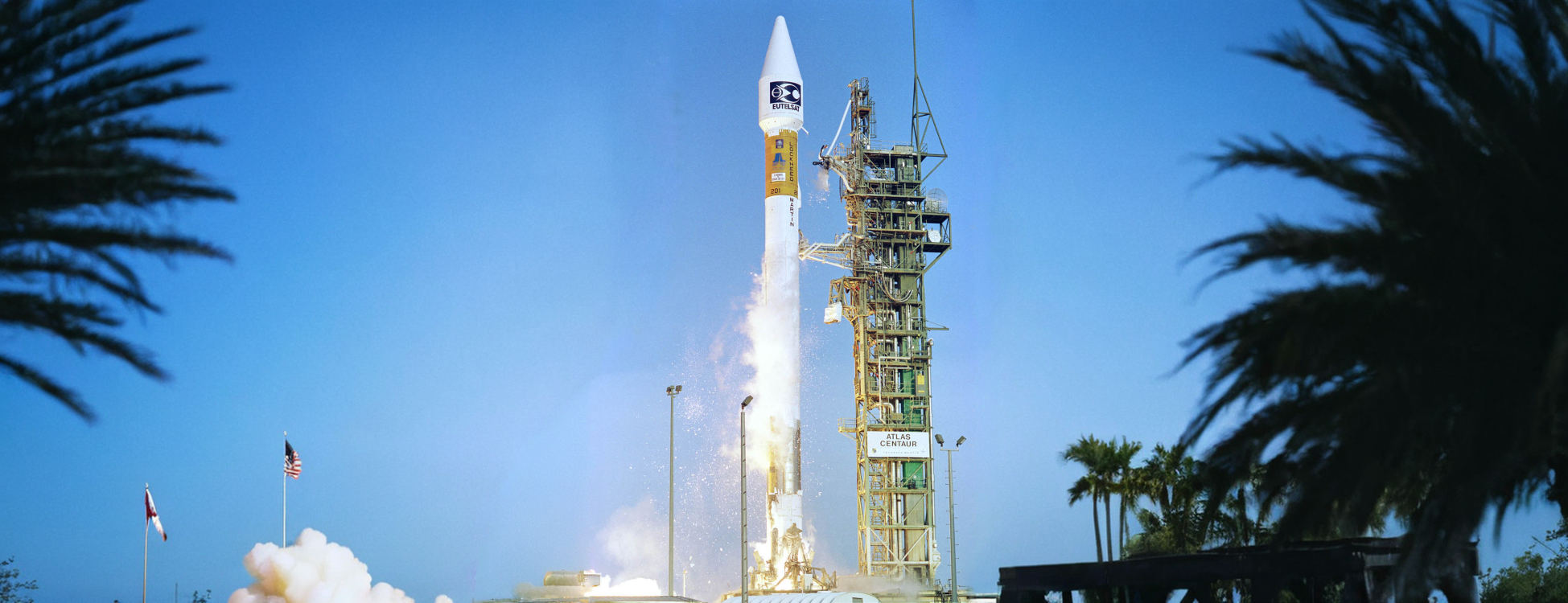
Twenty years ago, an Atlas rocket carrying a classified payload lifted off from Cape Canaveral, marking the end of a revolutionary spacecraft design that helped launch America into the Space Age
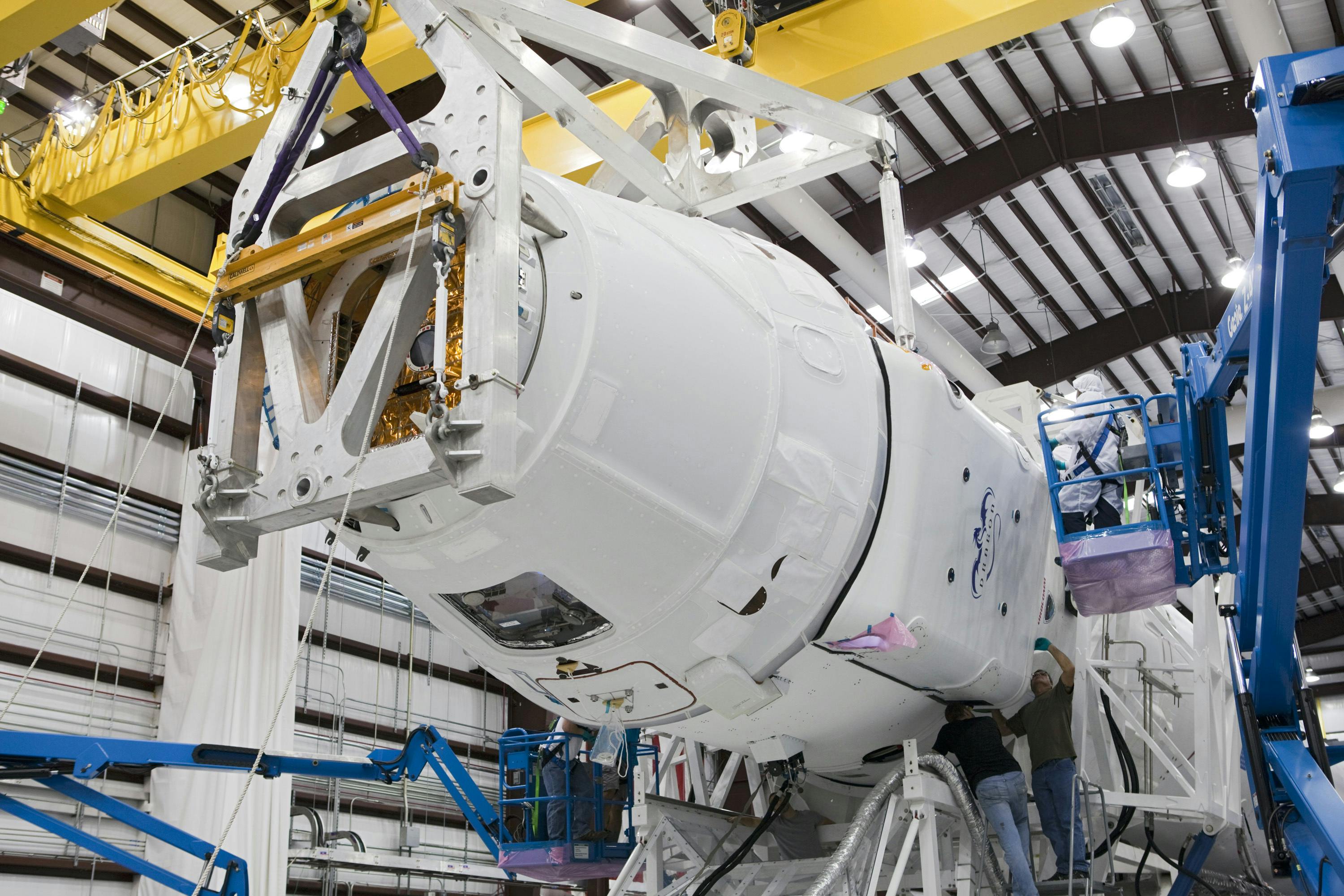
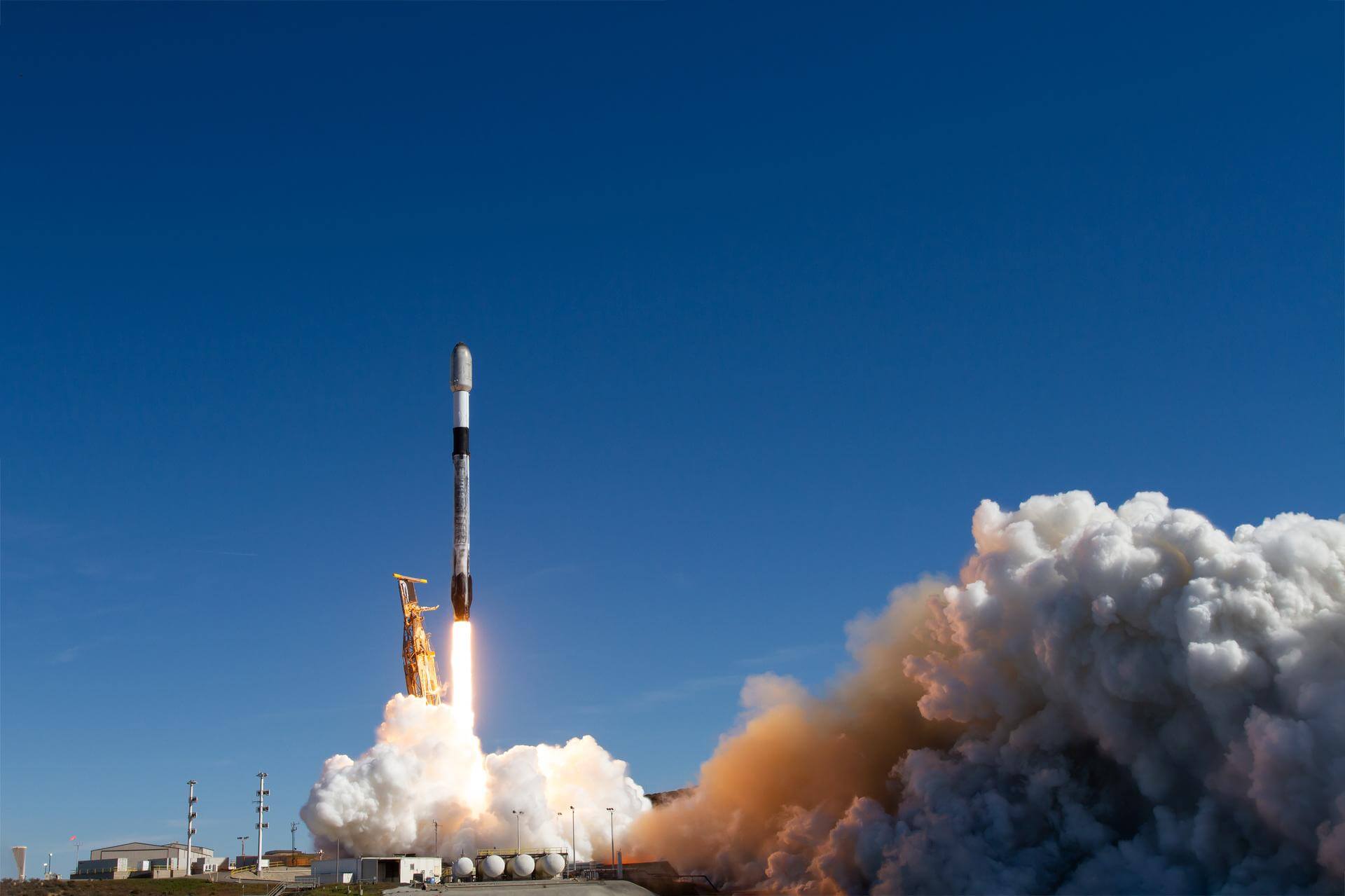
SpaceX marks a milestone with its 250th Starlink mission, continuing to expand its broadband satellite network.

SpaceX successfully launches 27 Starlink satellites and gains approval for internet services in Vietnam.

SpaceX bids farewell to LZ-1 while continuing its mission towards advancements in satellite technology and the ongoing Starlink project.
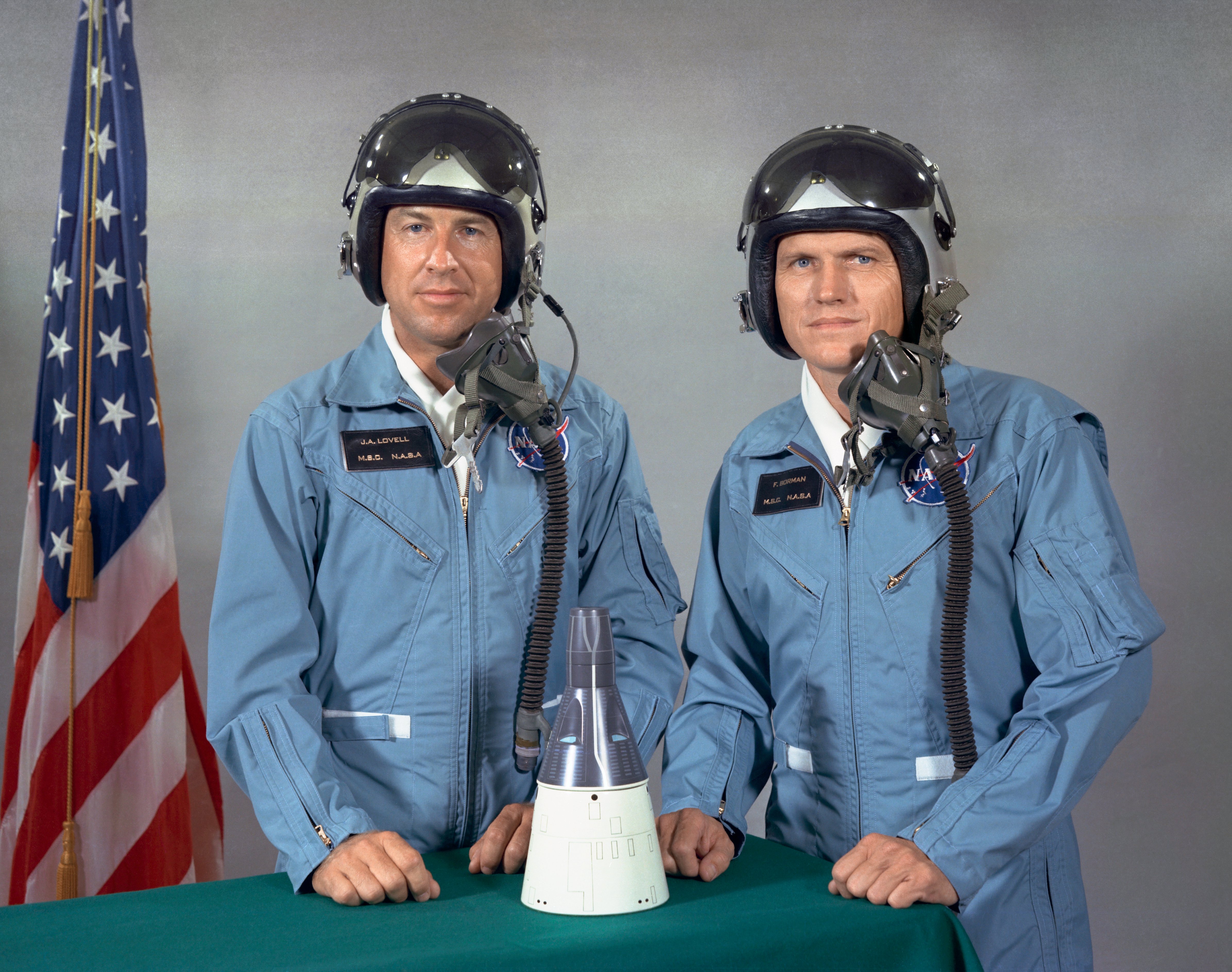
Sixty years ago, Frank Borman and James Lovell launched aboard Gemini 7 for a grueling 14-day mission that would prove humans could endure the journey to the moon and achieve the first true rendezvous in space

SpaceX secures FCC nod for Starlink's direct-to-phone connectivity, lands NASA's Dragonfly mission, and sees new competition with the ZhuQue-2E launch.