


X Report 27 Mar 2025
SpaceX successfully launches 27 Starlink satellites and gains approval for internet services in Vietnam.



Launch Date
December 25, 2013
Launch Site
PLMSC
Launch Pad
LC133/3
Launch Vehicle
Rokot
NORAD ID
57561
International Designator
2013-076AY
Epoch
Sat, 20 Jun 2026 13:49:48 GMT
Apogee
Calculating...
Perigee
Calculating...
Inclination
82.75°
Right Ascension
116.09°
Eccentricity
Calculating...
Argument of Perigee
176.99°
Period
113.07 min
Mean Motion
12.74 rev/day
Latitude
Calculating...
Longitude
Calculating...
Altitude
Calculating...
Velocity
Calculating...
Name
COSMOS 2491 DEB
Alternative Name
deb Kosmos-2491
Type
Status
Owner
TSKHM
Country
Russia
Constellation
N/A
Related Satellites
Major Events
N/A
1 57561U 13076AY 26171.57625942 .00002272 00000-0 10754-1 0 9999
2 57561 82.7495 116.0949 0071062 176.9891 183.1649 12.73511281144774
Source: Celestrak
Length
0
Diameter
0
Span
0
Dry Mass
0
Launch Mass
0
Shape
N/A
Radar Cross Section
Unknown
Visual Magnitude
Unknown
Color
Unknown
Material Composition
Unknown
Payload
Unknown
Purpose
Unknown
Mission
Unknown
Manufacturer
TSKHM
Life Expectancy
Unknown
Bus
Unknown
Configuration
Unknown
Motor
Unknown
Equipment
Unknown
Power System
Unknown
ADCS
Unknown
Transmitter Frequency
Unknown
Learn more about satellites and other related topics.
SpaceX successfully launches 27 Starlink satellites and gains approval for internet services in Vietnam.

Northrop Grumman's GEM 63XL solid rocket booster passed static fire testing, but ULA's investigation into a February 2026 Vulcan in-flight anomaly remains open. No RTF date set.

SpaceX made significant strides with the launch of 28 Starlink satellites while navigating regulatory challenges regarding rural broadband funding. Additionally, developments on the Crew Dragon mission continue to evolve with a change in cosmonaut assignment.
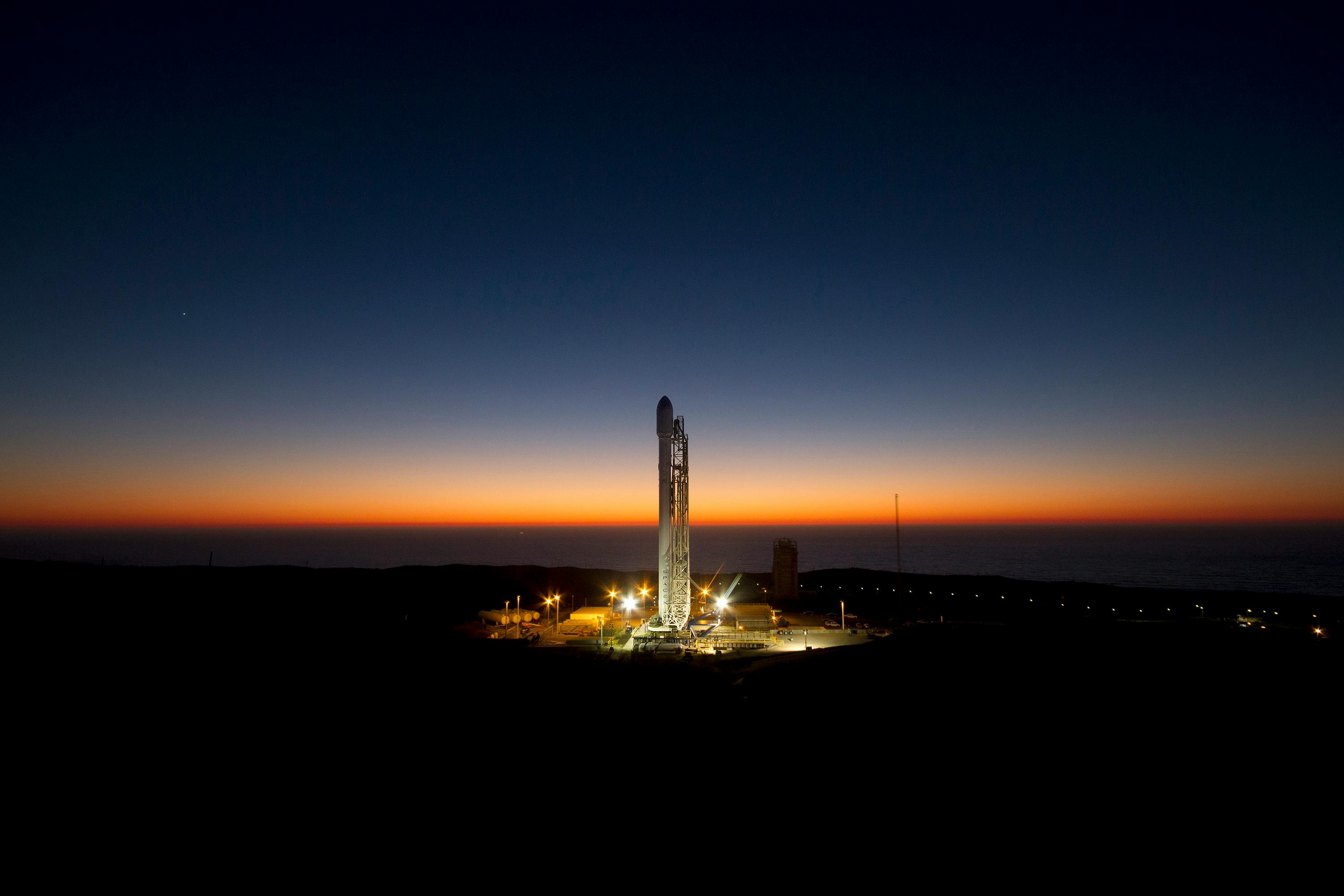
SpaceX sets a rocket re-use record, Starlink satellites continue to proliferate, and Botswana launches its first national satellite.

SpaceX marks a successful launch of 21 Starlink satellites, follows up after Starship explosion, and influences Qantas flights amid a busy operational schedule.

Rocket Lab Neutron's first launch is targeted for Q4 2026 after a tank test failure, backed by a new 5-launch deal. Plus Globalstar's 1,410 km refresh.
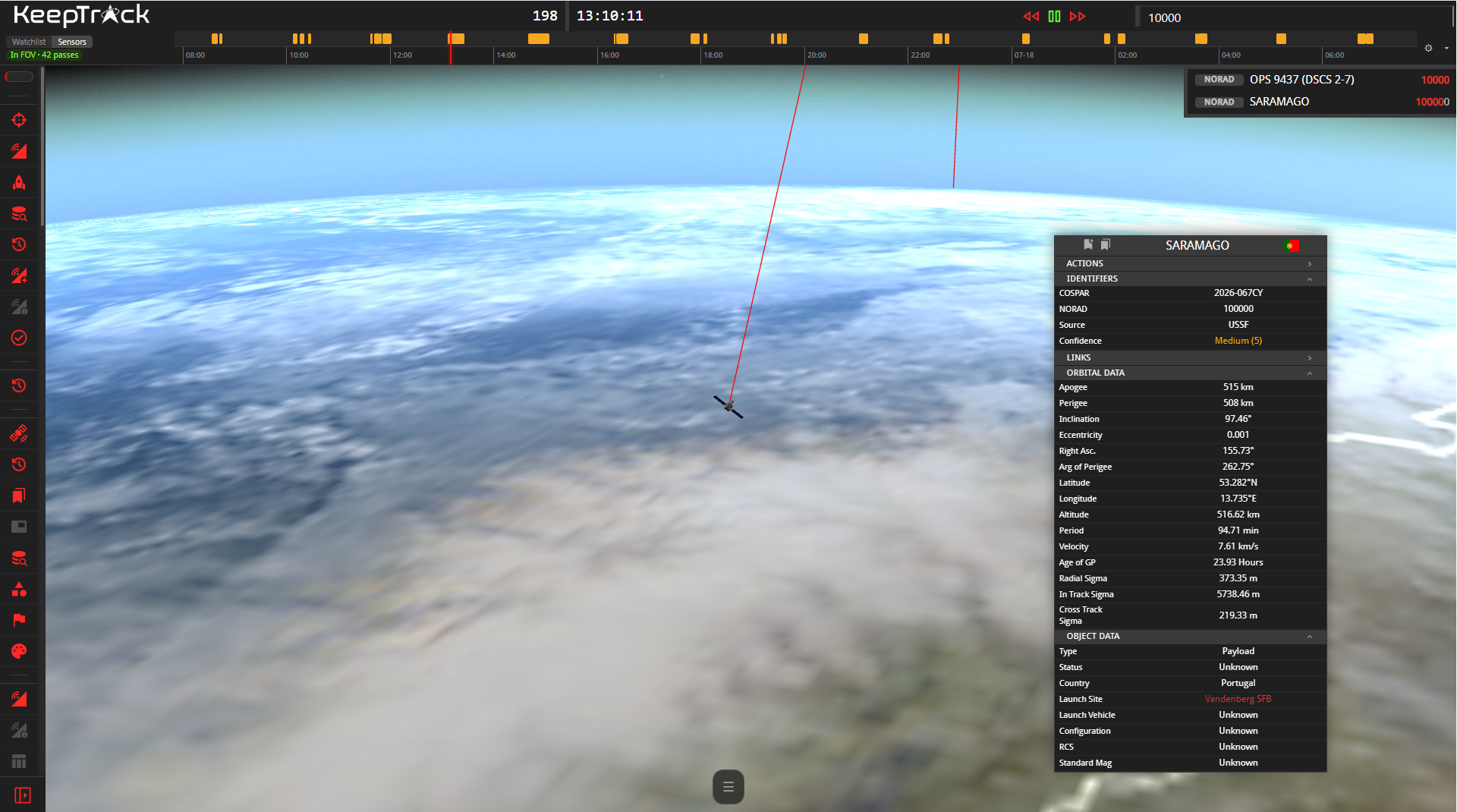
On July 11, 2026, a Portuguese satellite named after a Nobel laureate became the first object to carry catalog number 100000. It broke a five-digit numbering limit that had held since Sputnik, and exposed how unprepared decades of tracking software is for a sky this crowded.

SpaceX achieves significant milestones with the launch of 28 Starlink satellites and the final landing of the LZ-1 pad, marking key moments in their ongoing mission to expand satellite connectivity.