


Space Brief 9 Mar 2025
Today's highlights include delayed satellite launches, SpaceX's Florida Starship expansion, a historic mission by Europe's Ariane 6, and NASA's twin missions to explore the ends of the Earth and the universe.


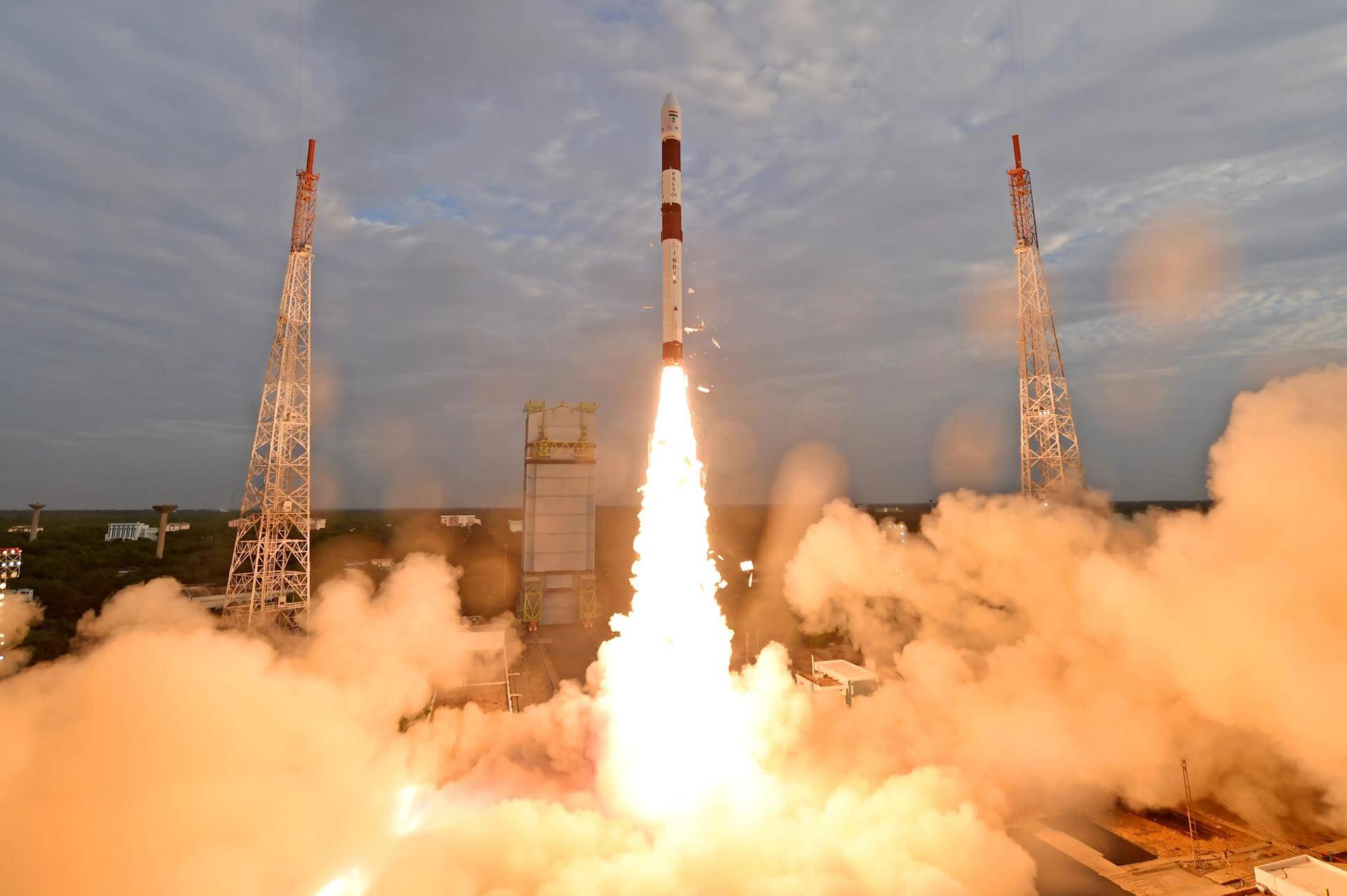
Launch Date
January 1, 45137
Launch Site
Satish Dhawan Space Centre, Sriharikota, India
Launch Pad
First Launch Pad (FLP)
Launch Vehicle
PSLV-C56
NORAD ID
57485
International Designator
2023-109E
Epoch
Sat, 23 Dec 2023 20:42:38 GMT
Apogee
Calculating...
Perigee
Calculating...
Inclination
5.00°
Right Ascension
247.63°
Eccentricity
Calculating...
Argument of Perigee
53.83°
Period
95.07 min
Mean Motion
15.15 rev/day
Latitude
Calculating...
Longitude
Calculating...
Altitude
Calculating...
Velocity
Calculating...
Name
ARCADE
Alternative Name
INSPIRESat-4
Type
Status
Owner
Nanyang Technological University (NTU)
Country
Singapore
Constellation
N/A
Related Satellites
Major Events
Launched on 30 July 2023; deployment into initial orbit; planned altitude reduction to 350 km using electric propulsion for VLEO operations.
1 57485U 23109E 23357.86294789 .00014481 00000+0 70660-3 0 9996
2 57485 4.9977 247.6344 0009185 53.8335 306.2623 15.14746534 22250
Source: Celestrak
Length
0.32
Diameter
0.32
Span
0.32
Dry Mass
26.4
Launch Mass
26.4
Shape
Box-shaped with deployable solar panels
Radar Cross Section
Unknown
Visual Magnitude
Unknown
Color
Unknown
Material Composition
Constructed from aluminum and magnesium alloys; includes experimental materials for atomic oxygen exposure studies.
Payload
The primary payloads include the Compact Ionosphere Probe (CIP) for ionospheric measurements and a Spatial Heterodyne Interferometer (SHI) for imaging the MLT region.
Purpose
Technology
Mission
ARCADE (Atmospheric Coupling and Dynamics Explorer) is a scientific microsatellite developed to study the equatorial ionosphere and mesosphere-lower thermosphere (MLT) region. It aims to provide insights into atmospheric coupling processes and the dynamics of the equatorial ionosphere.
Manufacturer
Satellite Research Centre, Nanyang Technological University (NTU)
Life Expectancy
The mission is designed for a duration of one year in low Earth orbit, with plans to utilize its electric propulsion system to lower its altitude from 530 km to 350 km for Very Low Earth Orbit (VLEO) operations.
Bus
CubeSat 27U
Configuration
CubeSat (27U)
Motor
ThrustMe electric propulsion system
Equipment
The satellite is equipped with four instruments: an imager for atmospheric gravity waves, a plasma probe for measuring ionospheric plasma density and velocity, an atomic oxygen instrument to study material degradation in low Earth orbit, and an optical imager for Earth observation.
Power System
The satellite is powered by three deployable solar panels and one body-mounted solar panel, providing a total of 100W peak power at Beginning of Life (BOL). Energy is stored in two 24 Ah lithium-ion batteries.
ADCS
The Attitude Determination and Control System (ADCS) comprises 12 coarse sun sensors, Inertial Measurement Units (IMUs), a star tracker, three magnetorquers, and three reaction wheels.
Transmitter Frequency
UHF uplink at 9600 bps GFSK; X-band downlink at 50 Mbps
Learn more about satellites and other related topics.
Today's highlights include delayed satellite launches, SpaceX's Florida Starship expansion, a historic mission by Europe's Ariane 6, and NASA's twin missions to explore the ends of the Earth and the universe.
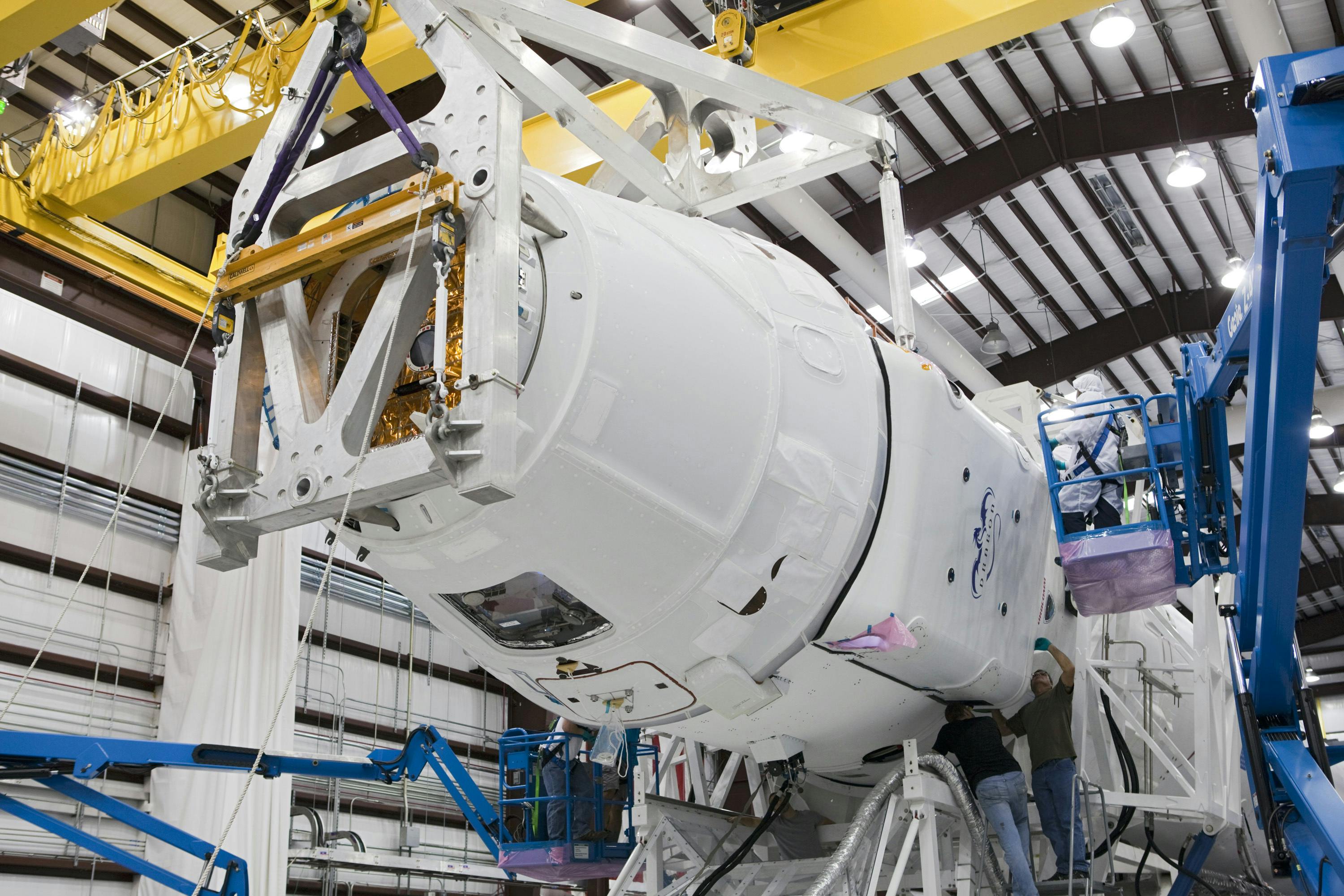
SpaceX prepares for its 100th Starlink launch while refining its lunar lander design for NASA's Artemis program amidst calls for architectural changes.

Today's Space Brief highlights SpaceX's 99th operational launch, China's calibration satellite launch, and Space Force's role in a commercial space age. Special spotlight on the satellite YAOGAN 1!

SpaceX confidentially files for a record-breaking IPO targeting a $1.75T valuation and $80B raise, while a Starlink satellite breaks apart in orbit.
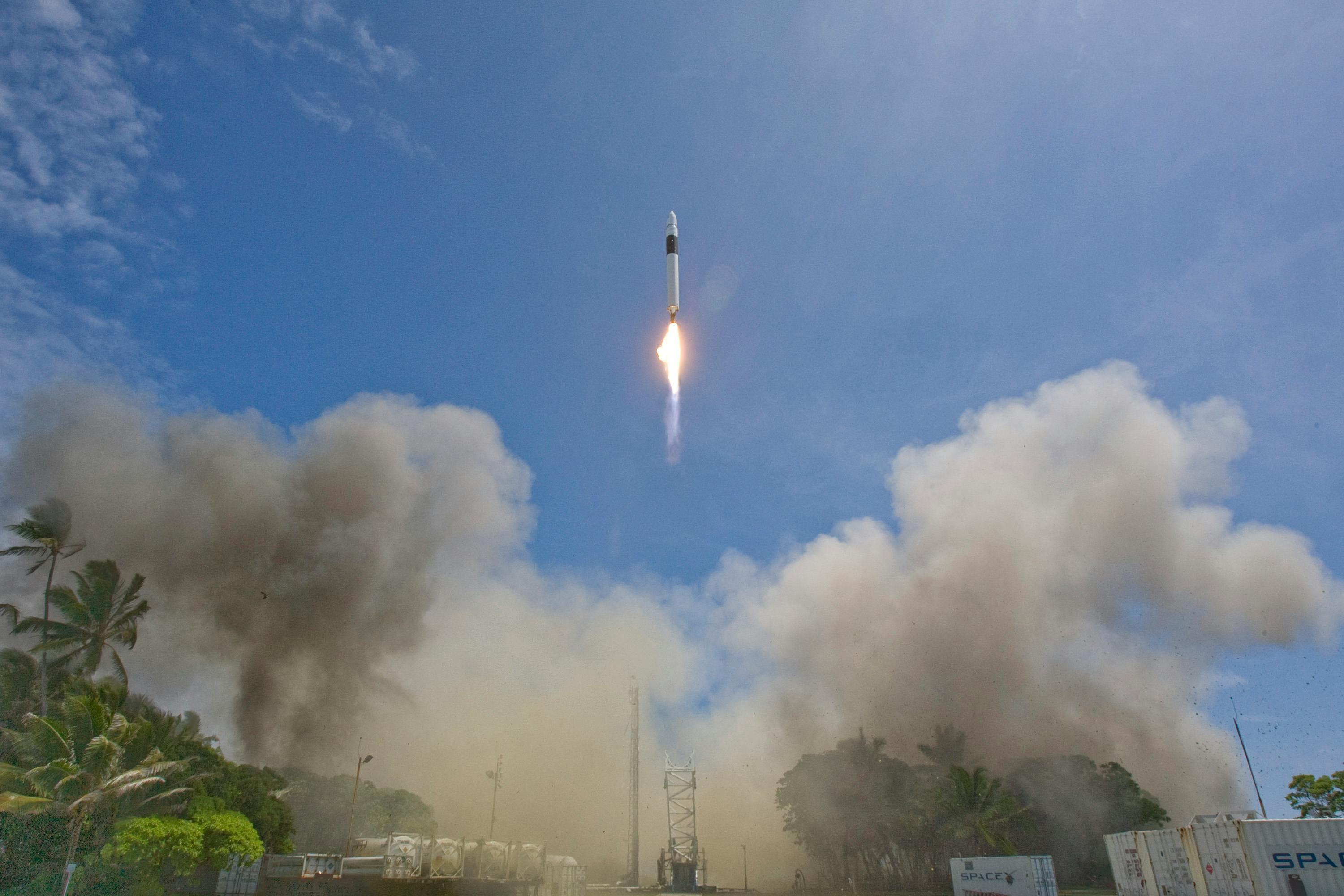
SpaceX gears up for Starship Flight 8, with a launch set for Monday as final preparations are underway.
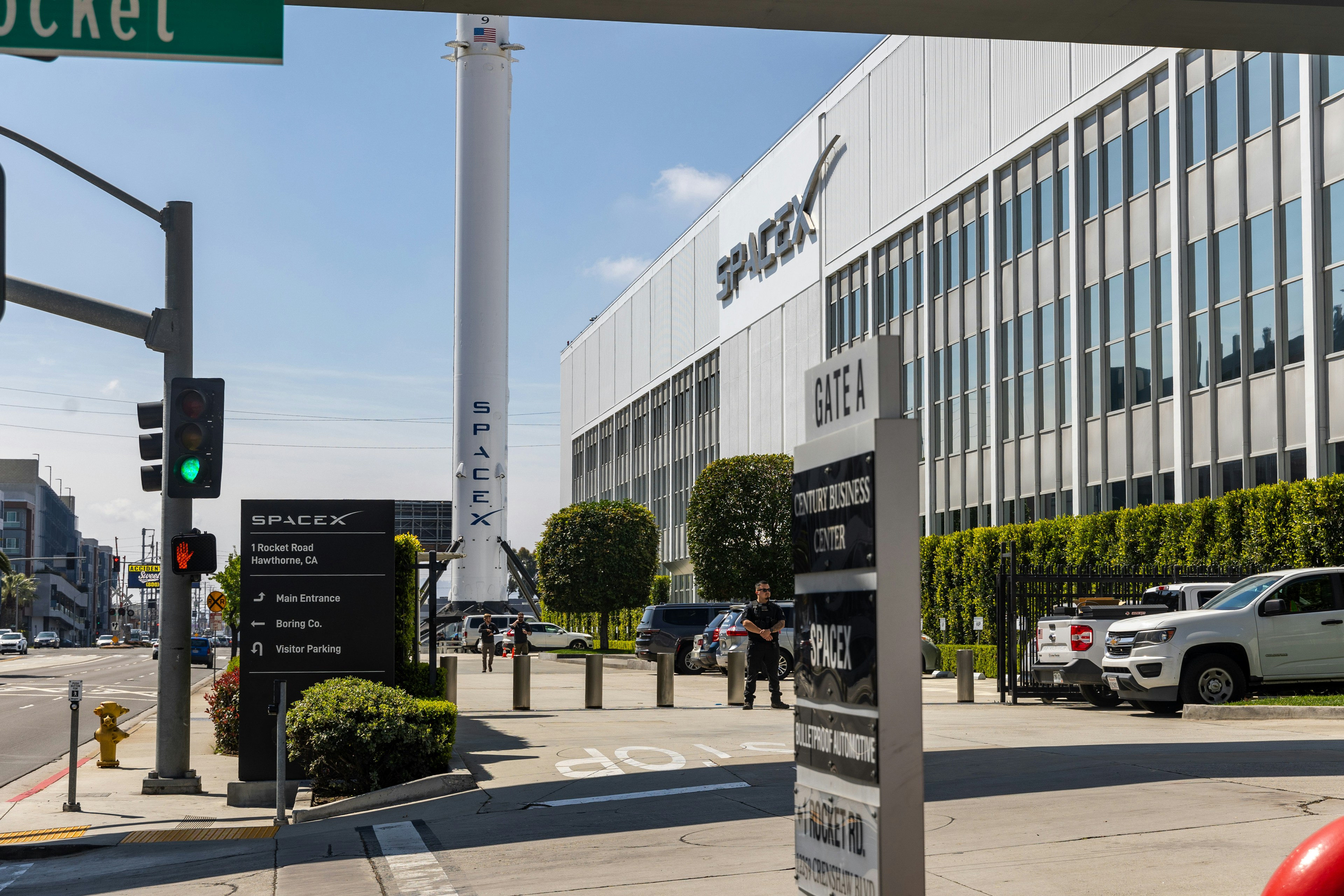
This Week In Space Episode 219 examines SpaceX's expanding military ties as Starlink's constellation tops 12,552 satellites launched.

CENTCOM confirms first-ever combat use of PrSM against Iranian targets. Space Force VP calls for aggressive end strength growth. Artemis II boosters on pad.

Today's Space Brief highlights major developments including NASA's Dream Chaser contract modifications, Germany's significant investment in space capabilities, and advancements in hybrid satcom technology.