



Space Brief 12 Aug 2025
Today's brief covers a groundbreaking national security mission for ULA's Vulcan, NASA's collaboration with LeoLabs for enhanced collision avoidance, and SEOPS' new satellite tracking services, among other key developments.


Launch Date
July 18, 2023
Launch Site
RLLB
Launch Pad
LC1B
Launch Vehicle
Electron
NORAD ID
57393
International Designator
2023-100H
Epoch
Sun, 19 Jul 2026 18:26:08 GMT
Apogee
Calculating...
Perigee
Calculating...
Inclination
99.33°
Right Ascension
123.33°
Eccentricity
Calculating...
Argument of Perigee
128.43°
Period
97.98 min
Mean Motion
14.70 rev/day
Latitude
Calculating...
Longitude
Calculating...
Altitude
Calculating...
Velocity
Calculating...
Name
ELECTRON KICK STAGE R/B
Alternative Name
Electron 39 Kick Stage
Type
Status
Owner
RLABN
Country
New Zealand
Constellation
N/A
Related Satellites
Major Events
N/A
1 57393U 23100H 26200.76814867 .00002517 00000+0 21339-3 0 9995
2 57393 99.3257 123.3276 0303509 128.4296 234.4571 14.69701839160056
Source: Celestrak
Length
0.4
Diameter
1.2
Span
1.2
Dry Mass
40
Launch Mass
40
Shape
Trunc cone
Radar Cross Section
Unknown
Visual Magnitude
Unknown
Color
Unknown
Material Composition
Unknown
Payload
Electron Kick Stage
Purpose
Unknown
Mission
Unknown
Manufacturer
RLABN
Life Expectancy
Unknown
Bus
Kick Stage
Configuration
Unknown
Motor
Curie
Equipment
Unknown
Power System
Unknown
ADCS
Unknown
Transmitter Frequency
Unknown
Learn more about satellites and other related topics.
Today's brief covers a groundbreaking national security mission for ULA's Vulcan, NASA's collaboration with LeoLabs for enhanced collision avoidance, and SEOPS' new satellite tracking services, among other key developments.
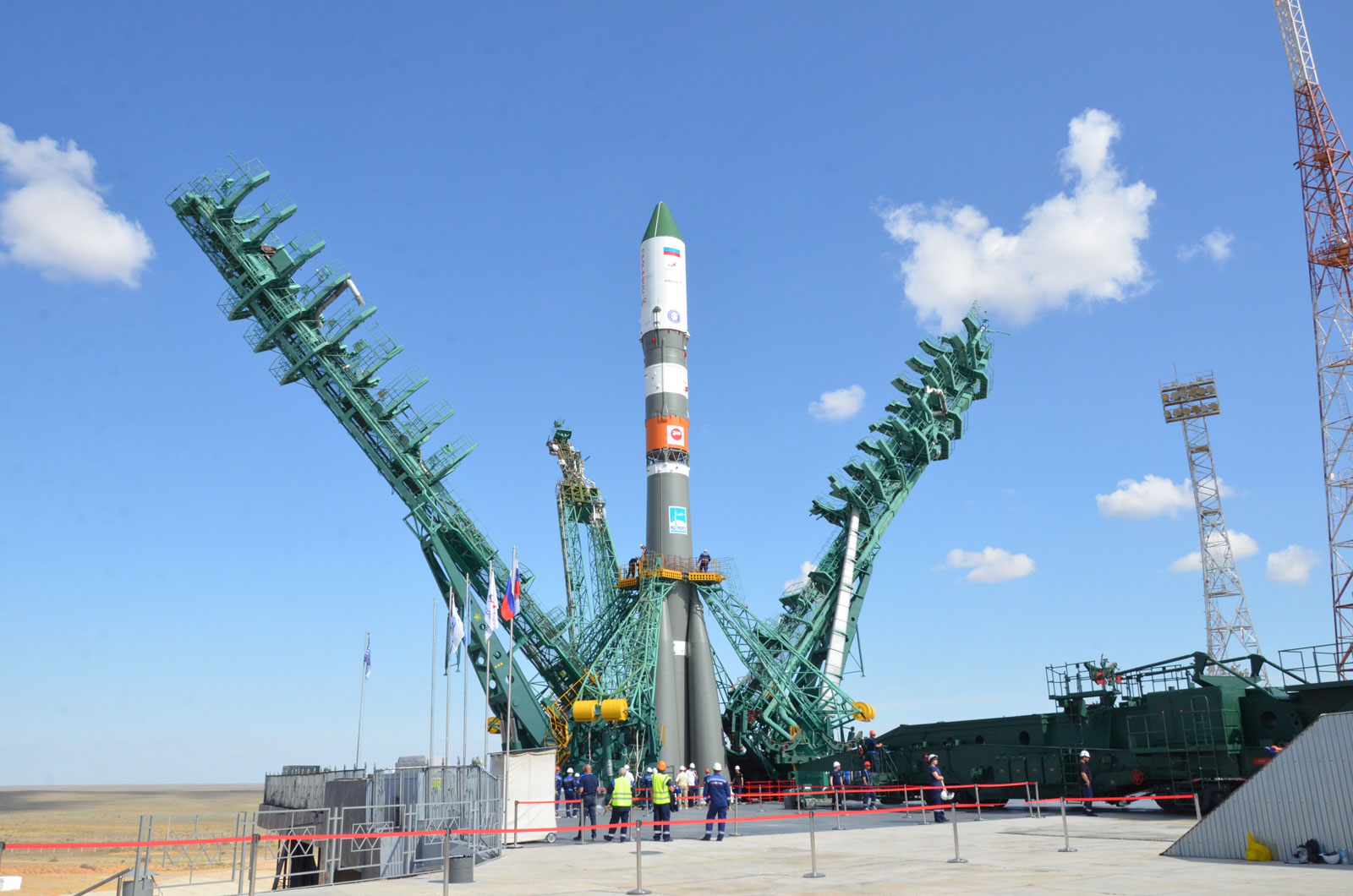
Northrop Grumman takes $71M charge over Vulcan solid rocket booster anomaly, grounding ULA's vehicle. Vulcan manifest timelines now in holding pattern pending resolution.

Today's key space events include SpaceX's launch of the secretive X-37B military drone, XTAR's U.S. defense market strategy, and China's space station AI upgrade.
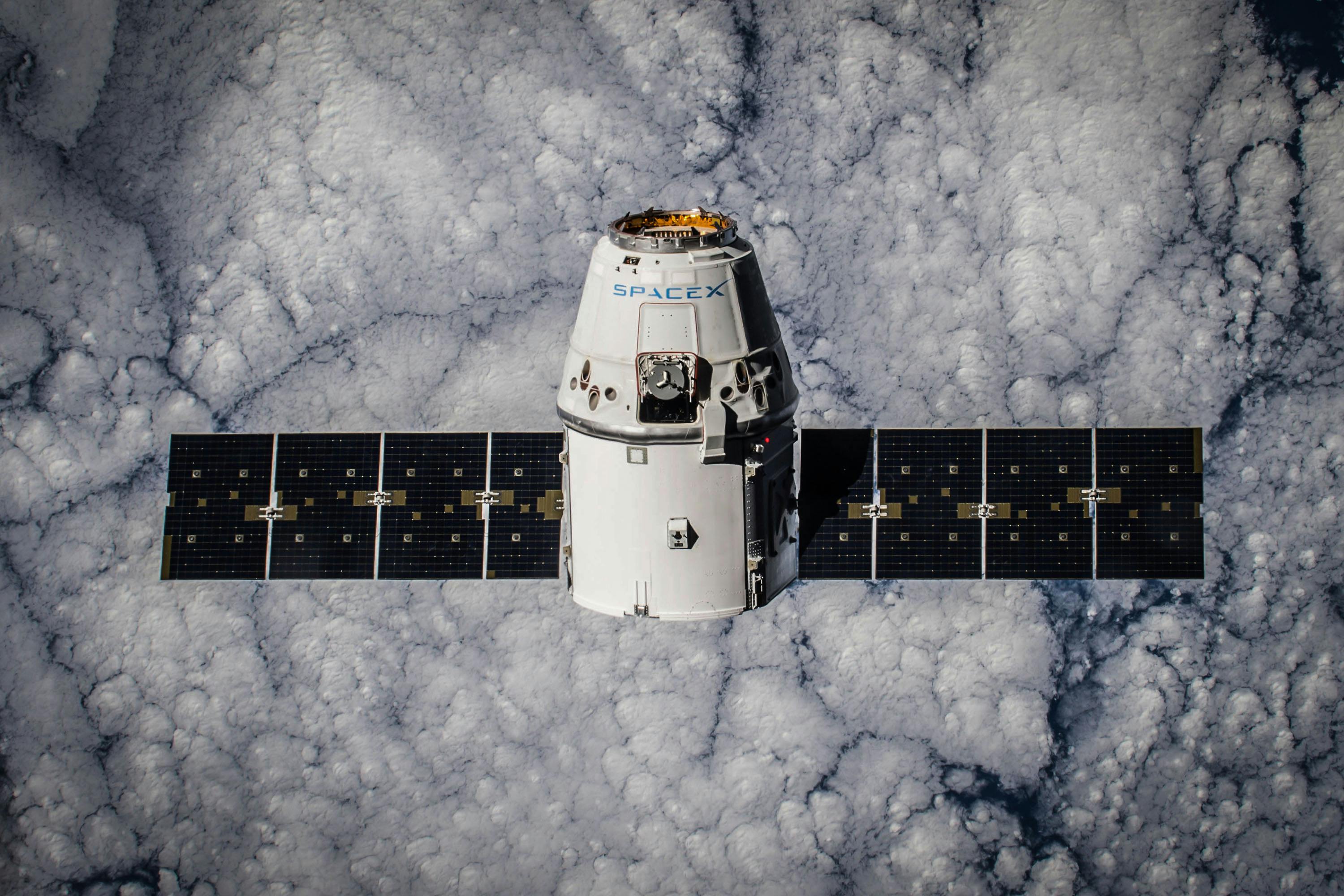
Exciting advancements from SpaceX include the debut of a new Dragon capsule for Axiom Space, continued Starlink deployments, and significant shifts in U.S. rural broadband funding that could benefit Starlink.
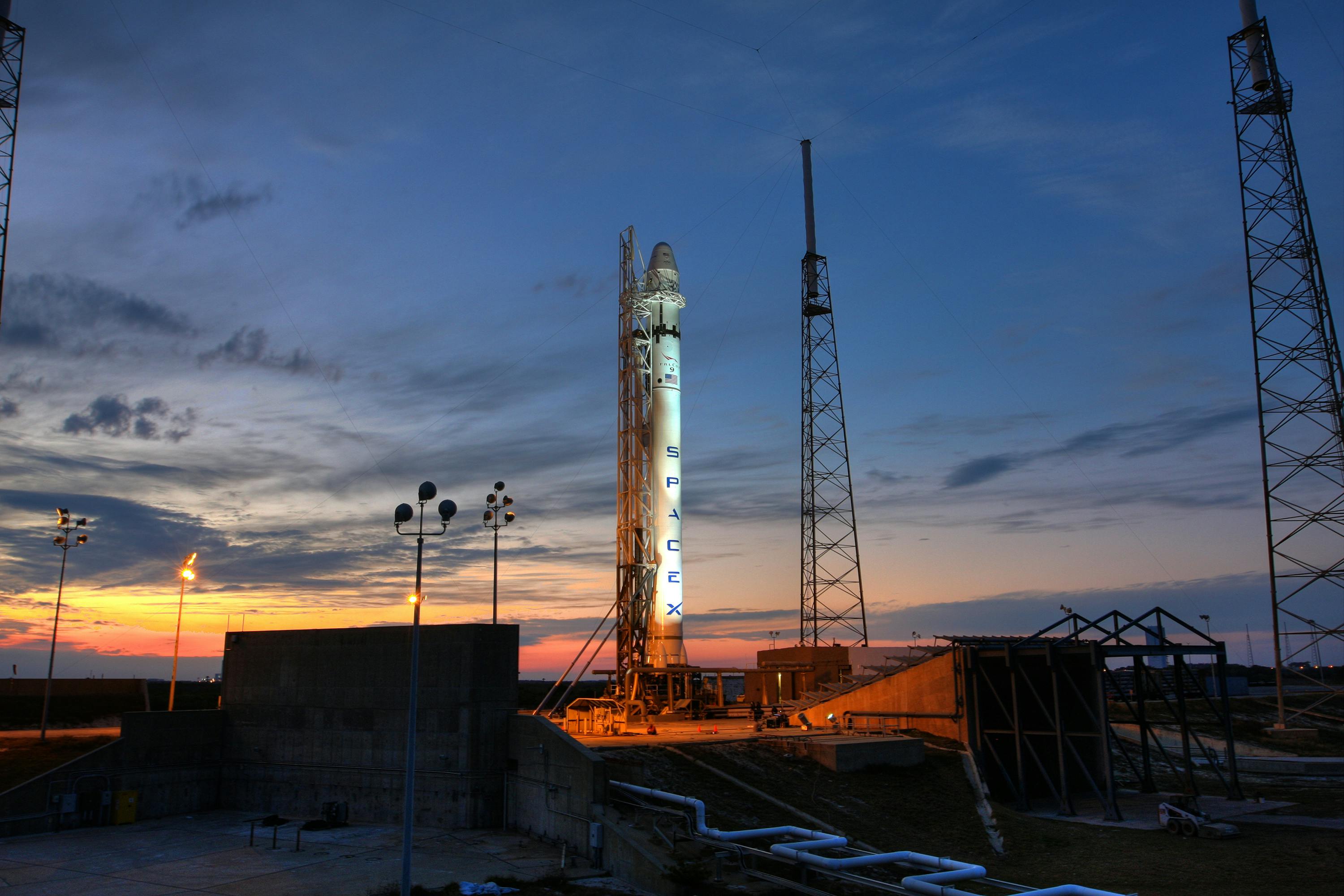
SpaceX successfully launched 29 Starlink satellites, bolstering its broadband network and expanding global internet coverage.

Today's highlights include China's launch of the Shijian-25 for on-orbit refueling tests, major Pentagon contracts for solid rocket motors and hypersonic testing, and the US Space Force's record-setting year of launches.
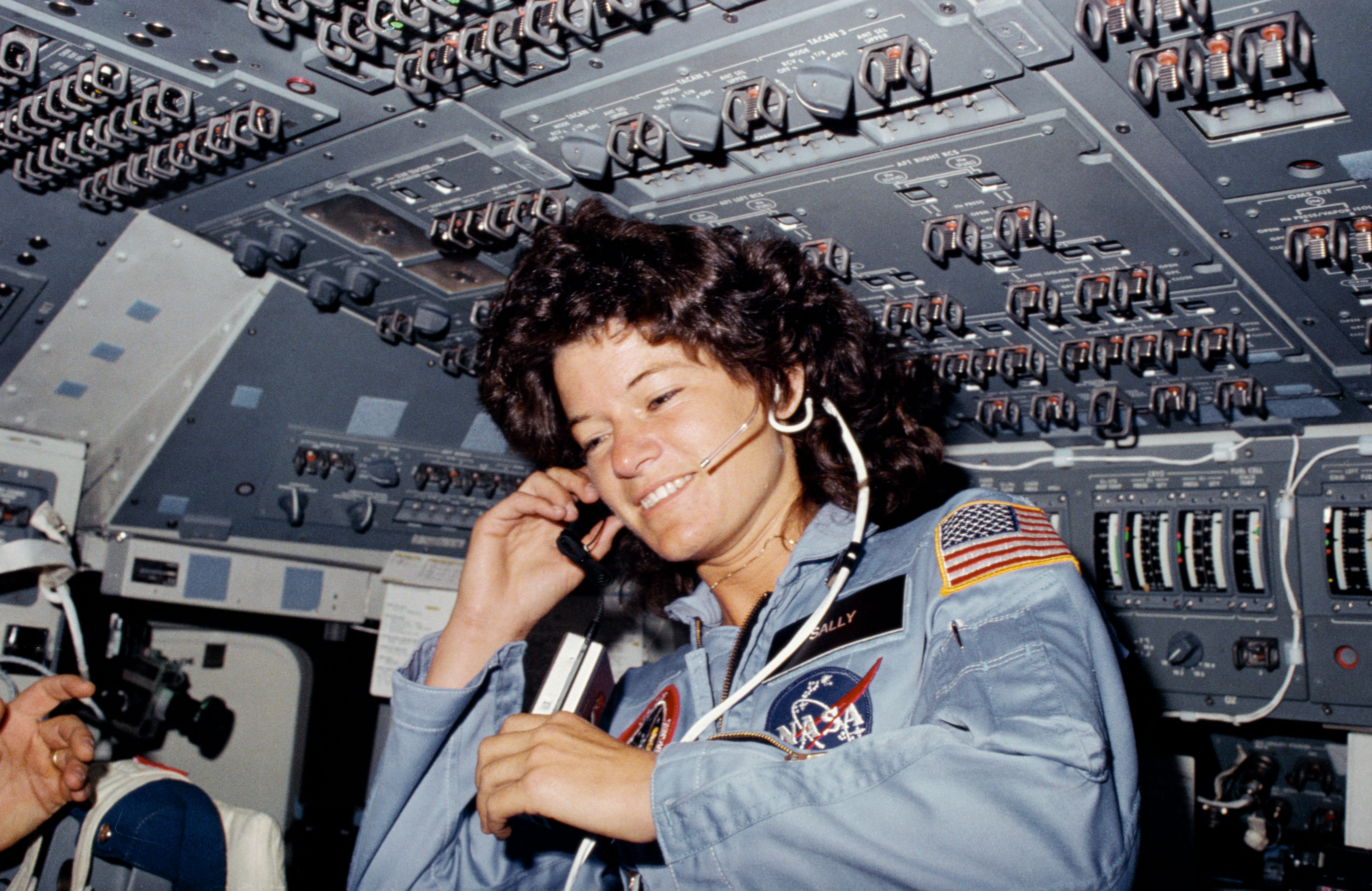
At 7:33 on the morning of 18 June 1983, a 32-year-old astrophysicist named Sally Ride rode Challenger off Pad 39A and became the first American woman in space. She got there two decades after the Soviets, and only after months of being asked whether spaceflight would damage her reproductive organs and whether she planned to cry.
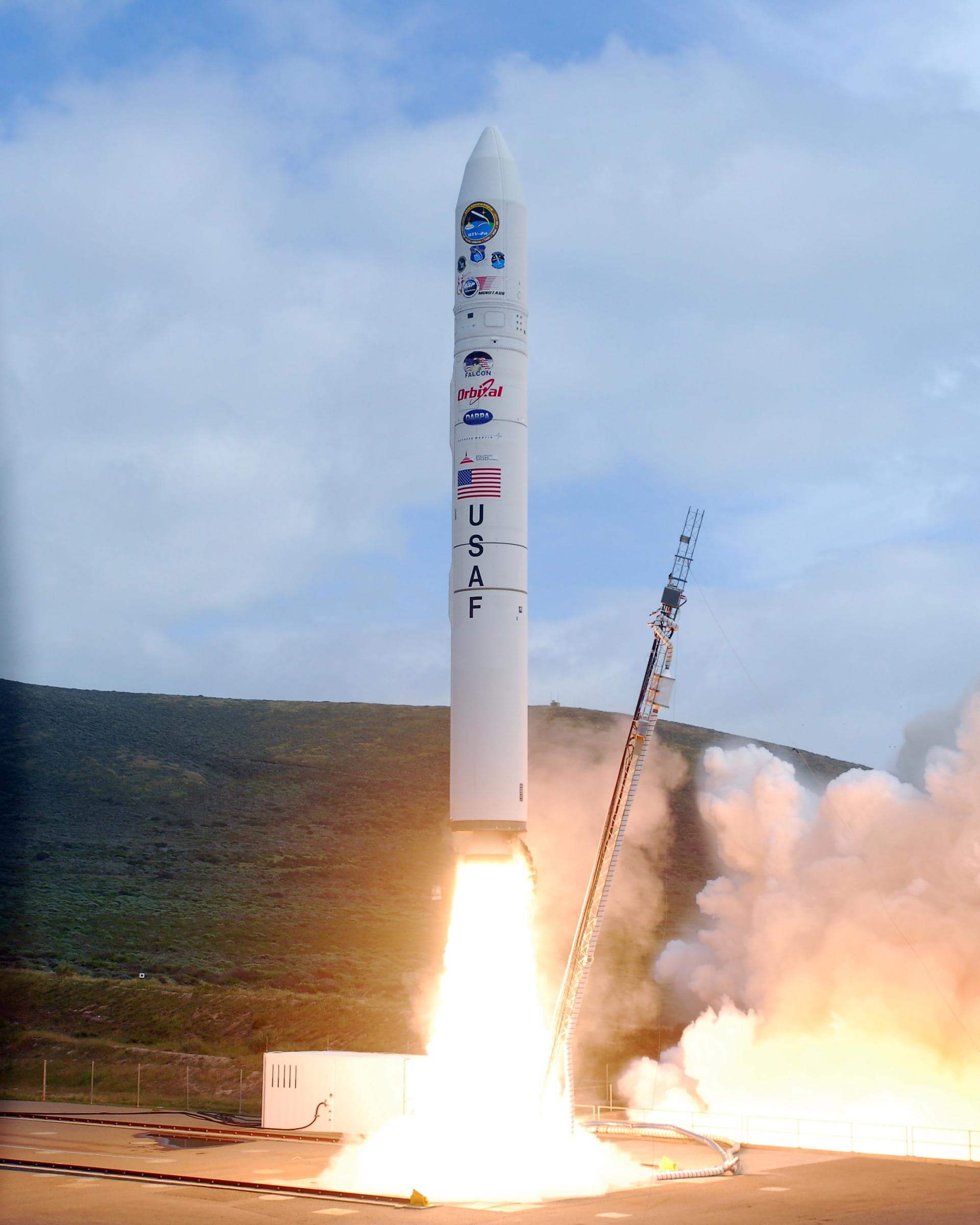
Today's brief covers strategic alignments in U.S. military space operations, a landmark missile defense program, and advances in secure satellite communications.