STARLINK-30233 (57302)

COSPAR: 2023-096N | Alt Name: Starlink 30233

Image
STARLINK-30233 Satellite Image
Additional Sources
Launch Details

Launch Date

July 10, 2023

Launch Pad

LC40

Launch Vehicle

Falcon 9

Orbital Elements

NORAD ID

57302

International Designator

2023-096N

Epoch

Sun, 19 Jul 2026 21:13:07 GMT

Apogee

Calculating...

Perigee

Calculating...

Inclination

43.00°

Right Ascension

196.69°

Eccentricity

Calculating...

Argument of Perigee

274.66°

Period

94.27 min

Mean Motion

15.28 rev/day

Latitude

Calculating...

Longitude

Calculating...

Altitude

Calculating...

Velocity

Calculating...

Polar Plot
3D Visualization
Basic Satellite Info

Name

STARLINK-30233

Alternative Name

Starlink 30233

Type

Payload

Status

Operational

Owner

SPXS

Country

United States

Constellation

N/A

Related Satellites

Major Events

N/A

Latest TLEs
1 57302U 23096N   26200.88411831  .00000430  00000+0  25141-4 0  9994
2 57302  43.0004 196.6893 0001253 274.6608  85.4101 15.27576678166934

Source: Celestrak

Summary
The STARLINK-30233 satellite, also known as Starlink 30233, is a communication satellite belonging to the Starlink v2 Mini configuration and was launched on July 10, 2023. It has dimensions of 0.3 meters in length, 4.1 meters in diameter, and spans 29 meters. The dry mass of the satellite is 700 kilograms with a launch mass of 730 kilograms. It was manufactured by SPXS and launched from LC40 at AFETR using a Falcon 9 launch vehicle. Equipped with Ku/Ka/E-band payload capabilities and an optical inter-satellite link, it utilizes solar arrays and batteries for power and argon ion thrusters as its motor system. The satellite is part of the Starlink Group 6-5-13 constellation and was placed into stable orbit on July 10, 2023 at approximately 05:04 UTC.

Starlink is a satellite constellation developed by SpaceX with the aim of providing global broadband internet coverage. Thousands of small satellites are deployed in low Earth orbit (LEO), enabling high-speed internet access even in remote areas. However, the rapid increase in satellites raises concerns about space debris and the potential for collisions, which can lead to further debris creation and endanger other spacecraft. Additionally, the sheer number of Starlink satellites can affect astronomical observations by increasing light pollution. Proper deorbiting plans and international coordination are essential to mitigate these challenges and ensure long-term sustainability in space.
Physical Characteristics

Length

0.3

Diameter

4.1

Span

29

Dry Mass

700

Launch Mass

730

Shape

Box + pan

Radar Cross Section

Unknown

Visual Magnitude

Unknown

Color

Unknown

Material Composition

Unknown

Technical Details

Payload

Starlink Group 6-5-13

Purpose

Communication

Mission

Communication

Manufacturer

SPXS

Life Expectancy

Unknown

Bus

Starlink V2M

Configuration

Starlink v2 Mini

Motor

Argon ion thrusters

Equipment

Ku/Ka/E-band payload, optical inter-satellite link

Power System

Solar arrays, batteries

ADCS

Unknown

Transmitter Frequency

Unknown

Map
This tool will help you track the satellite's position and predict its upcoming passes over your location. Simply input the coordinates or click the geolocation button to get started.
Next Pass
Azimuth Elevation Time (Local)
Start Azimuth
Max Elevation
Stop Azimuth
Time Until
Pass Duration

Satellite Articles

View All Posts »

Learn more about satellites and other related topics.

The Day the Navy's Eyes Reached Orbit

The Day the Navy's Eyes Reached Orbit

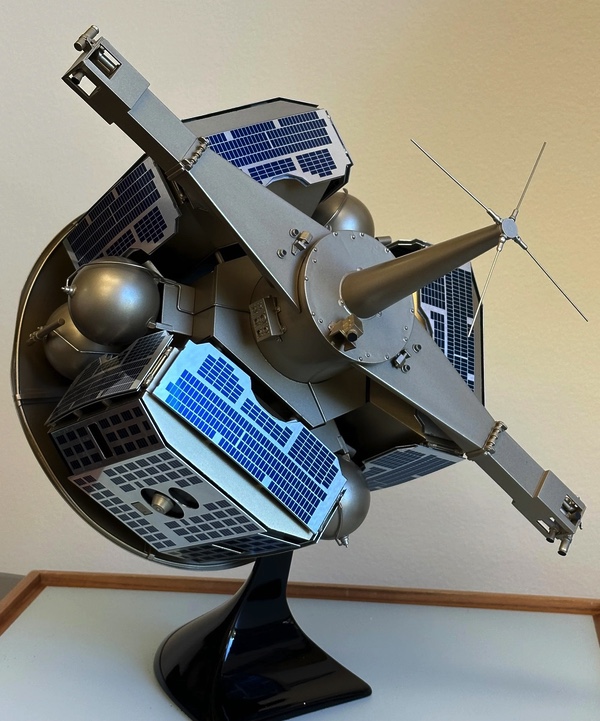
Forty-two years ago, an Atlas H rocket climbed into the California sky carrying four objects that would help the U.S. Navy track every Soviet warship on the planet - a mission so secret that even the satellites' true name wasn't declassified until 2023
The Telescope That Needed Glasses

The Telescope That Needed Glasses

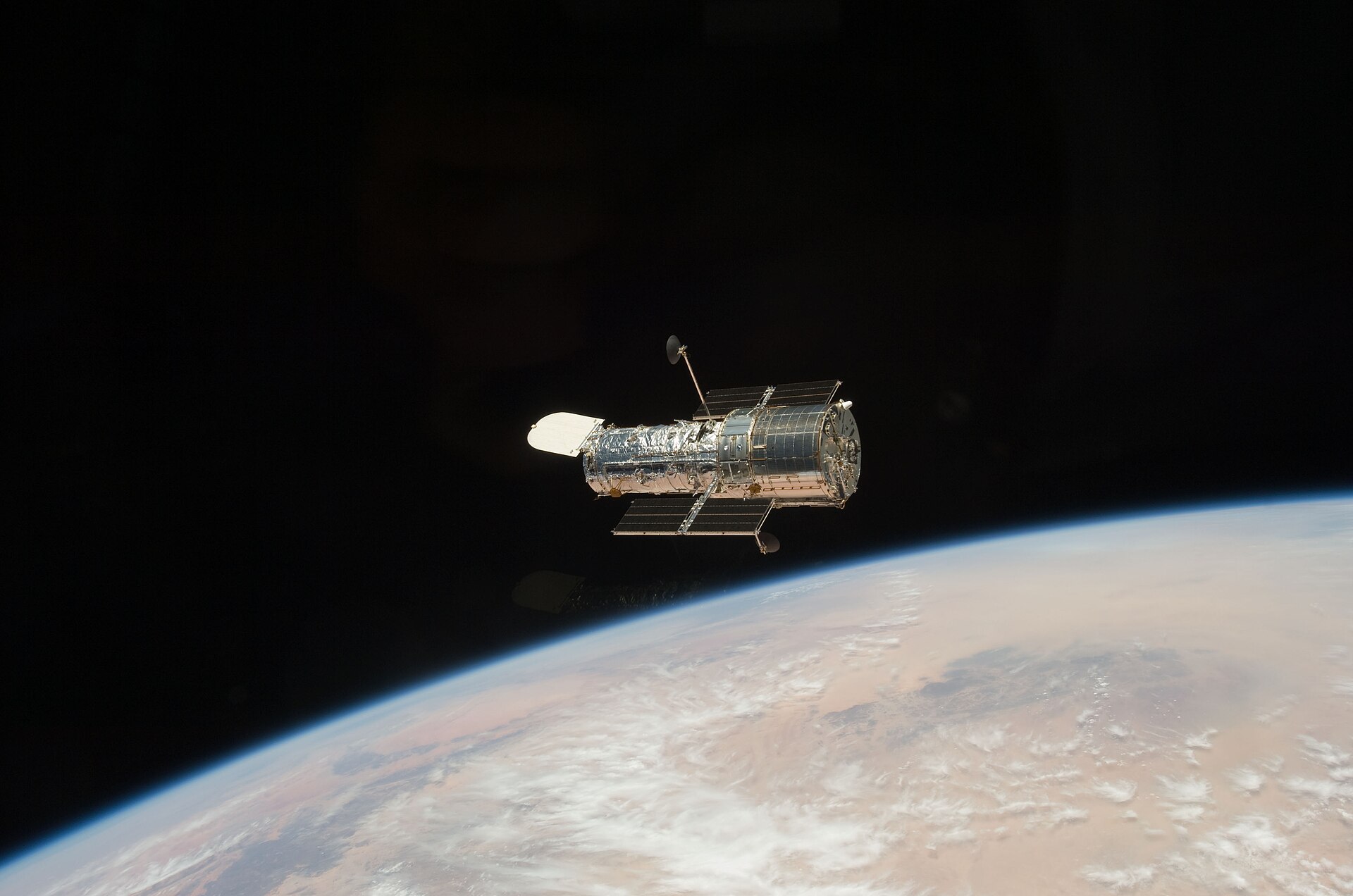
On April 25, 1990, the Space Shuttle Discovery's robotic arm lifted a 11,110-kilogram barrel of mirrors and instruments out of the payload bay and released it into orbit. Six weeks later, the first images came back badly out of focus. The Hubble Space Telescope had been ground to the wrong prescription, and America had just spent $2.5 billion on what the press was calling a 'technoturkey.'

Space Brief 1 Apr 2025

Space Brief 1 Apr 2025

Today's brief covers the U.S. Space Force's orbital carrier initiative, ULA Vulcan's approval for military launches, Rocket Lab's new contract with the Space Force, integrated data layers for military command, and advances in tactical surveillance.

X Report 2 Jul 2025

X Report 2 Jul 2025

SpaceX achieved significant milestones with the launch of its 500th Falcon 9 rocket and the deployment of a European weather satellite, showcasing its ongoing impact in space exploration and satellite technology.

Space Brief 24 Aug 2024

Space Brief 24 Aug 2024

Blue Origin prepares for New Shepard flight, SpaceX completes second launch tower, Supreme Court ruling impacts space debris regulations, and updates on lunar habitats and NASA personnel. Plus, featuring CAPELLA-13 (ACADIA) as our Satellite of the Day.

Space Brief 7 Nov 2024

Space Brief 7 Nov 2024

Today's Space Brief covers major upcoming launches from SpaceX, US military missile tests, and developments in Virgin Galactic's fleet expansion. Stay informed on key satellite events and launch updates.

The 10 Most Iconic Satellites Still in Space

The 10 Most Iconic Satellites Still in Space

Let's look at the legacy of space exploration with the 10 most iconic satellites still orbiting Earth.

Space Brief 26 Oct 2025

Space Brief 26 Oct 2025

Today's brief covers a new Space Force contract for advanced tracking systems, innovative debris removal strategies, pivotal new satellite launches, and significant updates in air quality tracking from orbit.