



JSC Vimpel
An analysis of Russia's independent space tracking system and how it compares to the established U.S. Space Surveillance Network


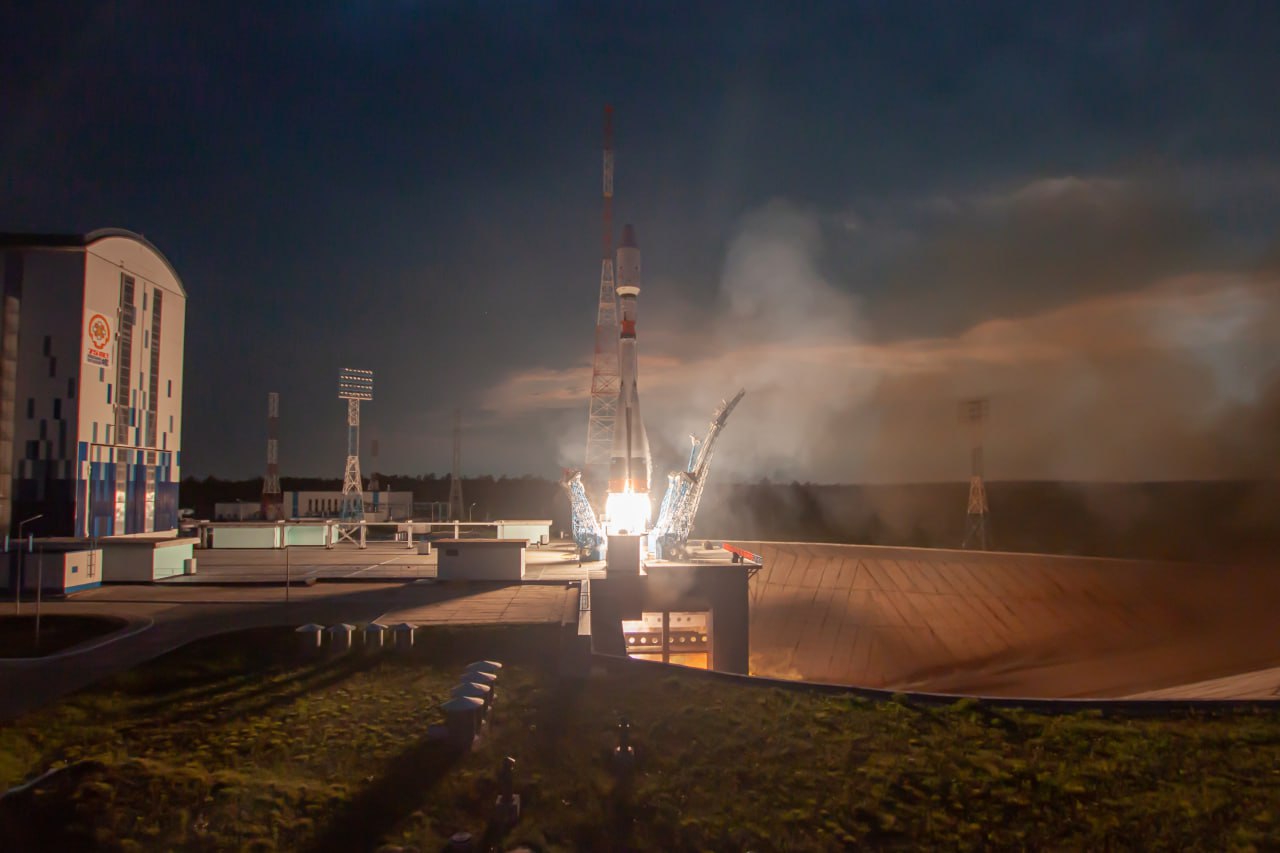
Launch Date
June 27, 2023
Launch Site
VOSTO
Launch Pad
PU1S
Launch Vehicle
Soyuz-2-1B
NORAD ID
57196
International Designator
2023-091AG
Epoch
Sun, 19 Jul 2026 19:35:09 GMT
Apogee
Calculating...
Perigee
Calculating...
Inclination
97.51°
Right Ascension
268.31°
Eccentricity
Calculating...
Argument of Perigee
337.25°
Period
93.96 min
Mean Motion
15.33 rev/day
Latitude
Calculating...
Longitude
Calculating...
Altitude
Calculating...
Velocity
Calculating...
Name
HORS 2
Alternative Name
Khors No. 2
Type
Status
Owner
BAUM
Country
Russia
Constellation
N/A
Related Satellites
Major Events
N/A
1 57196U 23091AG 26200.81608602 .00007128 00000+0 22865-3 0 9997
2 57196 97.5066 268.3055 0006395 337.2529 22.8428 15.32628460169522
Source: Celestrak
Apologies, there is no summary for this satellite yet. I am working to generate these for every object in the catalog, but it is going to take time.
Length
0.3
Diameter
0.2
Span
0.3
Dry Mass
10
Launch Mass
10
Shape
Box
Radar Cross Section
Unknown
Visual Magnitude
Unknown
Color
Unknown
Material Composition
Unknown
Payload
Khors No. 2
Purpose
Unknown
Mission
Unknown
Manufacturer
BAUM
Life Expectancy
Unknown
Bus
Cubesat 6U
Configuration
Unknown
Motor
Unknown
Equipment
Unknown
Power System
Unknown
ADCS
Unknown
Transmitter Frequency
Unknown
Learn more about satellites and other related topics.
An analysis of Russia's independent space tracking system and how it compares to the established U.S. Space Surveillance Network

Iran successfully struck U.S. aircraft in Saudi Arabia despite maxed-out defensive posture. Space Force ISR and missile warning gaps exposed. Tracking impacts.

Thirty-five years ago, NASA's Galileo spacecraft made a crucial flyby of Venus, pioneering a complex path through the inner solar system that would revolutionize planetary exploration

SpaceX officially acquires xAI for orbital data centers. Amazon buys 10 additional Falcon 9 launches for Project Kuiper. Starlink helps Iranian protesters bypass blackout.

Today's brief highlights the launch of United Airlines' Starlink Wi-Fi on passenger flights, updates on Starship development, and SpaceX's push to position Starlink as a GPS alternative in recent FCC discussions.
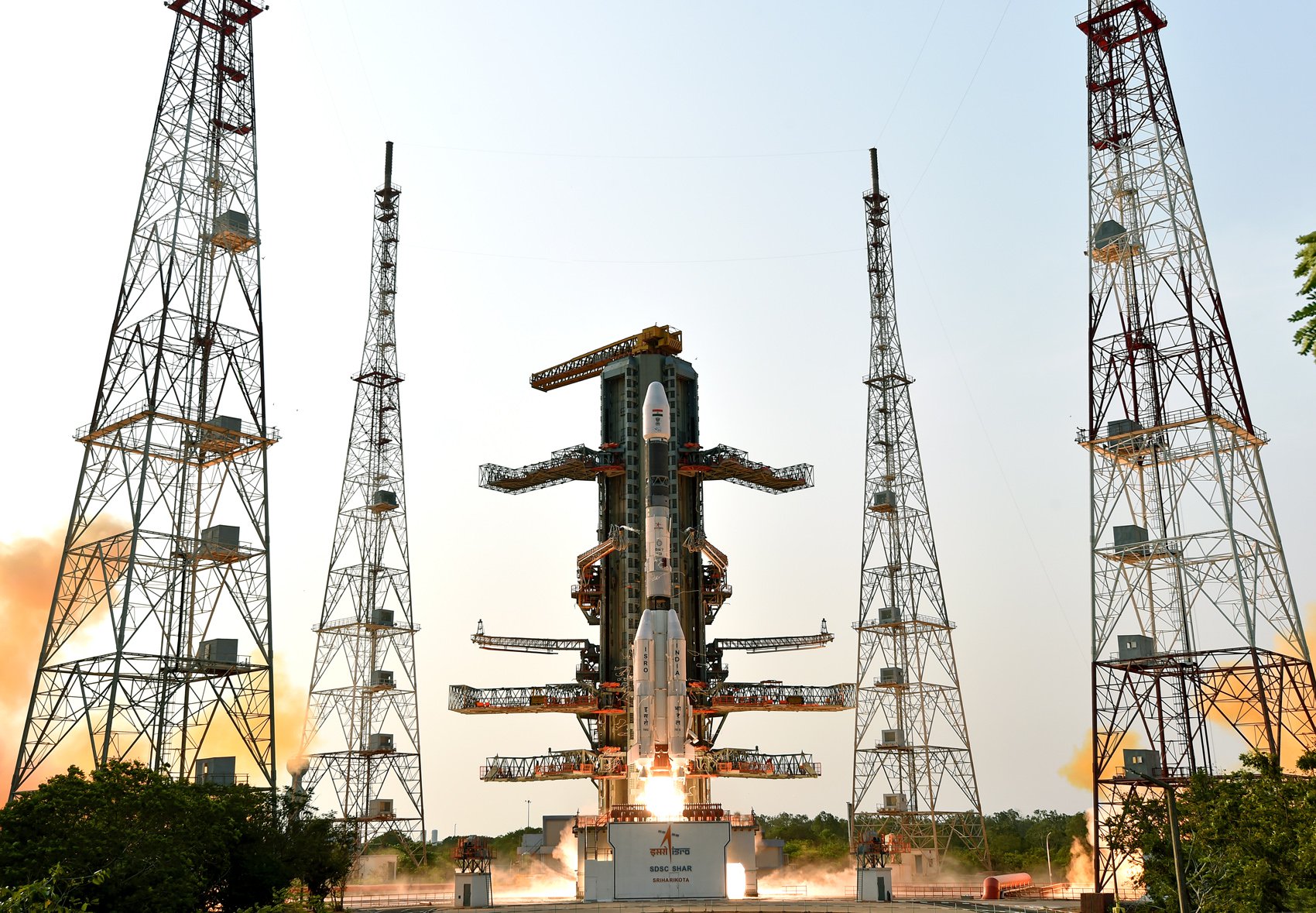
Today's brief covers China's Tianzhou-9 launch to the Tiangong space station, the U.S. Space Force's unfunded MILNET project, and the evolving use of AI in military applications.
The evolution from simply tracking objects in orbit to understanding the full strategic picture of who is doing what in space, and why

Falcon Heavy flew for the first time in eighteen months on April 29, 2026, expending its center core to push Viasat's final ViaSat-3 satellite toward geostationary orbit. The mission is a flagship rocket doing what only it can still do, for an operator betting six tons of high-throughput hardware on a market Starlink is rapidly redefining.