


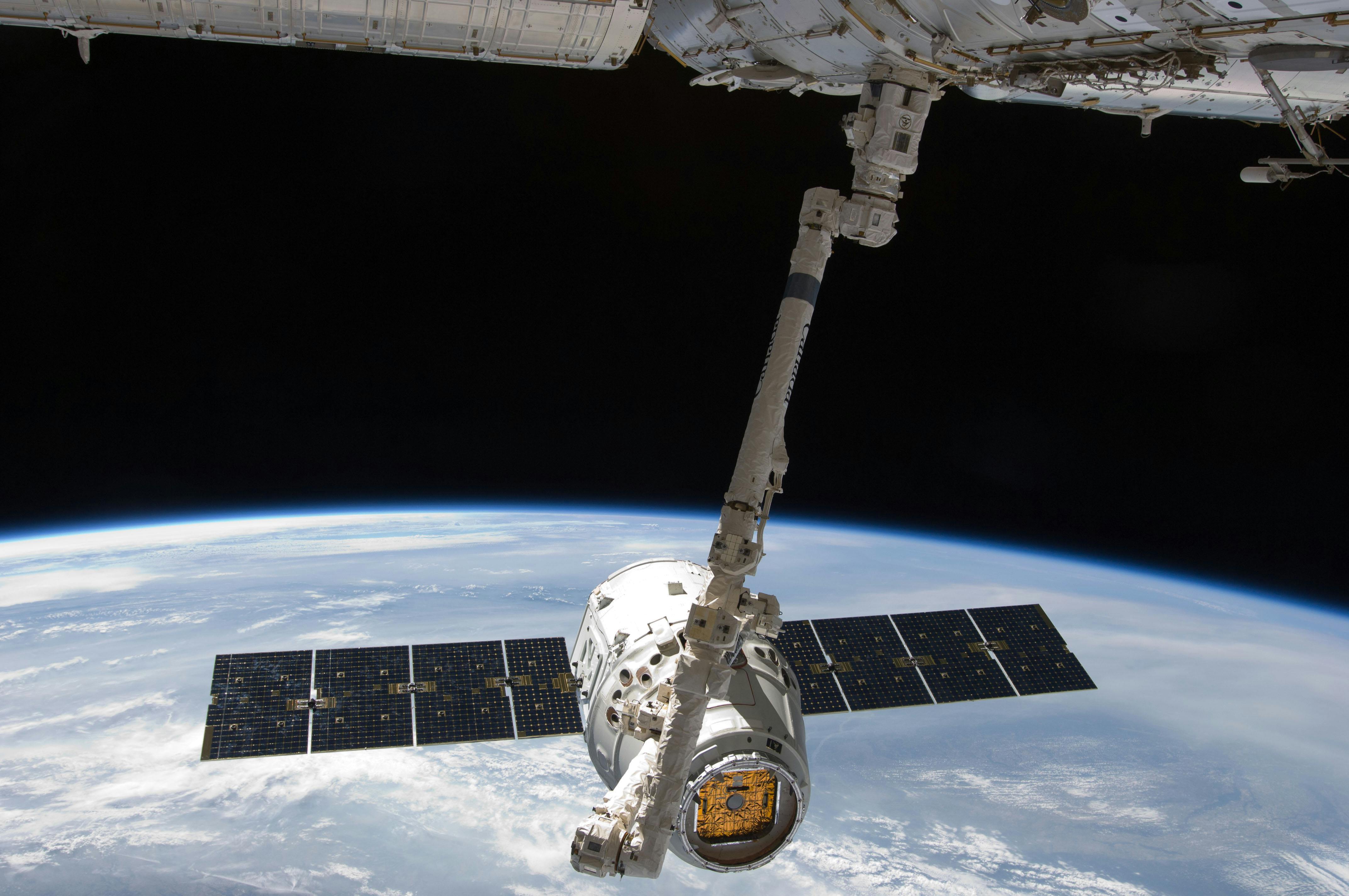
X Report 10 Feb 2025
SpaceX prepares for Starship Flight 8 with successful booster static fire; Starlink continues its expansion.


Launch Date
December 14, 1971
Launch Site
AFWTR
Launch Pad
SLC1W
Launch Vehicle
Thorad SLV-2G Agena D
NORAD ID
05678
International Designator
1971-110A
Epoch
Sat, 04 Jul 2026 04:57:47 GMT
Apogee
Calculating...
Perigee
Calculating...
Inclination
69.99°
Right Ascension
349.41°
Eccentricity
Calculating...
Argument of Perigee
181.36°
Period
104.79 min
Mean Motion
13.74 rev/day
Latitude
Calculating...
Longitude
Calculating...
Altitude
Calculating...
Velocity
Calculating...
Name
OPS 7898 (P/L 1)
Alternative Name
OPS 7898 P/L 1
Type
Status
Owner
NRO/NRL
Country
United States
Constellation
N/A
Related Satellites
Major Events
N/A
1 05678U 71110A 26185.20680494 -.00000032 00000-0 19280-4 0 9991
2 05678 69.9905 349.4051 0007708 181.3578 178.7497 13.74140857359120
Source: Celestrak
Apologies, there is no summary for this satellite yet. I am working to generate these for every object in the catalog, but it is going to take time.
Length
0.8
Diameter
0.6
Span
1.5
Dry Mass
123
Launch Mass
123
Shape
Ell + 2 Ant
Radar Cross Section
Unknown
Visual Magnitude
Unknown
Color
Unknown
Material Composition
Unknown
Payload
POPPY 7 Alfa
Purpose
ELINT, ocean surveillance
Mission
ELINT, ocean surveillance
Manufacturer
Naval Research Laboratory
Life Expectancy
ca. 34 month (average)
Bus
NRL MULTI
Configuration
Unknown
Motor
Ammonia cold gas microthrusters
Equipment
Unknown
Power System
Solar cells, batteries
ADCS
Unknown
Transmitter Frequency
Unknown
Learn more about satellites and other related topics.
SpaceX prepares for Starship Flight 8 with successful booster static fire; Starlink continues its expansion.
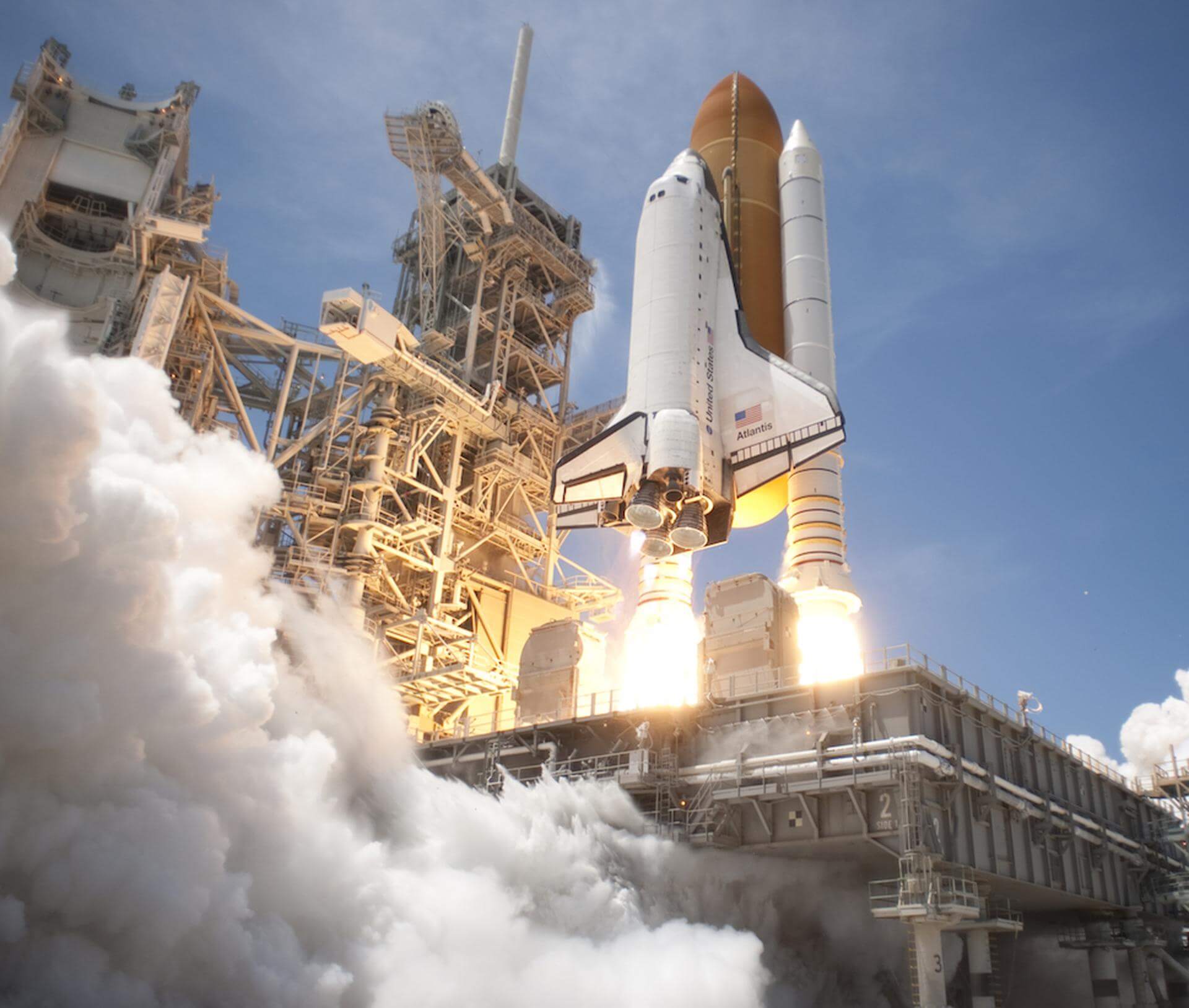
Starcloud files FCC plans for 88,000-satellite orbital data center constellation, matching scale of Starlink and Amazon Kuiper expansions. Massive LEO conjunction risk implications.
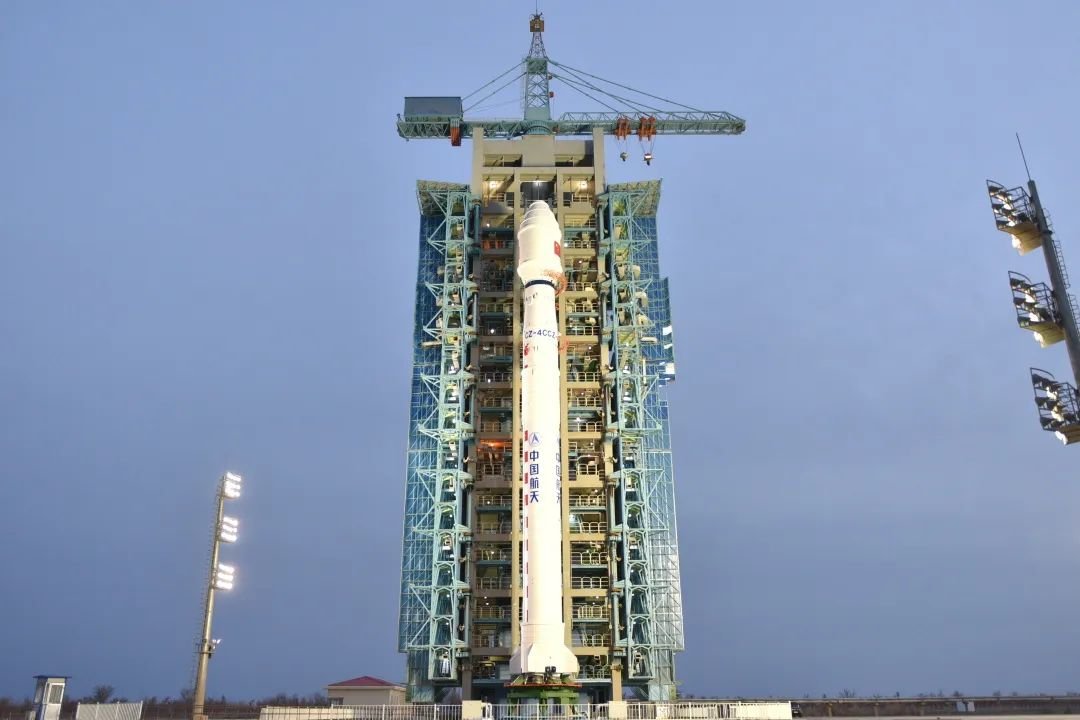
Discover the latest in satellite technology with the launch of the world's first wooden satellite, new test materials for the ISS, and significant developments in orbital space debris.

SpaceX's Falcon Heavy lifts off for the 12th time after 18 months grounded, delivering the final ViaSat-3 satellite from LC-39A at 10:21 a.m. EDT.

Today's space brief covers key developments in satellite monitoring, U.K. defense contracts, and critical licensing reforms supporting national security.

Trump's interim Air Force One—a $400M Boeing 747-8—equipped with Starlink for presidential communications. First confirmed LEO constellation use for White House comms.
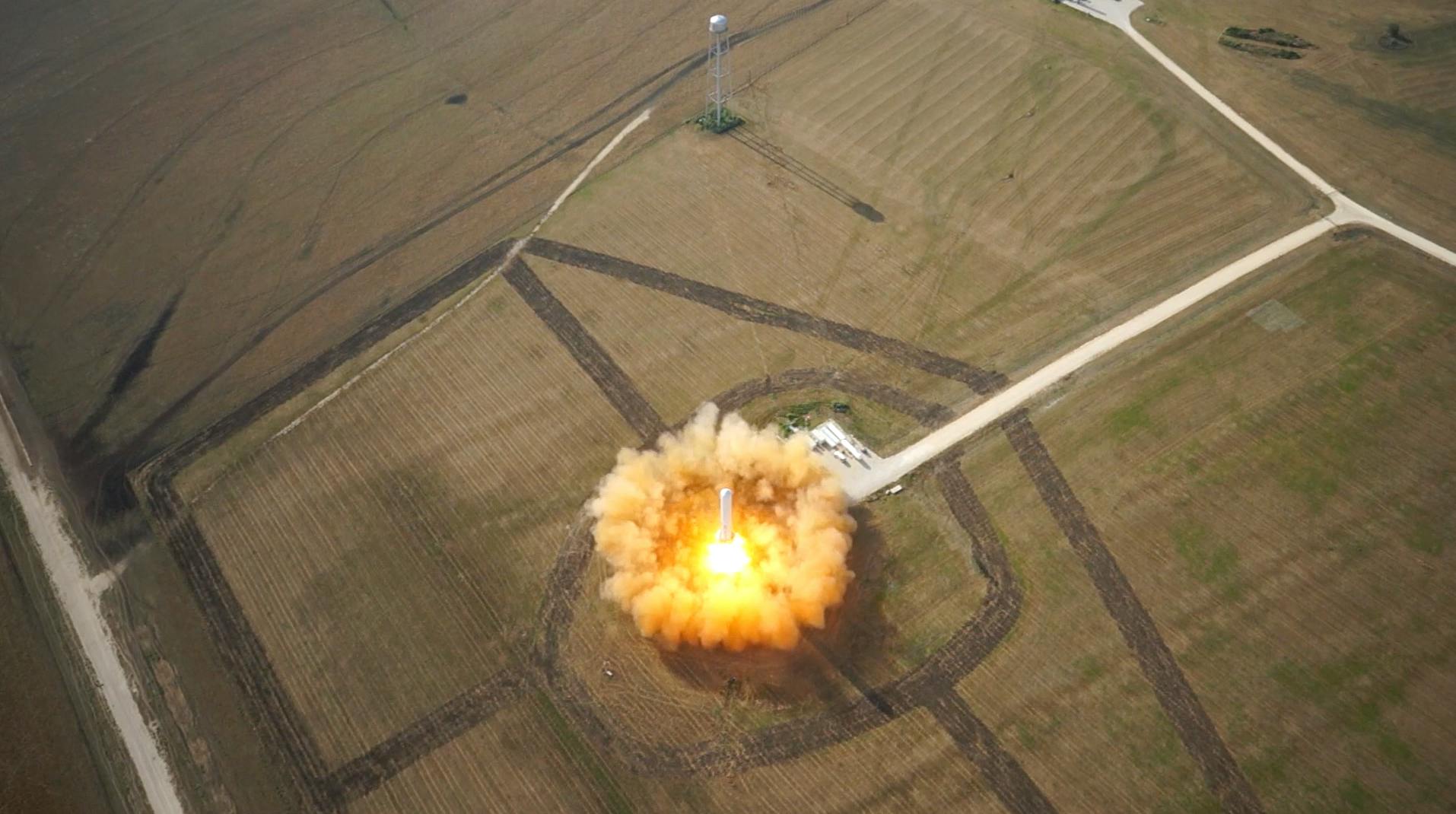
SpaceX surged 19% on Nasdaq debut as Falcon 9 B1093 deployed 24 Starlink satellites — the 1,500th launched in 2026 — while Dragon CRS-34 heads home.
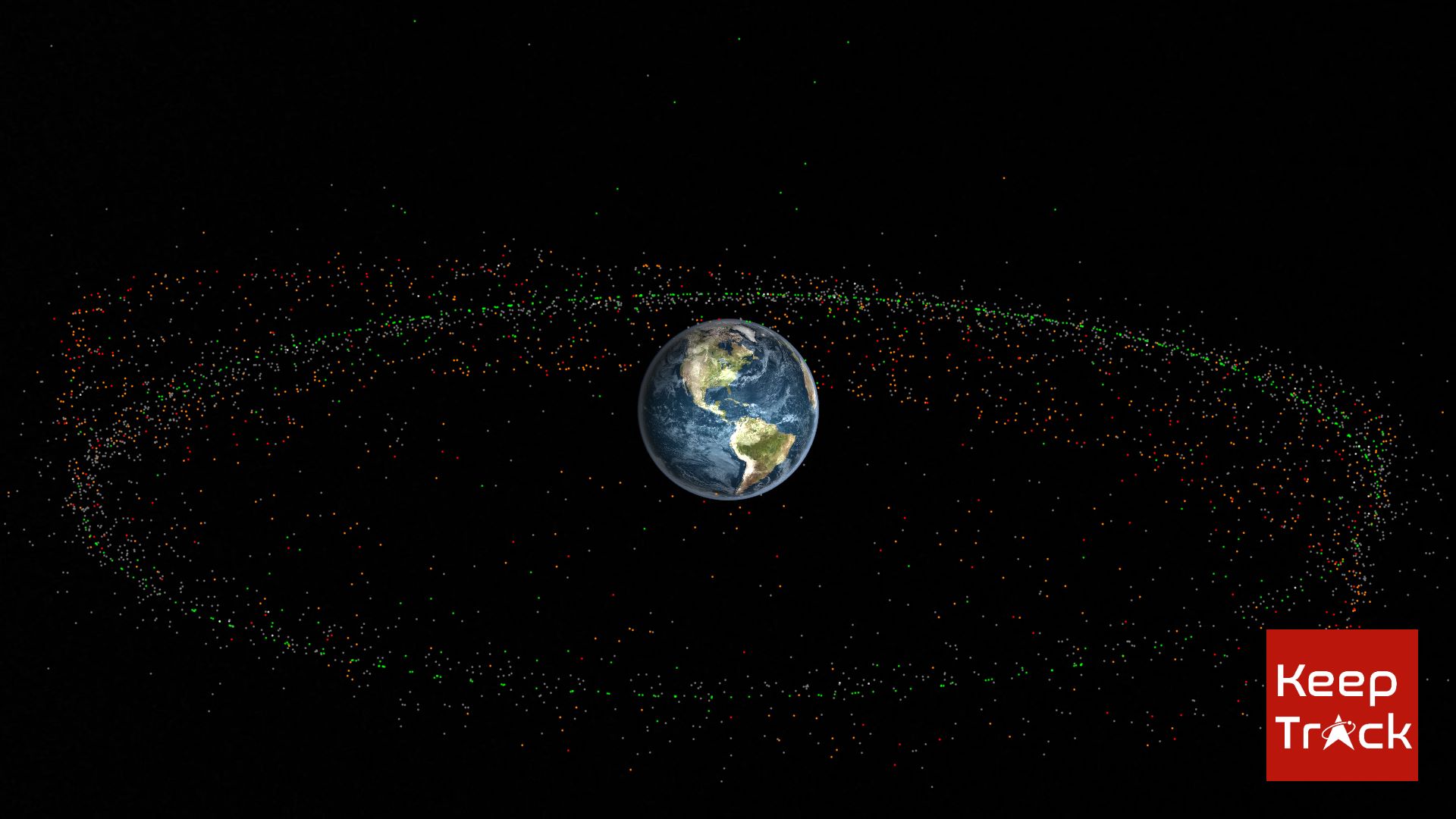
Understanding the unique orbital sweet spot that keeps satellites perfectly positioned above Earth