



Space Brief 12 Aug 2025
Today's brief covers a groundbreaking national security mission for ULA's Vulcan, NASA's collaboration with LeoLabs for enhanced collision avoidance, and SEOPS' new satellite tracking services, among other key developments.


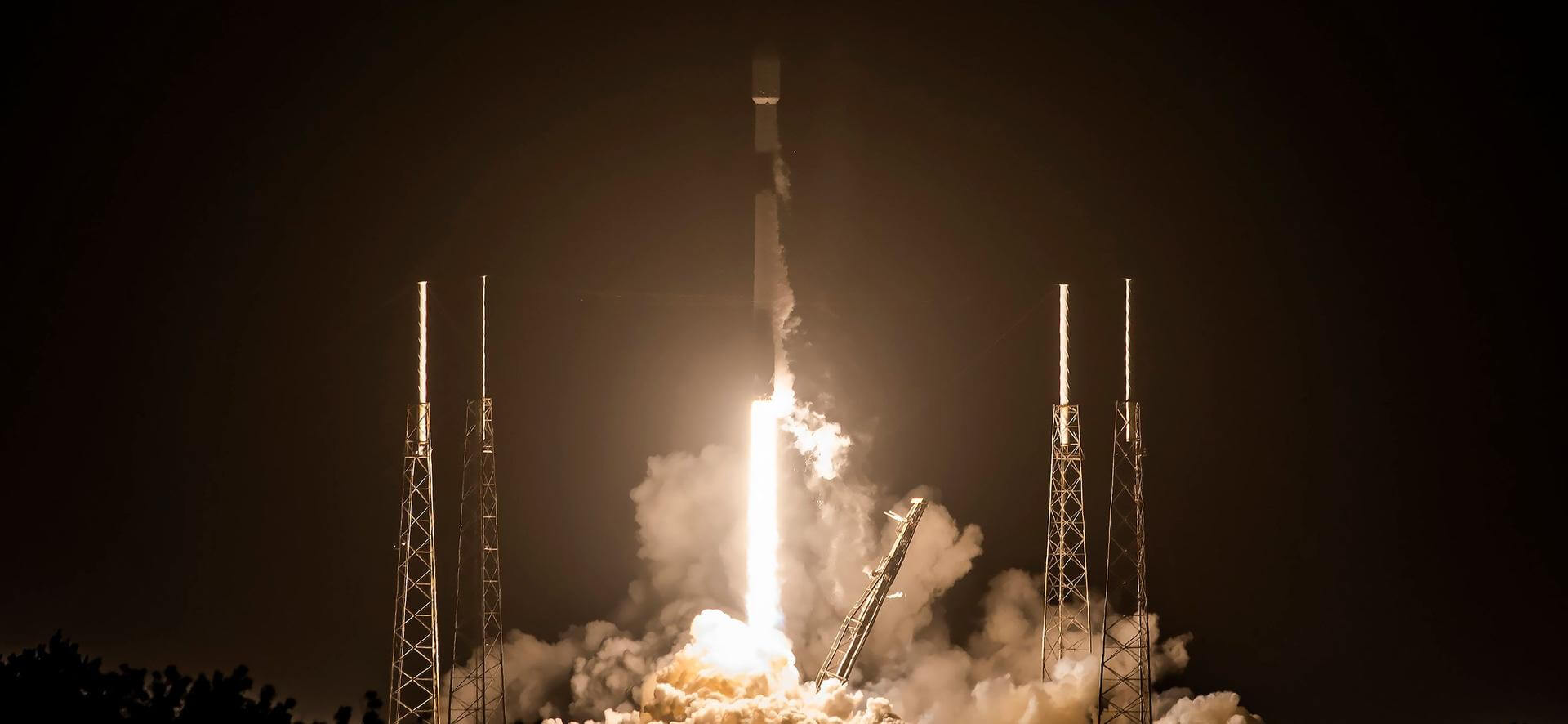
Launch Date
May 27, 2023
Launch Site
Launch Pad
LC40
Launch Vehicle
NORAD ID
56757
International Designator
2023-075A
Epoch
Sun, 19 Jul 2026 20:51:58 GMT
Apogee
Calculating...
Perigee
Calculating...
Inclination
0.08°
Right Ascension
32.77°
Eccentricity
Calculating...
Argument of Perigee
0.69°
Period
1436.10 min
Mean Motion
1.00 rev/day
Latitude
Calculating...
Longitude
Calculating...
Altitude
Calculating...
Velocity
Calculating...
Name
ARABSAT-7B (BADR-8)
Alternative Name
Badr 8
Type
Status
Owner
ARAB
Country
Arabsat
Constellation
N/A
Related Satellites
Major Events
N/A
1 56757U 23075A 26200.86942661 .00000141 00000+0 00000+0 0 9993
2 56757 0.0753 32.7722 0003357 0.6907 243.1667 01.00271524 11441
Source: Celestrak
Length
7
Diameter
3
Span
40
Dry Mass
4200
Launch Mass
4500
Shape
Box + 2 panels
Radar Cross Section
Unknown
Visual Magnitude
Unknown
Color
Unknown
Material Composition
Unknown
Payload
Arabsat 7B
Purpose
Communication
Mission
Communication
Manufacturer
ADSB
Life Expectancy
15 years
Bus
Eurostar Neo
Configuration
Eurostar-Neo
Motor
PPS-5000
Equipment
C- and Ku-band transponders, TELEO
Power System
2 deployable solar arrays, batteries
ADCS
Unknown
Transmitter Frequency
Unknown
Learn more about satellites and other related topics.
Today's brief covers a groundbreaking national security mission for ULA's Vulcan, NASA's collaboration with LeoLabs for enhanced collision avoidance, and SEOPS' new satellite tracking services, among other key developments.

In 2024, China launched 68 orbital missions. In 2025, the number jumped to 97. In 2026, state media and Western analysts agree the target is 140 or more. Most of that growth is being driven by two state-backed mega-constellations, a half-dozen private launch companies hitting stride, and a deliberate national pivot toward commercial space. Beijing is no longer trying to catch SpaceX. It is trying to build an industrial base that outlasts one.
Polaris Dawn's upcoming commercial spacewalk, successful lunar orbit by Chinese spacecraft, and more space news including SpaceX's Starlink mission, RFA's static-fire failure, and advances in satellite technology.

Rocket Lab Neutron launch schedule holds at Q4 2026 for the first flight as a five-launch contract lands; barge recovery starts on flight two.

Tensions between SpaceX and the U.S. government escalate as President Trump's threats could have significant implications on the company's operations and future plans. Meanwhile, India takes a significant step in its space endeavors with a historic astronaut launch.

SpaceX hits a new milestone with 400 rocket landings, beta testing begins for Direct-to-Cell Starlink satellites, and more Starlink launches from California.

On January 26, 2024, Virgin Galactic's "Galactic 06" mission will launch, marking its 11th spaceflight.
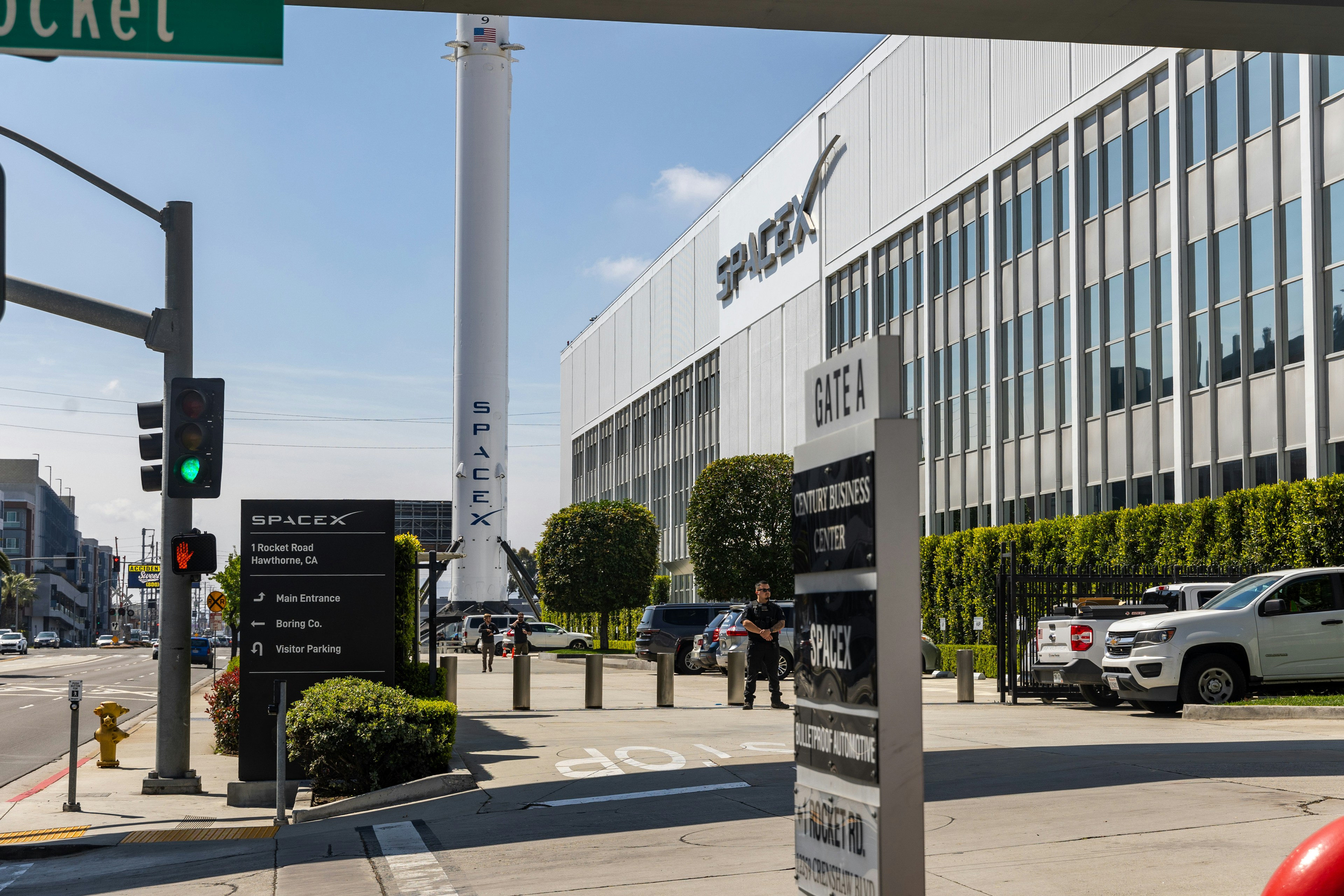
This Week In Space Episode 219 examines SpaceX's expanding military ties as Starlink's constellation tops 12,552 satellites launched.