


Space Brief 23 Nov 2024
Today's highlights include Canada's and Australia's investment in hypersonic defense, China's successful test of an inflatable space module, and Sweden's support of Ukrainian missile and drone production.


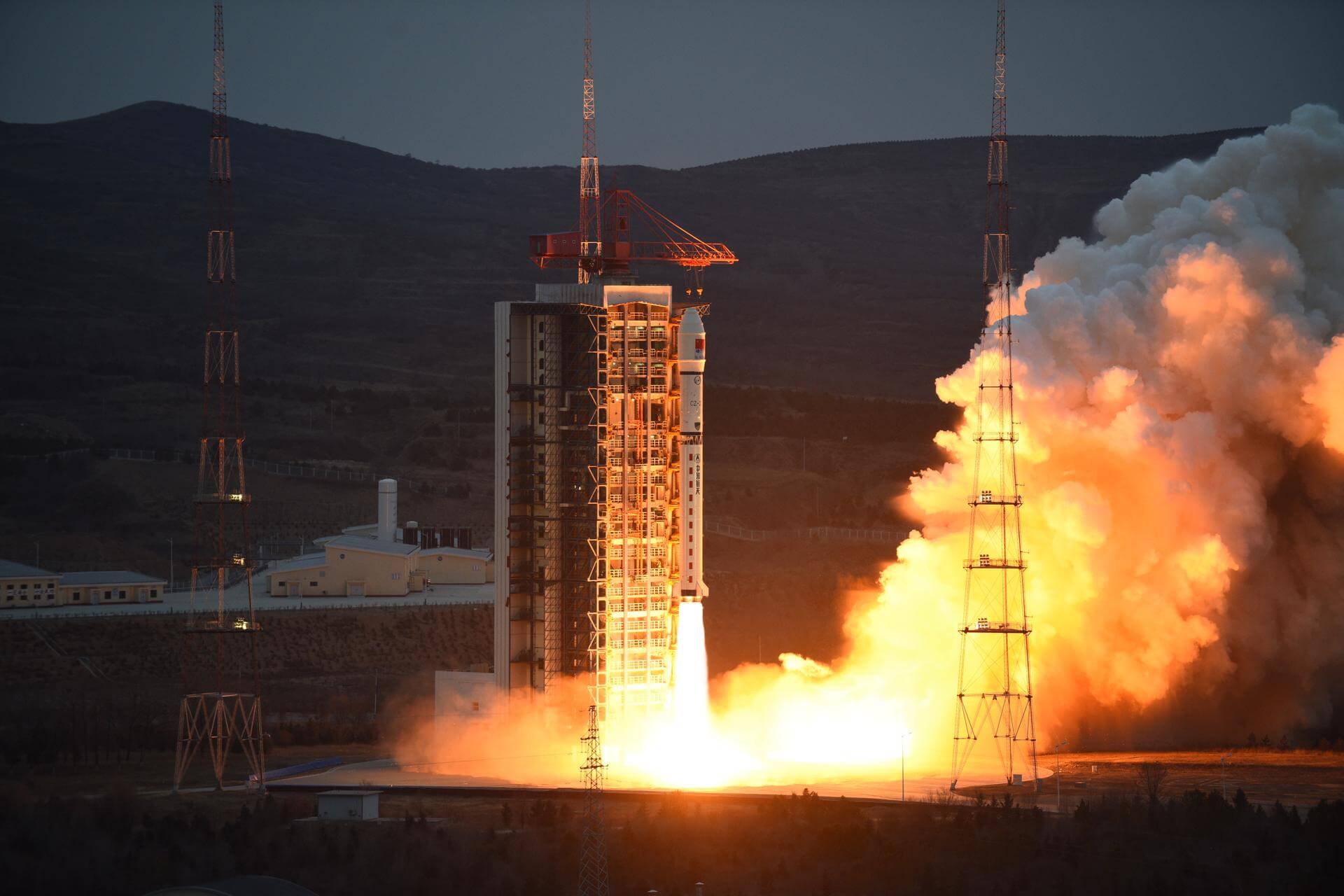
Launch Date
March 30, 2023
Launch Site
TAISC
Launch Pad
LC9
Launch Vehicle
Chang Zheng 2D
NORAD ID
56154
International Designator
2023-047B
Epoch
Sun, 19 Jul 2026 12:48:30 GMT
Apogee
Calculating...
Perigee
Calculating...
Inclination
97.50°
Right Ascension
27.21°
Eccentricity
Calculating...
Argument of Perigee
89.58°
Period
95.09 min
Mean Motion
15.14 rev/day
Latitude
Calculating...
Longitude
Calculating...
Altitude
Calculating...
Velocity
Calculating...
Name
PIESAT B
Alternative Name
Hebi-1
Type
Status
Owner
PIESAT
Country
China
Constellation
N/A
Related Satellites
Major Events
N/A
1 56154U 23047B 26200.53368691 .00000547 00000+0 33439-4 0 9999
2 56154 97.5007 27.2057 0001820 89.5785 270.5655 15.14289859182695
Source: Celestrak
Apologies, there is no summary for this satellite yet. I am working to generate these for every object in the catalog, but it is going to take time.
Length
1
Diameter
1
Span
4
Dry Mass
270
Launch Mass
270
Shape
Box + 2 Pan
Radar Cross Section
Unknown
Visual Magnitude
Unknown
Color
Unknown
Material Composition
Unknown
Payload
PIESAT-2
Purpose
Earth obeservation, radar (active)
Mission
Earth obeservation, radar (active)
Manufacturer
YINHE
Life Expectancy
Unknown
Bus
Piesat
Configuration
Unknown
Motor
?
Equipment
Unknown
Power System
2 deployable solar arrays, batteries
ADCS
Unknown
Transmitter Frequency
Unknown
Learn more about satellites and other related topics.
Today's highlights include Canada's and Australia's investment in hypersonic defense, China's successful test of an inflatable space module, and Sweden's support of Ukrainian missile and drone production.
SpaceX is pushing to launch Starship from Cape Canaveral before end of 2026, with contractors ramping work at LC-39A.
Space Force RCO awarded SBIR contracts for radar-detection payloads to counter adversary surveillance of U.S. satellites. Follow-on miniaturization effort already planned.
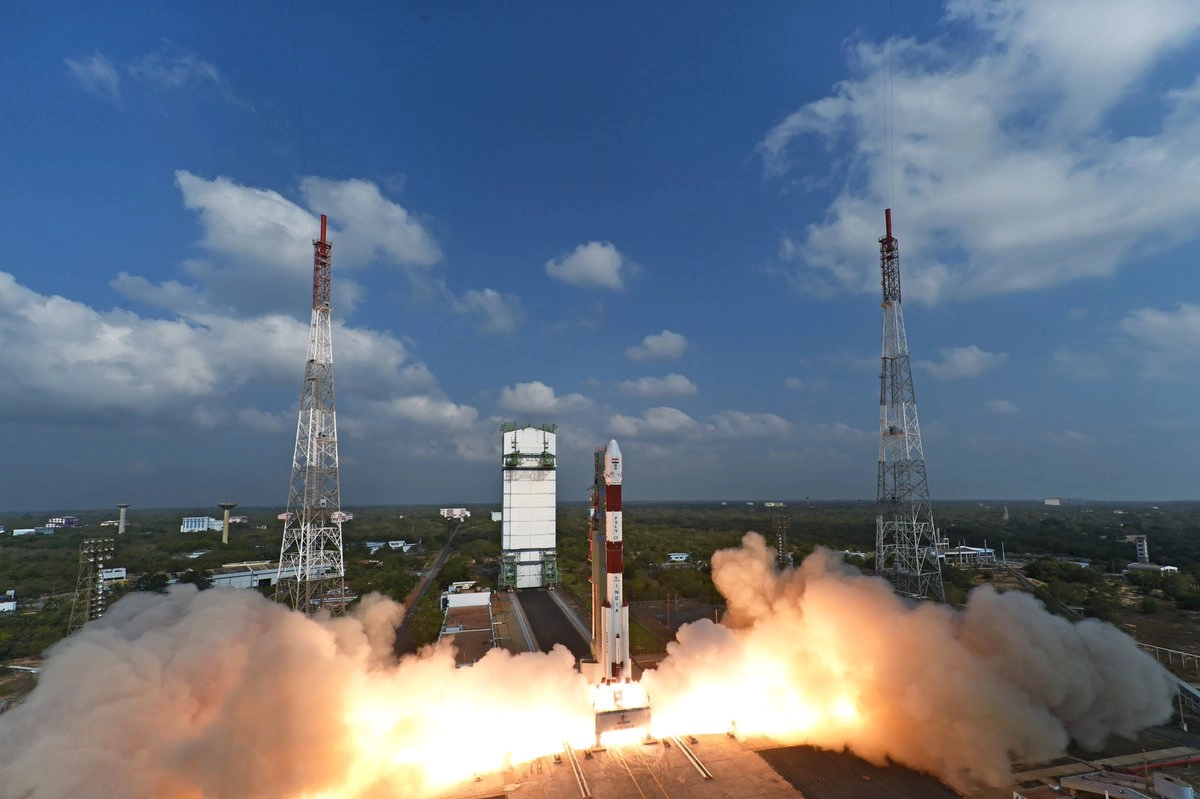
Eight years ago, a single Indian rocket launched 104 satellites into orbit, marking a pivotal moment when space tracking professionals realized the dawn of a new, congested era in orbital operations

Today's space news features major US Space Force satellite launches, regulatory changes supporting private space initiatives, and updates on SpaceX's Starship advances.

Today's highlights include new ESA Euclid data, upcoming Blue Origin flight, and multiple Starlink launches, delivering fresh satellite tracking opportunities.
Space Force initiates cybersecurity network upgrades across 14 bases. SDA expands $3.5B Tracking Layer with 72 new satellites. SpaceX and China drive record orbital launches in 2025.

Starlink satellite count April 2026: 10,191 working of 10,209 in orbit. SpaceX flew its 1,000th Starlink of 2026 on April 14, adding 29 more sats.