


Space Brief 22 Dec 2025
Today's highlights include Rocket Lab's record year, setbacks in Japanese space endeavors, secure communication advancements in orbit, and more updates on martian expeditions.



Launch Date
March 24, 2023
Launch Site
Launch Pad
LC40
Launch Vehicle
NORAD ID
56033
International Designator
2023-042AZ
Decay Date
1/3/2025
Name
STARLINK-5784
Alternative Name
Starlink 5784
Type
Status
Owner
SPXS
Country
United States
Constellation
N/A
Related Satellites
Major Events
N/A
Length
0.2
Diameter
2.8
Span
9
Dry Mass
290
Launch Mass
305
Shape
Box + pan
Radar Cross Section
Unknown
Visual Magnitude
Unknown
Color
Unknown
Material Composition
Unknown
Payload
Starlink Group 5-5-48
Purpose
Communication
Mission
Communication
Manufacturer
SPXS
Life Expectancy
Unknown
Bus
Starlink
Configuration
Unknown
Motor
Krypton ion thrusters
Equipment
Ku/Ka-band payload, optical inter-satellite link
Power System
Solar arrays, batteries
ADCS
Unknown
Transmitter Frequency
Unknown
Learn more about satellites and other related topics.
Today's highlights include Rocket Lab's record year, setbacks in Japanese space endeavors, secure communication advancements in orbit, and more updates on martian expeditions.

Europe's bid to break free from the US launch monopoly. How Sweden's Esrange Space Center is transforming access to space, enabling orbital launches, and strengthening strategic independence for the continent.
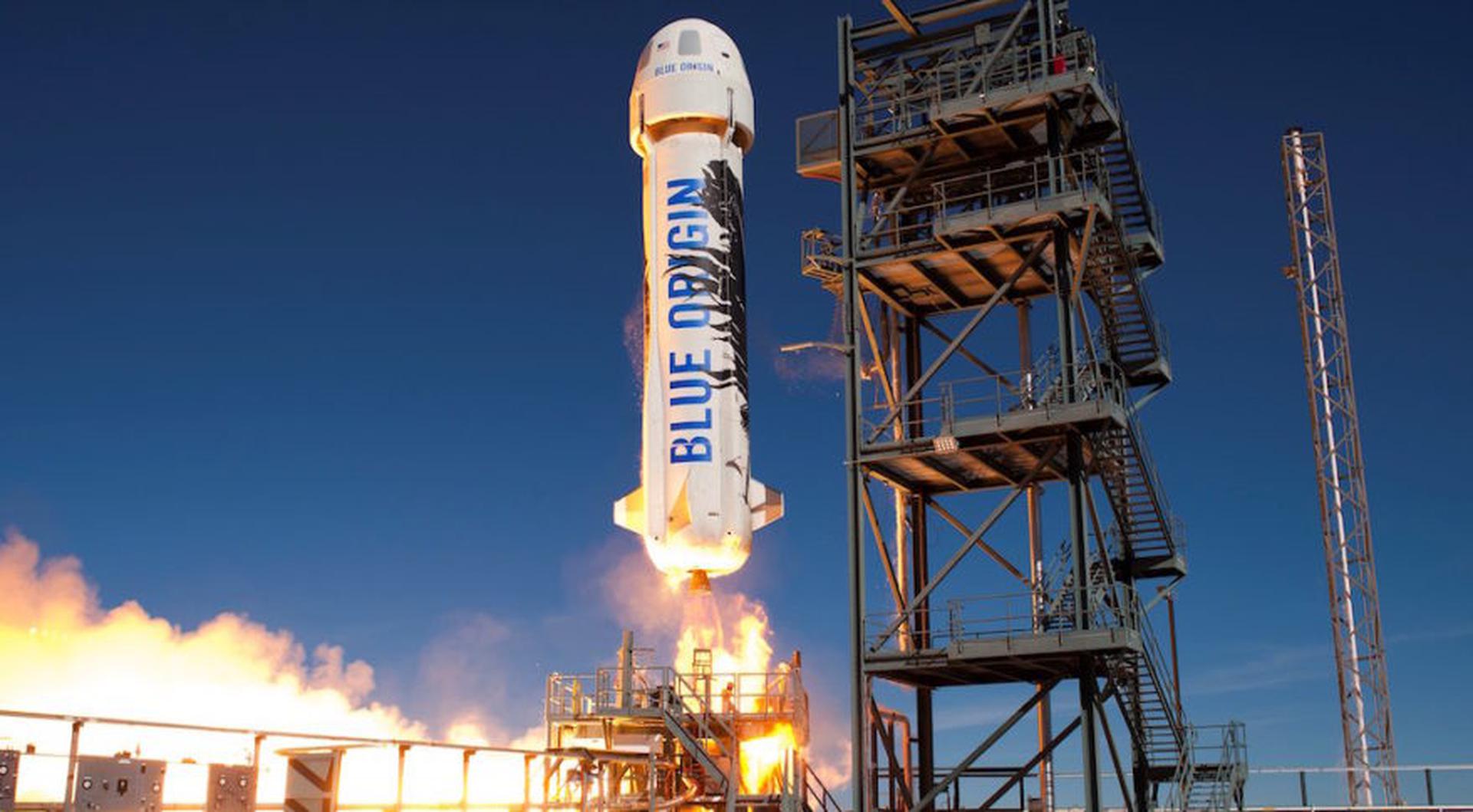
China launches Yaogan spacecraft into unusual orbit and Guowang constellation satellites to start 2026. NASA and DOE plan lunar nuclear reactor by 2030. Space Force switches GPS launch rocket.
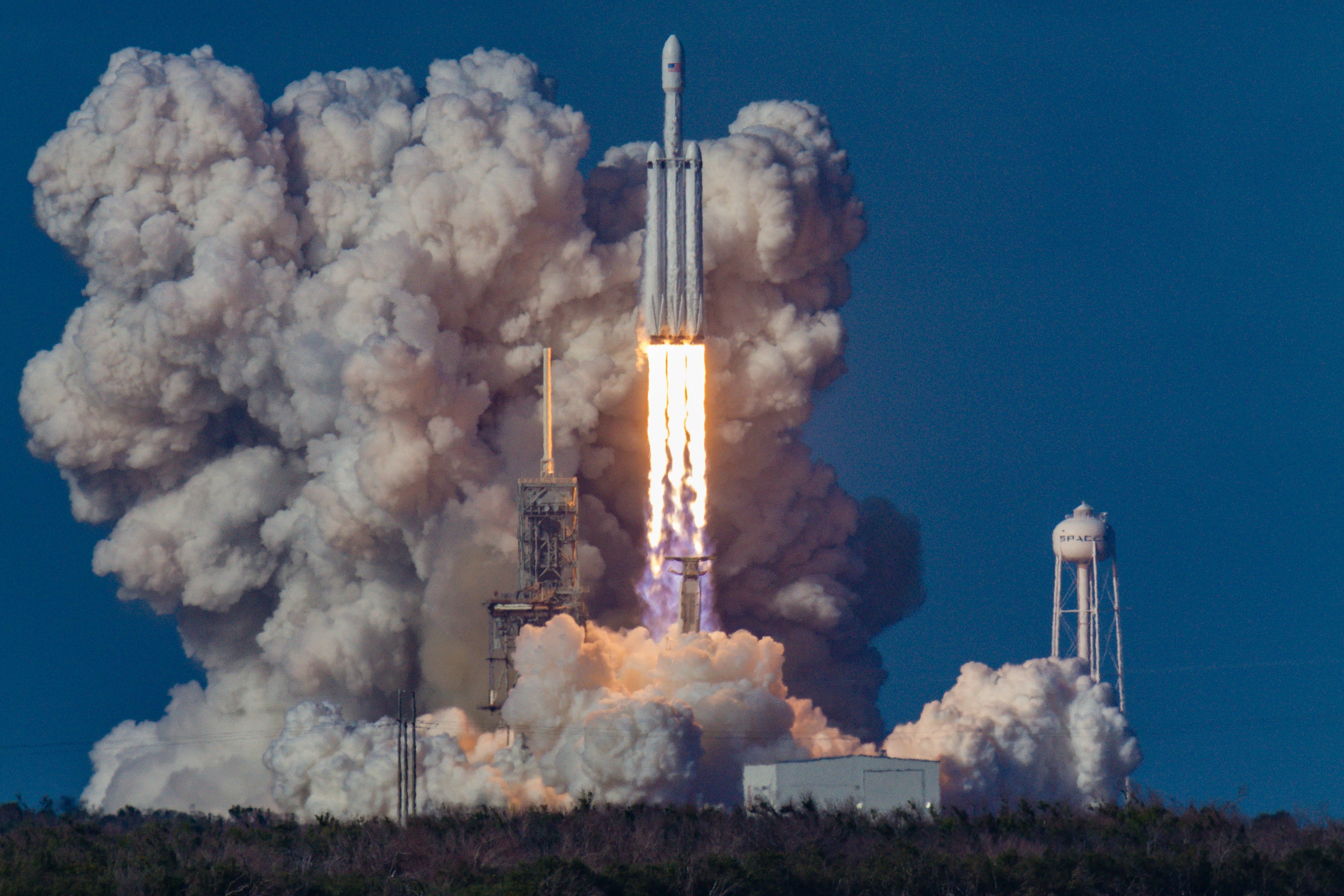
Virgin Media O2 launches Europe's first Starlink direct-to-smartphone service in the UK. SpaceX launches 29 more Starlink satellites. Dragon cargo capsule returns after 6-month ISS mission.
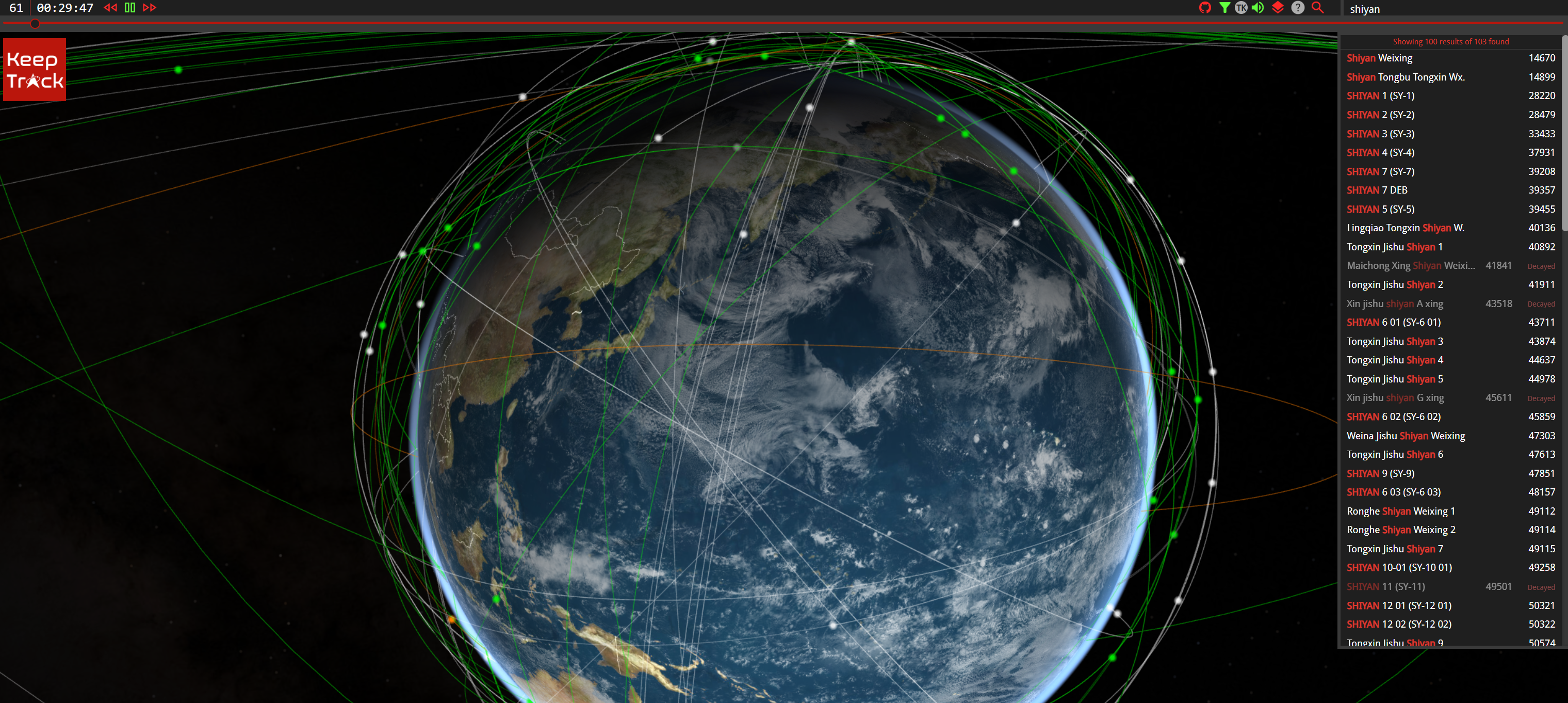
The master ledger of everything orbiting Earth: how tens of thousands of satellites, rocket bodies, and debris fragments are tracked and numbered
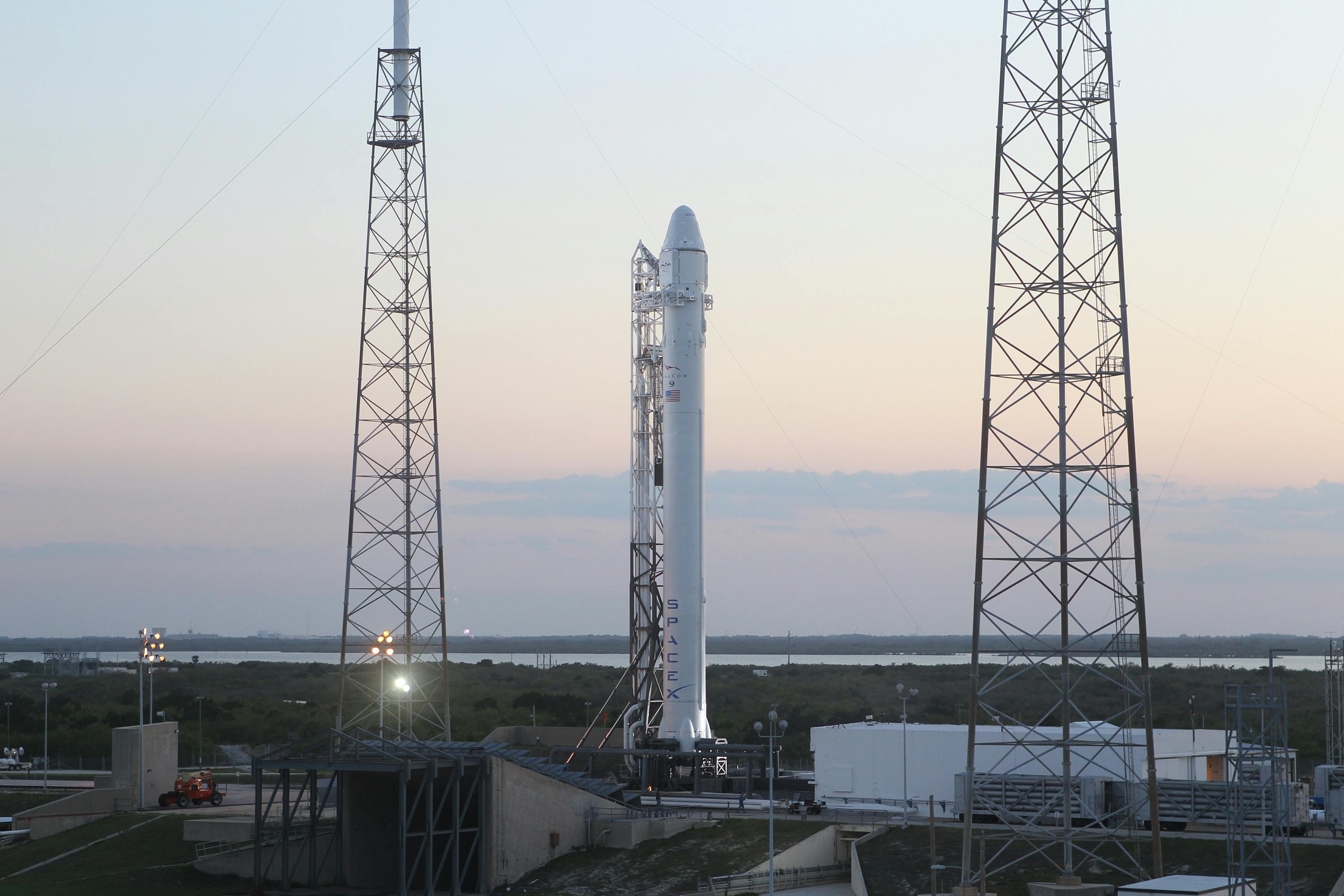
NASA's Inspector General warns of crew survival analysis gaps in Starship lunar lander program as Falcon 9 prepares to lead 8 global launches this week.
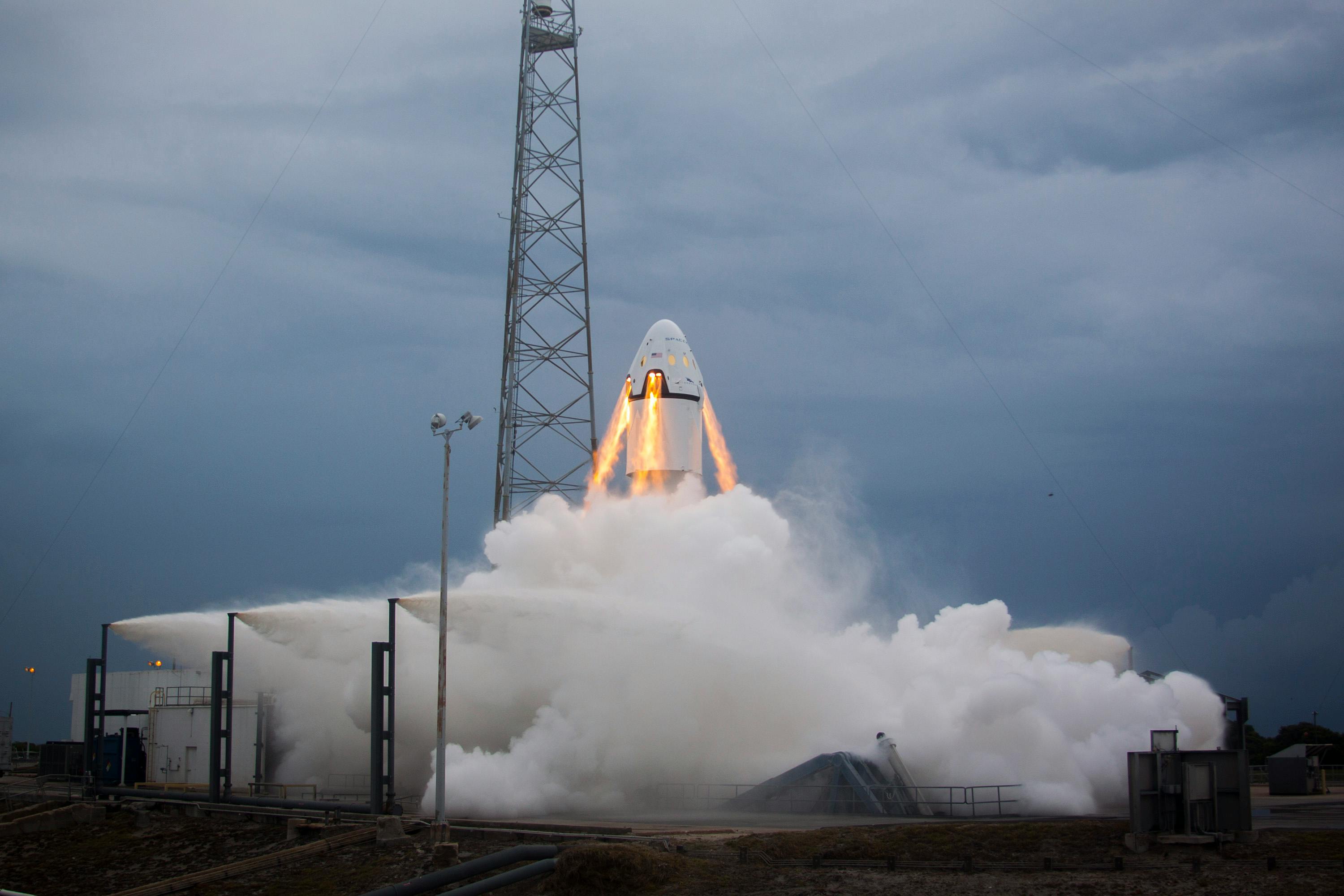
Explore today's space news including Space Force's five-year reflection, Rocket Lab's military hypersonic test, SpaceX's festive launch, and a glimpse at China's strategic space maneuvers.
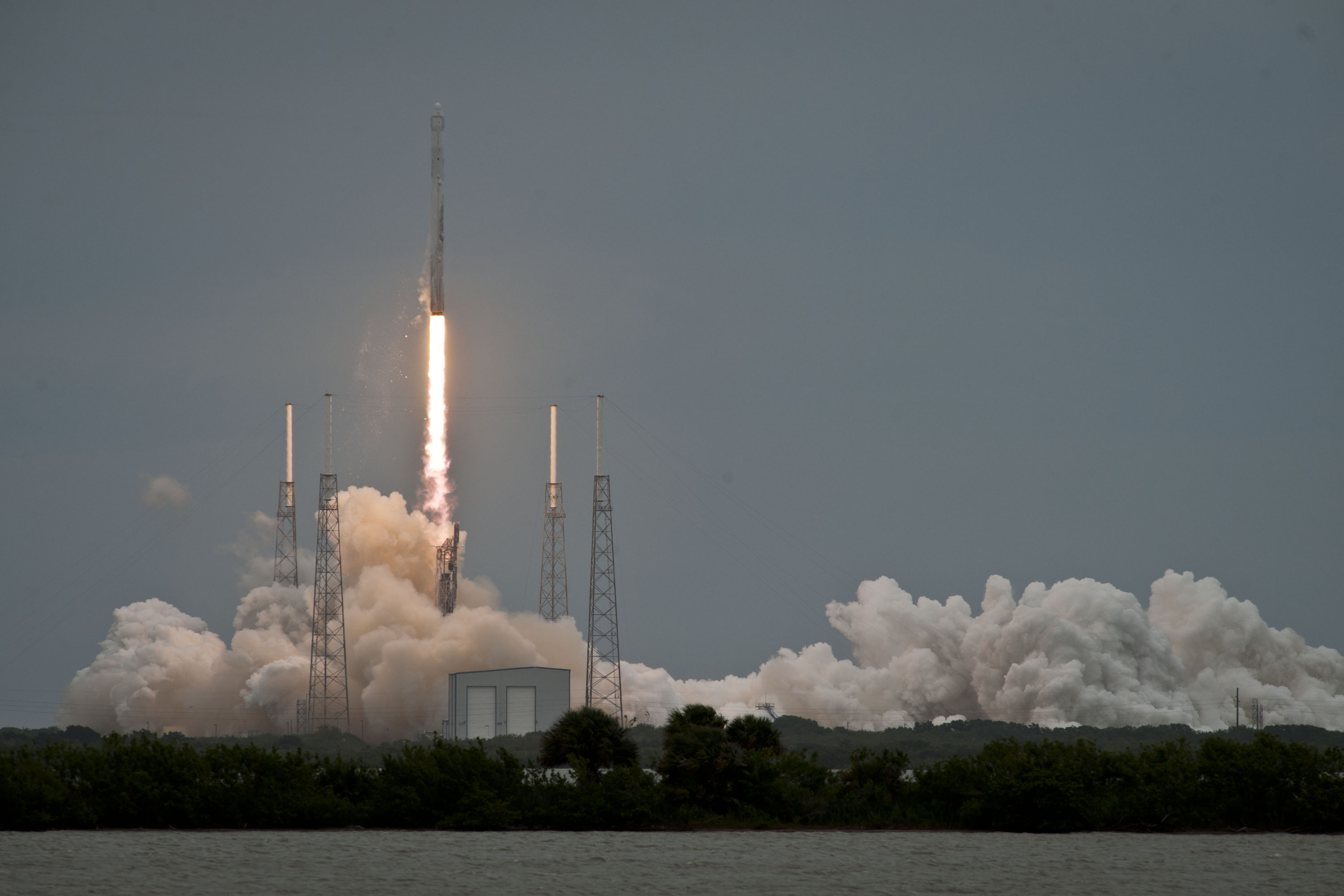
On April 18, 2014, a Falcon 9 first stage did something no orbital rocket had ever done before. It fired its engines on the way down, steered itself through the atmosphere using grid fins that did not yet exist, and touched the Atlantic Ocean softly enough to survive the impact. Nobody recovered it. The data was the whole point.