


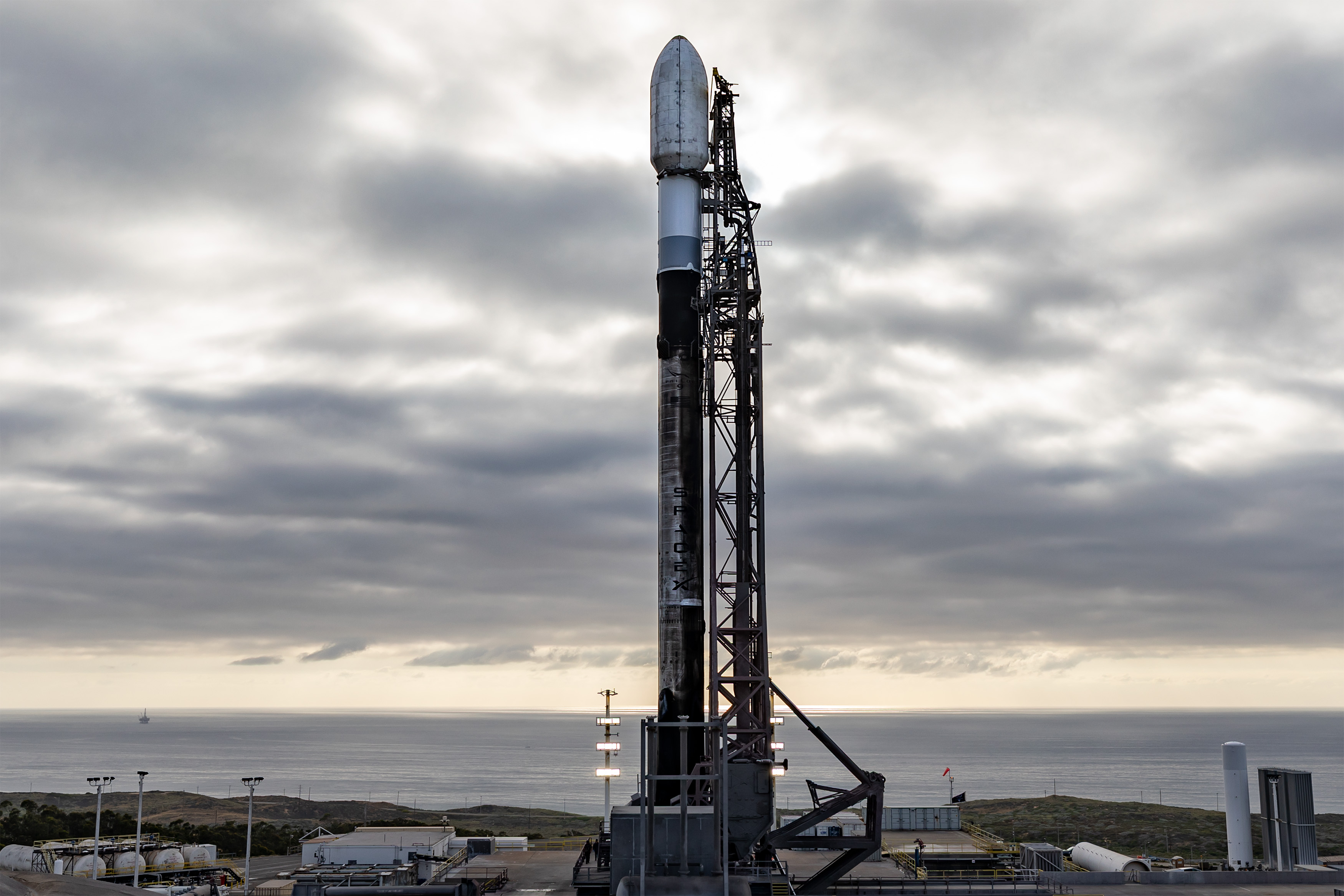
SpaceX Launches CAS500-2 and 44 Rideshares, Space Brief 3 May 2026
SpaceX CAS500-2 launch success: Falcon 9 flew May 3 at 0700 UTC from Vandenberg with South Korea's imaging satellite and 44 rideshare payloads.



Launch Date
March 24, 2023
Launch Site
Launch Pad
LC40
Launch Vehicle
NORAD ID
56025
International Designator
2023-042AR
Epoch
Sun, 19 Jul 2026 20:27:42 GMT
Apogee
Calculating...
Perigee
Calculating...
Inclination
43.00°
Right Ascension
19.21°
Eccentricity
Calculating...
Argument of Perigee
273.82°
Period
94.27 min
Mean Motion
15.28 rev/day
Latitude
Calculating...
Longitude
Calculating...
Altitude
Calculating...
Velocity
Calculating...
Name
STARLINK-5766
Alternative Name
Starlink 5766
Type
Status
Owner
SPXS
Country
United States
Constellation
N/A
Related Satellites
Major Events
N/A
1 56025U 23042AR 26200.85257177 .00000460 00000+0 26241-4 0 9999
2 56025 43.0026 19.2142 0000917 273.8195 86.2552 15.27576322183242
Source: Celestrak
Length
0.2
Diameter
2.8
Span
9
Dry Mass
290
Launch Mass
305
Shape
Box + pan
Radar Cross Section
Unknown
Visual Magnitude
Unknown
Color
Unknown
Material Composition
Unknown
Payload
Starlink Group 5-5-40
Purpose
Communication
Mission
Communication
Manufacturer
SPXS
Life Expectancy
Unknown
Bus
Starlink
Configuration
Unknown
Motor
Krypton ion thrusters
Equipment
Ku/Ka-band payload, optical inter-satellite link
Power System
Solar arrays, batteries
ADCS
Unknown
Transmitter Frequency
Unknown
Learn more about satellites and other related topics.
SpaceX CAS500-2 launch success: Falcon 9 flew May 3 at 0700 UTC from Vandenberg with South Korea's imaging satellite and 44 rideshare payloads.
Stay updated on key orbital events including Rocket Lab's upcoming launch, significant legislative moves in space traffic management, and changes in defense policies impacting space operations.
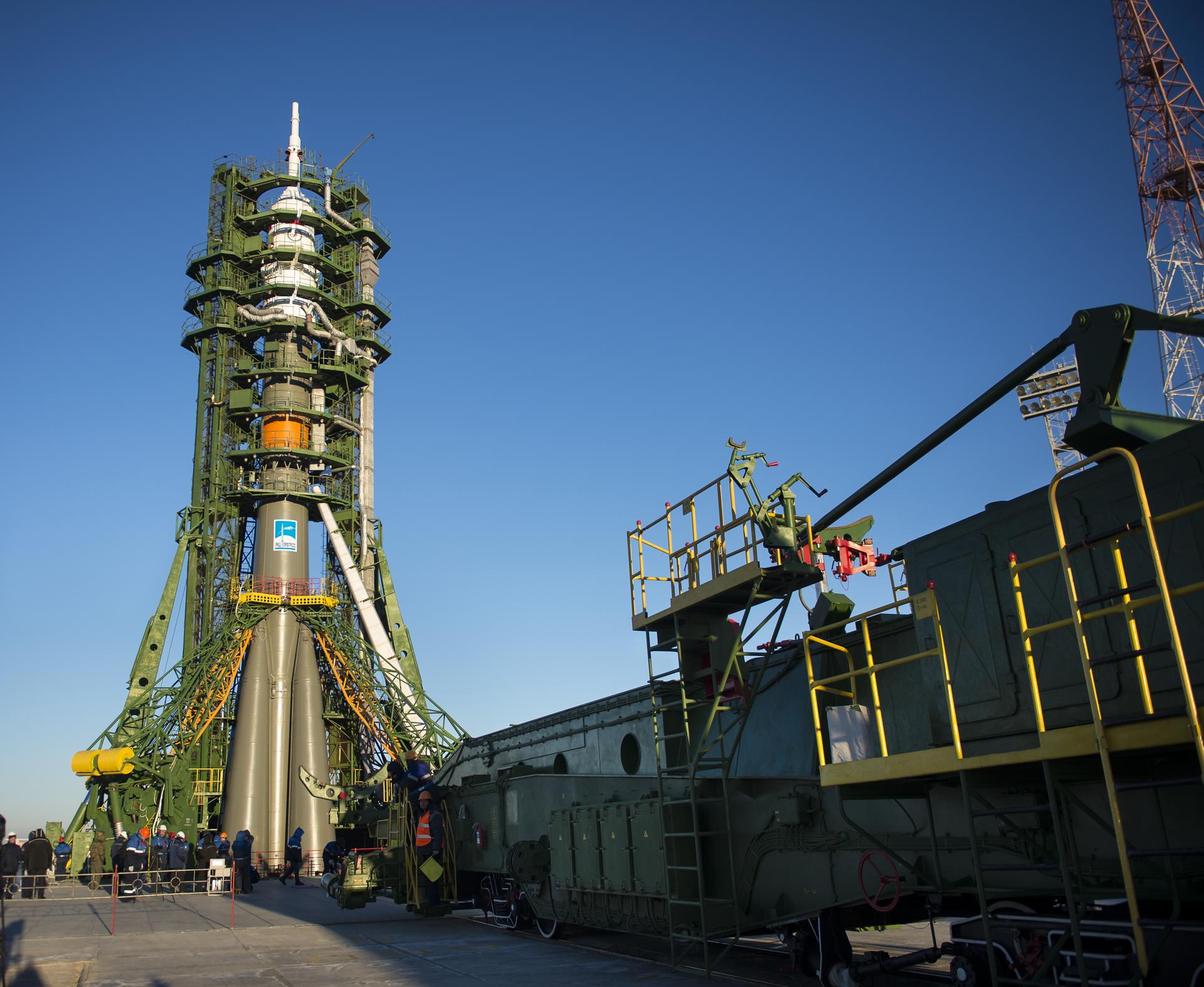
Iran calls Kowsar 1.5 a private-sector farming satellite. Its 3.45-meter camera, its sun-synchronous orbit, and the Russian rocket that carried it point somewhere else entirely.
Rocket Lab will acquire Iridium for $8B to challenge SpaceX, whose Starlink constellation holds 10,706 working satellites of 12,390 launched.
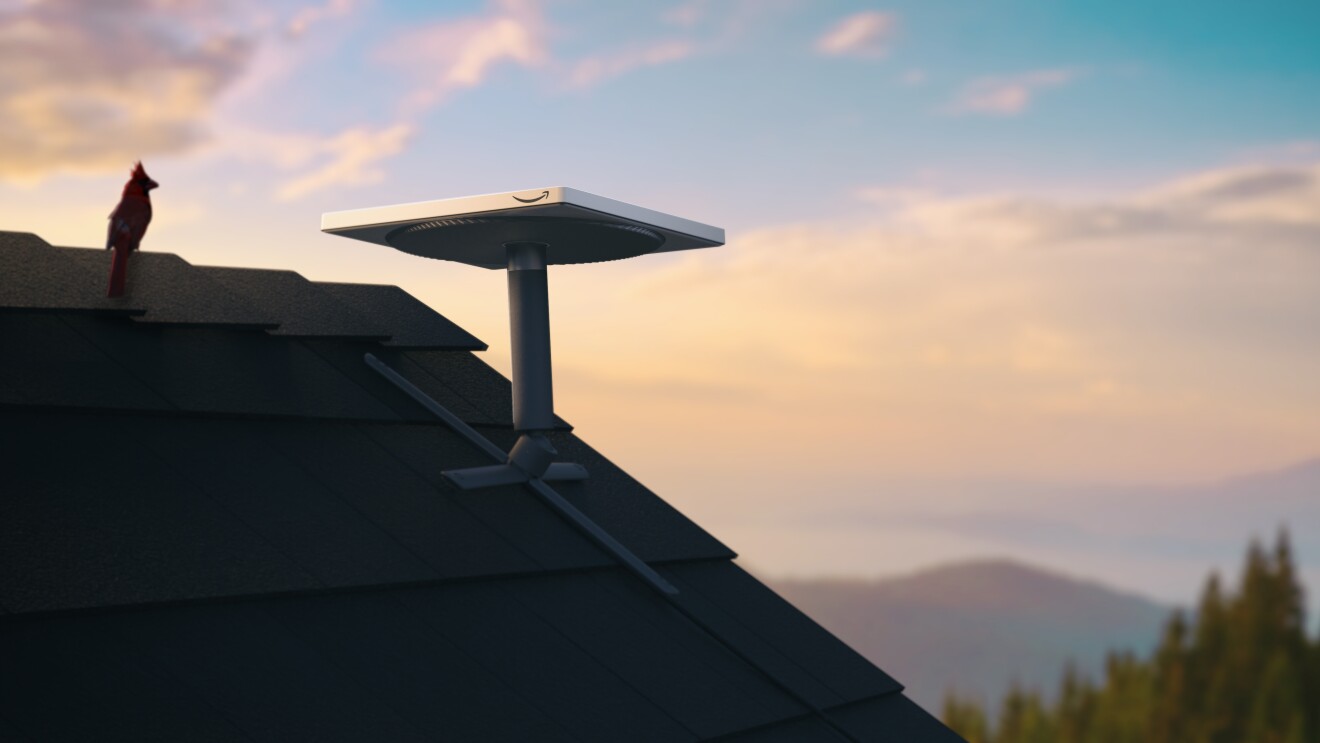
Discover the latest developments in space defense, innovative satellite technologies, nuclear advancements in space travel, and strategic military updates.
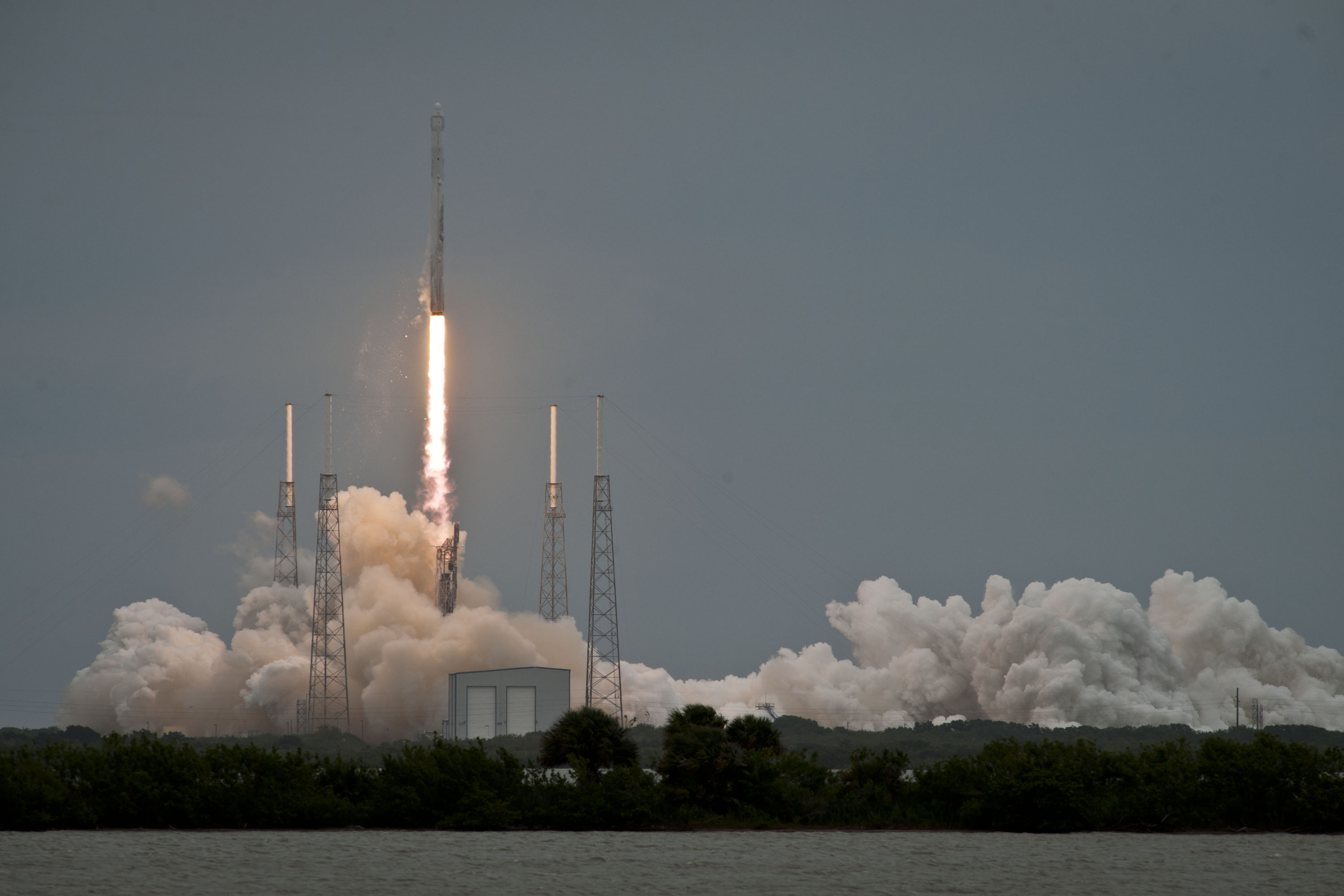
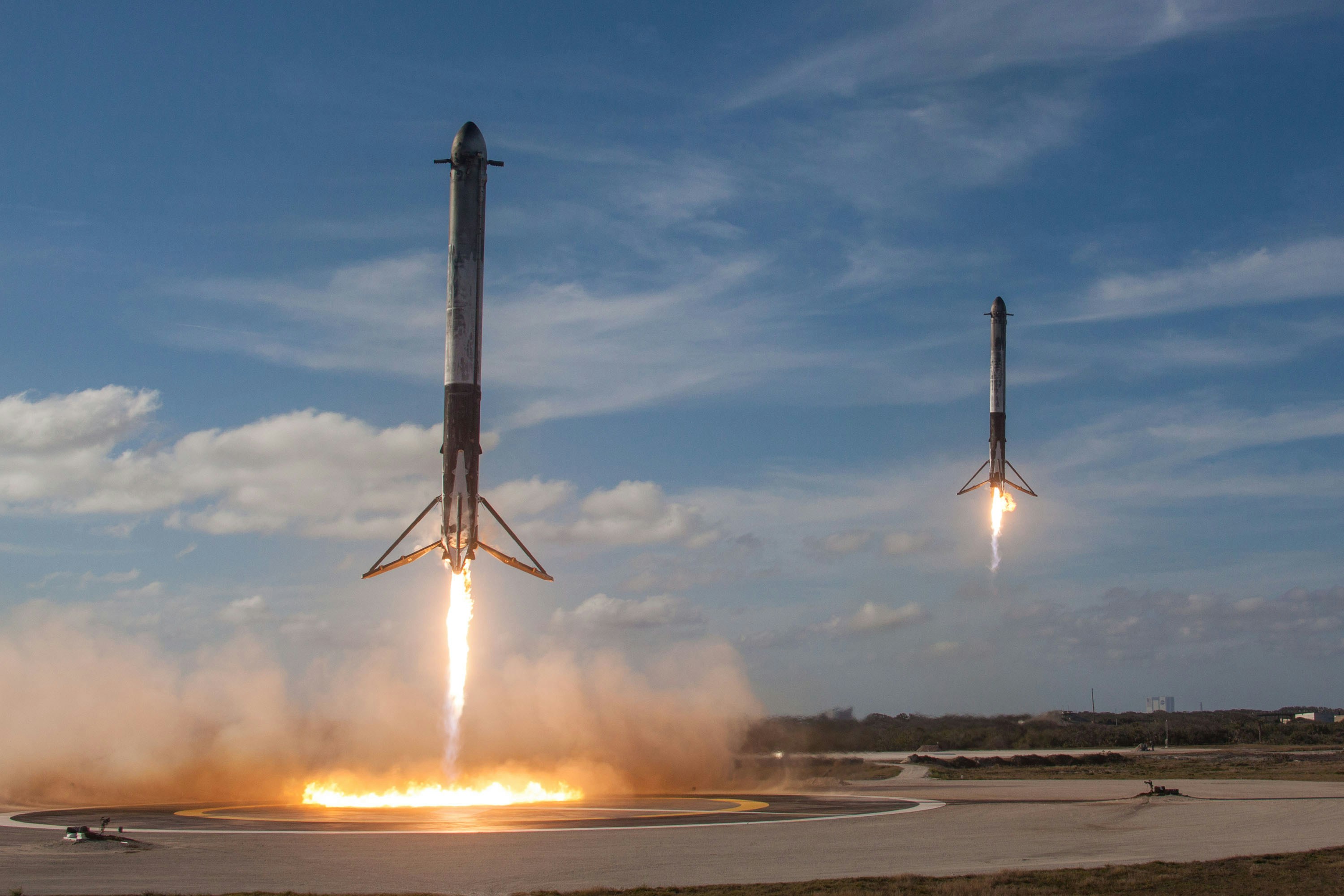
On April 18, 2014, a Falcon 9 first stage did something no orbital rocket had ever done before. It fired its engines on the way down, steered itself through the atmosphere using grid fins that did not yet exist, and touched the Atlantic Ocean softly enough to survive the impact. Nobody recovered it. The data was the whole point.

Blue Origin's New Glenn suffered a damaging anomaly during hotfire testing at Launch Complex 36, grounding the heavy-lift rocket indefinitely with no return-to-flight timeline announced.
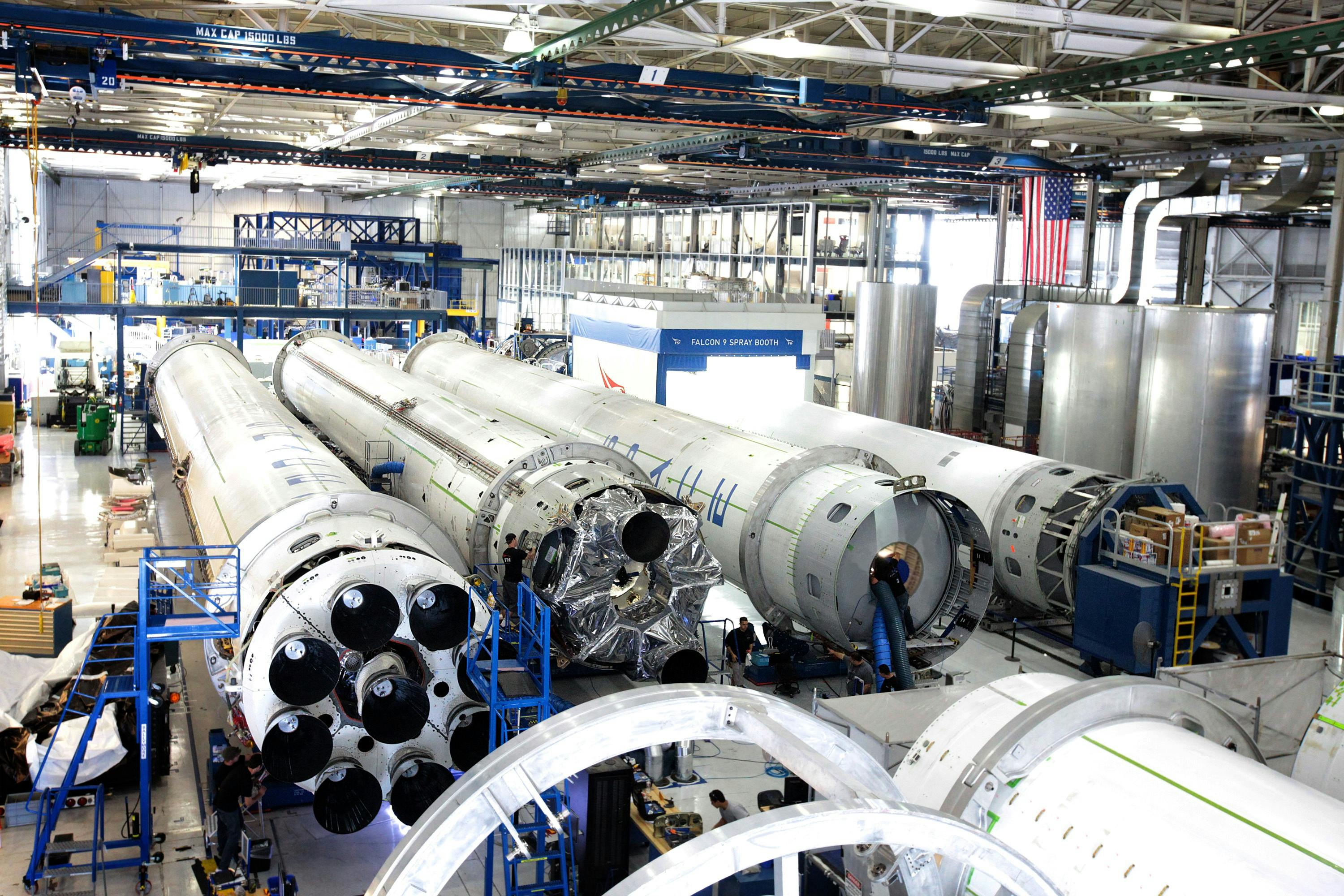
SpaceX wraps up a record-breaking year with successful launches and advancements in Starlink mega-constellation.