SPACEBEE-161 (55096)

COSPAR: 2023-001CR | Alt Name: SpaceBEE-161
DECAYED

Image
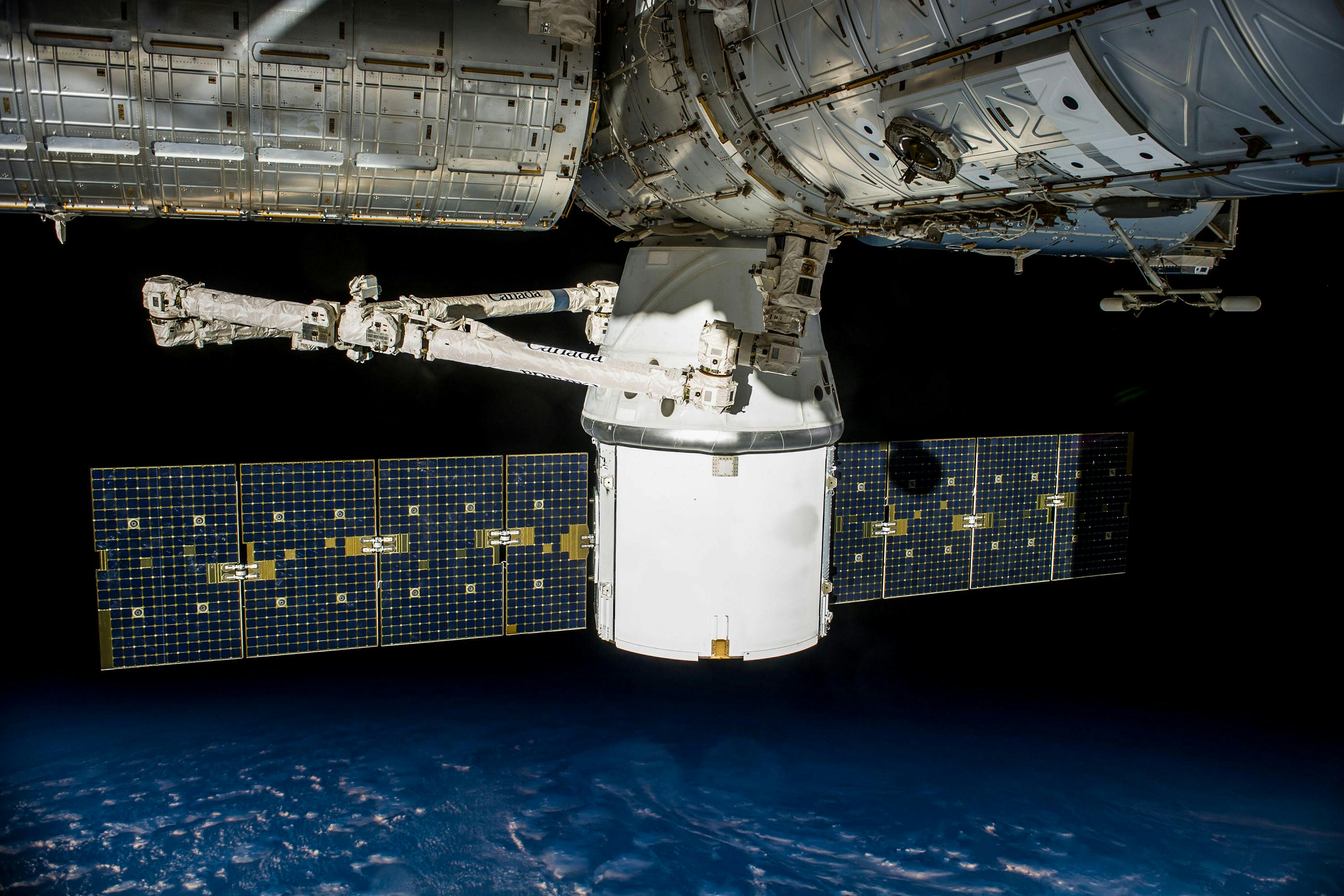
SPACEBEE-161 Satellite Image
Additional Sources
Launch Details

Launch Date

January 3, 2023

Launch Pad

LC40

Launch Vehicle

Falcon 9

Orbital Elements

NORAD ID

55096

International Designator

2023-001CR

Decay Date

9/21/2024

Basic Satellite Info

Name

SPACEBEE-161

Alternative Name

SpaceBEE-161

Type

Payload

Status

Decayed

Owner

SWARMX

Country

United States

Constellation

N/A

Related Satellites

Major Events

N/A

Summary
SPACEBEE-161 is a 0.25U CubeSat satellite manufactured by SWARMX and owned by the same entity. It was launched on January 3, 2023, from the Air Force Eastern Test Range (AFETR), Launch Complex 40 (LC40) aboard a Falcon 9 launch vehicle. The satellite measures 0.1 meters in diameter, is 0.025 meters long, and has a span of 0.9 meters. Its dry mass is 0.284 kilograms, which is the same as its launch mass. The purpose of SPACEBEE-161 is to provide communication services for Machine-to-Machine (M2M) and Internet of Things (IoT). It is powered by solar cells and batteries and has a box shape with two antennas attached.
Physical Characteristics

Length

0.025

Diameter

0.1

Span

0.9

Dry Mass

0.284

Launch Mass

0.284

Shape

Box+2 ant

Radar Cross Section

Unknown

Visual Magnitude

Unknown

Color

Unknown

Material Composition

Unknown

Technical Details

Payload

SpaceBEE-161

Purpose

Communication M2M/IoT

Mission

Communication M2M/IoT

Manufacturer

SWARMX

Life Expectancy

Unknown

Bus

Cubesat 0.25U

Configuration

CubeSat (0.25U)

Motor

None

Equipment

Unknown

Power System

Solar cells, batteries

ADCS

Unknown

Transmitter Frequency

Unknown

Satellite Articles

View All Posts »

Learn more about satellites and other related topics.

China Files Plans for 200,000-Satellite Megaconstellation With ITU | KeepTrack Space Brief

China Files Plans for 200,000-Satellite Megaconstellation With ITU | KeepTrack Space Brief

China files ITU paperwork for megaconstellations totaling nearly 200,000 satellites. SpaceX launches first rideshare mission of 2026 from Vandenberg. NASA plans ISS crew medical evacuation.

Starship Flight 13 to Debut First Starlink V3 Satellites | KeepTrack X Report

Starship Flight 13 to Debut First Starlink V3 Satellites | KeepTrack X Report

SpaceX readies Starship Flight 13 for July 16 launch to deploy first Starlink V3 satellites as Falcon 9 logs its 600th booster reuse.

X Report 15 Feb 2025

X Report 15 Feb 2025

SpaceX sets a reuse record with Falcon 9, advances Starship program, while Starlink influences satellite market dynamics.

Orion Crew Returns After Historic Lunar Mission | KeepTrack Space Brief

Orion Crew Returns After Historic Lunar Mission | KeepTrack Space Brief

Artemis 2's four-person crew splashed down April 10 after first crewed lunar flyby since Apollo 17. Orion performance data critical for Artemis 3 south pole landing planning.

New Glenn Static Fire Anomaly Grounds Amazon Launch | KeepTrack Space Brief

New Glenn Static Fire Anomaly Grounds Amazon Launch | KeepTrack Space Brief

Blue Origin's New Glenn suffered catastrophic anomaly during static fire test at LC-36. Amazon LEO satellites pulled; NASA lunar missions now in question.

Space Brief 30 Sep 2025

Space Brief 30 Sep 2025

Today's briefing covers China's rapid satellite launch activities, new Pentagon contracts for rocket motors, the Dream Chaser spaceplane's upcoming flight, and more.

Falcon 9 Booster Sets 33-Flight Reuse Record, X Report 23 Feb 2026

Falcon 9 Booster Sets 33-Flight Reuse Record, X Report 23 Feb 2026

Falcon 9 booster reuse record: SpaceX's most-flown booster flew a 33rd flight Feb 21 with 28 Starlink V2 Minis. Two launches in a day; 9,779 on orbit.

Version 10.0.0 Release Notes

Version 10.0.0 Release Notes

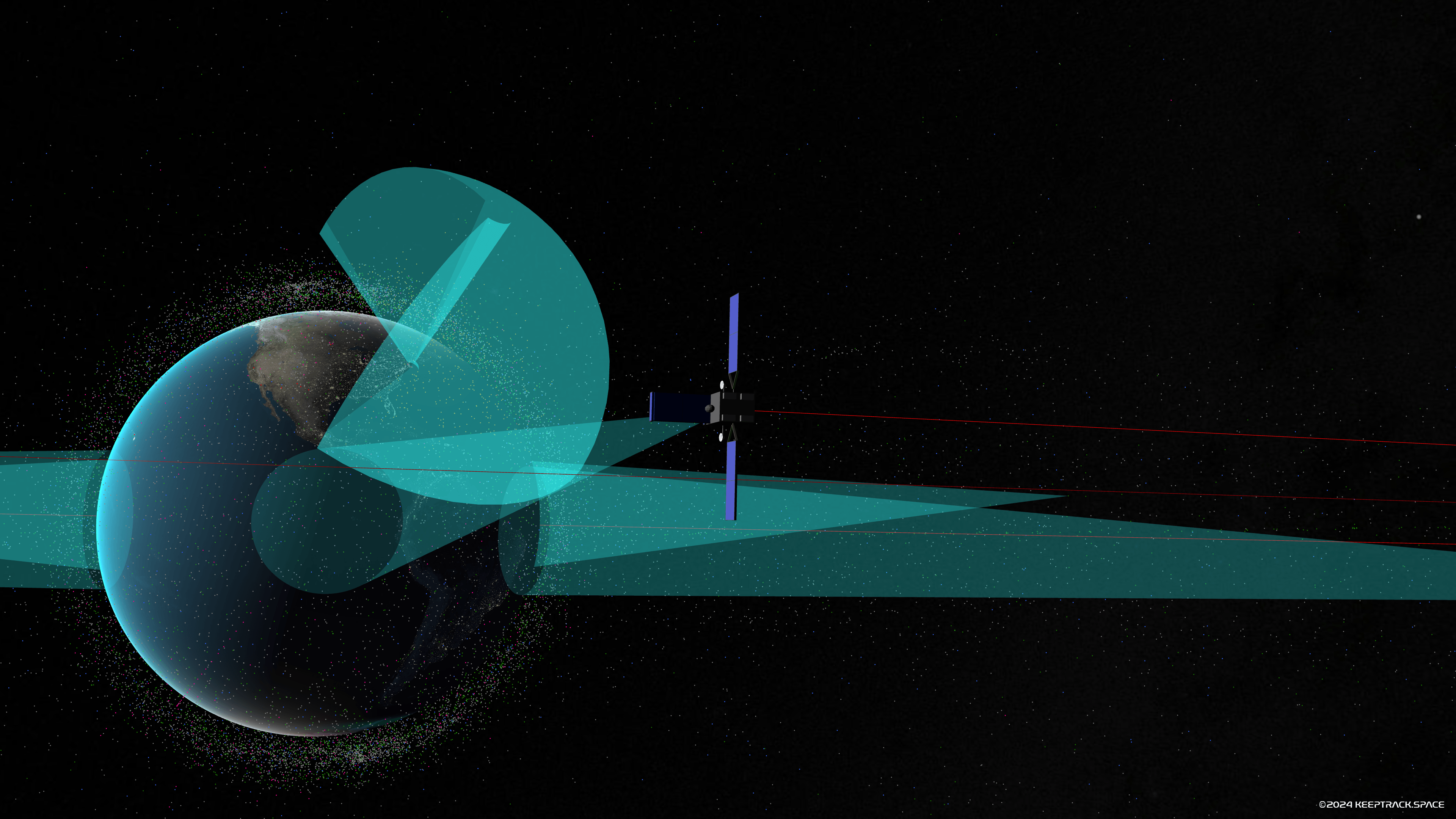
The latest update introduces 3D satellite FOV cones, advanced sensor capabilities, and enhanced timelines, improving the way users interact with satellite data.