


X Report 23 Sep 2025
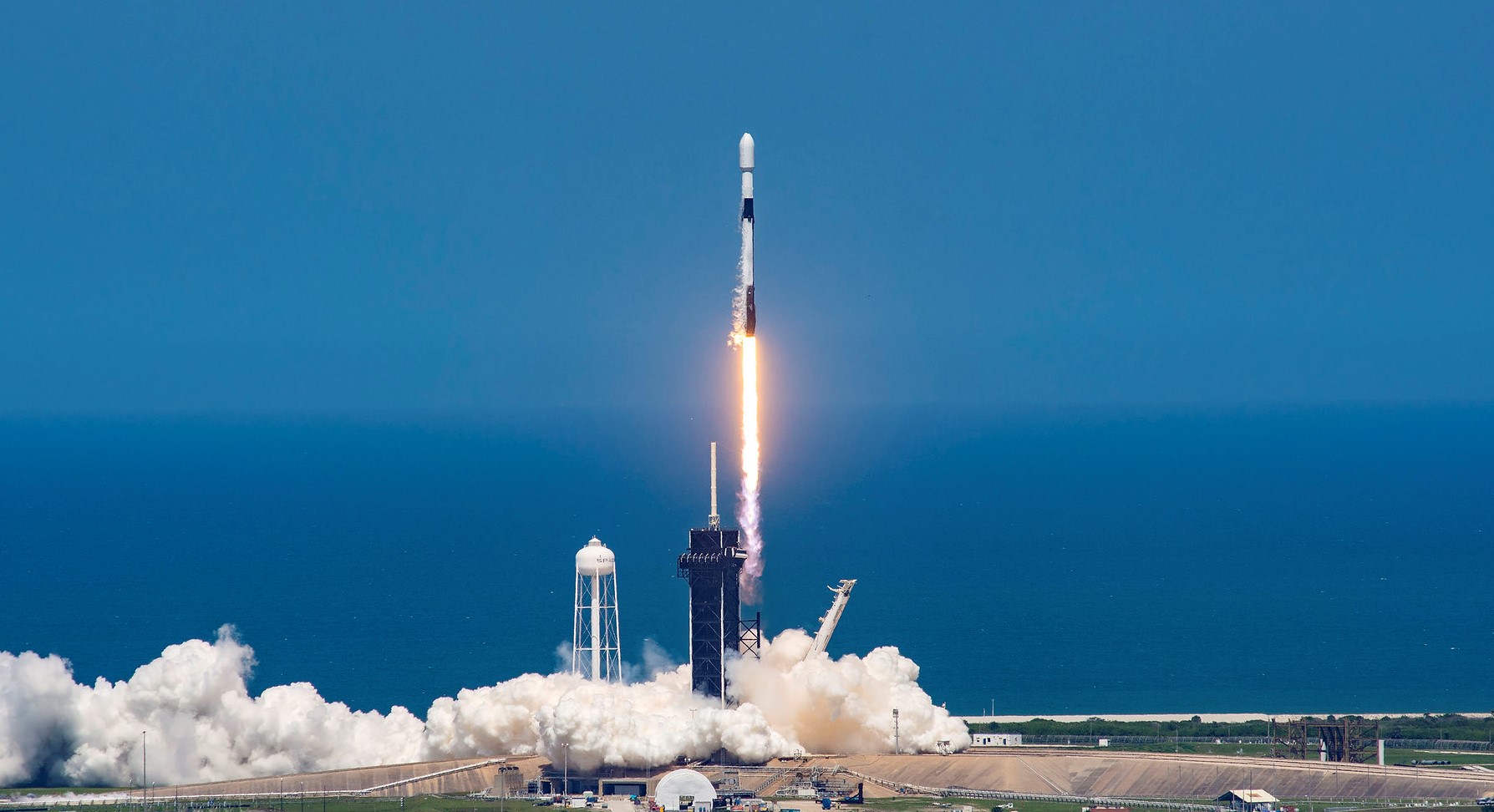
SpaceX successfully launched the NROL-48 mission, growing the National Reconnaissance Office's satellite fleet. Additionally, NASA introduced ten new astronaut candidates, increasing female representation in its ranks.


Launch Date
January 3, 2023
Launch Site
Launch Pad
LC40
Launch Vehicle
NORAD ID
55073
International Designator
2023-001BS
Decay Date
3/25/2025
Name
TAUSAT-2
Alternative Name
TAUSat2
Type
Status
Owner
TAU
Country
Israel
Constellation
N/A
Related Satellites
Major Events
N/A
Length
0.3
Diameter
0.1
Span
0.3
Dry Mass
4
Launch Mass
4
Shape
Box
Radar Cross Section
Unknown
Visual Magnitude
Unknown
Color
Unknown
Material Composition
Unknown
Payload
TAUSat-3
Purpose
Technology, education
Mission
Technology, education
Manufacturer
TAU
Life Expectancy
Unknown
Bus
Cubesat 3U
Configuration
CubeSat (3U)
Motor
None
Equipment
?
Power System
Solar cells, batteries
ADCS
Unknown
Transmitter Frequency
Unknown
Learn more about satellites and other related topics.
SpaceX successfully launched the NROL-48 mission, growing the National Reconnaissance Office's satellite fleet. Additionally, NASA introduced ten new astronaut candidates, increasing female representation in its ranks.

The Kessler Syndrome threatens humanity's future in space as cascading satellite collisions create exponential debris growth. With 36,000+ tracked objects and recent incidents accelerating risks, we face a critical juncture: implement solutions now or potentially lose access to low Earth orbit forever.

An in-depth look at CelesTrak, the leading non-profit provider of orbital element sets and collision assessment tools, trusted by space professionals worldwide.
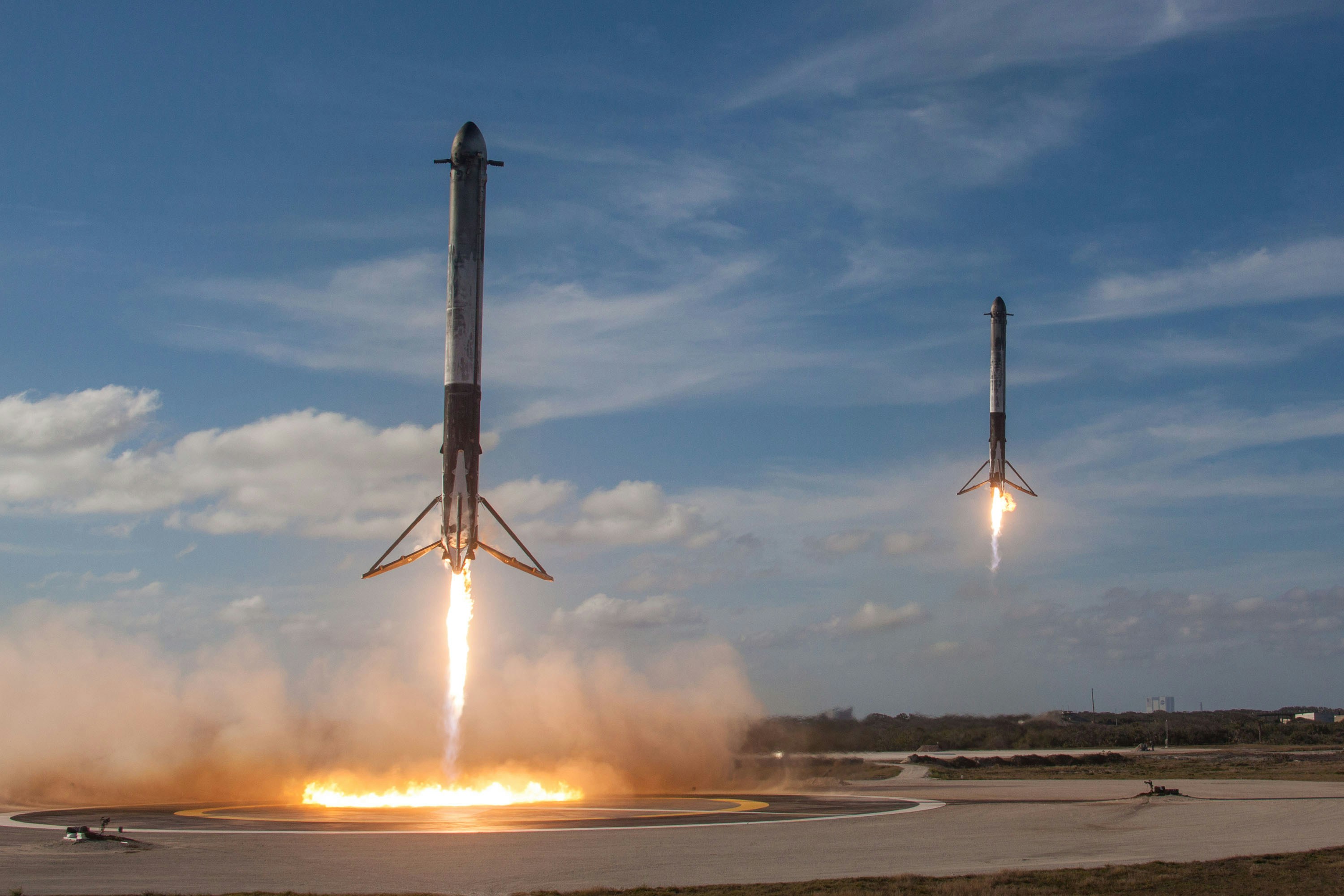
SpaceX achieves a significant milestone with its 250th Starlink mission, and Starlink eyes expansion into South Korea amid rising global demand for satellite internet. Meanwhile, Amazon's Project Kuiper launches its first operational mission, marking increased competition for Starlink.
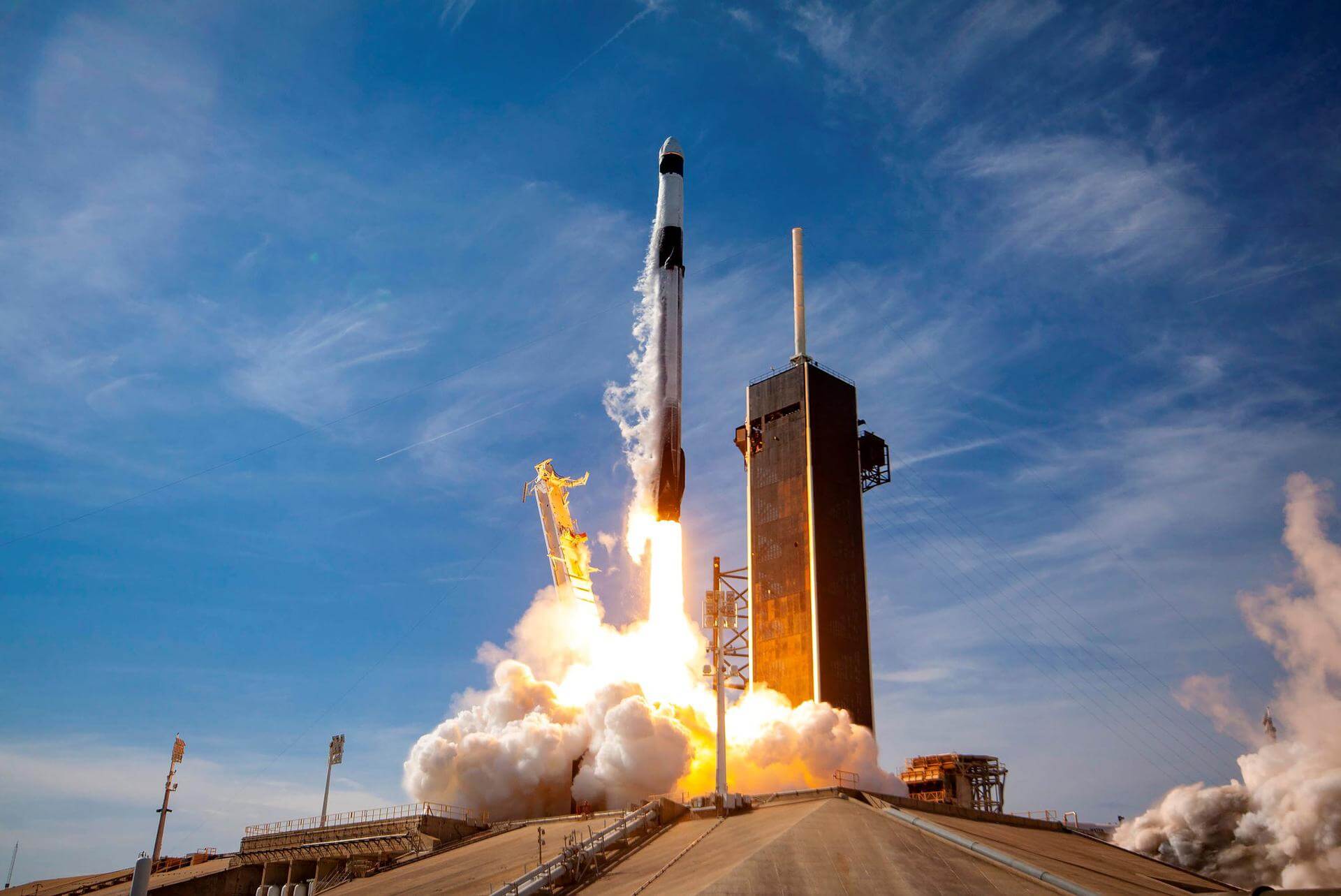
NRO awards three commercial satellite contracts, expanding scope to dynamic military target tracking. Former NASA chief Bridenstine joins Quantum Space for cislunar operations.
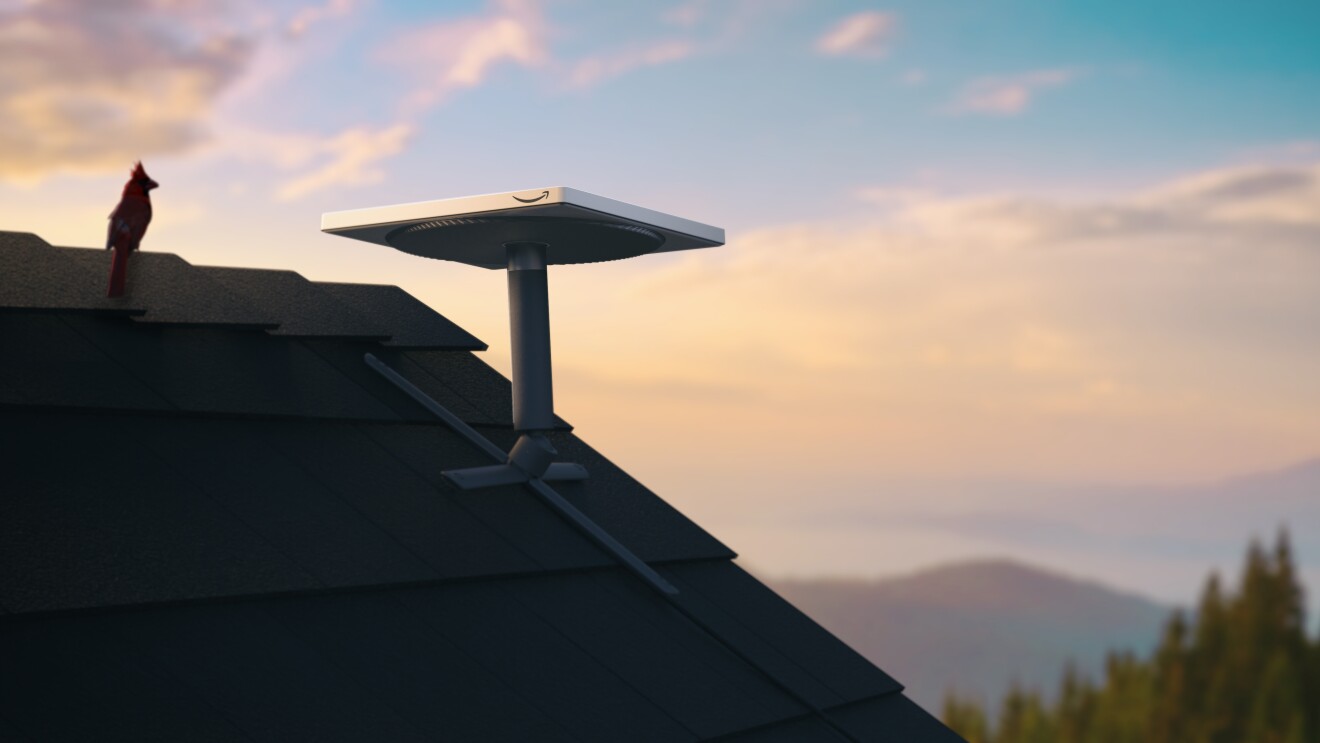
Today's brief highlights critical discussions in military space readiness, potential satellite 'dogfighting' scenarios, international defense collaborations, and a notable communications satellite launch.
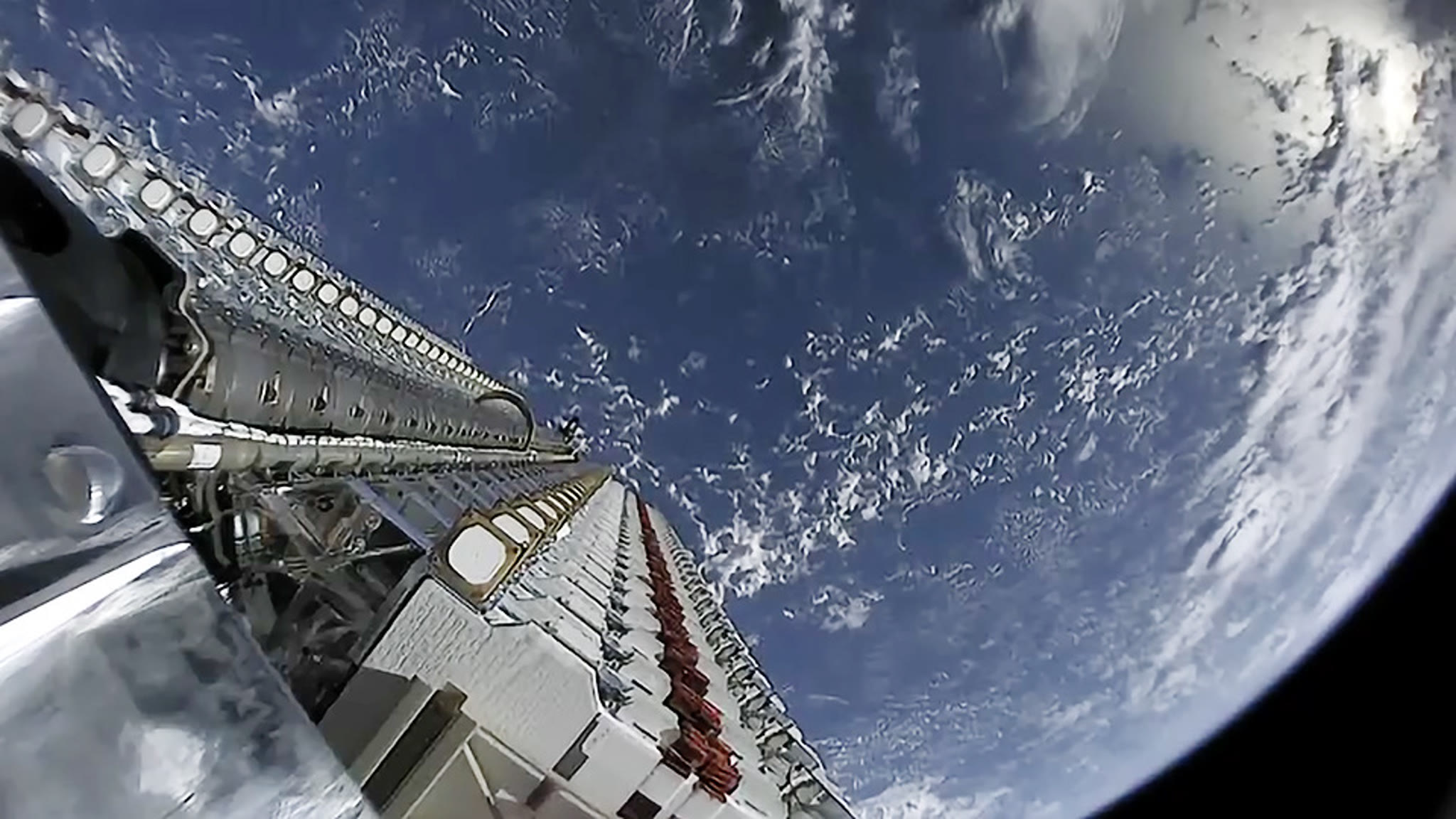
Starlink satellites fired their thrusters to dodge a collision roughly 300,000 times in 2025, about 822 times a day. Behind that number is a fragile, half-automated system of warnings, probabilities, and judgment calls that decides which close approaches are worth a maneuver and which are just noise.

SpaceX launches Maxar's high-resolution imaging satellites, Ontario reconsiders its Starlink contract, and the countdown to NASA's Lunar Trailblazer mission begins.