


DARPA Robotic GEO Servicer Targeting Summer 2026 Launch | KeepTrack Space Brief
DARPA's robotic satellite servicing mission targets GEO orbit by summer 2026. NASA adds six SpaceX crew missions as Boeing Starliner remains uncertified.


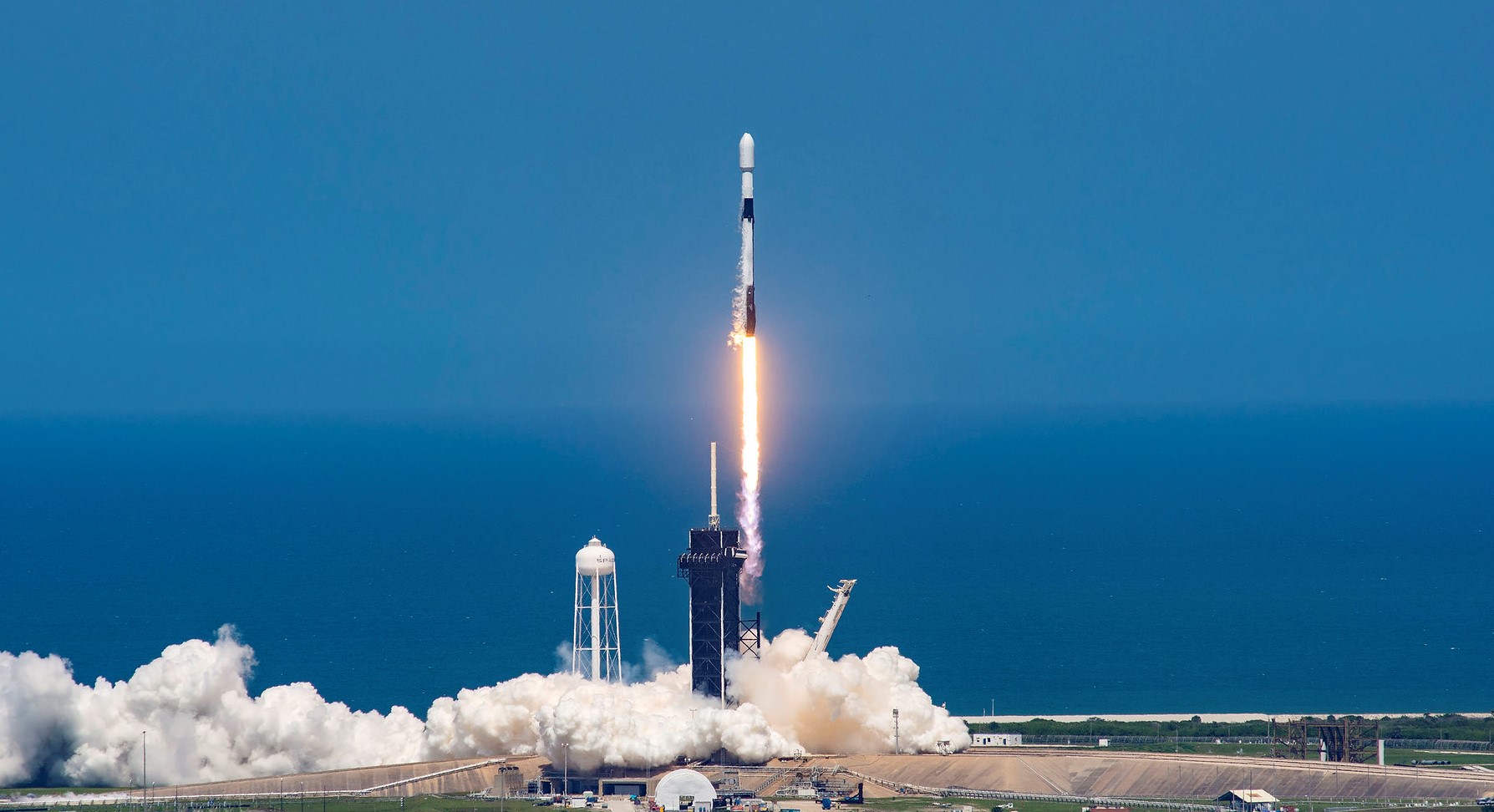
Launch Date
January 3, 2023
Launch Site
Launch Pad
LC40
Launch Vehicle
NORAD ID
55061
International Designator
2023-001BE
Epoch
Sun, 19 Jul 2026 16:22:40 GMT
Apogee
Calculating...
Perigee
Calculating...
Inclination
97.32°
Right Ascension
253.62°
Eccentricity
Calculating...
Argument of Perigee
40.02°
Period
94.42 min
Mean Motion
15.25 rev/day
Latitude
Calculating...
Longitude
Calculating...
Altitude
Calculating...
Velocity
Calculating...
Name
SKYKRAFT-1C
Alternative Name
Skykraft 1C
Type
Status
Owner
SKYKR
Country
Australia
Constellation
N/A
Related Satellites
Major Events
N/A
1 55061U 23001BE 26200.68241538 .00001514 00000+0 63107-4 0 9991
2 55061 97.3174 253.6179 0011391 40.0159 320.1917 15.25167906196435
Source: Celestrak
Length
0.6
Diameter
0.1
Span
0.6
Dry Mass
50
Launch Mass
50
Shape
Box
Radar Cross Section
Unknown
Visual Magnitude
Unknown
Color
Unknown
Material Composition
Unknown
Payload
Skykraft 1C
Purpose
Communication
Mission
Communication
Manufacturer
SKYKR
Life Expectancy
Unknown
Bus
Skykraft
Configuration
Unknown
Motor
Unknown
Equipment
ADS-B receiver, VHS communications payload
Power System
Solar array, batteries
ADCS
Unknown
Transmitter Frequency
Unknown
Learn more about satellites and other related topics.
DARPA's robotic satellite servicing mission targets GEO orbit by summer 2026. NASA adds six SpaceX crew missions as Boeing Starliner remains uncertified.

SpaceX successfully launched the Transporter-15 mission, deploying 140 payloads, while Elon Musk addressed media narratives related to Starlink's humanitarian efforts following recent disasters.
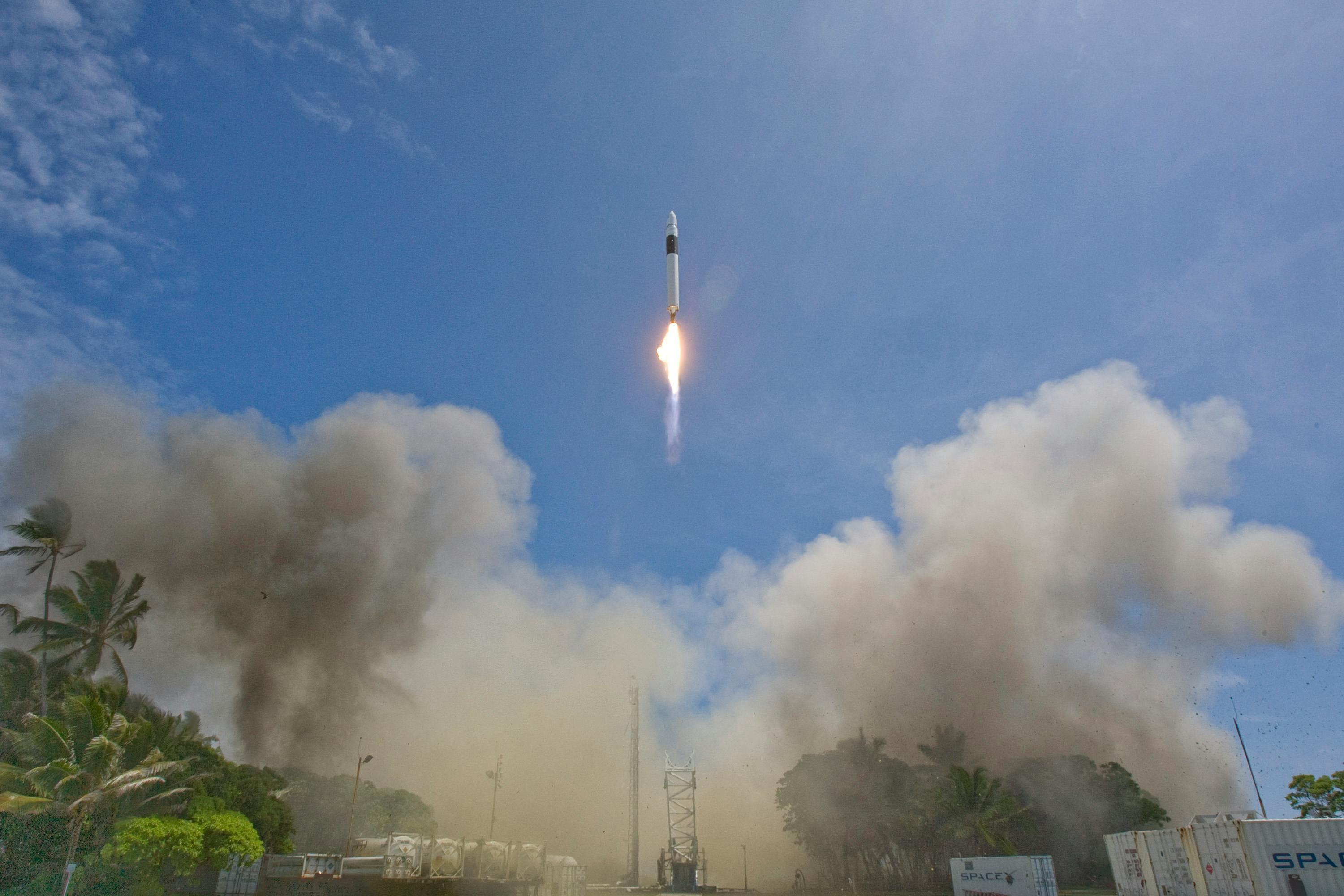
SpaceX is pushing to launch Starship from Cape Canaveral before end of 2026, with contractors ramping work at LC-39A.
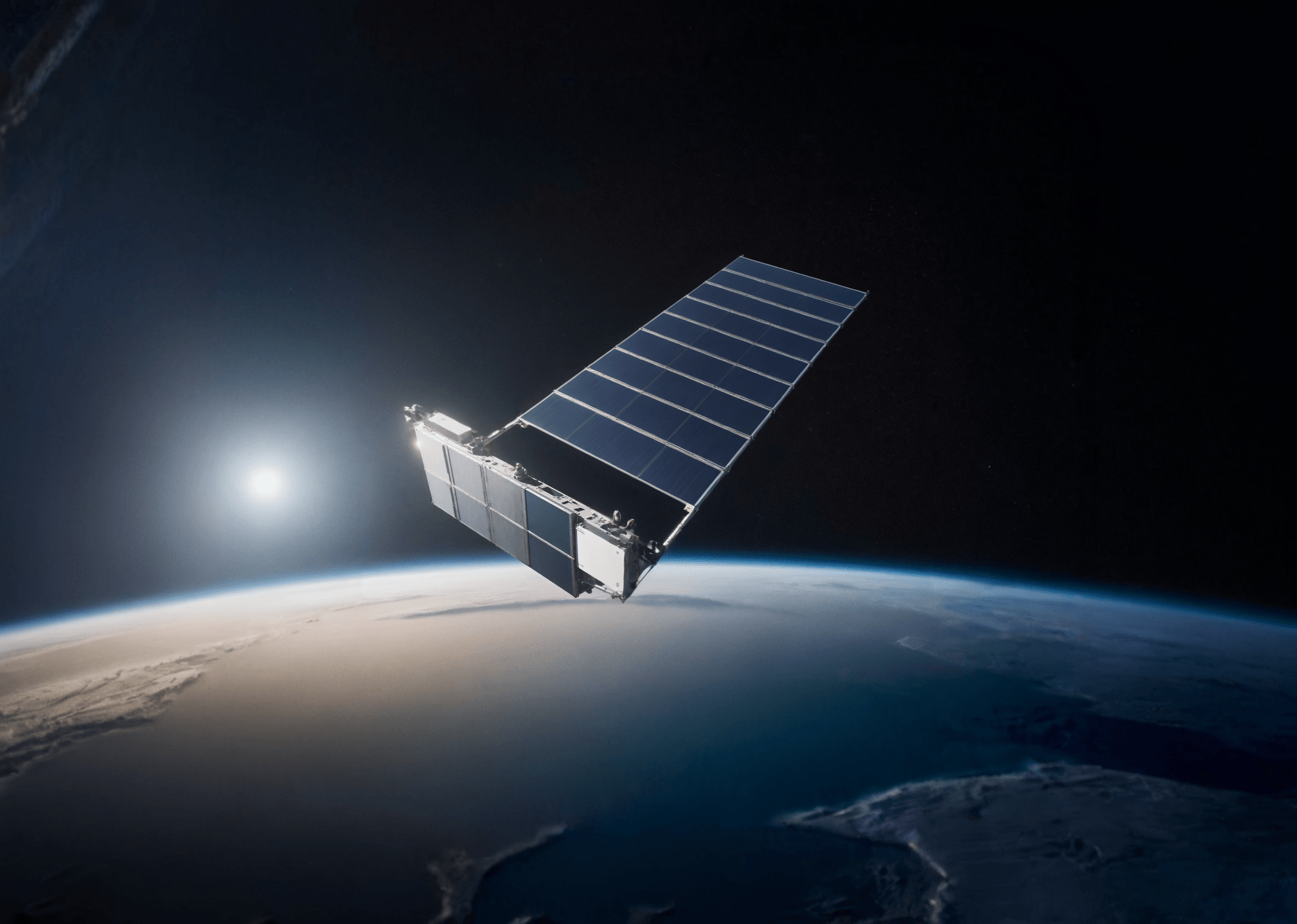
As of March 2024, SpaceX's Starlink has made remarkable strides in its quest to provide global broadband internet access. With an astounding number of satellites already in orbit and ambitious plans for expansion, Starlink is on track to dominate Earth's orbit in the coming years.

Today's Space Brief covers major developments including the public debut of Voyager Technologies, advancements in defense by Sierra Space, and Pentagon's mega-constellation challenges. Also featured are new software selections by the Space Force and legislative actions on acquisition pilots.
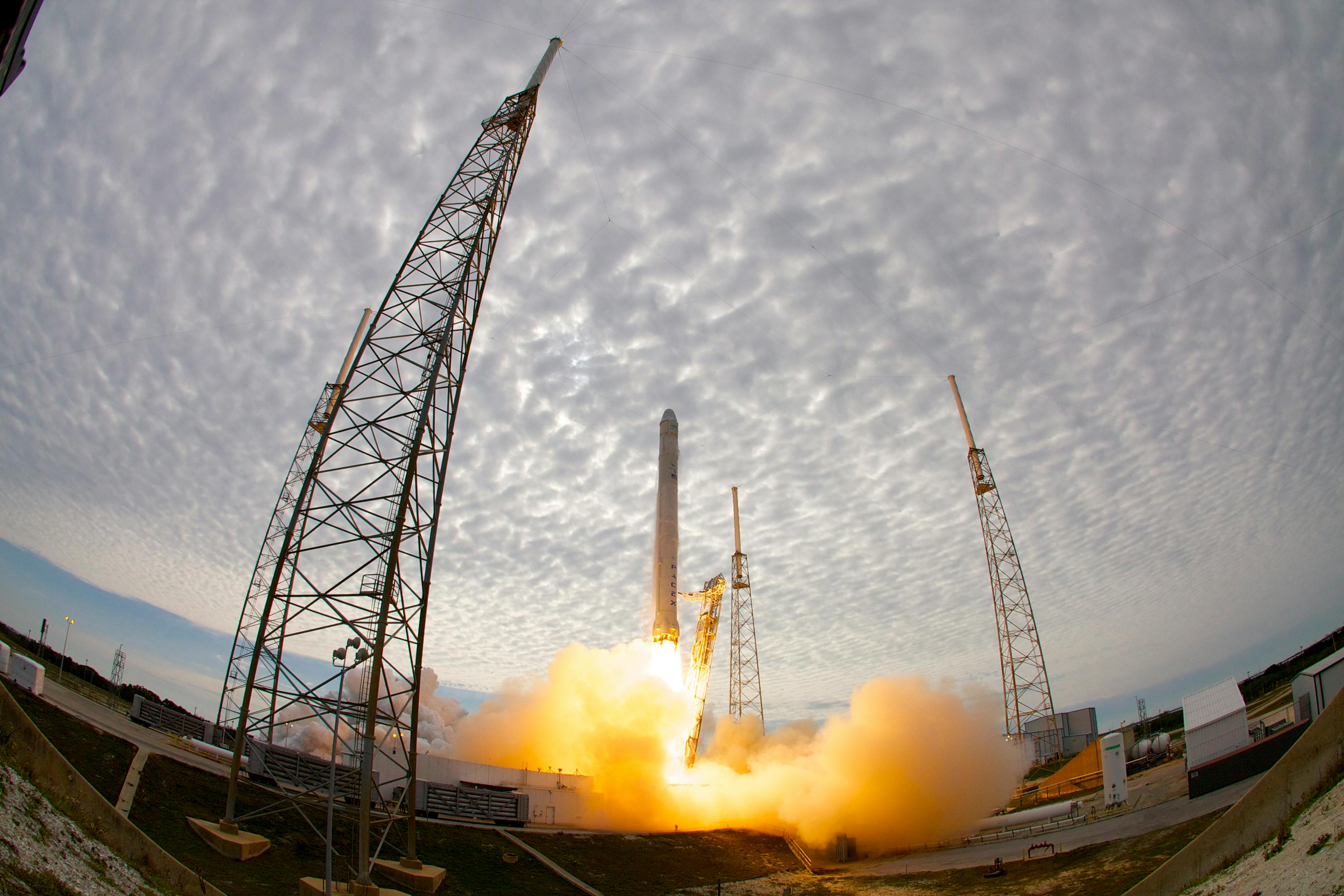
SpaceX successfully launched 24 Starlink satellites from California, enhancing its global internet coverage as the company continues to dominate the satellite communications market.
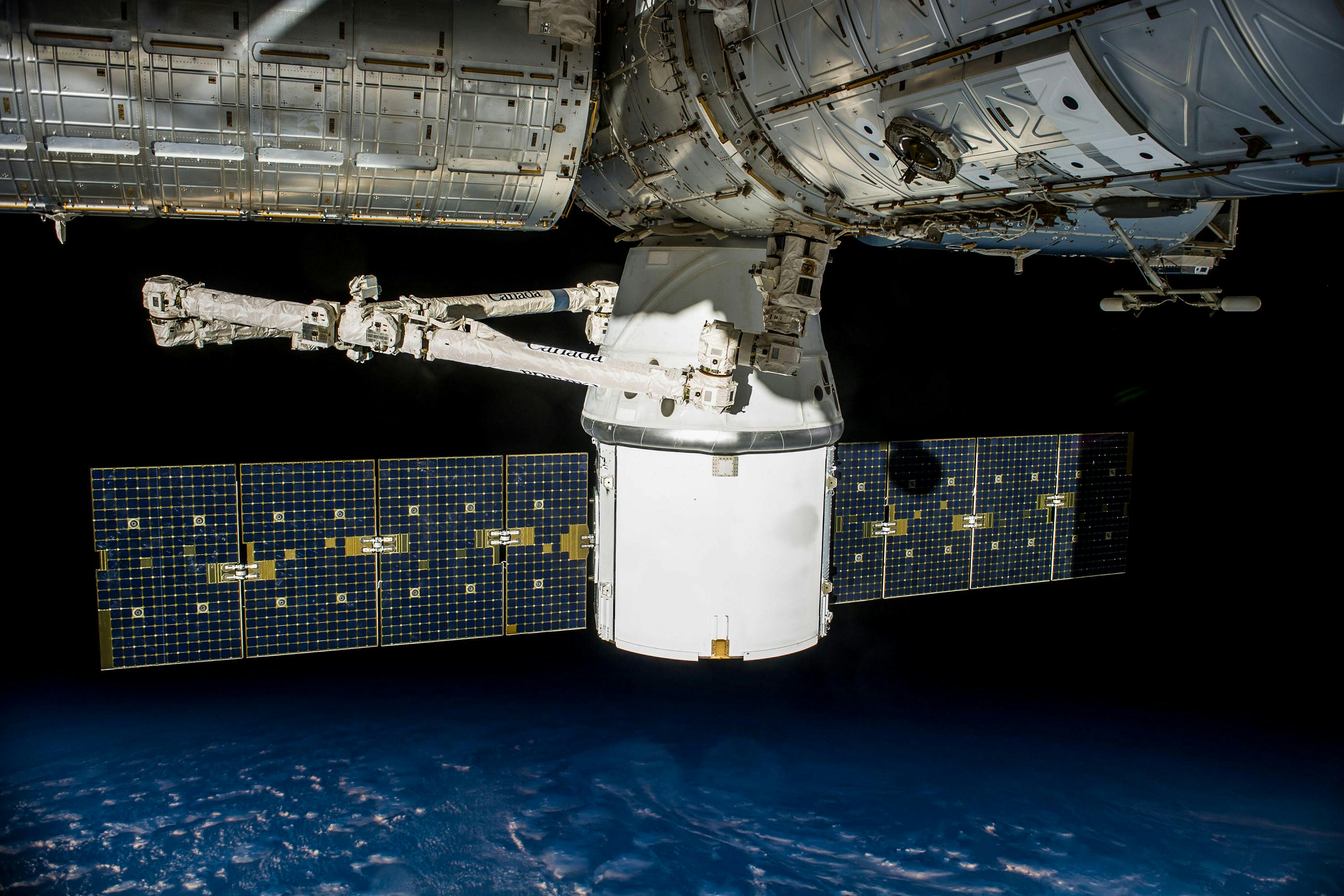
SpaceX attempts its 600th Falcon 9 booster landing during the Starlink 17-22 mission, adding 25 satellites from Vandenberg SFB.
China successfully recovered a Long March 10C first stage booster, positioning the methalox rocket as its primary commercial launcher. Reusable boosters reshape Beijing's LEO constellation strategy.