STARLINK-5086 (54856)

COSPAR: 2022-177AN | Alt Name: Starlink 5086

Image
STARLINK-5086 Satellite Image
Additional Sources
Launch Details

Launch Date

December 28, 2022

Launch Pad

LC40

Launch Vehicle

Falcon 9

Orbital Elements

NORAD ID

54856

International Designator

2022-177AN

Epoch

Sun, 19 Jul 2026 22:23:10 GMT

Apogee

Calculating...

Perigee

Calculating...

Inclination

43.00°

Right Ascension

94.89°

Eccentricity

Calculating...

Argument of Perigee

257.50°

Period

94.27 min

Mean Motion

15.28 rev/day

Latitude

Calculating...

Longitude

Calculating...

Altitude

Calculating...

Velocity

Calculating...

Polar Plot
3D Visualization
Basic Satellite Info

Name

STARLINK-5086

Alternative Name

Starlink 5086

Type

Payload

Status

Operational

Owner

SPXS

Country

United States

Constellation

N/A

Related Satellites

Major Events

N/A

Latest TLEs
1 54856U 22177AN  26200.93276300 -.00000238  00000+0  86317-6 0  9991
2 54856  43.0012  94.8934 0000950 257.5035 102.5711 15.27576310197313

Source: Celestrak

Summary
The STARLINK-5086 satellite, also known as Starlink 5086 and part of the Starlink Group 5-1-37 payload, was launched on December 28, 2022, from Cape Canaveral Air Force Station Launch Complex 40 using a Falcon 9 launch vehicle. It has dimensions of approximately 0.2 meters in length, 2.8 meters in diameter, and spans about 9 meters when fully extended. The satellite carries a dry mass of 290 kilograms and has a launch mass of 305 kilograms. Equipped with Ku/Ka-band payload and an optical inter-satellite link, it is designed for communication purposes. Its propulsion system uses krypton ion thrusters, and its power supply comes from solar arrays and batteries. The satellite's shape can be described as a box with a pan design. It was manufactured by SpaceX (SPXS) and operates under the ownership of the same company.

Starlink is a satellite constellation developed by SpaceX with the aim of providing global broadband internet coverage. Thousands of small satellites are deployed in low Earth orbit (LEO), enabling high-speed internet access even in remote areas. However, the rapid increase in satellites raises concerns about space debris and the potential for collisions, which can lead to further debris creation and endanger other spacecraft. Additionally, the sheer number of Starlink satellites can affect astronomical observations by increasing light pollution. Proper deorbiting plans and international coordination are essential to mitigate these challenges and ensure long-term sustainability in space.
Physical Characteristics

Length

0.2

Diameter

2.8

Span

9

Dry Mass

290

Launch Mass

305

Shape

Box + pan

Radar Cross Section

Unknown

Visual Magnitude

Unknown

Color

Unknown

Material Composition

Unknown

Technical Details

Payload

Starlink Group 5-1-37

Purpose

Communication

Mission

Communication

Manufacturer

SPXS

Life Expectancy

Unknown

Bus

Starlink

Configuration

Unknown

Motor

Krypton ion thrusters

Equipment

Ku/Ka-band payload, optical inter-satellite link

Power System

Solar arrays, batteries

ADCS

Unknown

Transmitter Frequency

Unknown

Map
This tool will help you track the satellite's position and predict its upcoming passes over your location. Simply input the coordinates or click the geolocation button to get started.
Next Pass
Azimuth Elevation Time (Local)
Start Azimuth
Max Elevation
Stop Azimuth
Time Until
Pass Duration

Satellite Articles

View All Posts »

Learn more about satellites and other related topics.

X Report 12 Jul 2025

X Report 12 Jul 2025

SpaceX prepares for the Crew-11 astronaut mission launch, while Starlink continues to expand its satellite network in orbit.

The End of Free Skies | FAA Starts Charging for Rocket Launches

The End of Free Skies | FAA Starts Charging for Rocket Launches

On April 22, 2026, the FAA published a final rule implementing per-launch user fees for commercial space transportation — the first time the U.S. government has charged payload-based fees for rocket launches. Starting at 25 cents per pound with a $30,000 cap, the fees are modest today. By 2033, they won't be.
Space Brief 1 Oct 2025

Space Brief 1 Oct 2025

Today's brief covers an increase in Chinese satellite launches, the operational status of the Space Force's ATLAS software, and a significant fundraising event in the defense sector.
The Day Two Astronauts Proved We Could Reach the Moon

The Day Two Astronauts Proved We Could Reach the Moon

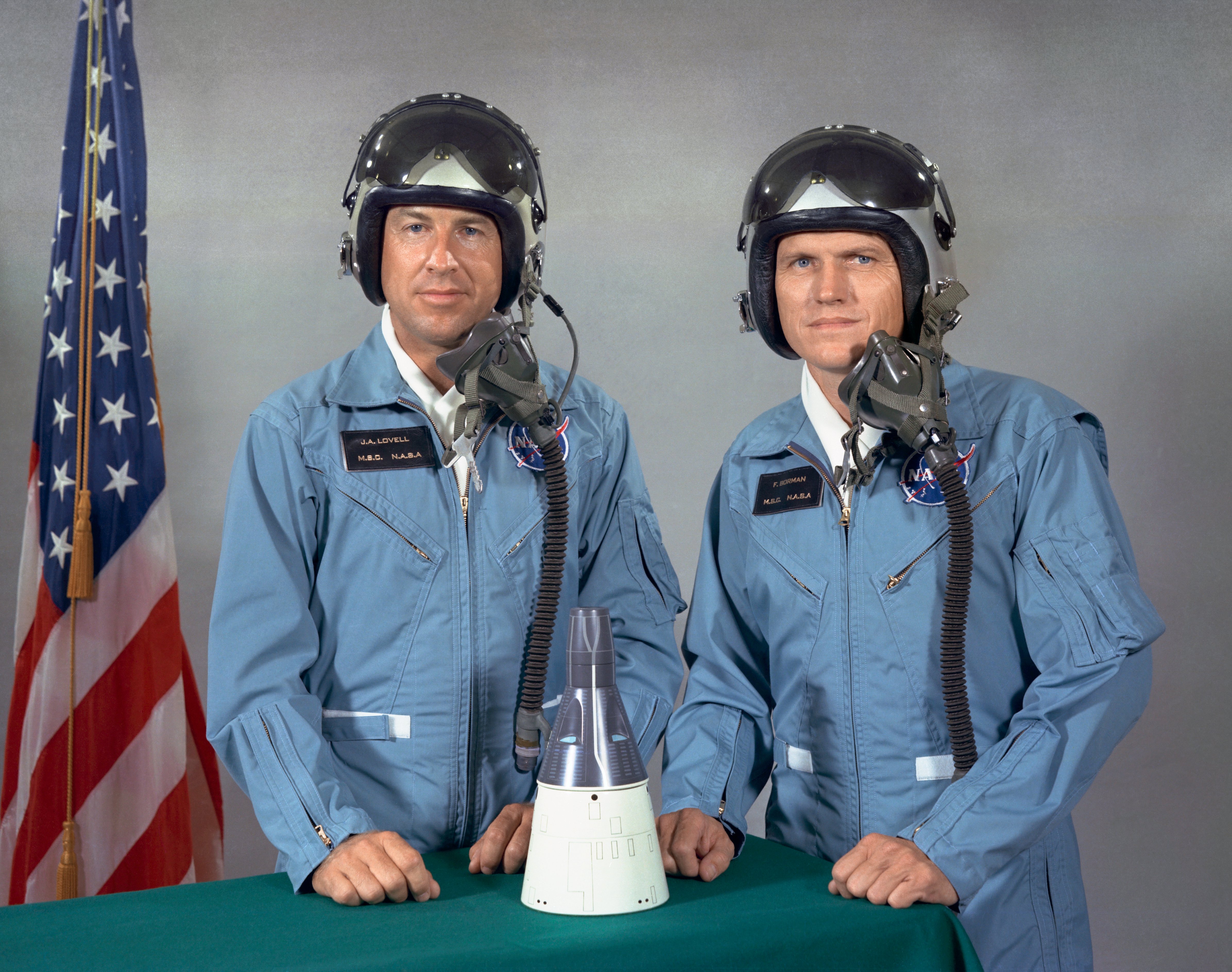
Sixty years ago, Frank Borman and James Lovell launched aboard Gemini 7 for a grueling 14-day mission that would prove humans could endure the journey to the moon and achieve the first true rendezvous in space
25 Starlinks Lift Off from Vandenberg in Latest Batch | KeepTrack X Report

25 Starlinks Lift Off from Vandenberg in Latest Batch | KeepTrack X Report

SpaceX launched 25 more Starlink satellites from Vandenberg SFB on March 8, 2026, pushing the active constellation toward 9,914 working spacecraft.

Crew-11 Astronauts Arrive in Houston After Historic ISS Evacuation | KeepTrack X Report

Crew-11 Astronauts Arrive in Houston After Historic ISS Evacuation | KeepTrack X Report

Crew-11 astronauts arrive in Houston following first-ever ISS medical evacuation. Starlink continues robust satellite deployment schedule with ongoing constellation expansion.
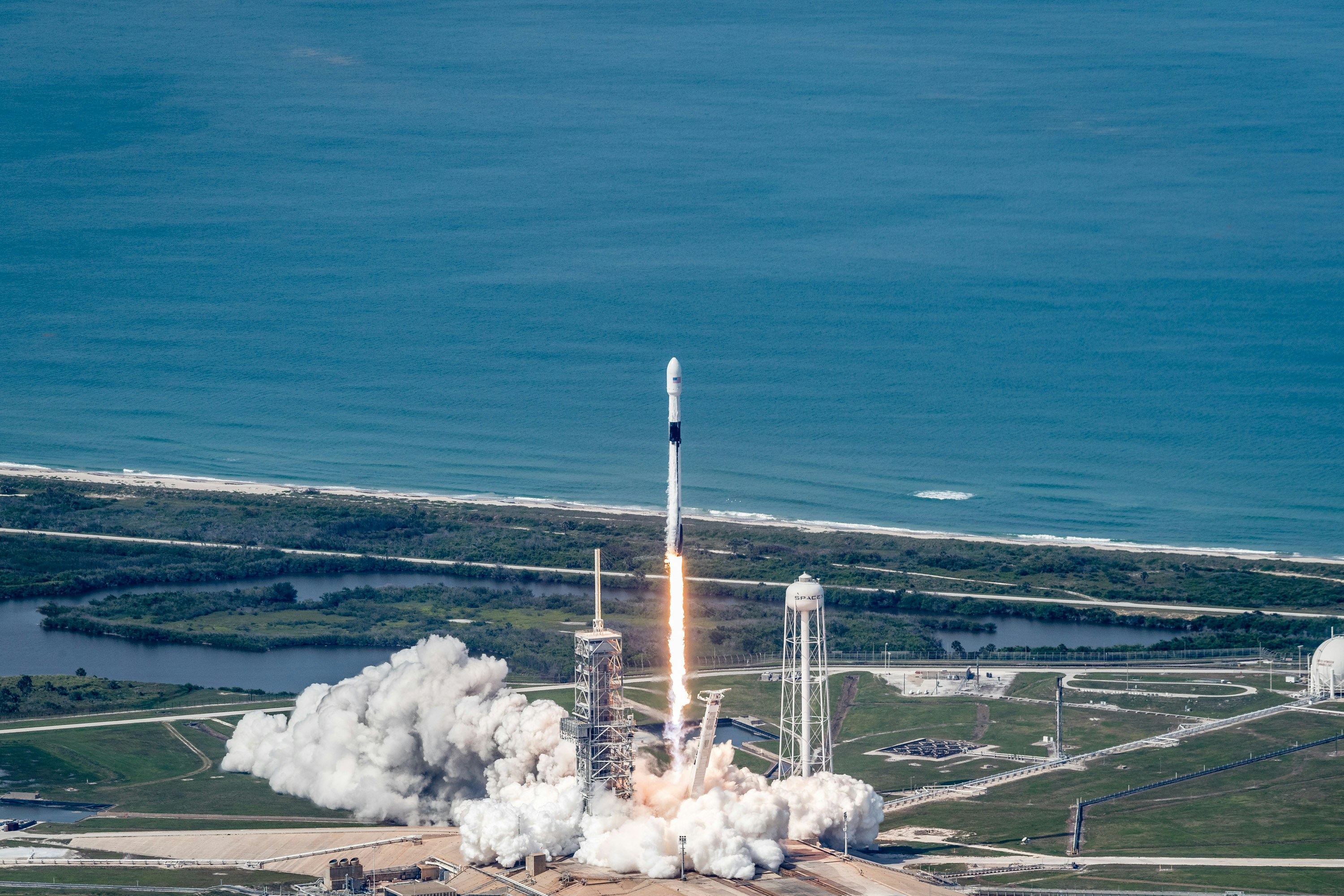
Starship Flight 13 Static Fire, Florida Push, X Report 4 Jul 2026

Starship Flight 13 Static Fire, Florida Push, X Report 4 Jul 2026

Starship update July 2026: Flight 13 completed a full six-Raptor static fire as SpaceX targets its first Cape Canaveral Starship launch by year's end.
X Report 18 Dec 2024

X Report 18 Dec 2024

SpaceX achieves significant milestones with Starship and multiple launch missions, while Starlink connectivity expands through T-Mobile's beta program.
