

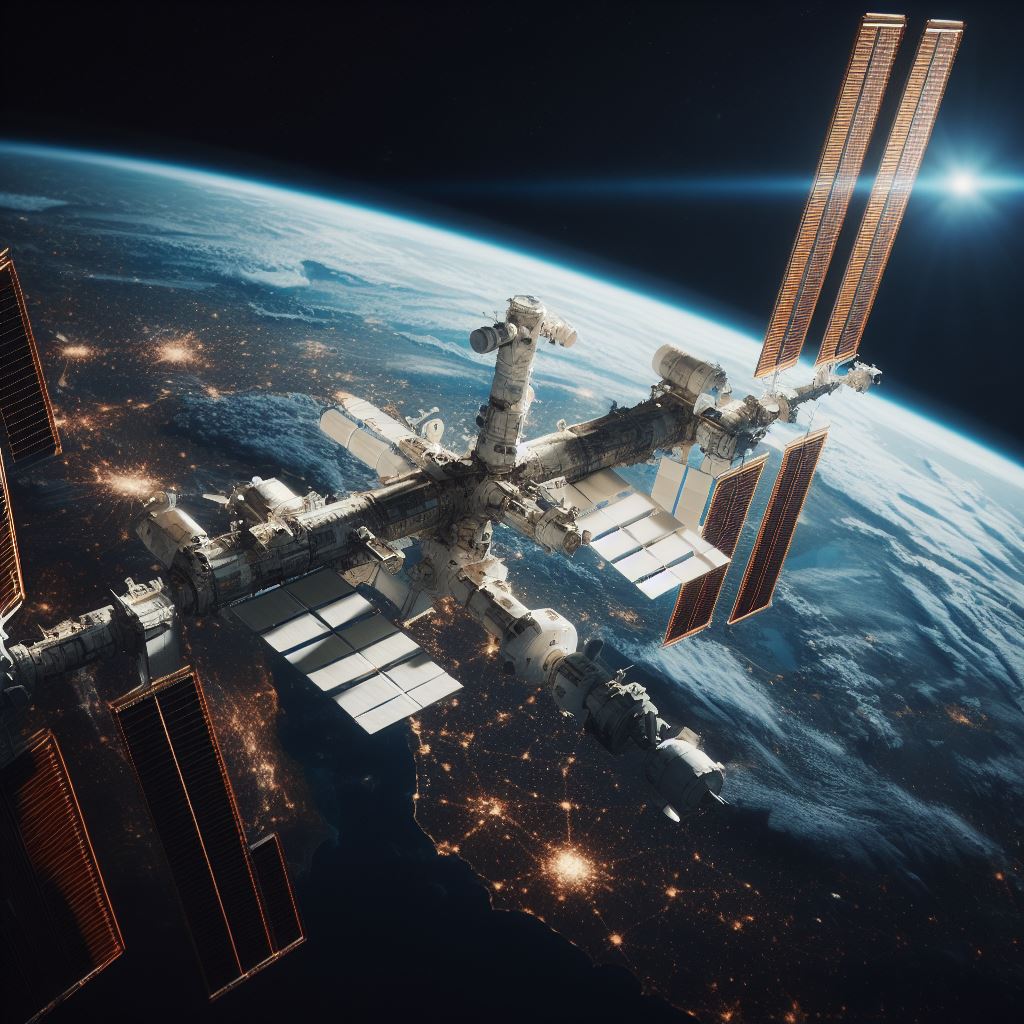
The Evolution of Space Stations
A brief journey through the evolution of space stations, delving into Russia's Mir, the International Space Station, China's Tiangong, and envisioning the future of orbital habitats.


Launch Date
May 17, 2012
Launch Site
TANSC
Launch Pad
Y
Launch Vehicle
H-IIA 202
NORAD ID
54739
International Designator
2012-025AX
Decay Date
12/22/2022
Name
H-2A DEB
Alternative Name
deb H-2A F21
Type
Status
Owner
JAXA
Country
Japan
Constellation
N/A
Related Satellites
Major Events
N/A
Length
0
Diameter
0
Span
0
Dry Mass
0
Launch Mass
0
Shape
N/A
Radar Cross Section
Unknown
Visual Magnitude
Unknown
Color
Unknown
Material Composition
Unknown
Payload
Unknown
Purpose
Unknown
Mission
Unknown
Manufacturer
MHITO
Life Expectancy
Unknown
Bus
Unknown
Configuration
Unknown
Motor
Unknown
Equipment
Unknown
Power System
Unknown
ADCS
Unknown
Transmitter Frequency
Unknown
Learn more about satellites and other related topics.
A brief journey through the evolution of space stations, delving into Russia's Mir, the International Space Station, China's Tiangong, and envisioning the future of orbital habitats.
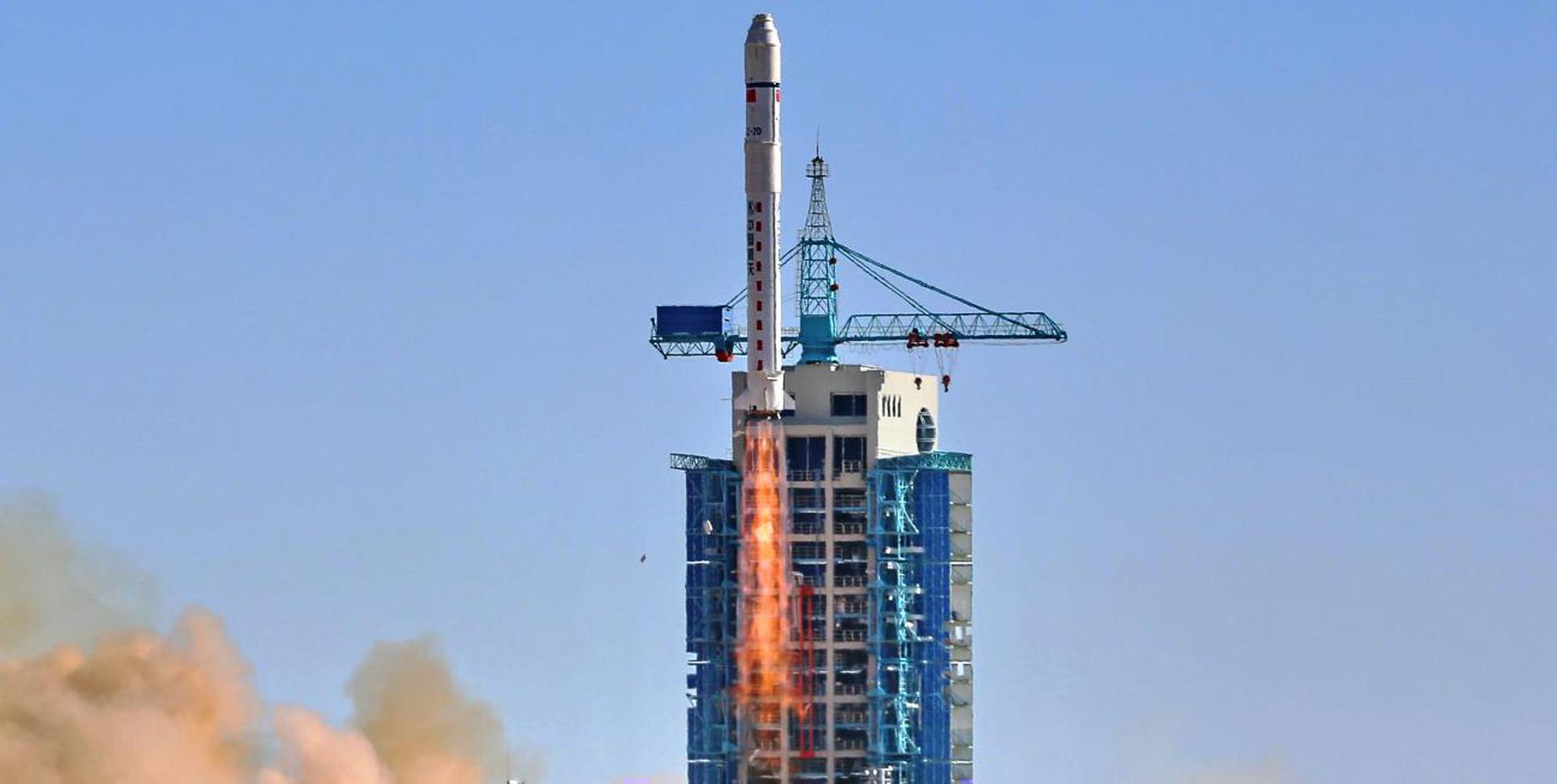
Blue Origin's fourth New Glenn rocket exploded during static fire at LC-36, Cape Canaveral, destroying the fully stacked vehicle and pad infrastructure. Amazon Leo launch postponed indefinitely.
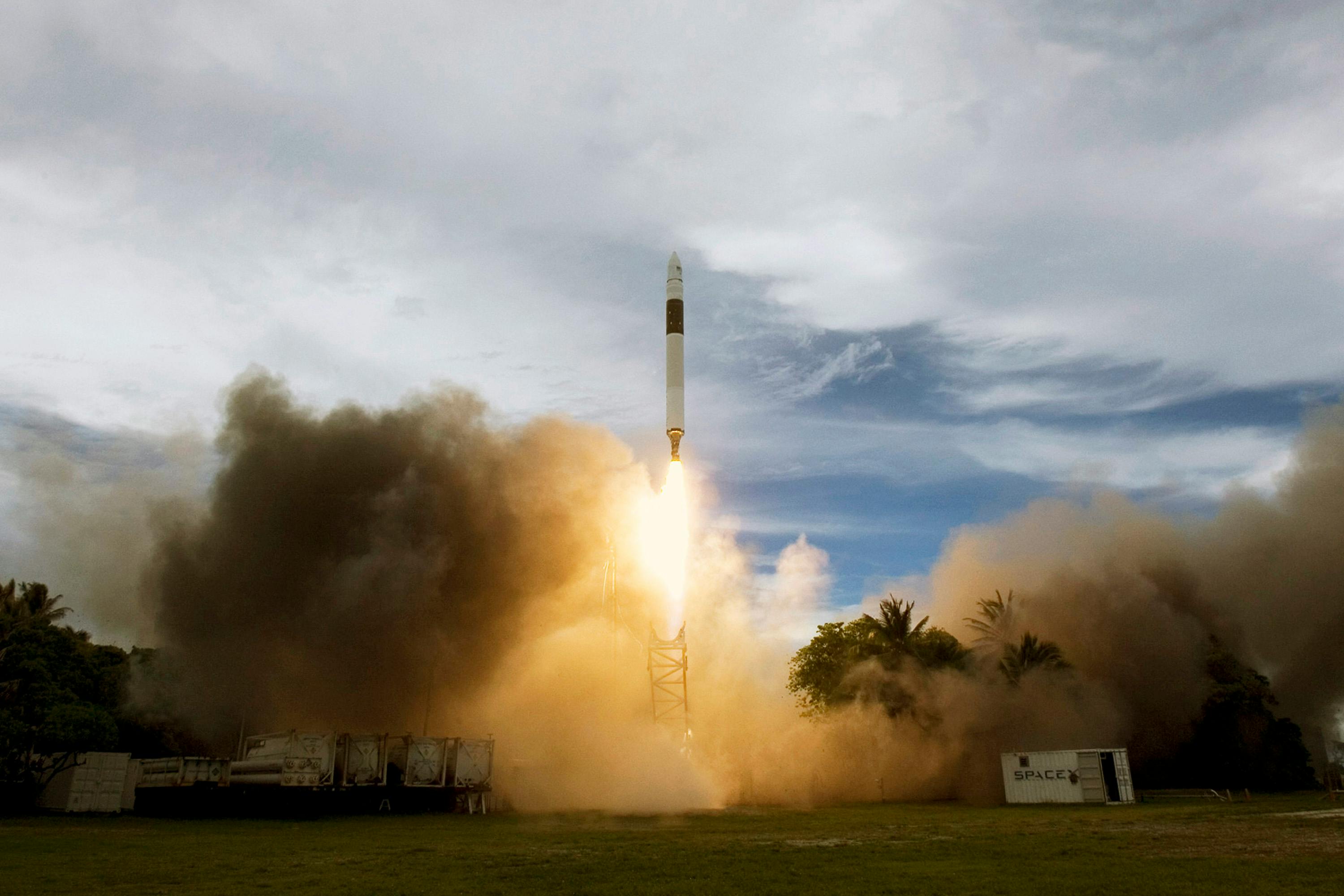
SpaceX celebrated Star Wars Day with a successful launch of Starlink satellites, furthering its mission to enhance global internet access. Lego also revealed a new collectible set tied to the franchise.

SpaceX's Falcon 9 achieves a milestone with its 24th launch for Starlink, while competitive moves continue in the satellite internet market.

Today's brief covers SpaceX's secretive military launch, advancements in nuclear fusion, and groundbreaking observations of dying stars and supernovae.
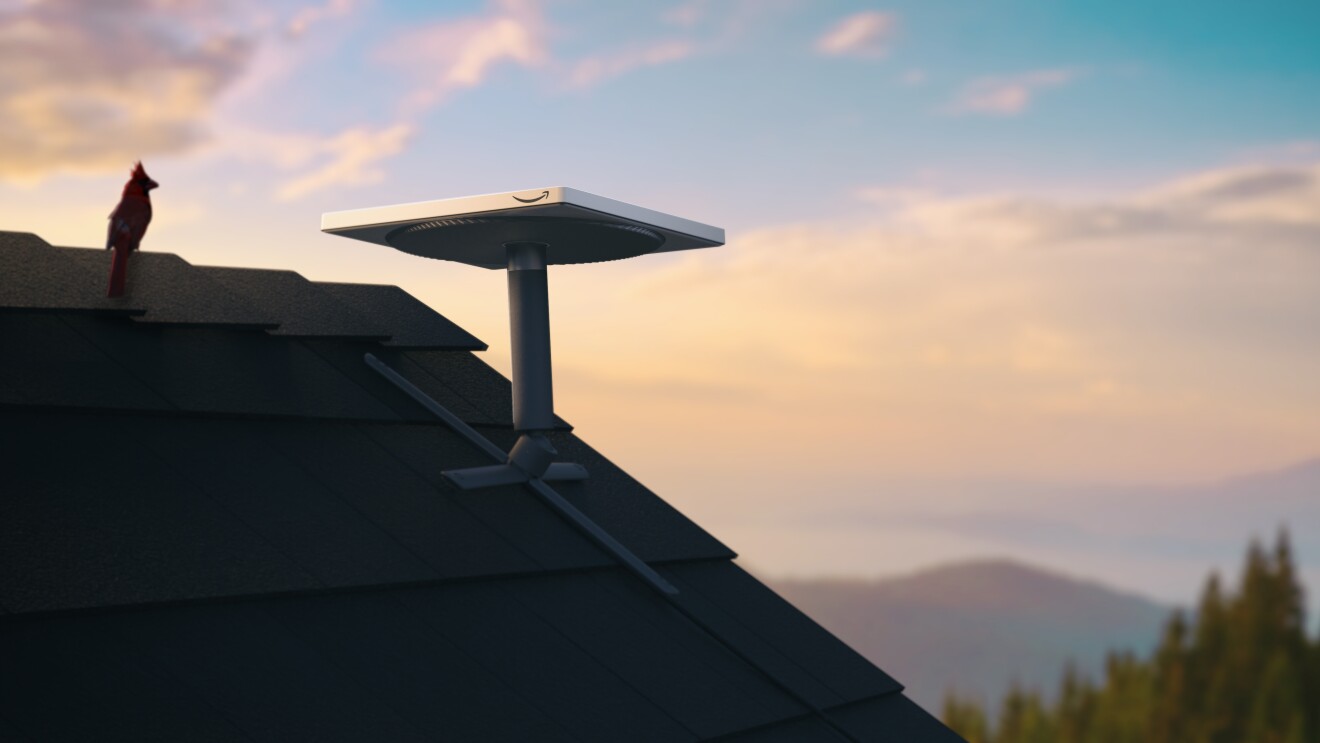
Today's brief highlights significant advancements in satellite launches, new defense contracts, and technological integrations between major firms in the space sector.

Forty years ago today, Challenger lifted off LC-39A on a science mission that nobody outside Morton-Thiokol would call dangerous. Years later, after the orbiter and seven other astronauts were gone, investigators looked at the recovered boosters from STS-51B and realized the crew had come within a fraction of a second of dying first. This is the story of the launch that should have been a warning.

Today's brief covers China's Beidou satellite plans, SpaceX's Starship advancements, potential Space Command HQ relocation, and more.