


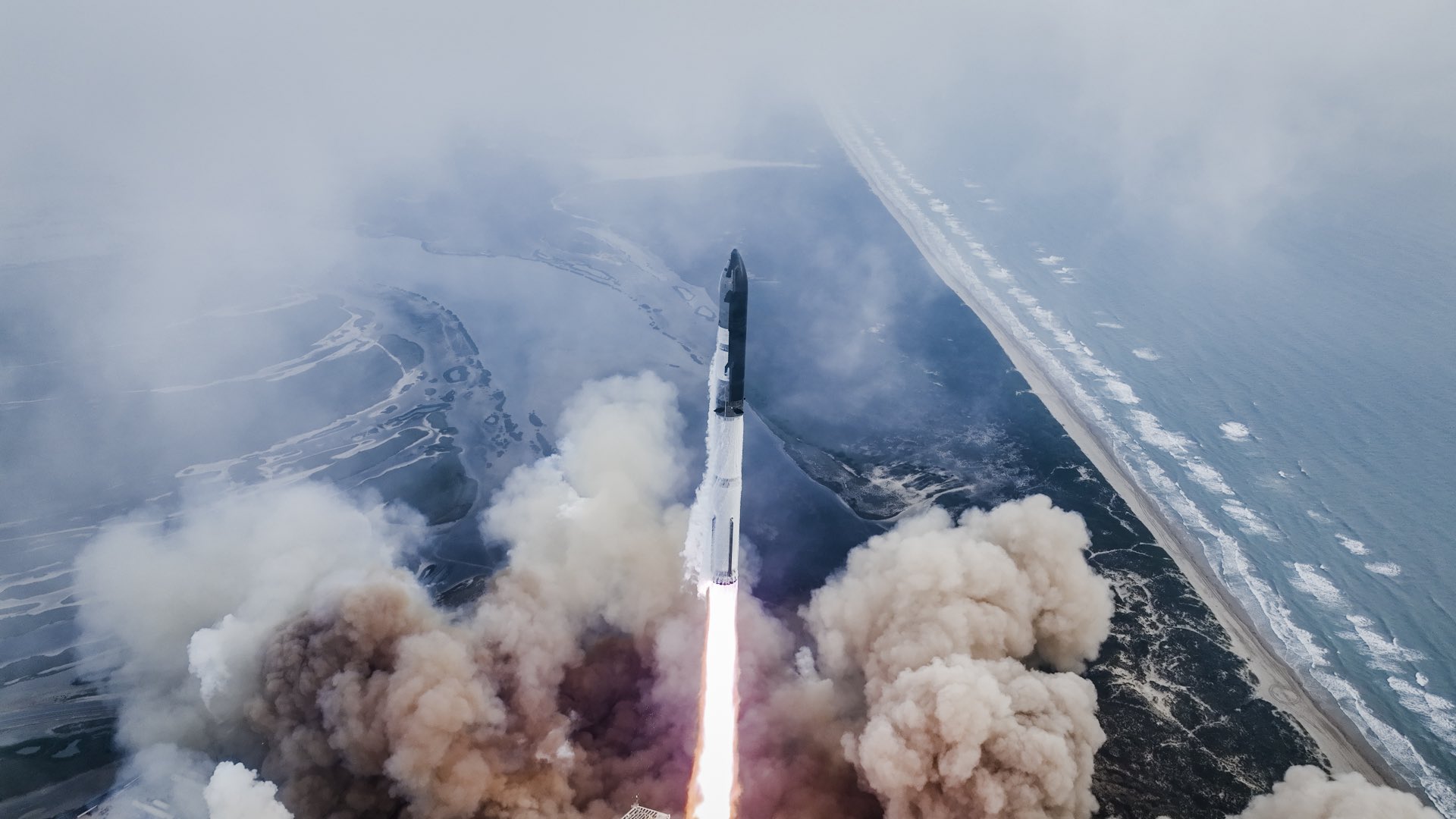
Space Brief 14 May 2025
Today's edition covers China's latest launches in their classified satellite programs, ongoing discussions in the U.S. Senate on missile defense, and the ever-escalating space debris crisis threatening national security.


![COSMOS 2564 [GLONASS-M] Satellite Image](https://thespacedevs-prod.nyc3.digitaloceanspaces.com/media/images/soyuz_2.1b_image_20230802085331.jpg)
Launch Date
November 28, 2022
Launch Site
PLMSC
Launch Pad
LC43/4
Launch Vehicle
Soyuz-2-1B
NORAD ID
54377
International Designator
2022-161A
Epoch
Sun, 19 Jul 2026 03:36:59 GMT
Apogee
Calculating...
Perigee
Calculating...
Inclination
64.74°
Right Ascension
191.65°
Eccentricity
Calculating...
Argument of Perigee
224.84°
Period
675.73 min
Mean Motion
2.13 rev/day
Latitude
Calculating...
Longitude
Calculating...
Altitude
Calculating...
Velocity
Calculating...
Name
COSMOS 2564 [GLONASS-M]
Alternative Name
Kosmos-2564
Type
Status
Owner
VVKOV/IACG
Country
Russia
Constellation
N/A
Related Satellites
Major Events
N/A
1 54377U 22161A 26200.15069211 .00000072 00000+0 00000+0 0 9990
2 54377 64.7441 191.6506 0012193 224.8358 135.0652 02.13102039 28317
Source: Celestrak
Length
4
Diameter
1.5
Span
7.8
Dry Mass
1200
Launch Mass
1450
Shape
Cyl + Ant + 2 Pan
Radar Cross Section
Unknown
Visual Magnitude
Unknown
Color
Unknown
Material Composition
Unknown
Payload
Uragan-M No. 61L
Purpose
Navigation
Mission
Navigation
Manufacturer
RESH
Life Expectancy
7 years
Bus
Uragan
Configuration
3-Axis stabilized Uragan-M bus
Motor
?
Equipment
?
Power System
2 deployable solar arrays, batteries
ADCS
Unknown
Transmitter Frequency
Unknown
Learn more about satellites and other related topics.
Today's edition covers China's latest launches in their classified satellite programs, ongoing discussions in the U.S. Senate on missile defense, and the ever-escalating space debris crisis threatening national security.
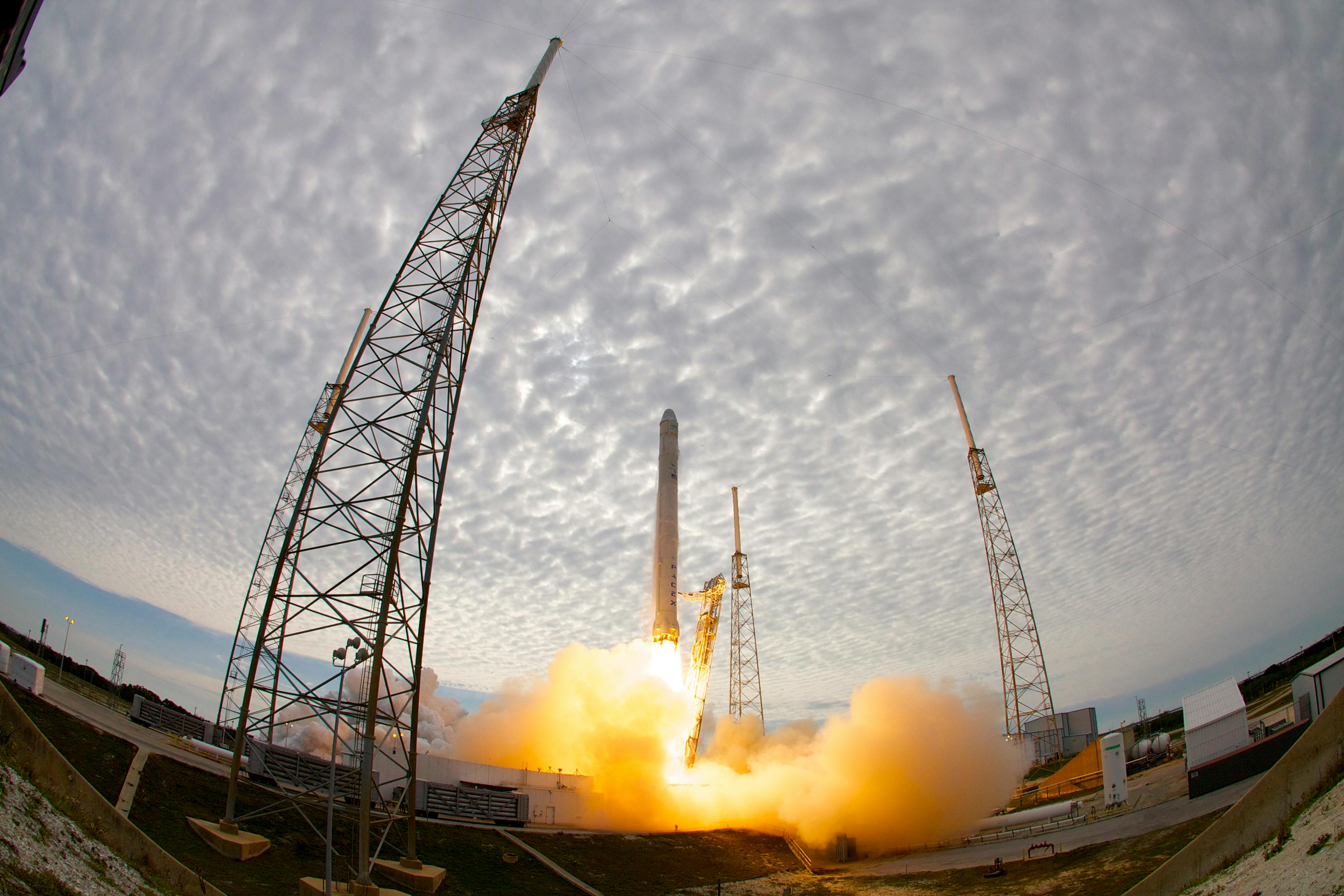
SpaceX celebrates significant milestones with its 100th launch of the year, enhancing Starlink's coverage while preparing for an escalating Starship production cadence.
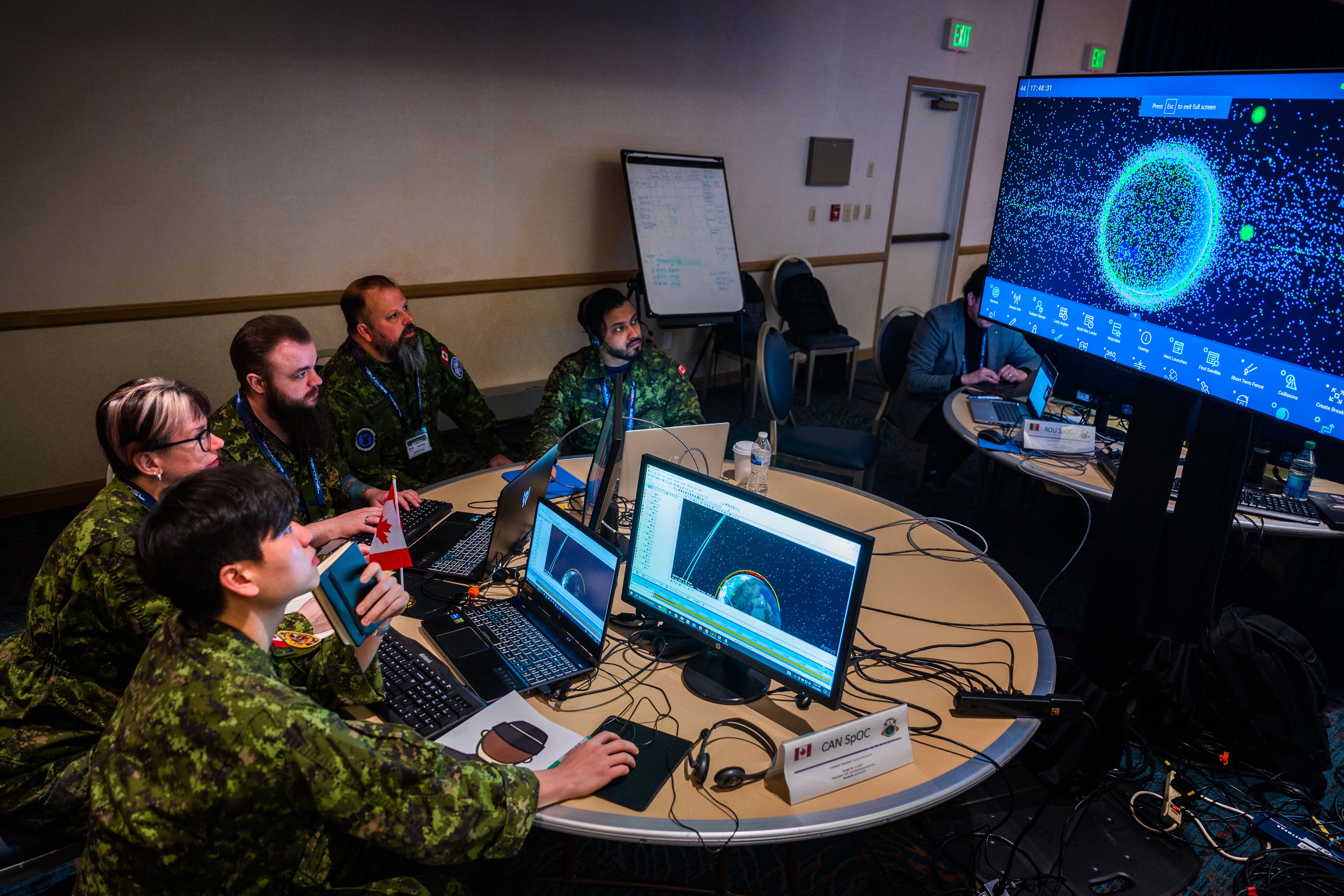
Space Force shares classified tracking data with commercial firms. Falcon 9 reentry linked to upper-atmosphere lithium plume. SpaceX launches 54 Starlink sats in one day.

Key developments include Redwire's contract for a US Space Force mission, UK's steps toward its first orbital launch, and a detailed military satellite spotlight.
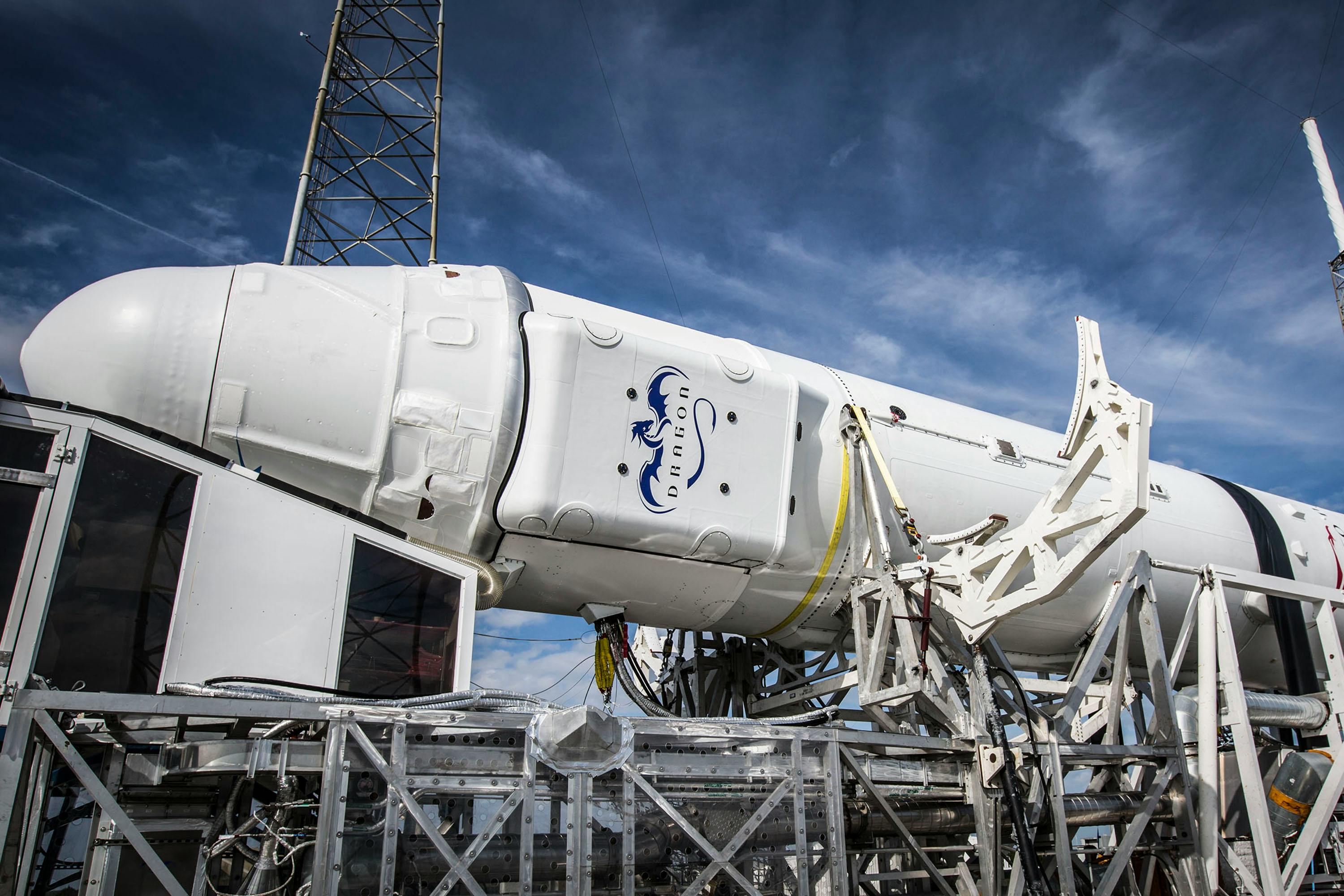
SpaceX successfully launched 27 Starlink satellites, marking another milestone for its broadband internet service. Meanwhile, the latest GPS III satellite was also launched for the U.S. military, showcasing SpaceX's multifaceted capabilities.
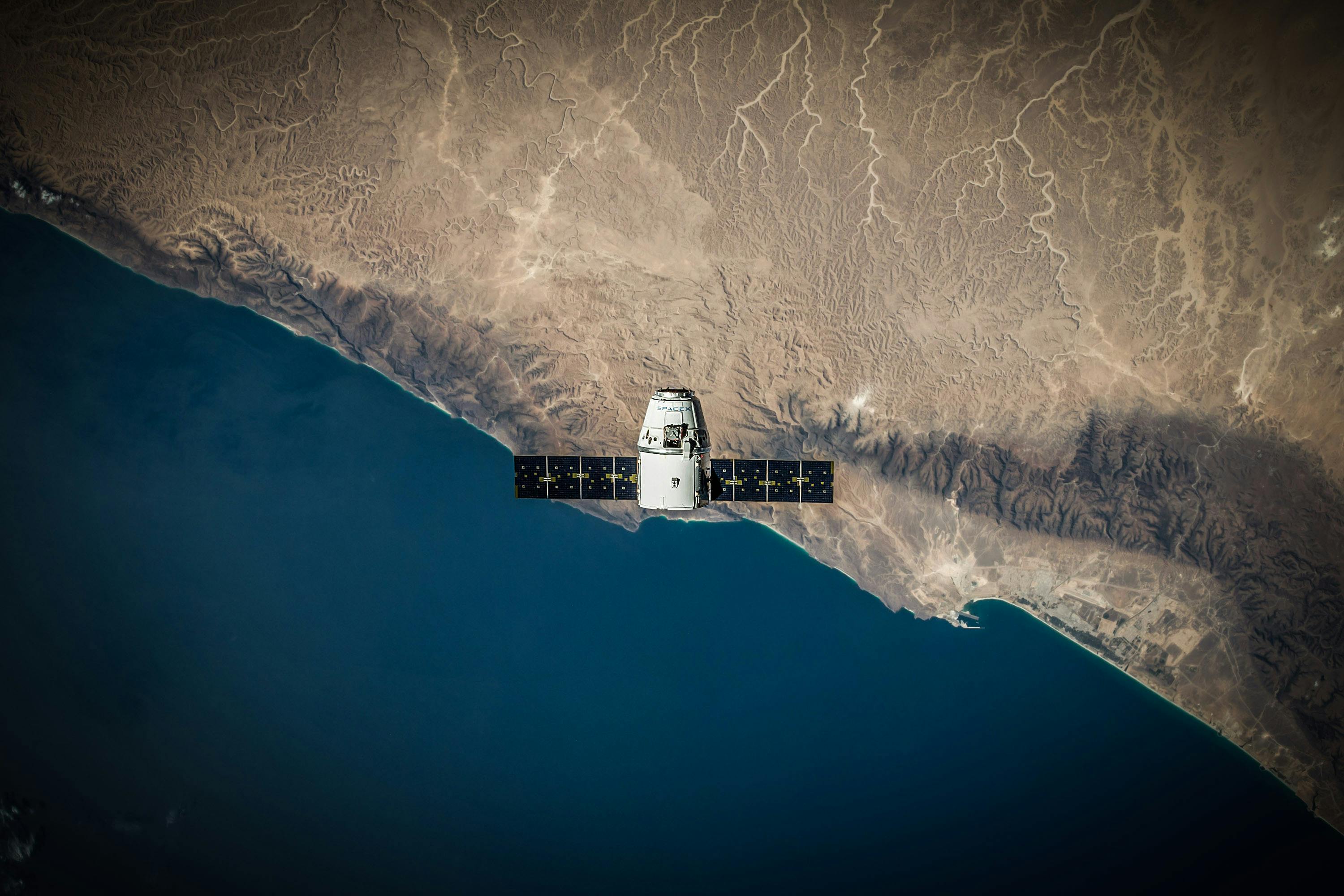
SpaceX ramps up Raptor 3 testing and the launch landscape heats up with Vulcan and Ariane set to lift off before Starlink missions.
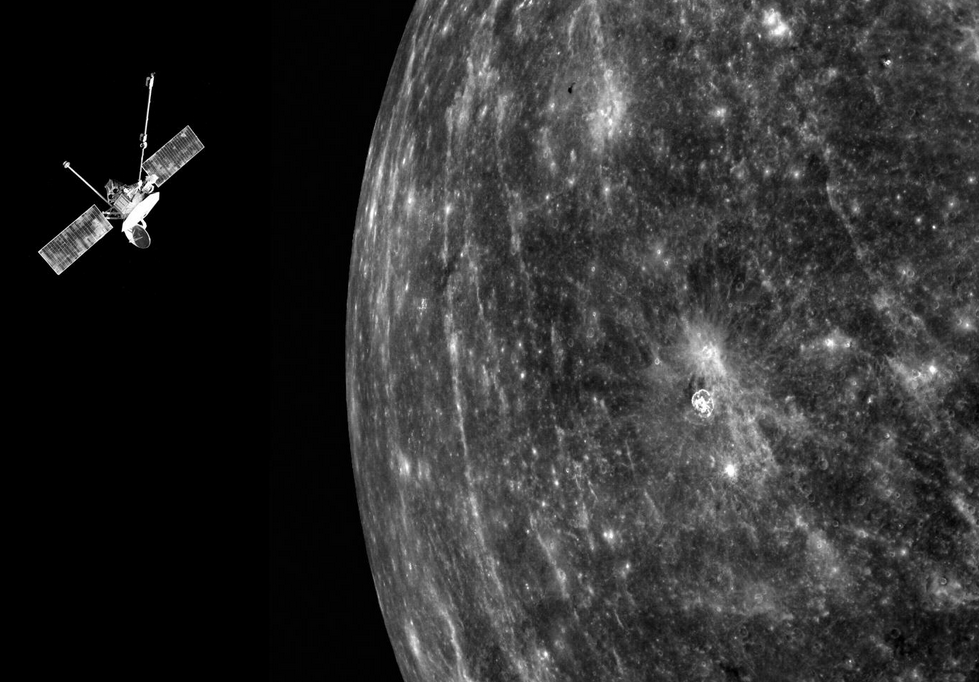
Fifty-one years ago, Mariner 10 revolutionized space exploration by executing the first-ever planetary gravity assist at Venus, pioneering a technique that would transform how we explore the solar system
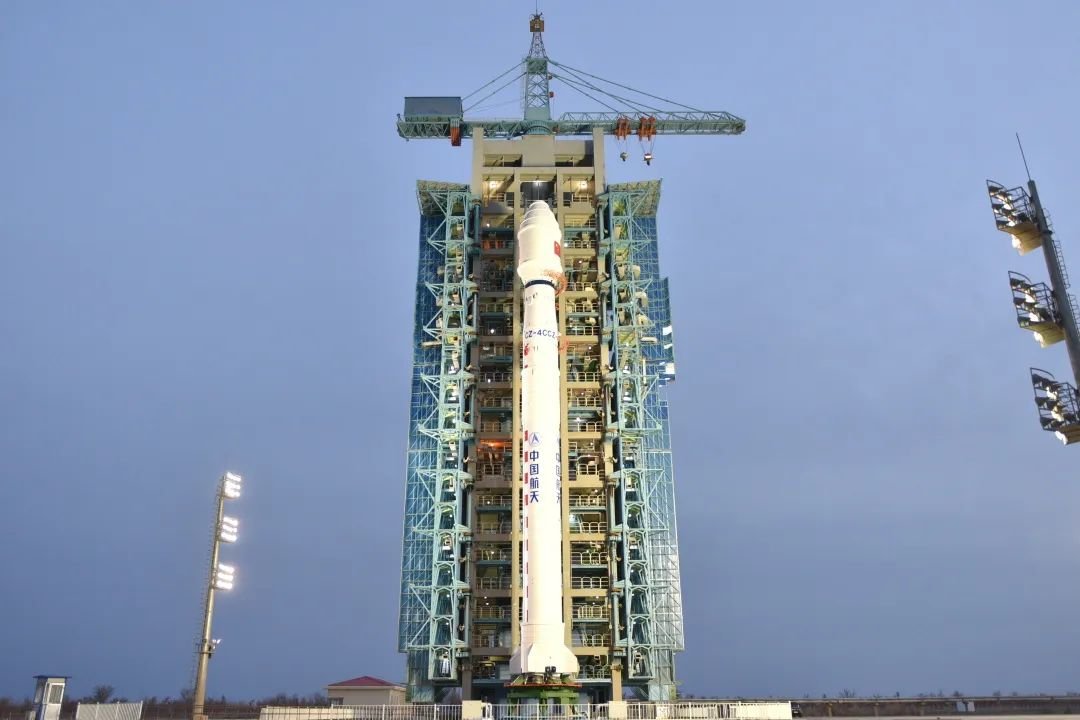
Today's Space Brief covers the inaugural national security mission of ULA's Vulcan Centaur, the Space Force's 2026 budget insights, and shifts in military drone technology.