

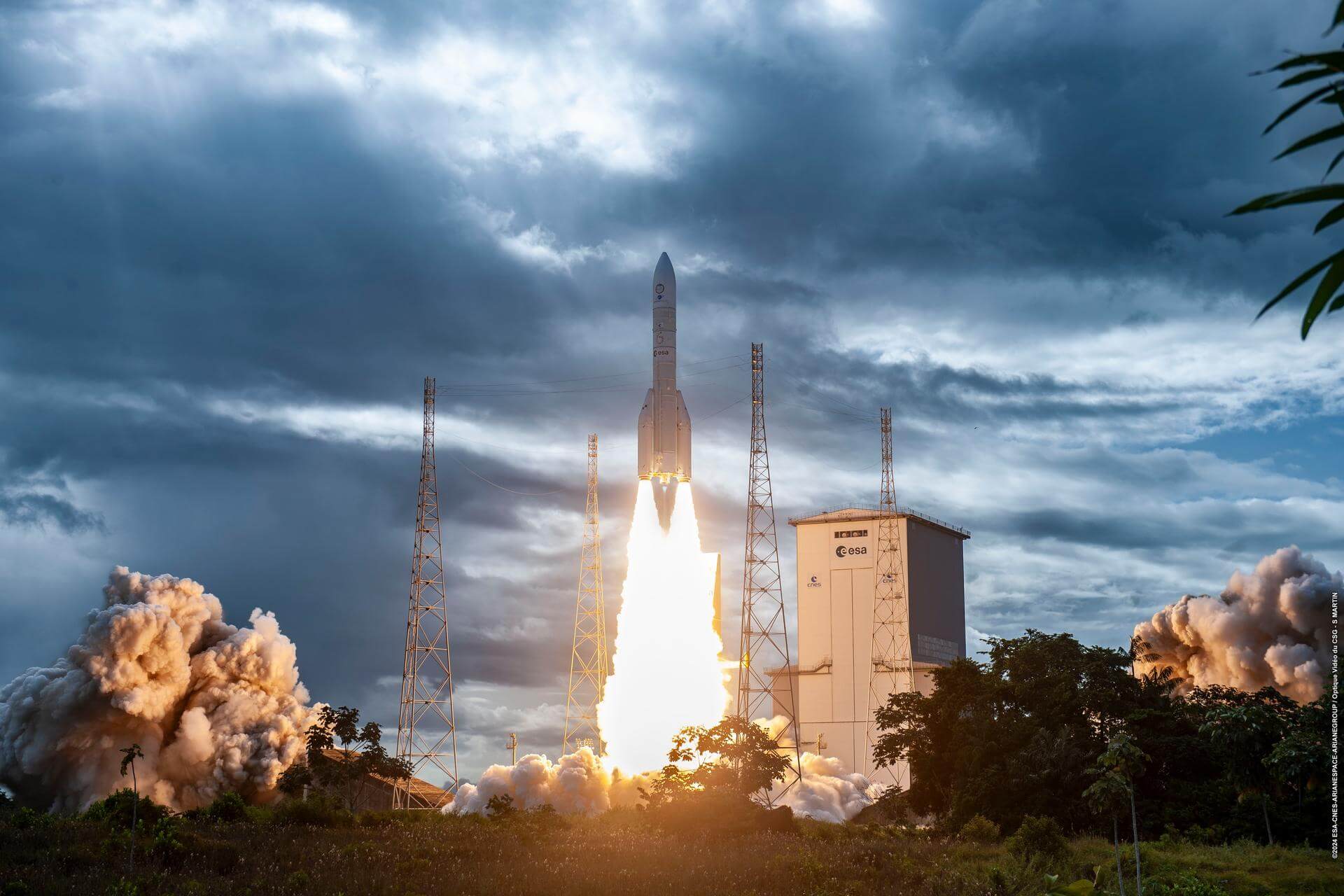
Space Brief 2 Feb 2025
Today's highlights include new satellite launches by SpaceX, technical hiccups for an Indian navigation satellite, and insights into the future of satellite servicing.


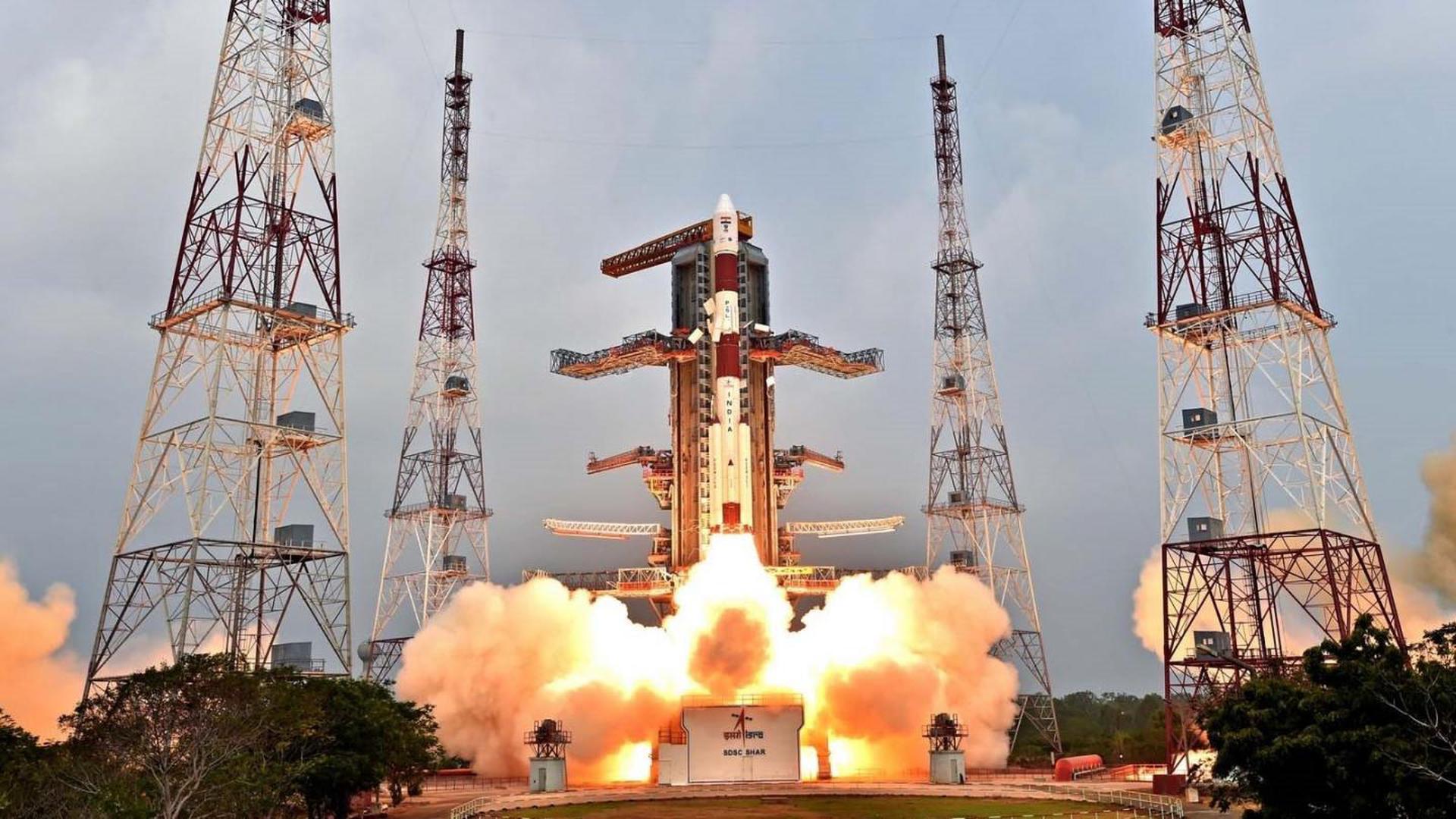
Launch Date
November 26, 2022
Launch Site
SRILR
Launch Pad
FLP
Launch Vehicle
PSLV-XL
NORAD ID
54364
International Designator
2022-158D
Decay Date
5/24/2024
Name
THYBOLT-2
Alternative Name
Thybolt 2
Type
Status
Owner
DHRUVA
Country
India
Constellation
N/A
Related Satellites
Major Events
N/A
Length
0.05
Diameter
0.1
Span
0.1
Dry Mass
0.725
Launch Mass
0.725
Shape
Box
Radar Cross Section
Unknown
Visual Magnitude
Unknown
Color
Unknown
Material Composition
Unknown
Payload
Thybolt 2
Purpose
Technology, communications
Mission
Technology, communications
Manufacturer
DHRUVA
Life Expectancy
1 year
Bus
Cubesat 0.5U
Configuration
CubeSat (0.5U)
Motor
Unknown
Equipment
Store-and-forward communications payload
Power System
Solar cells, batteries
ADCS
Unknown
Transmitter Frequency
Unknown
Learn more about satellites and other related topics.
Today's highlights include new satellite launches by SpaceX, technical hiccups for an Indian navigation satellite, and insights into the future of satellite servicing.
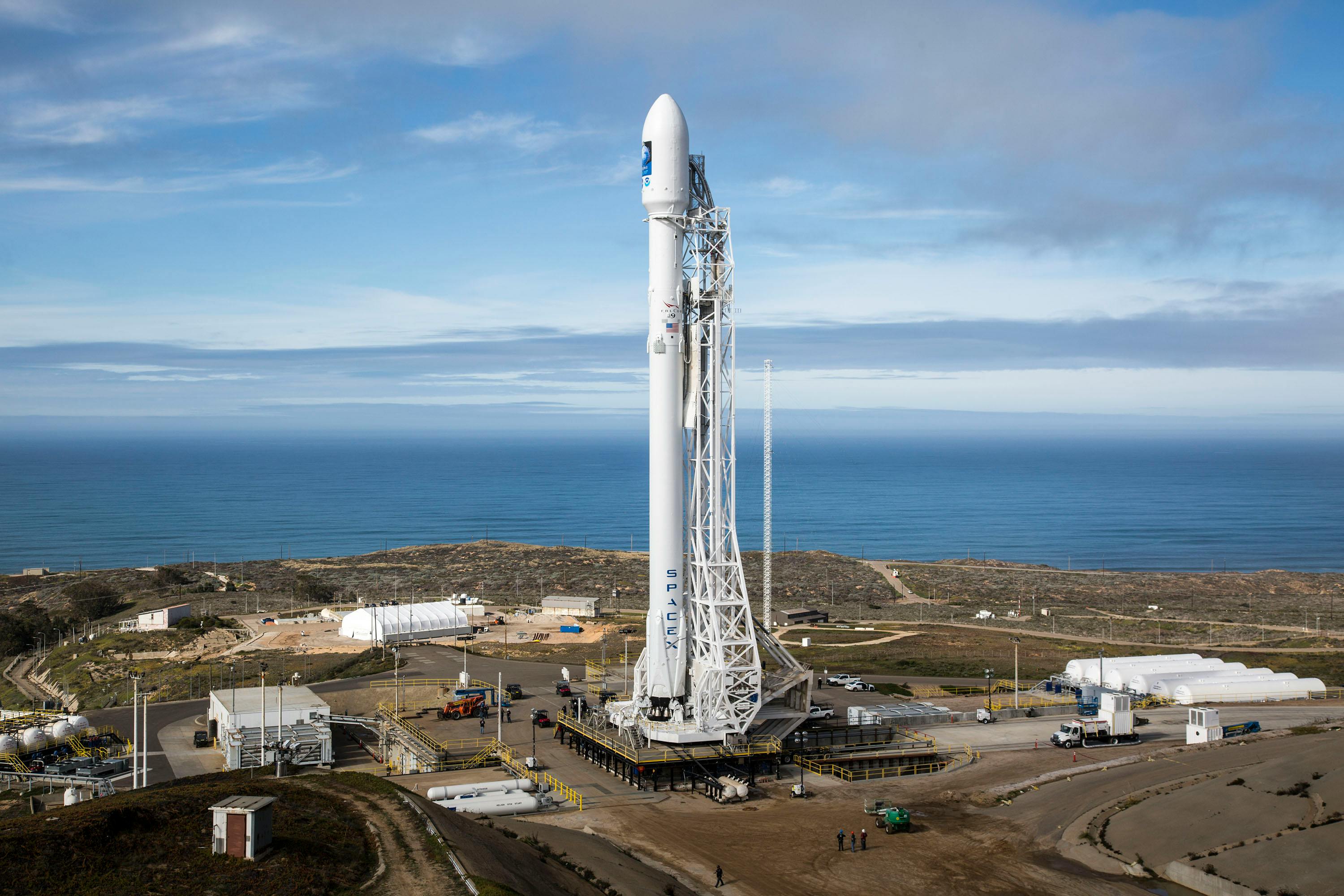
SpaceX successfully launched 29 Starlink satellites on the record-breaking 32nd flight of its Falcon 9 rocket. Elon Musk discusses a potential future as a Type II civilization, emphasizing the role of AI and satellite technology.
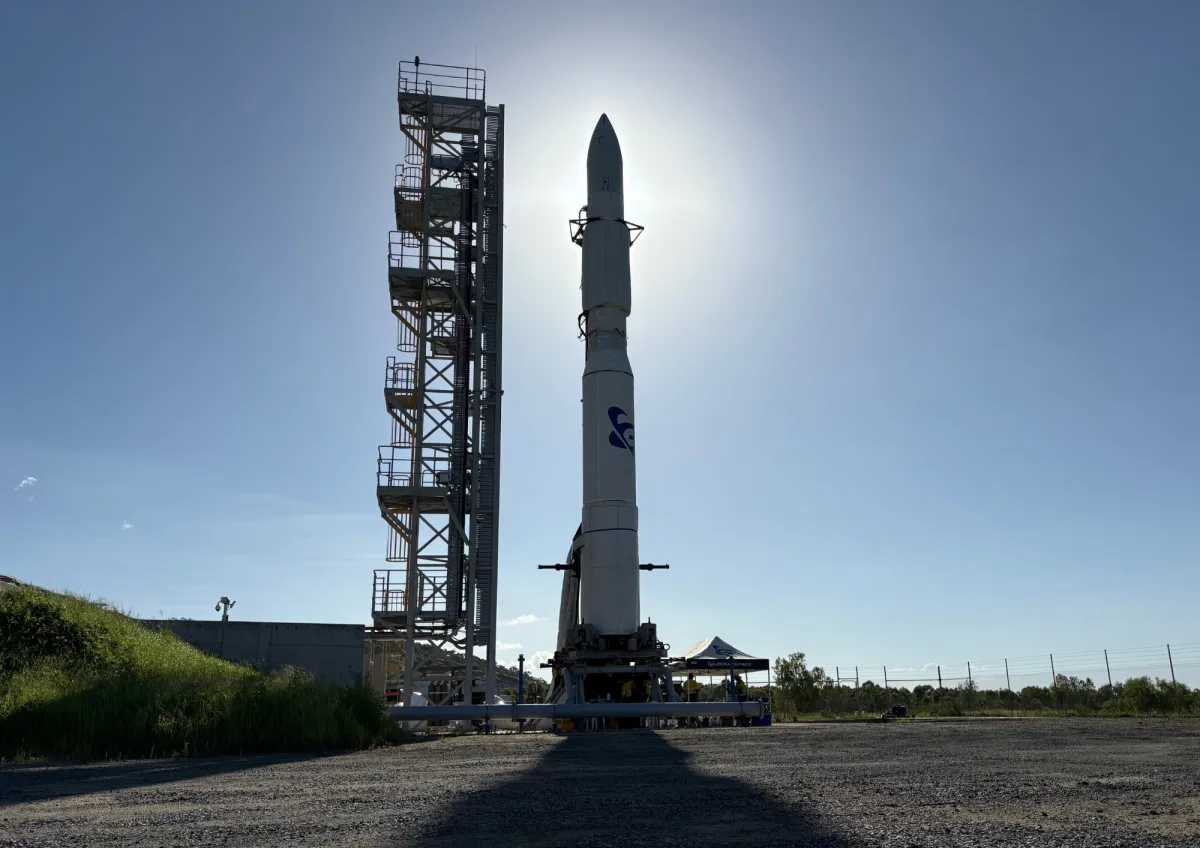
Today, we explore substantial U.S. defense contracts awarded for space launches, ESA's enigmatic Euclid images release, and SpaceX missions covering satellite launches and astronaut reentries.

SpaceX successfully launches 28 Starlink satellites on a new Falcon 9 rocket from California, marking a significant milestone for their satellite constellation.
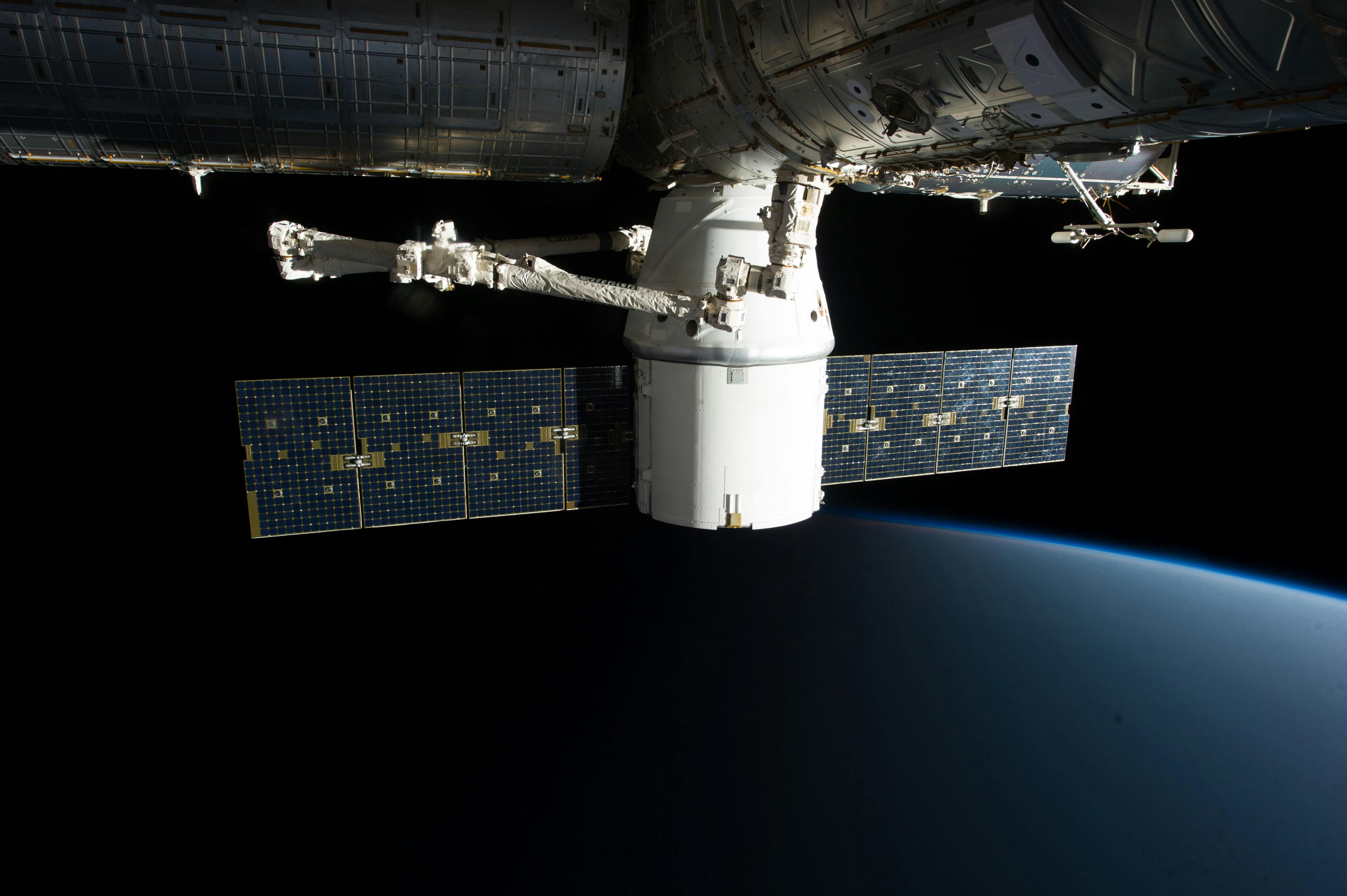
SpaceX acquires Cursor AI maker Anysphere for $60B in its first post-IPO deal, as Falcon 9 lofts 3 Block 2 BlueBird satellites for AST SpaceMobile.

Falcon 9 successfully deployed NROL-72 for National Reconnaissance Office's 13th proliferated architecture mission. Low-Earth orbit intelligence constellation expanding since 2021.

This week's highlights include the successful launch of the X-37B spaceplane and the deployment of 24 new Starlink satellites, alongside preparations for the upcoming Starship Flight 10.

In 2024, China launched 68 orbital missions. In 2025, the number jumped to 97. In 2026, state media and Western analysts agree the target is 140 or more. Most of that growth is being driven by two state-backed mega-constellations, a half-dozen private launch companies hitting stride, and a deliberate national pivot toward commercial space. Beijing is no longer trying to catch SpaceX. It is trying to build an industrial base that outlasts one.