

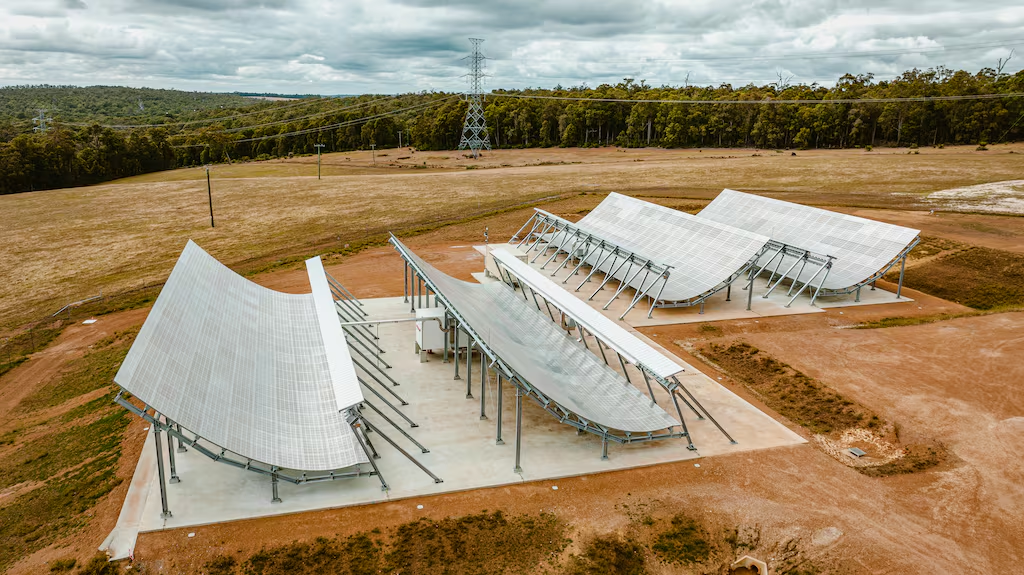
LeoLabs and the Business of Watching Everything
A startup built on Cold War-era radar science now tracks 25,000 objects in orbit - and the Pentagon can't get enough of it. But can its radars really compete with the Space Surveillance Network?


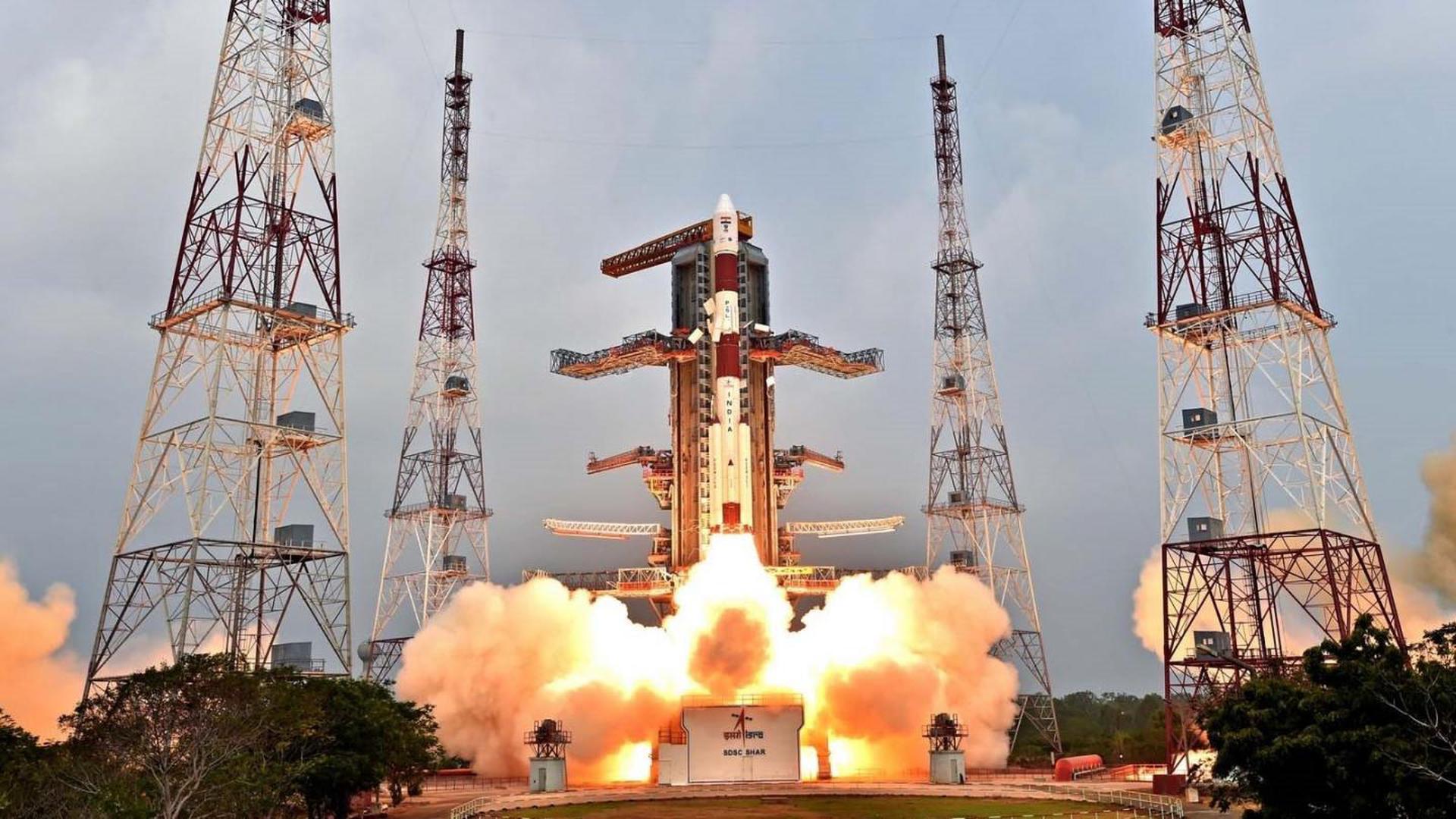
Launch Date
November 26, 2022
Launch Site
SRILR
Launch Pad
FLP
Launch Vehicle
PSLV-XL
NORAD ID
54363
International Designator
2022-158C
Decay Date
5/20/2024
Name
THYBOLT-1
Alternative Name
Thybolt 1
Type
Status
Owner
DHRUVA
Country
India
Constellation
N/A
Related Satellites
Major Events
N/A
Length
0.05
Diameter
0.1
Span
0.1
Dry Mass
0.725
Launch Mass
0.725
Shape
Box
Radar Cross Section
Unknown
Visual Magnitude
Unknown
Color
Unknown
Material Composition
Unknown
Payload
Thybolt 1
Purpose
Technology, communications
Mission
Technology, communications
Manufacturer
DHRUVA
Life Expectancy
1 year
Bus
Cubesat 0.5U
Configuration
CubeSat (0.5U)
Motor
Unknown
Equipment
Store-and-forward communications payload
Power System
Solar cells, batteries
ADCS
Unknown
Transmitter Frequency
Unknown
Learn more about satellites and other related topics.
A startup built on Cold War-era radar science now tracks 25,000 objects in orbit - and the Pentagon can't get enough of it. But can its radars really compete with the Space Surveillance Network?
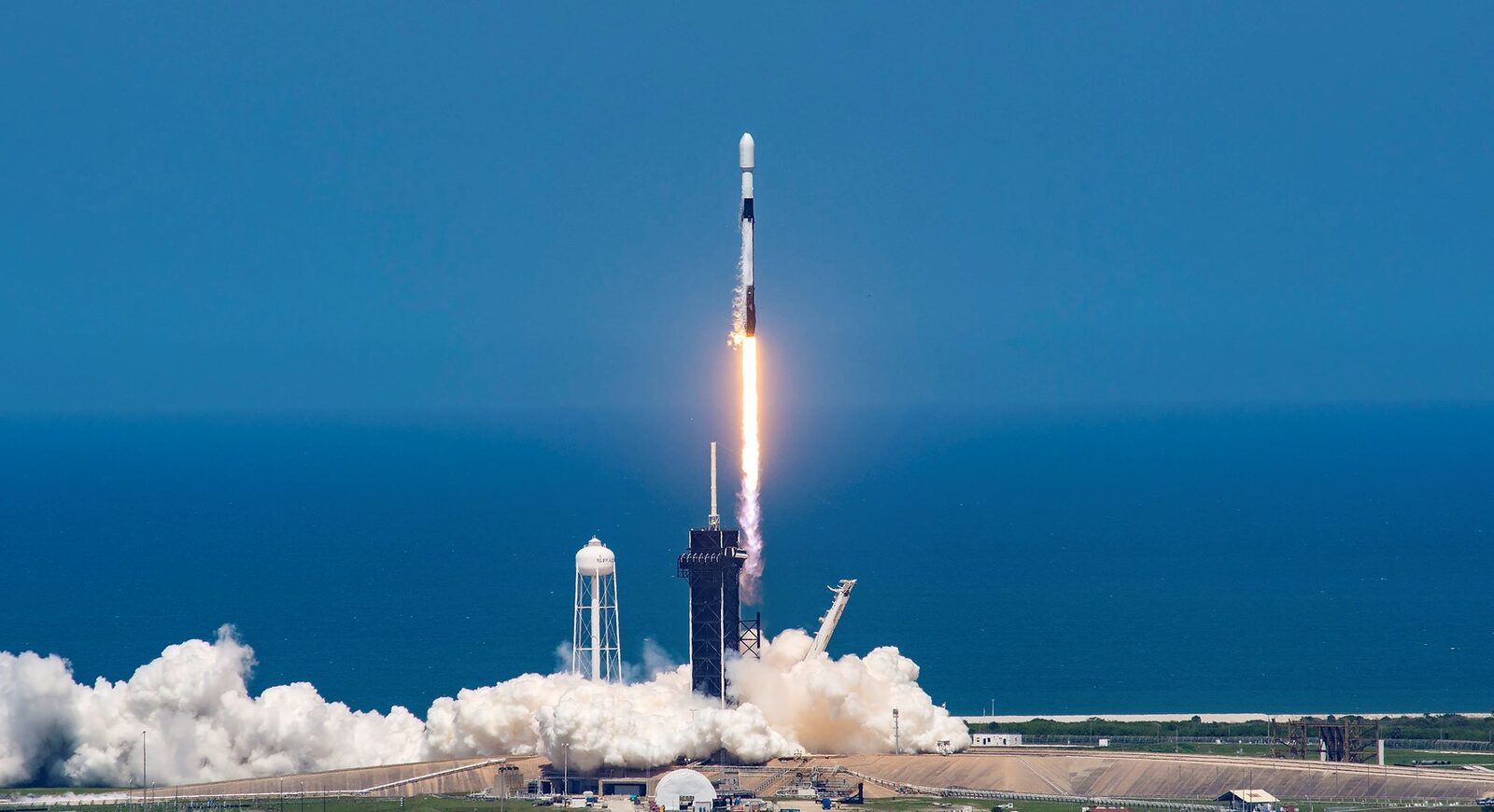
SpaceX completed a full 33-engine static fire on Booster 20, the longest duration test to date. The milestone clears a major hurdle before the next Starship flight attempt.

The Kessler Syndrome threatens humanity's future in space as cascading satellite collisions create exponential debris growth. With 36,000+ tracked objects and recent incidents accelerating risks, we face a critical juncture: implement solutions now or potentially lose access to low Earth orbit forever.
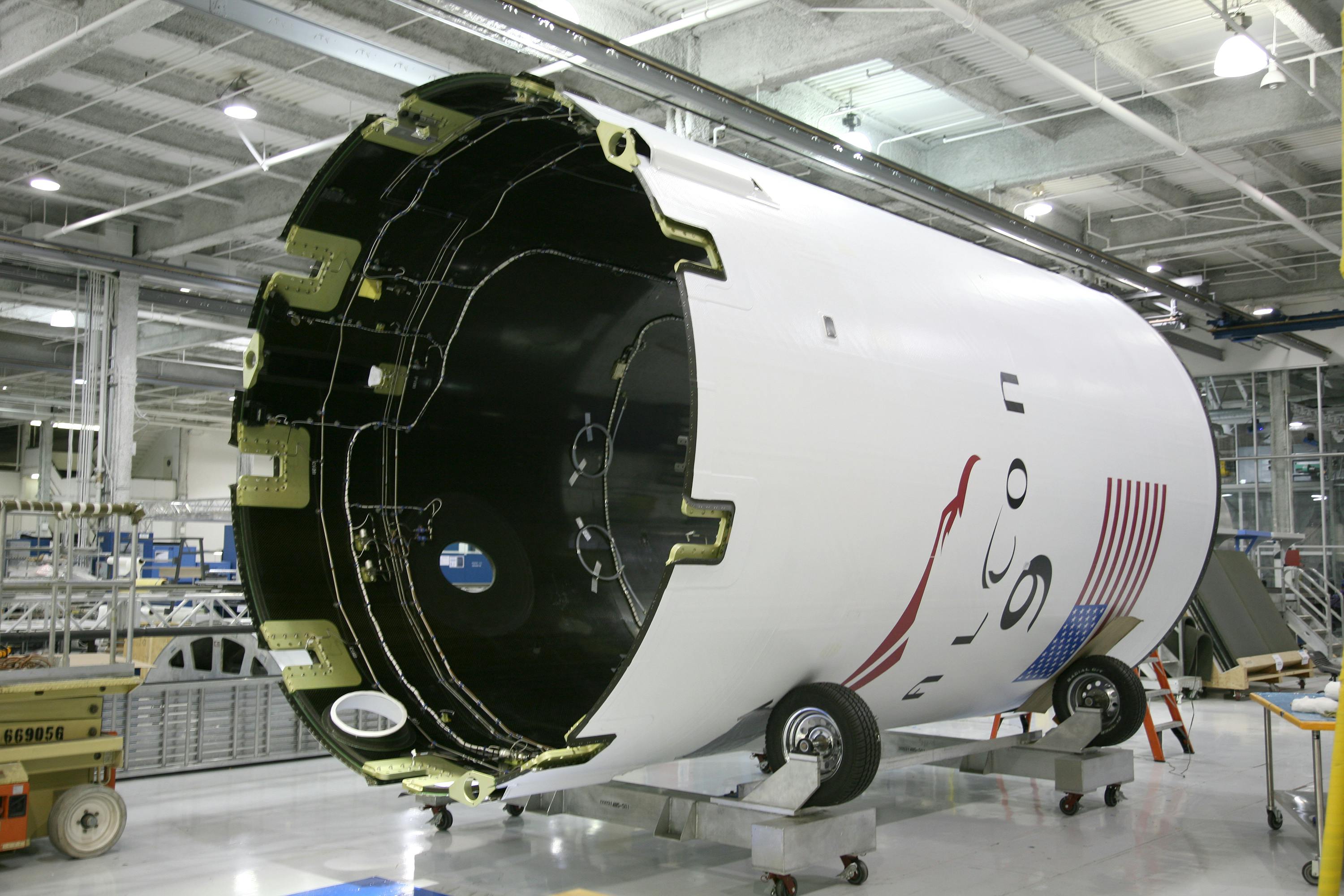
SpaceX stacks Super Heavy booster in preparation for Starship's 12th test flight. Three launches planned this week including ISRO rideshare mission. Musk shares AI and robotics predictions on podcast.

Key updates on strategic military shifts, technological advancements, and a critical replacement mission for Chinese astronauts highlight today's space news.

Explore a comprehensive breakdown of satellite counts by country, detailing the USA, Russia, China, and others.

On April 22, 2026, the FAA published a final rule implementing per-launch user fees for commercial space transportation — the first time the U.S. government has charged payload-based fees for rocket launches. Starting at 25 cents per pound with a $30,000 cap, the fees are modest today. By 2033, they won't be.

SpaceX continues its collaboration with the NRO, while gearing up for lunar missions and a contract for NASA's Dragonfly mission to Titan.