STARLINK-5205 (54202)

COSPAR: 2022-141AX | Alt Name: Starlink 5205

Image
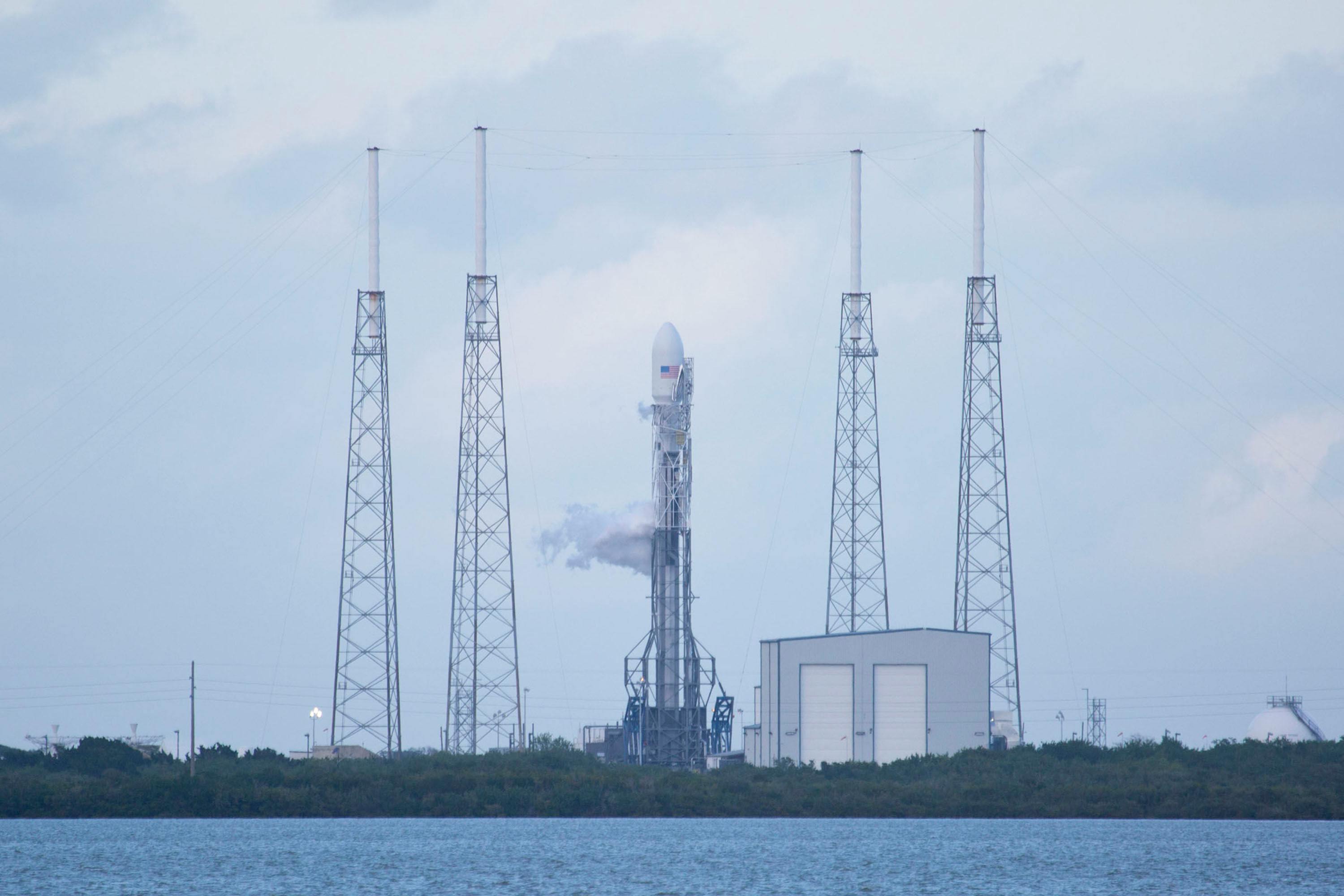
STARLINK-5205 Satellite Image
Additional Sources
Launch Details

Launch Date

October 28, 2022

Launch Site

AFWTR

Launch Pad

SLC4E

Launch Vehicle

Falcon 9

Orbital Elements

NORAD ID

54202

International Designator

2022-141AX

Epoch

Sun, 19 Jul 2026 20:00:01 GMT

Apogee

Calculating...

Perigee

Calculating...

Inclination

53.16°

Right Ascension

120.02°

Eccentricity

Calculating...

Argument of Perigee

90.40°

Period

94.85 min

Mean Motion

15.18 rev/day

Latitude

Calculating...

Longitude

Calculating...

Altitude

Calculating...

Velocity

Calculating...

Polar Plot
3D Visualization
Basic Satellite Info

Name

STARLINK-5205

Alternative Name

Starlink 5205

Type

Payload

Status

Operational

Owner

SPXS

Country

United States

Constellation

N/A

Related Satellites

Major Events

N/A

Latest TLEs
1 54202U 22141AX  26200.83335647  .00027842  00000+0  13580-2 0  9993
2 54202  53.1591 120.0165 0002303  90.4002 340.3334 15.18124310  5839

Source: Celestrak

Summary
The Starlink-5205 satellite, also known as STARLINK-5205, was launched on October 28, 2022, from the AFWTR launch site using a Falcon 9 rocket from SLC4E pad. It is part of SpaceX's Starlink constellation and has a configuration that includes a Ku/Ka-band payload and an optical inter-satellite link for communication purposes. The satellite measures 0.2 meters in length with a diameter of 2.8 meters, and its solar arrays provide power, complemented by batteries. It weighs 305 kilograms at launch and 290 kilograms when dry. Starlink-5205 is equipped with Krypton ion thrusters for propulsion and has a shape described as "Box + pan." The satellite was manufactured by SpaceX (SPXS) and operates in the US under the ownership of the same company.

Starlink is a satellite constellation developed by SpaceX with the aim of providing global broadband internet coverage. Thousands of small satellites are deployed in low Earth orbit (LEO), enabling high-speed internet access even in remote areas. However, the rapid increase in satellites raises concerns about space debris and the potential for collisions, which can lead to further debris creation and endanger other spacecraft. Additionally, the sheer number of Starlink satellites can affect astronomical observations by increasing light pollution. Proper deorbiting plans and international coordination are essential to mitigate these challenges and ensure long-term sustainability in space.
Physical Characteristics

Length

0.2

Diameter

2.8

Span

9

Dry Mass

290

Launch Mass

305

Shape

Box + pan

Radar Cross Section

Unknown

Visual Magnitude

Unknown

Color

Unknown

Material Composition

Unknown

Technical Details

Payload

Starlink Group 4-31-46

Purpose

Communication

Mission

Communication

Manufacturer

SPXS

Life Expectancy

Unknown

Bus

Starlink

Configuration

Unknown

Motor

Krypton ion thrusters

Equipment

Ku/Ka-band payload, optical inter-satellite link

Power System

Solar arrays, batteries

ADCS

Unknown

Transmitter Frequency

Unknown

Map
This tool will help you track the satellite's position and predict its upcoming passes over your location. Simply input the coordinates or click the geolocation button to get started.
Next Pass
Azimuth Elevation Time (Local)
Start Azimuth
Max Elevation
Stop Azimuth
Time Until
Pass Duration

Satellite Articles

View All Posts »

Learn more about satellites and other related topics.

Six Missions Worth Watching After Artemis II

Six Missions Worth Watching After Artemis II

Artemis II grabbed the headlines, but six other missions are quietly approaching milestones that could reshape what we know about Mercury, Mars, asteroids, exoplanets, and the Moon's south pole. Here is what is actually happening with each of them.

X Report 23 May 2025

X Report 23 May 2025

The FAA has approved Starship Flight 9, paving the way for an upcoming test launch, while SpaceX's Dragon spacecraft is set to undock from the ISS after weather delays.

A Tribute to Albert Einstein

A Tribute to Albert Einstein

Ask anyone on the street who the smartest person ever was, and most will say Albert Einstein. Exactly 71 years ago today, this genius departed from the world. Today, we examine Einstein's innumerable contributions to astronomy and how he shaped space history for years to come.

Space Brief 14 Nov 2024

Space Brief 14 Nov 2024

Today's brief covers potential shifts in Space Force's strategy, new milestones in military satellite programs, and advancements in ground systems for missile defense. We'll also highlight Rocket Lab's latest contract win and critical design reviews in drone technology.

SpaceX Launches GPS Satellite Tonight, Starship V3 Targets Mid-March | KeepTrack X Report

SpaceX Launches GPS Satellite Tonight, Starship V3 Targets Mid-March | KeepTrack X Report

SpaceX to launch GPS III SV09 satellite for Space Force at 11:38 p.m. EST from Cape Canaveral. Musk confirms Starship V3 with Raptor V3 engines targets mid-March first flight.

NASA OIG Flags Starship Artemis Gaps as Falcon 9 Eyes 8-Launch Week | KeepTrack X Report

NASA OIG Flags Starship Artemis Gaps as Falcon 9 Eyes 8-Launch Week | KeepTrack X Report

NASA's Inspector General warns of crew survival analysis gaps in Starship lunar lander program as Falcon 9 prepares to lead 8 global launches this week.

Space Force Picks Boeing 702MP for MUOS Follow-On | KeepTrack Space Brief

Space Force Picks Boeing 702MP for MUOS Follow-On | KeepTrack Space Brief

U.S. Space Force selects Boeing's 702MP spacecraft for next-generation MUOS satellites. Rocket Lab delivers Synspective's 10th StriX radar satellite. Track both missions.

Space Brief 15 Aug 2025

Space Brief 15 Aug 2025

Discover the latest in space news with the ULA's recent launch for the US Space Force, significant developments in radar tracking at high altitudes, and impactful policy changes involving military space missions.