


Falcon Heavy Returns After 18-Month Hiatus | KeepTrack X Report
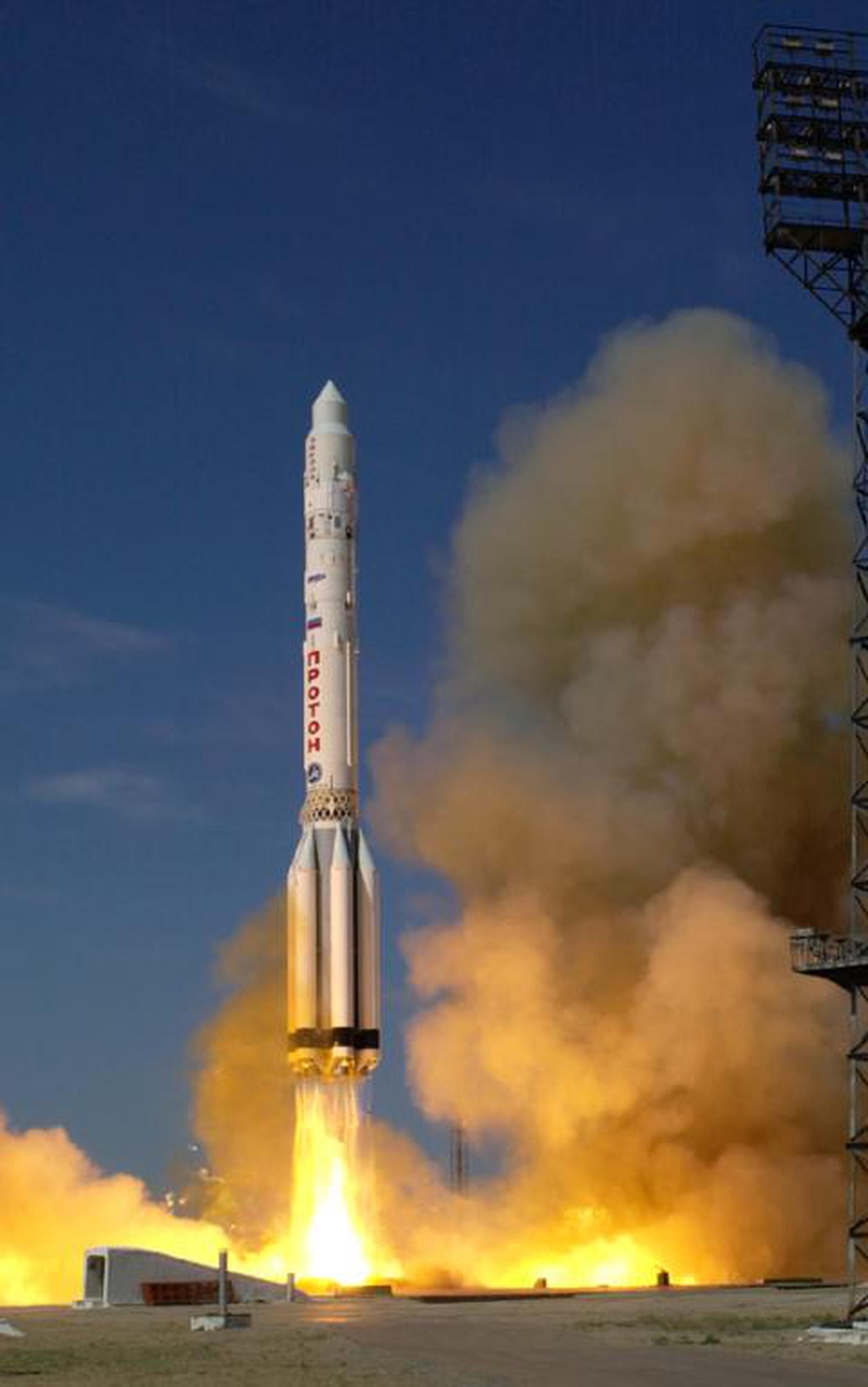
SpaceX's Falcon Heavy flew for the first time in 18 months on April 29, while Starlink hit 51 Falcon 9 launches in 2026 with 10,280 satellites working.


Launch Date
November 20, 1998
Launch Site
Launch Pad
LC39A
Launch Vehicle
NORAD ID
53771
International Designator
1998-067UJ
Decay Date
1/22/2023
Name
JAGSAT 1
Alternative Name
Jagsat
Type
Status
Owner
USALA
Country
United States
Constellation
N/A
Related Satellites
Major Events
N/A
Length
0.2
Diameter
0.1
Span
0.2
Dry Mass
2
Launch Mass
2
Shape
Box
Radar Cross Section
Unknown
Visual Magnitude
Unknown
Color
Unknown
Material Composition
Unknown
Payload
Jagsat
Purpose
Technology
Mission
Technology
Manufacturer
USALA
Life Expectancy
Unknown
Bus
Cubesat 2U
Configuration
CubeSat (2U)
Motor
None
Equipment
Time Domain Impedance Probe (TDIP)
Power System
Solar cells, batteries
ADCS
Unknown
Transmitter Frequency
Unknown
Learn more about satellites and other related topics.
SpaceX's Falcon Heavy flew for the first time in 18 months on April 29, while Starlink hit 51 Falcon 9 launches in 2026 with 10,280 satellites working.
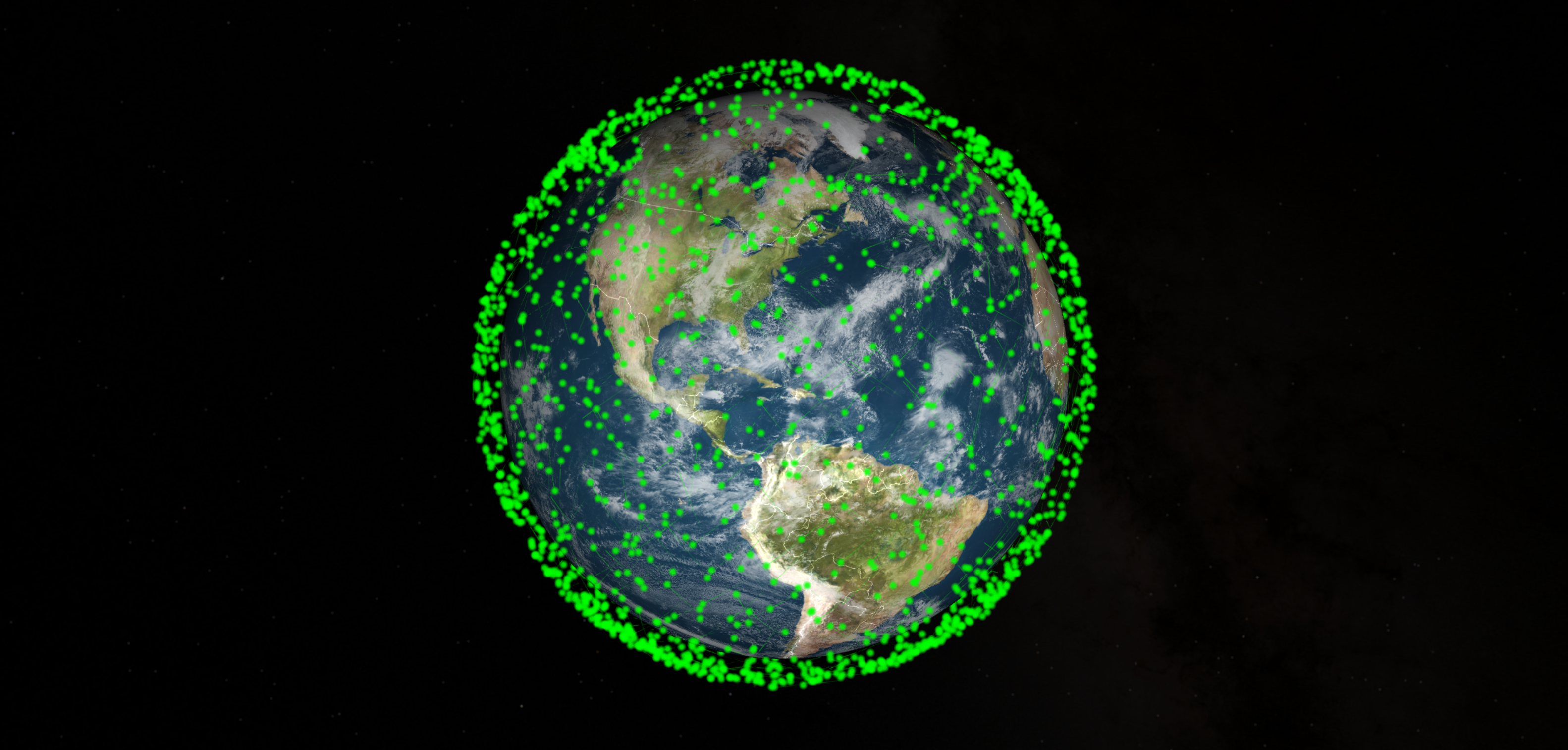
SpaceX quietly built the world's largest 4G network without a single cell tower. Over 650 satellites now connect standard smartphones directly from orbit, and most people carrying compatible phones don't know the service exists.
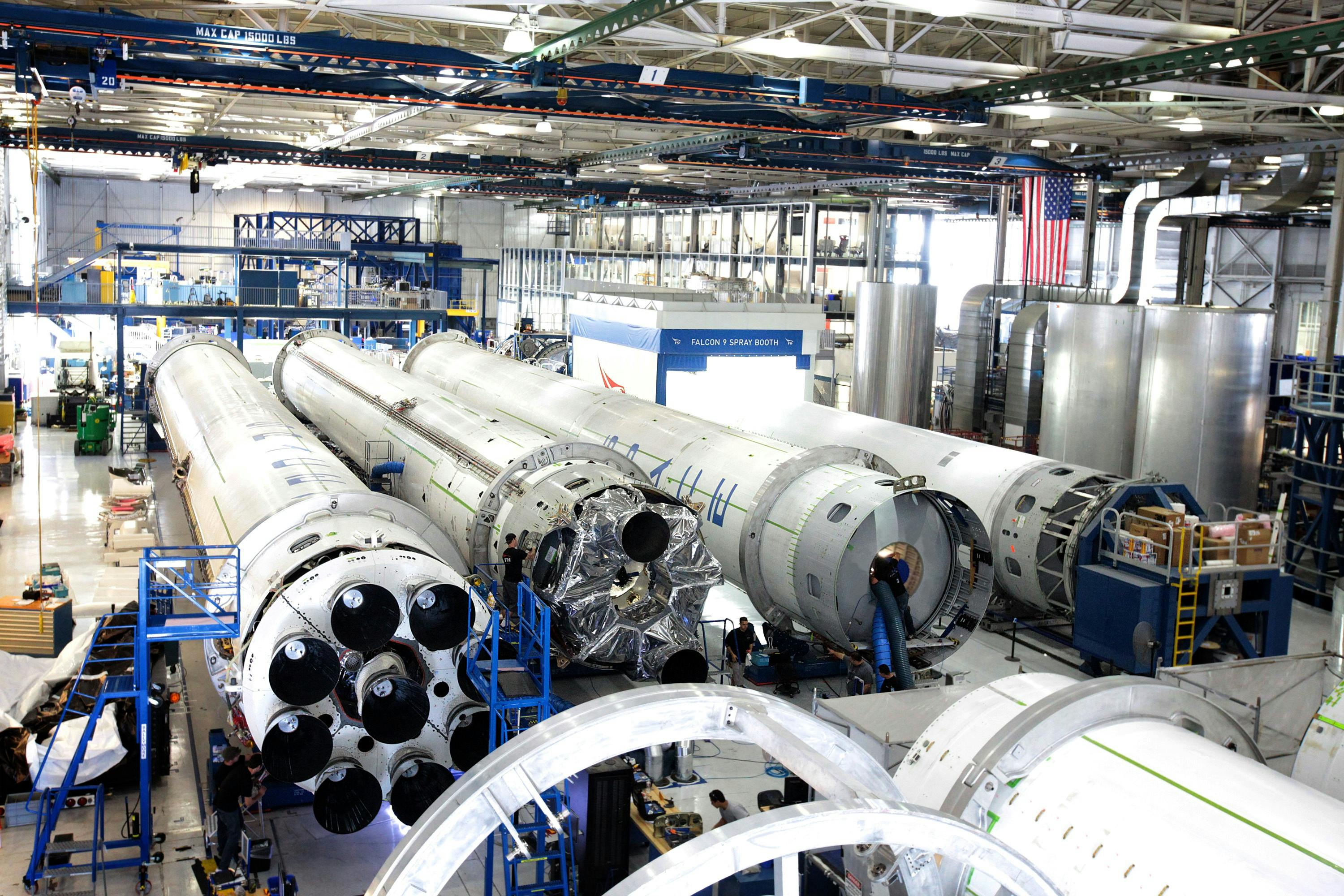
Amid multiple new launches, SpaceX marks its 300th orbital flight milestone at Cape Canaveral while pushing forward with cargo and reentry missions.

Today's briefing covers the latest satellite communications advancements, a secretive military launch by SpaceX, and new space defense organizational structures.
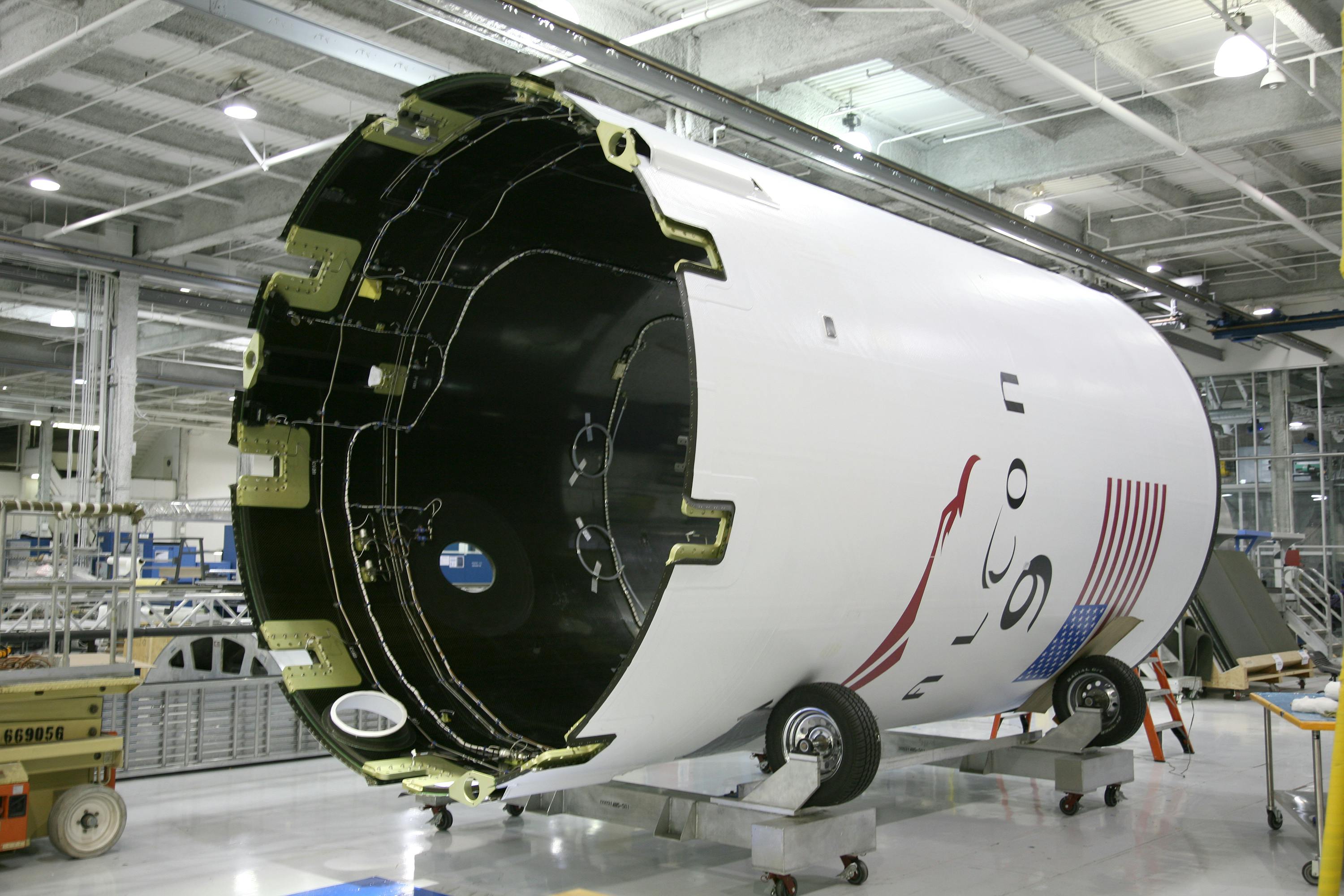
SpaceX gears up for distinctive Starship tests and milestone Starlink deployments as the new year takes off.

AI tools outperform human planners in Air Force battle management experiment. DARPA pursues quantum computing interoperability. Canada's Atlantic Spaceport Complex gets environmental approval.
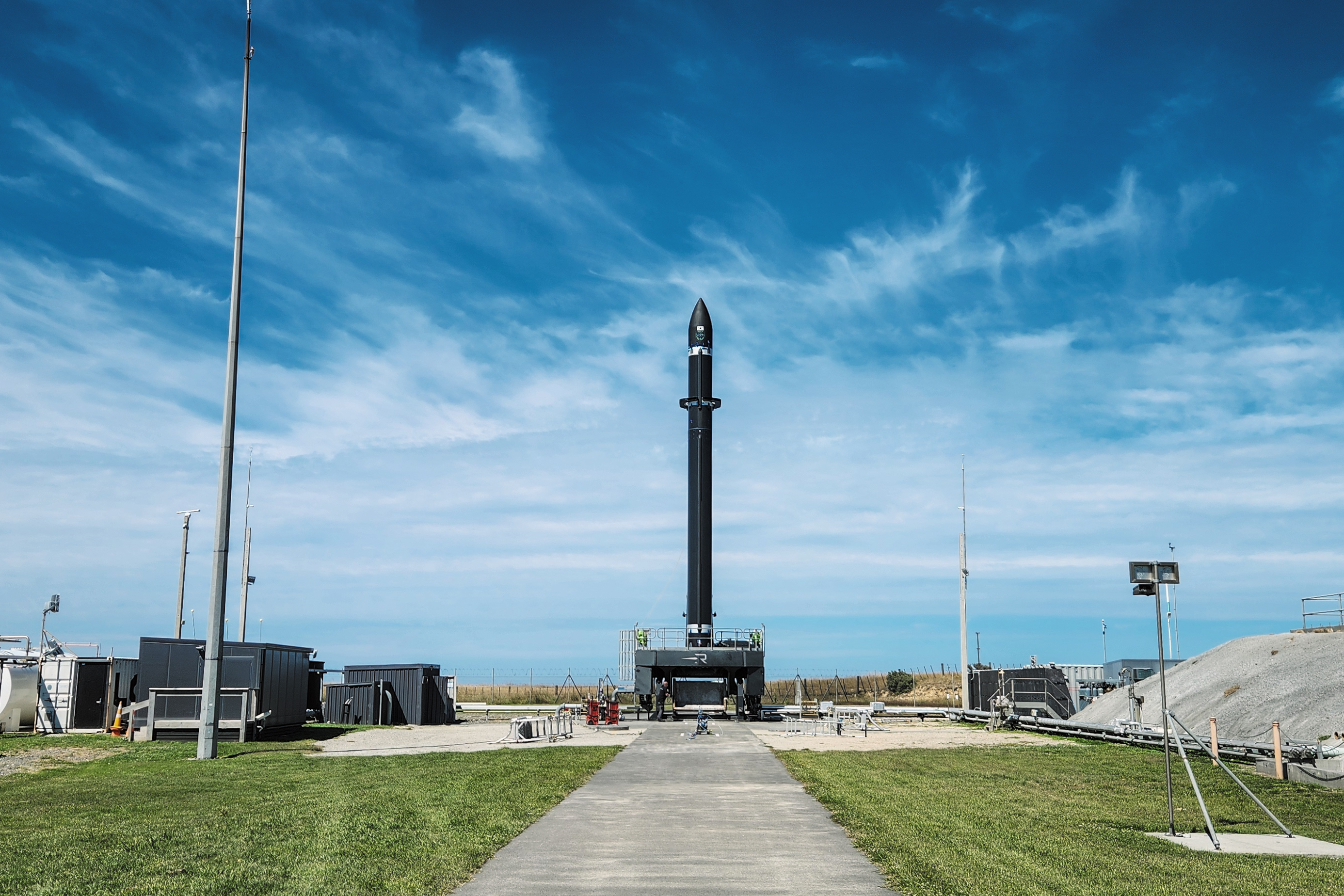
Today's highlights include Japan's new military satellite imagery initiative, NASA's SPHEREx map, and AST BlueBird 6's groundbreaking cellular array in low Earth orbit.
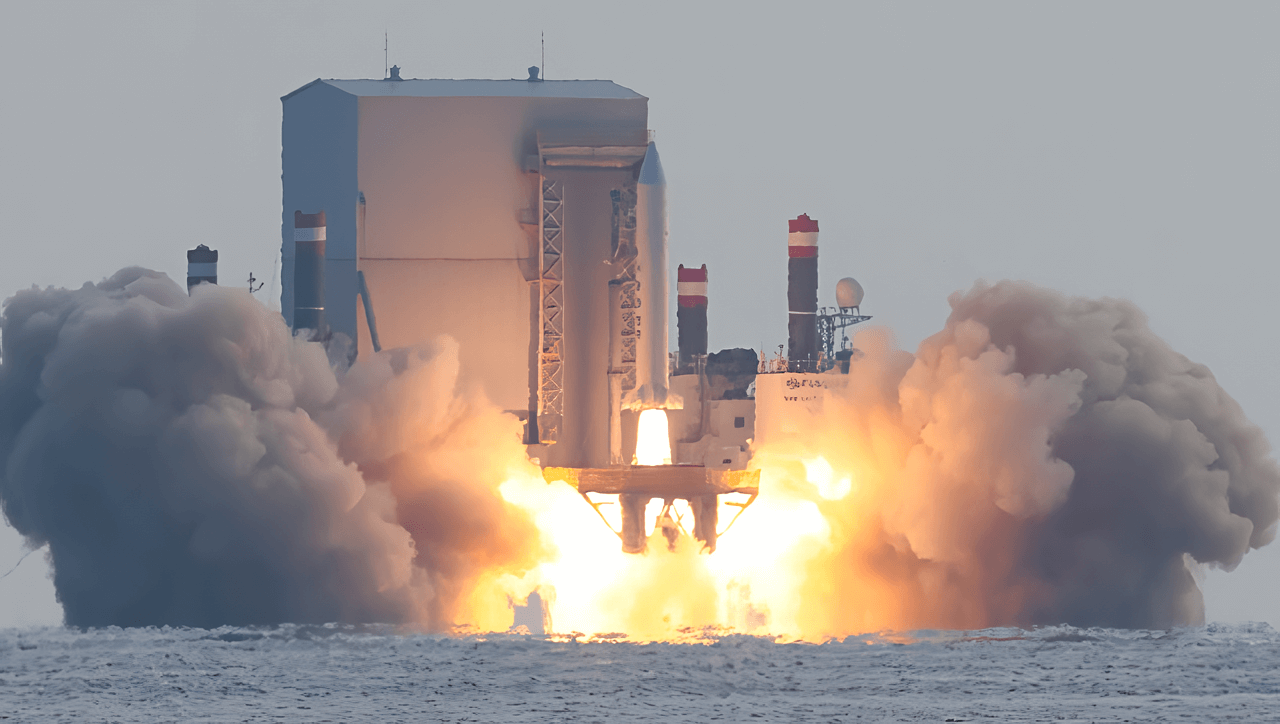
NASA officially ended the MAVEN Mars orbiter mission after months of radio silence following an anomaly. Space Force assessing Eastern Range damage from separate incident affecting launch cadence.