STARLINK-4560 (53691)

COSPAR: 2022-105AV | Alt Name: Starlink 4560

Image
STARLINK-4560 Satellite Image
Additional Sources
Launch Details

Launch Date

August 31, 2022

Launch Site

AFWTR

Launch Pad

SLC4E

Launch Vehicle

Falcon 9

Orbital Elements

NORAD ID

53691

International Designator

2022-105AV

Epoch

Mon, 20 Jul 2026 06:17:31 GMT

Apogee

Calculating...

Perigee

Calculating...

Inclination

97.29°

Right Ascension

79.59°

Eccentricity

Calculating...

Argument of Perigee

83.17°

Period

95.64 min

Mean Motion

15.06 rev/day

Latitude

Calculating...

Longitude

Calculating...

Altitude

Calculating...

Velocity

Calculating...

Polar Plot
3D Visualization
Basic Satellite Info

Name

STARLINK-4560

Alternative Name

Starlink 4560

Type

Payload

Status

Operational

Owner

SPXS

Country

United States

Constellation

N/A

Related Satellites

Major Events

N/A

Latest TLEs
1 53691U 22105AV  26201.26217146  .00000069  00000+0  86552-5 0  9999
2 53691  97.2853  79.5934 0003163  83.1739 276.9848 15.05653924213258

Source: Celestrak

Summary
The Starlink-4560 satellite, also known as Starlink 4560, was launched on August 31, 2022, from Vandenberg Space Force Base (SLC4E) aboard a Falcon 9 launch vehicle. It is part of the Starlink constellation and operated by SpaceX (SPXS). The satellite has dimensions of 0.2 meters in length, 2.8 meters in diameter, and spans up to 9 meters with its extended structures. Its dry mass is 290 kilograms, while its launch mass was 300 kilograms. It is equipped with a Ku/Ka-band payload for communication purposes, an optical inter-satellite link, and krypton ion thrusters for propulsion. Power is provided by solar arrays and batteries, enabling the satellite to fulfill its mission as part of SpaceX's global internet coverage effort.

Starlink is a satellite constellation developed by SpaceX with the aim of providing global broadband internet coverage. Thousands of small satellites are deployed in low Earth orbit (LEO), enabling high-speed internet access even in remote areas. However, the rapid increase in satellites raises concerns about space debris and the potential for collisions, which can lead to further debris creation and endanger other spacecraft. Additionally, the sheer number of Starlink satellites can affect astronomical observations by increasing light pollution. Proper deorbiting plans and international coordination are essential to mitigate these challenges and ensure long-term sustainability in space.
Physical Characteristics

Length

0.2

Diameter

2.8

Span

9

Dry Mass

290

Launch Mass

300

Shape

Box + pan

Radar Cross Section

Unknown

Visual Magnitude

Unknown

Color

Unknown

Material Composition

Unknown

Technical Details

Payload

Starlink Group 3-4-44

Purpose

Communication

Mission

Communication

Manufacturer

SPXS

Life Expectancy

Unknown

Bus

Starlink

Configuration

Unknown

Motor

Krypton ion thrusters

Equipment

Ku/Ka-band payload, optical inter-satellite link

Power System

Solar arrays, batteries

ADCS

Unknown

Transmitter Frequency

Unknown

Map
This tool will help you track the satellite's position and predict its upcoming passes over your location. Simply input the coordinates or click the geolocation button to get started.
Next Pass
Azimuth Elevation Time (Local)
Start Azimuth
Max Elevation
Stop Azimuth
Time Until
Pass Duration

Satellite Articles

View All Posts »

Learn more about satellites and other related topics.

DARPA Robotic GEO Servicer Targeting Summer 2026 Launch | KeepTrack Space Brief

DARPA Robotic GEO Servicer Targeting Summer 2026 Launch | KeepTrack Space Brief

DARPA's robotic satellite servicing mission targets GEO orbit by summer 2026. NASA adds six SpaceX crew missions as Boeing Starliner remains uncertified.

X Report 15 Jun 2025

X Report 15 Jun 2025

SpaceX explores new horizons with Starship's point-to-point travel announcement and reports significant Starlink deployment progress.

X Report 11 Feb 2025

X Report 11 Feb 2025

SpaceX successfully launches 23 Starlink satellites, NASA selects SpaceX for astrophysics mission, and Starship Flight 8 advances with Booster 15 static fire.
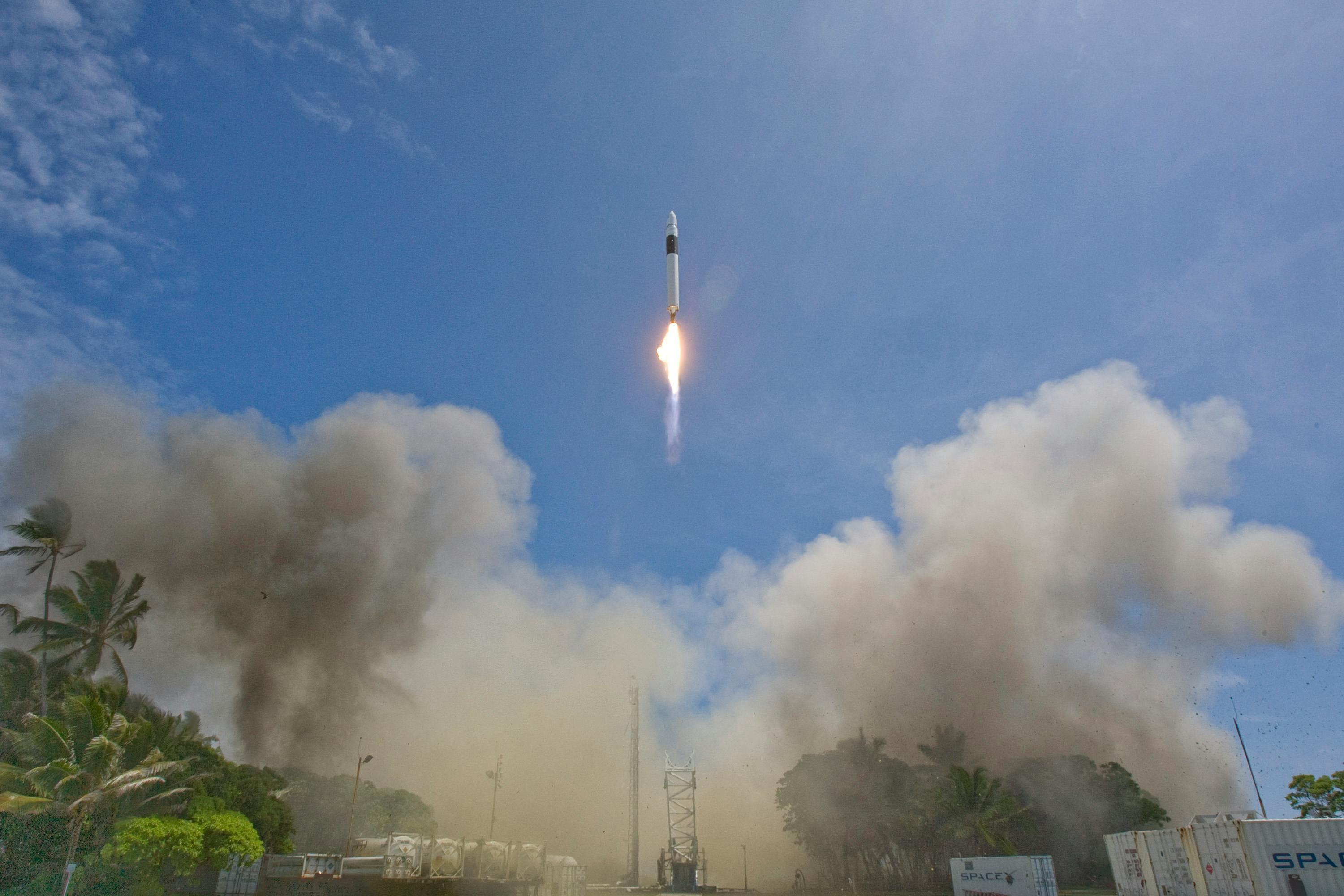
Falcon 9 Lofts 46 Payloads Including CAS500-2 | KeepTrack X Report

Falcon 9 Lofts 46 Payloads Including CAS500-2 | KeepTrack X Report

SpaceX's third rideshare mission of 2026 delivered South Korea's CAS500-2 imager and 45 secondary payloads to Sun-synchronous orbit on Falcon 9.
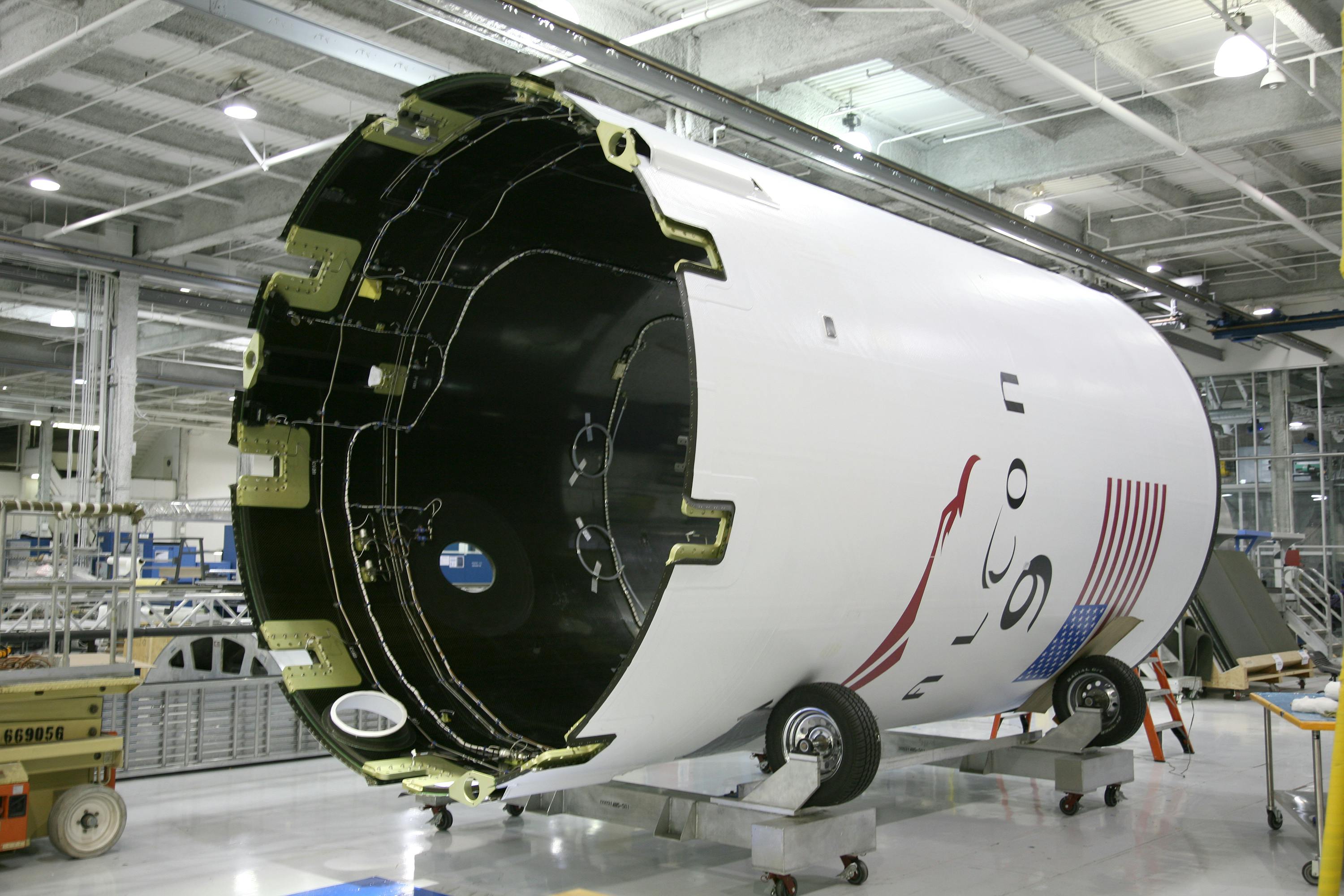
Falcon 9 Booster Flies 35th Mission, Deploys 29 Starlinks | KeepTrack X Report

Falcon 9 Booster Flies 35th Mission, Deploys 29 Starlinks | KeepTrack X Report

SpaceX flew a Falcon 9 booster for a record 35th time on July 10, deploying 29 Starlink satellites as direct-to-cell tech expands to pet collars.
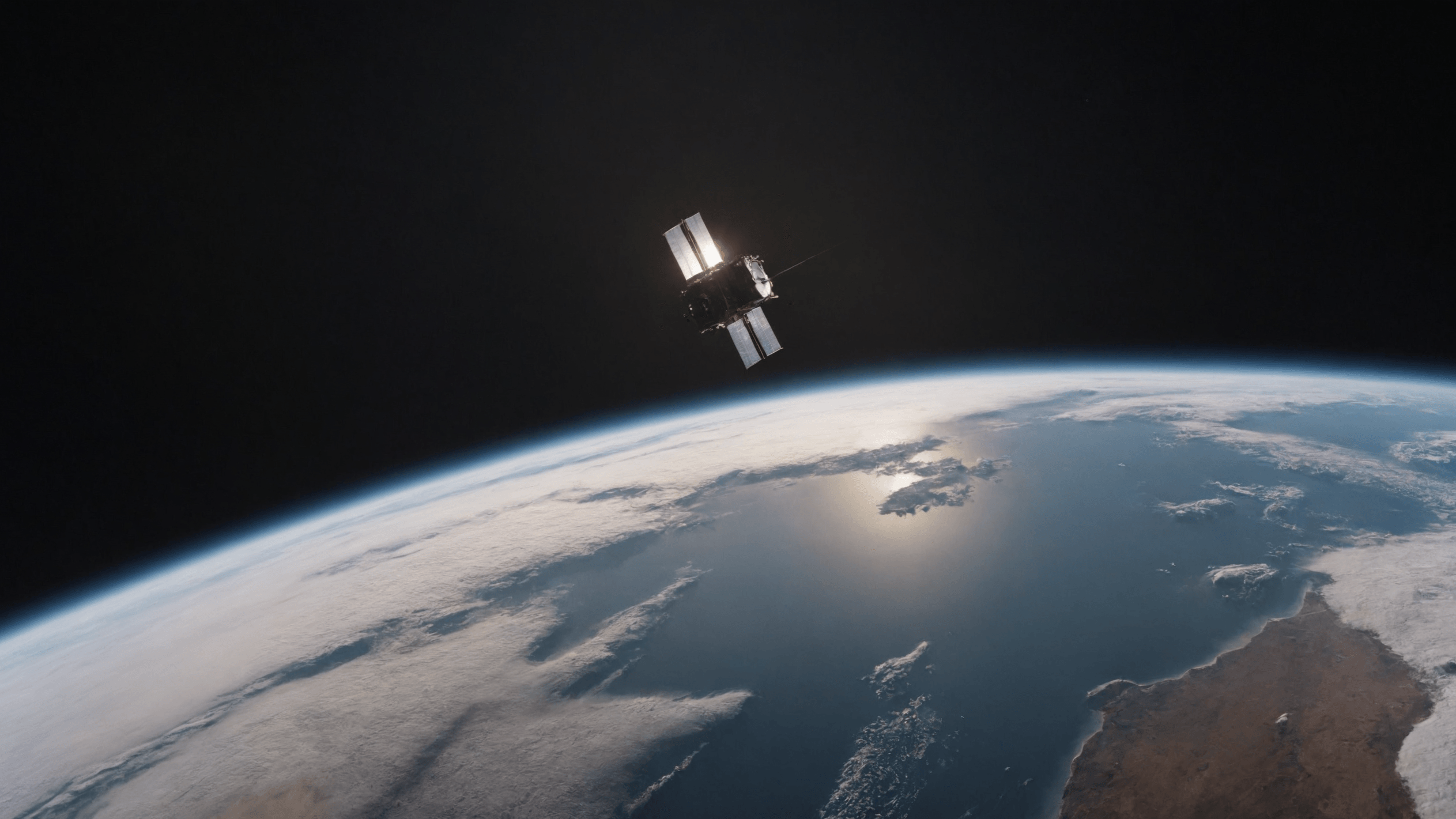
Space Brief 28 Aug 2024

Space Brief 28 Aug 2024

A Falcon 9 booster fails to land, increasing GPS and PNT significance for national security, and NASA's SLS mobile launch platform costs soar.
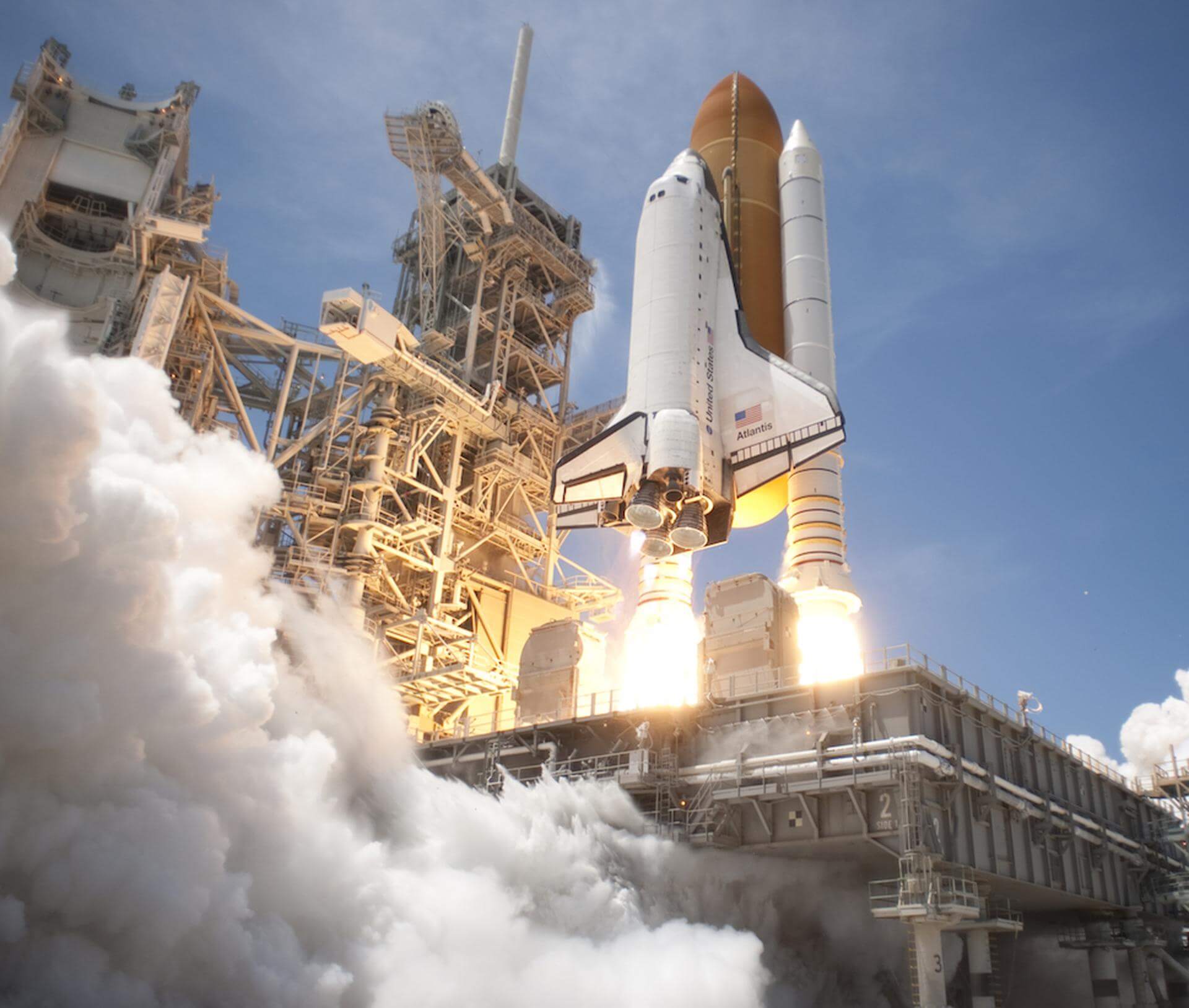
Boeing Starliner Grounded Until Mid-2027, NASA Warns | KeepTrack Space Brief

Boeing Starliner Grounded Until Mid-2027, NASA Warns | KeepTrack Space Brief

Boeing CST-100 Starliner faces up to one year delay before return-to-flight. NASA safety panel cites unresolved technical problems since mid-2024 crewed test.

The Korean Optical Wide-field patroL-Network (OWL-Net)

The Korean Optical Wide-field patroL-Network (OWL-Net)

South Korea's sophisticated network of robotic telescopes provides critical space situational awareness while strengthening the nation's position in space security amid regional tensions
