


Space Brief 16 Nov 2024
Today's highlights include ABL Space shifting its focus to missile defense, Intuitive Machines advocating for Artemis infrastructure reforms, and more updates from space and defense sectors.


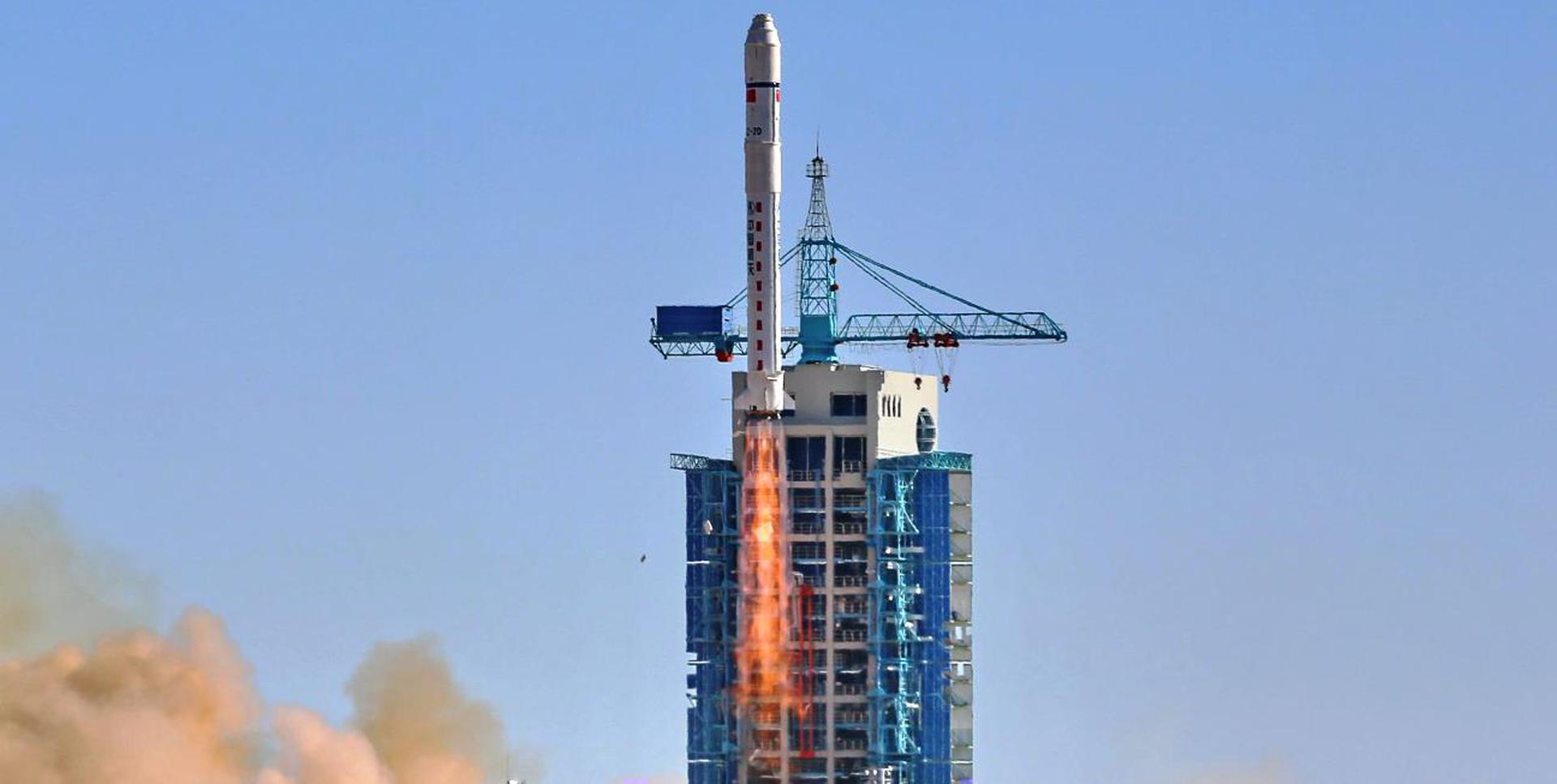
Launch Date
August 19, 2022
Launch Site
XICLF
Launch Pad
LC3
Launch Vehicle
Chang Zheng 2D
NORAD ID
53524
International Designator
2022-100C
Epoch
Sun, 19 Jul 2026 07:10:30 GMT
Apogee
Calculating...
Perigee
Calculating...
Inclination
35.00°
Right Ascension
180.99°
Eccentricity
Calculating...
Argument of Perigee
228.02°
Period
93.72 min
Mean Motion
15.37 rev/day
Latitude
Calculating...
Longitude
Calculating...
Altitude
Calculating...
Velocity
Calculating...
Name
YAOGAN-35 04B
Alternative Name
Yaogan 35 04 zu 02 xing
Type
Status
Owner
ZZB
Country
China
Constellation
N/A
Related Satellites
Major Events
N/A
1 53524U 22100C 26200.29896646 .00005548 00000+0 15241-3 0 9991
2 53524 35.0001 180.9873 0005355 228.0230 132.0033 15.36534789110174
Source: Celestrak
Length
2.5
Diameter
2.5
Span
5
Dry Mass
300
Launch Mass
300
Shape
Box + 2 Pan
Radar Cross Section
Unknown
Visual Magnitude
Unknown
Color
Unknown
Material Composition
Unknown
Payload
Yaogan 35-04 B
Purpose
Earth observation or SIGINT ?
Mission
Earth observation or SIGINT ?
Manufacturer
DFHZ
Life Expectancy
Unknown
Bus
Unknown
Configuration
Unknown
Motor
Unknown
Equipment
Unknown
Power System
Solar arrays, batteries
ADCS
Unknown
Transmitter Frequency
Unknown
Learn more about satellites and other related topics.
Today's highlights include ABL Space shifting its focus to missile defense, Intuitive Machines advocating for Artemis infrastructure reforms, and more updates from space and defense sectors.

Today's Space Brief brings updates on the U.S. Space Force's upcoming missions, in-space technology strategies, the challenges faced by new launchers, and advancements in satellite communication.
A partial breakup incident involving a Starlink satellite raised concerns, while SpaceX continued its ambitious projects and launches.
US labor board drops oversight case against SpaceX. Booster 19 completes cryogenic testing at upgraded Massey's. SpaceX IPO expected to reshape space investment landscape.
Today's brief covers developments in US military space initiatives, advancements in missile technology, and notable military contractor activities.
Today's Space Brief covers the Space Force's AI integration, NASA's lunar nuclear reactor plans, ESA's Flight Ticket Initiative, Martian mantle revelations, and SpaceX's latest Starlink launch.

Discover the latest innovations from Rocket Lab, new developments in hypersonic flight, and significant advances in satellite technology with BlackSky. Gain insights into the Space Force's mission and MIT physicists' breakthroughs in observing atoms.
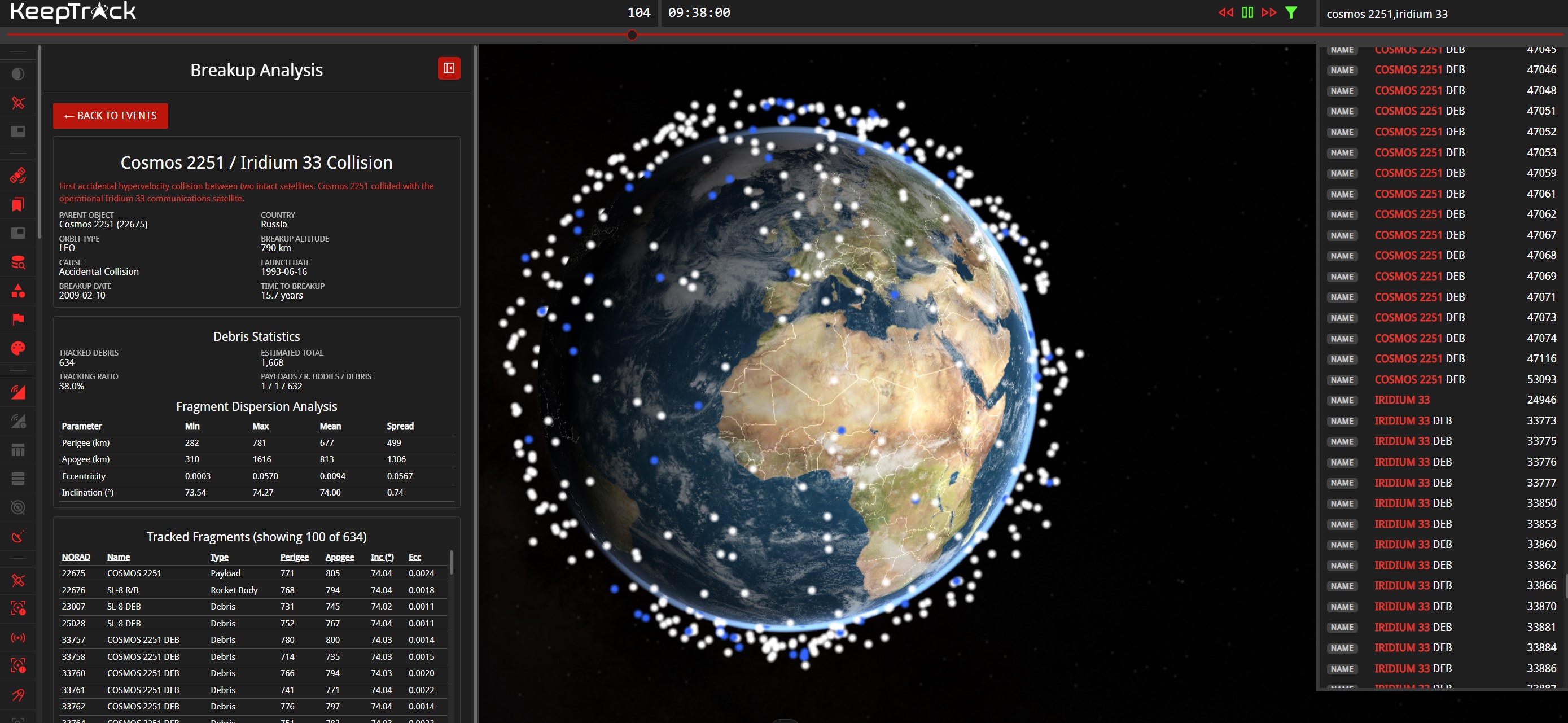
On February 10, 2009, an active Iridium communications satellite and a derelict Soviet military spacecraft slammed into each other 789 kilometers above Siberia. The collision produced more than 2,300 pieces of trackable debris that are still up there. Seventeen years later, the Iridium-Cosmos collision remains the event that made space debris a policy problem the world could no longer ignore.