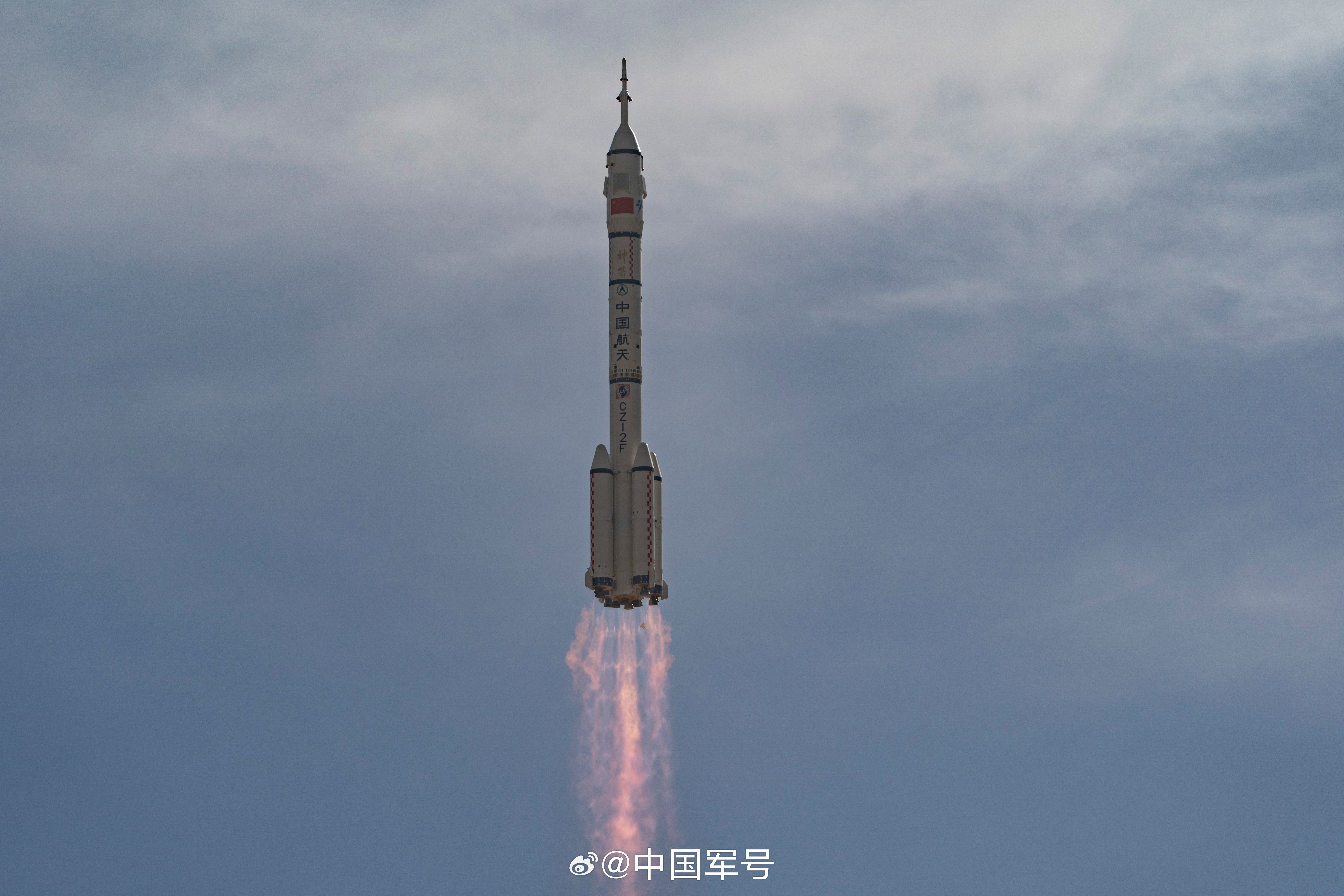
PRC TEST SPACECRAFT 2 (53357)

COSPAR: 2022-093A | Alt Name: Chonfu Shiyong Shiyan HQ 2
DECAYED

Image
PRC TEST SPACECRAFT 2 Satellite Image
Additional Sources
Launch Details

Launch Date

August 4, 2022

Launch Site

JSC

Launch Pad

LC43/91

Launch Vehicle

Chang Zheng 2F

Orbital Elements

NORAD ID

53357

International Designator

2022-093A

Decay Date

5/8/2023

Basic Satellite Info

Name

PRC TEST SPACECRAFT 2

Alternative Name

Chonfu Shiyong Shiyan HQ 2

Type

Payload

Status

Decayed

Owner

ZLZB

Country

China

Constellation

N/A

Related Satellites

Major Events

N/A

Summary
The PRC TEST SPACECRAFT 2, also known as Chonfu Shiyong Shiyan HQ 2, is a space plane launched by China on August 4, 2022, from the Jiuquan Satellite Launch Center's LC43/91 launch pad using the Chang Zheng 2F launch vehicle. This spacecraft has dimensions of 10 meters in length and 3.5 meters in diameter with a span of 10 meters. It has a dry mass and launch mass both recorded at 8,000 kilograms. The mission of this satellite is related to space plane technology development under the ownership of ZLZB (likely a Chinese entity). Its shape is described as box-shaped with wings, but details regarding its power source are unknown. The spacecraft was manufactured by CAST and has not been reported for any specific major events or related satellites since its launch.
Physical Characteristics

Length

10

Diameter

3.5

Span

10

Dry Mass

8000

Launch Mass

8000

Shape

Box+wings

Radar Cross Section

Unknown

Visual Magnitude

Unknown

Color

Unknown

Material Composition

Unknown

Technical Details

Payload

CSSHQ 2

Purpose

Space plane

Mission

Space plane

Manufacturer

CAST

Life Expectancy

Unknown

Bus

CSSHQ

Configuration

Unknown

Motor

Unknown

Equipment

Unknown

Power System

?

ADCS

Unknown

Transmitter Frequency

Unknown

Satellite Articles

View All Posts »

Learn more about satellites and other related topics.

Vulcan Centaur Launches GSSAP Surveillance Satellites for Space Force | KeepTrack Space Brief

Vulcan Centaur Launches GSSAP Surveillance Satellites for Space Force | KeepTrack Space Brief

ULA Vulcan Centaur launches USSF-87 with two GSSAP surveillance satellites to near-GEO orbit. NRO expands commercial imaging. Integrate raises $17M for classified platform.

X Report 18 Jan 2025

X Report 18 Jan 2025

SpaceX faces setbacks with Starship Flight 7 as FAA launches an investigation, while future transportation policies might impact SpaceX operations. Meanwhile, the Starlink constellation continues strong.

Space Brief 2 Mar 2025

Space Brief 2 Mar 2025

Today's brief highlights the successful landing of a private moon mission by Firefly Aerospace, a new simulator for the Spanish Air and Space Force, and the anticipated launch by Europe's Ariane 6. Plus, our Satellite Spotlight features the COSMOS 2484.

Space Brief 31 Aug 2025

Space Brief 31 Aug 2025

SpaceX makes headlines with dual Starlink launches, Rocket Lab inaugurates new launch complex, while AI's impact on space missions and satellite technology continues to stir discussions.

Boeing Starliner Grounded Until Mid-2027, NASA Warns | KeepTrack Space Brief

Boeing Starliner Grounded Until Mid-2027, NASA Warns | KeepTrack Space Brief

Boeing CST-100 Starliner faces up to one year delay before return-to-flight. NASA safety panel cites unresolved technical problems since mid-2024 crewed test.

Space Brief 29 Mar 2025

Space Brief 29 Mar 2025

Key military and technology developments in space; US Space Force and Army strategize national security with new rocket certifications and space training initiatives.

Space Force Activates Cyber Squadrons at Launch Sites | KeepTrack Space Brief

Space Force Activates Cyber Squadrons at Launch Sites | KeepTrack Space Brief

Space Force stands up 2 cyber defense squadrons at Cape Canaveral and Vandenberg to protect launch operations against adversary interference targeting pad networks and telemetry systems.

The International Scientific Optical Network (ISON)

The International Scientific Optical Network (ISON)

How a controversial telescope network has become a significant player in tracking the increasingly crowded orbital environment, raising important questions about transparency, dual-use technologies, and the future of space situational awareness.