



Space Brief 20 Nov 2025
Today's briefing covers a DARPA award for Redwire's innovative satellite project, Ursa Major's expansion in defense engines, a Rocket Lab military test flight, and more.



Launch Date
July 24, 2022
Launch Site
Launch Pad
LC39A
Launch Vehicle
NORAD ID
53265
International Designator
2022-086Z
Epoch
Sun, 19 Jul 2026 20:00:01 GMT
Apogee
Calculating...
Perigee
Calculating...
Inclination
53.16°
Right Ascension
319.13°
Eccentricity
Calculating...
Argument of Perigee
43.31°
Period
94.42 min
Mean Motion
15.25 rev/day
Latitude
Calculating...
Longitude
Calculating...
Altitude
Calculating...
Velocity
Calculating...
Name
STARLINK-4097
Alternative Name
Starlink 4097
Type
Status
Owner
SPXS
Country
United States
Constellation
N/A
Related Satellites
Major Events
N/A
1 53265U 22086Z 26200.83335647 .00065312 00000+0 25722-2 0 9994
2 53265 53.1607 319.1279 0001073 43.3081 149.8096 15.25024583 5789
Source: Celestrak
Length
0.2
Diameter
2.8
Span
9
Dry Mass
275
Launch Mass
297
Shape
Box + pan
Radar Cross Section
Unknown
Visual Magnitude
Unknown
Color
Unknown
Material Composition
Unknown
Payload
Starlink Group 4-25-24
Purpose
Communication
Mission
Communication
Manufacturer
SPXS
Life Expectancy
Unknown
Bus
Starlink
Configuration
Unknown
Motor
Krypton ion thrusters
Equipment
Ku/Ka-band payload, optical inter-satellite link
Power System
Solar arrays, batteries
ADCS
Unknown
Transmitter Frequency
Unknown
Learn more about satellites and other related topics.
Today's briefing covers a DARPA award for Redwire's innovative satellite project, Ursa Major's expansion in defense engines, a Rocket Lab military test flight, and more.
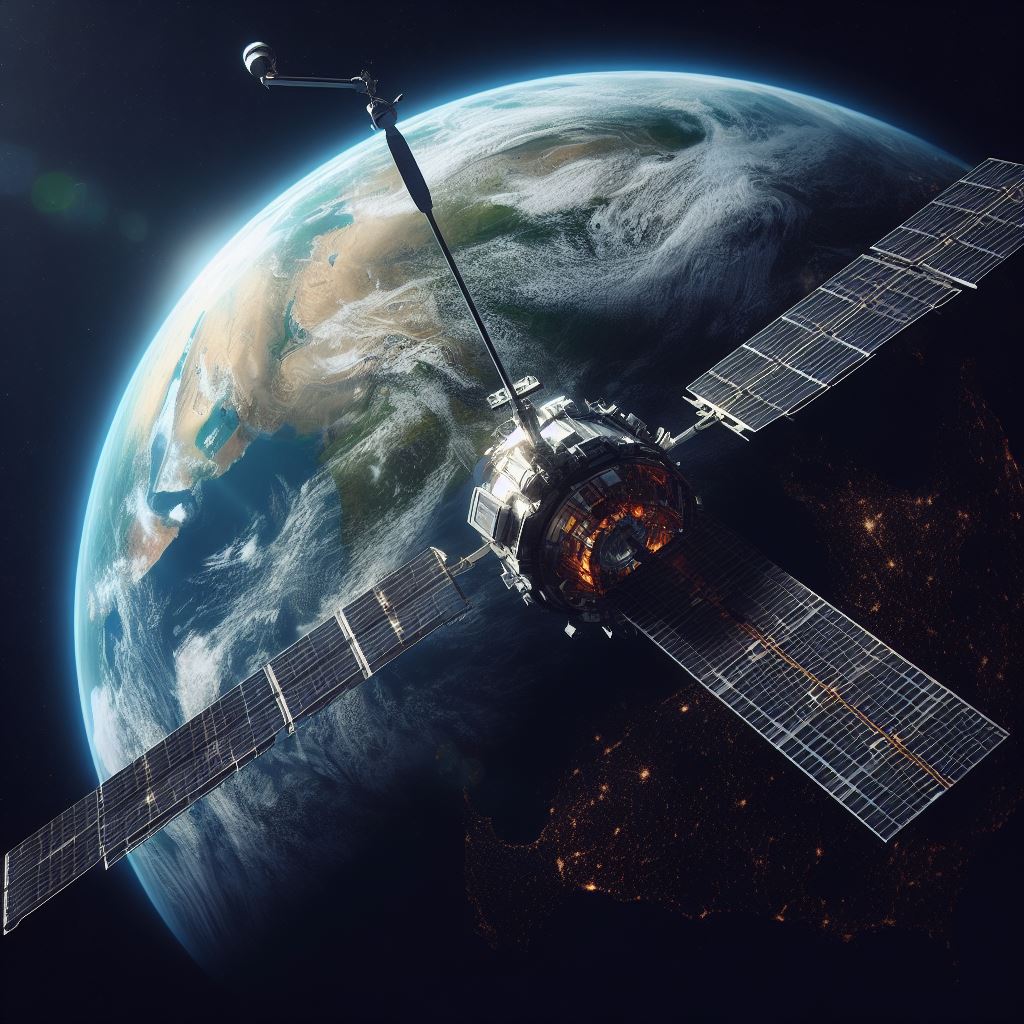
Explore a comprehensive breakdown of satellite counts by country, detailing the USA, Russia, China, and others.

Today's brief covers a Japanese military satellite launch, new GPS satellite orders by the Space Force, and a Moog propulsion system contract, among other notable developments.
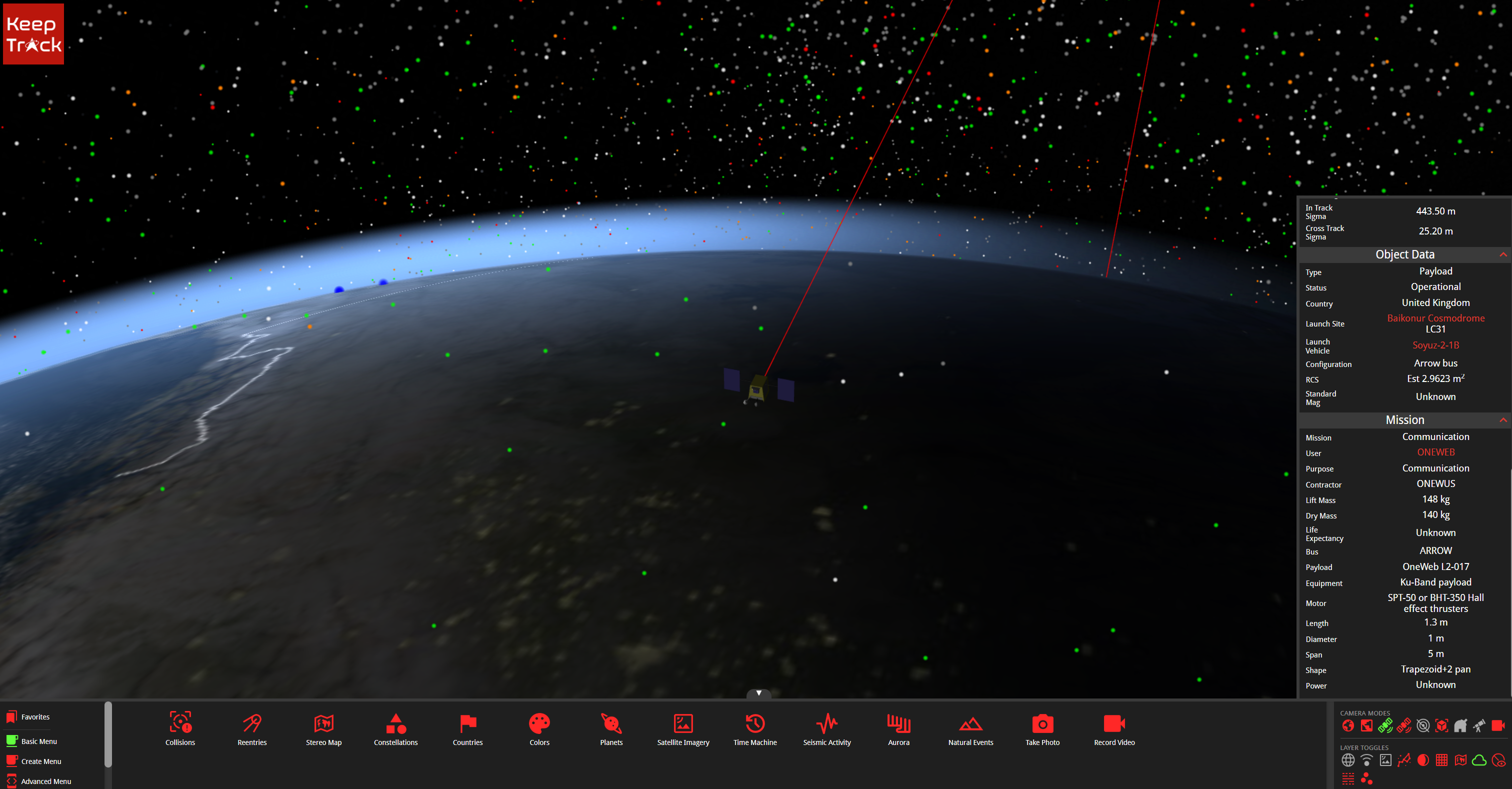
The evolution from simply tracking objects in orbit to understanding the full strategic picture of who is doing what in space, and why

Forty years ago today, Challenger lifted off LC-39A on a science mission that nobody outside Morton-Thiokol would call dangerous. Years later, after the orbiter and seven other astronauts were gone, investigators looked at the recovered boosters from STS-51B and realized the crew had come within a fraction of a second of dying first. This is the story of the launch that should have been a warning.
Today's highlights include Russia's record-setting satellite launch, insights from NASA's AWE during Hurricane Helene, and confirmation of astronaut Suni Williams' good health aboard the ISS.

Today's update highlights Boeing's challenges with the Starliner, Europe's IRIS2 constellation advancement, China's CAS Space's global ambitions, and vivid new telescope images of cosmic events.
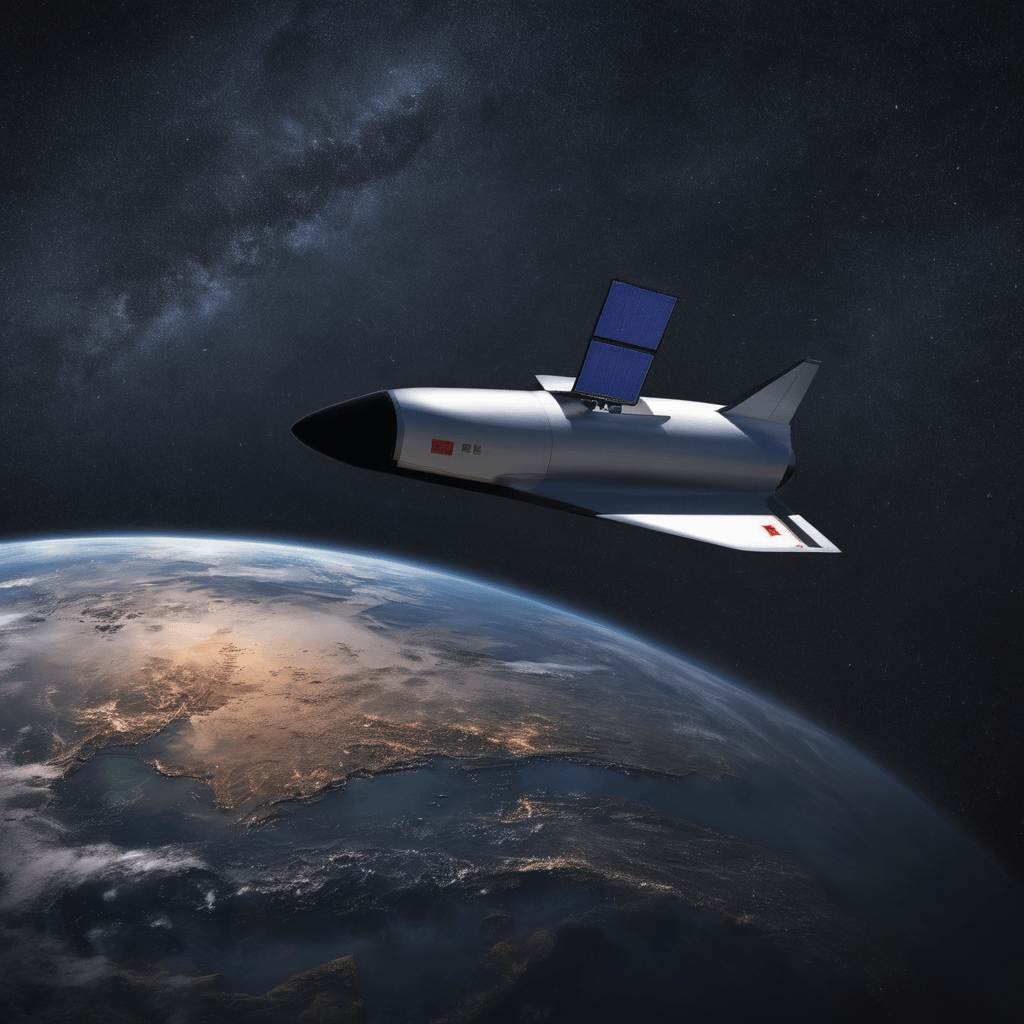
Details on China's current Shenlong spaceplane mission and its recent deployment of six objects.