


NASA Awards SpaceX 6 More Crew Missions as Boeing Stalls | KeepTrack X Report
NASA is adding 6 post-certification crew missions to SpaceX's contract as Boeing remains unable to certify Starliner for operational flights.



NORAD ID
53201
International Designator
2022-084N
Epoch
Sun, 19 Jul 2026 20:00:01 GMT
Apogee
Calculating...
Perigee
Calculating...
Inclination
97.60°
Right Ascension
264.78°
Eccentricity
Calculating...
Argument of Perigee
86.90°
Period
93.17 min
Mean Motion
15.46 rev/day
Latitude
Calculating...
Longitude
Calculating...
Altitude
Calculating...
Velocity
Calculating...
Name
STARLINK-4405
Alternative Name
Starlink 4405
Type
Status
Owner
SPXS
Country
United States
Constellation
N/A
Related Satellites
Major Events
N/A
1 53201U 22084N 26200.83335647 -.00767491 00000+0 -17376-1 0 9996
2 53201 97.6023 264.7823 0002016 86.8992 99.6871 15.45548904 5913
Source: Celestrak
Length
0.2
Diameter
2.8
Span
9
Dry Mass
275
Launch Mass
297
Shape
Box + pan
Radar Cross Section
Unknown
Visual Magnitude
Unknown
Color
Unknown
Material Composition
Unknown
Payload
Starlink Group 3-2-13
Purpose
Communication
Mission
Communication
Manufacturer
SPXS
Life Expectancy
Unknown
Bus
Starlink
Configuration
Unknown
Motor
Krypton ion thrusters
Equipment
Ku/Ka-band payload, optical inter-satellite link
Power System
Solar arrays, batteries
ADCS
Unknown
Transmitter Frequency
Unknown
Learn more about satellites and other related topics.
NASA is adding 6 post-certification crew missions to SpaceX's contract as Boeing remains unable to certify Starliner for operational flights.
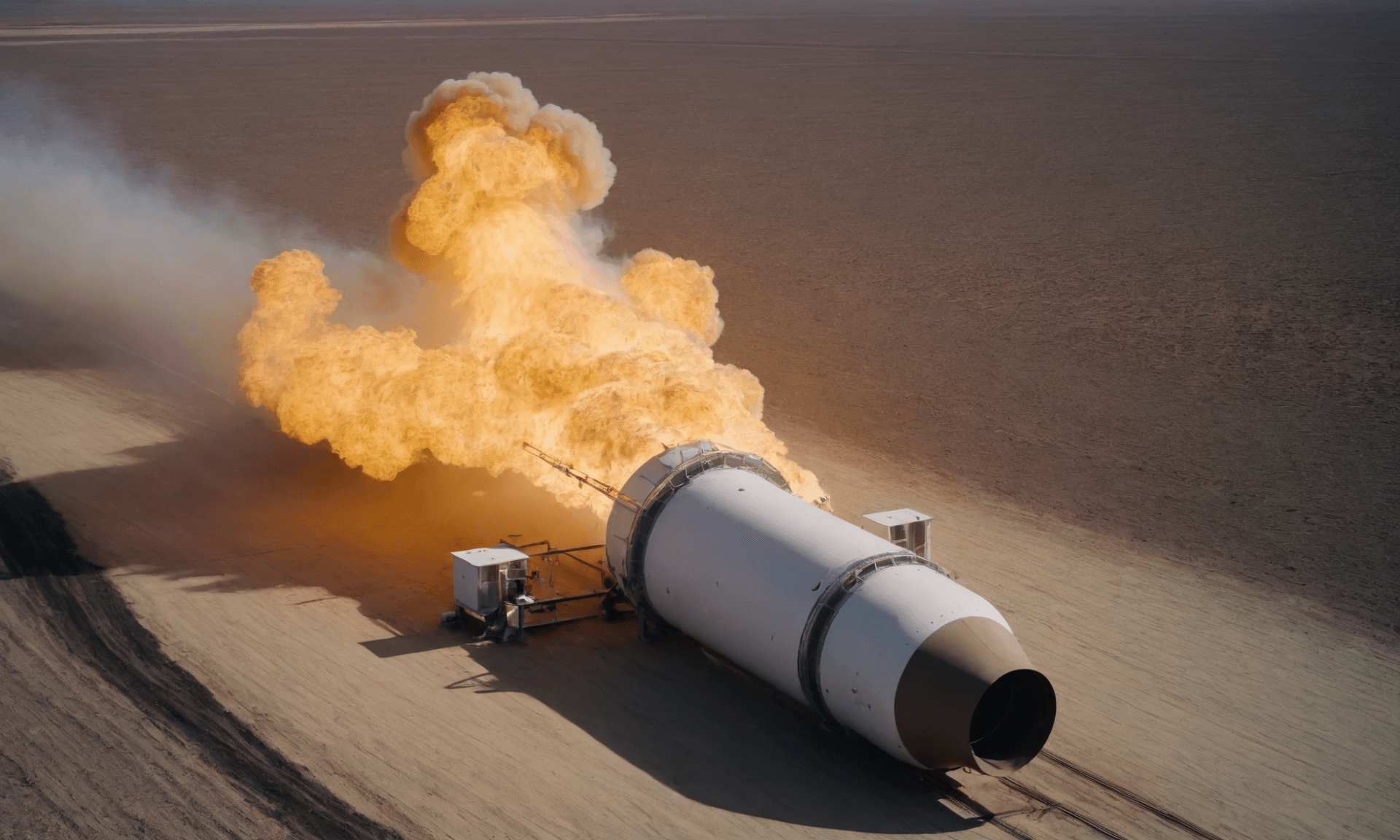
Today's Space Brief covers NASA's decision on Starliner, SpaceX's preparations for the Polaris Dawn mission, and updates on various space activities. Also featured is an in-depth look at the Hubble Space Telescope.
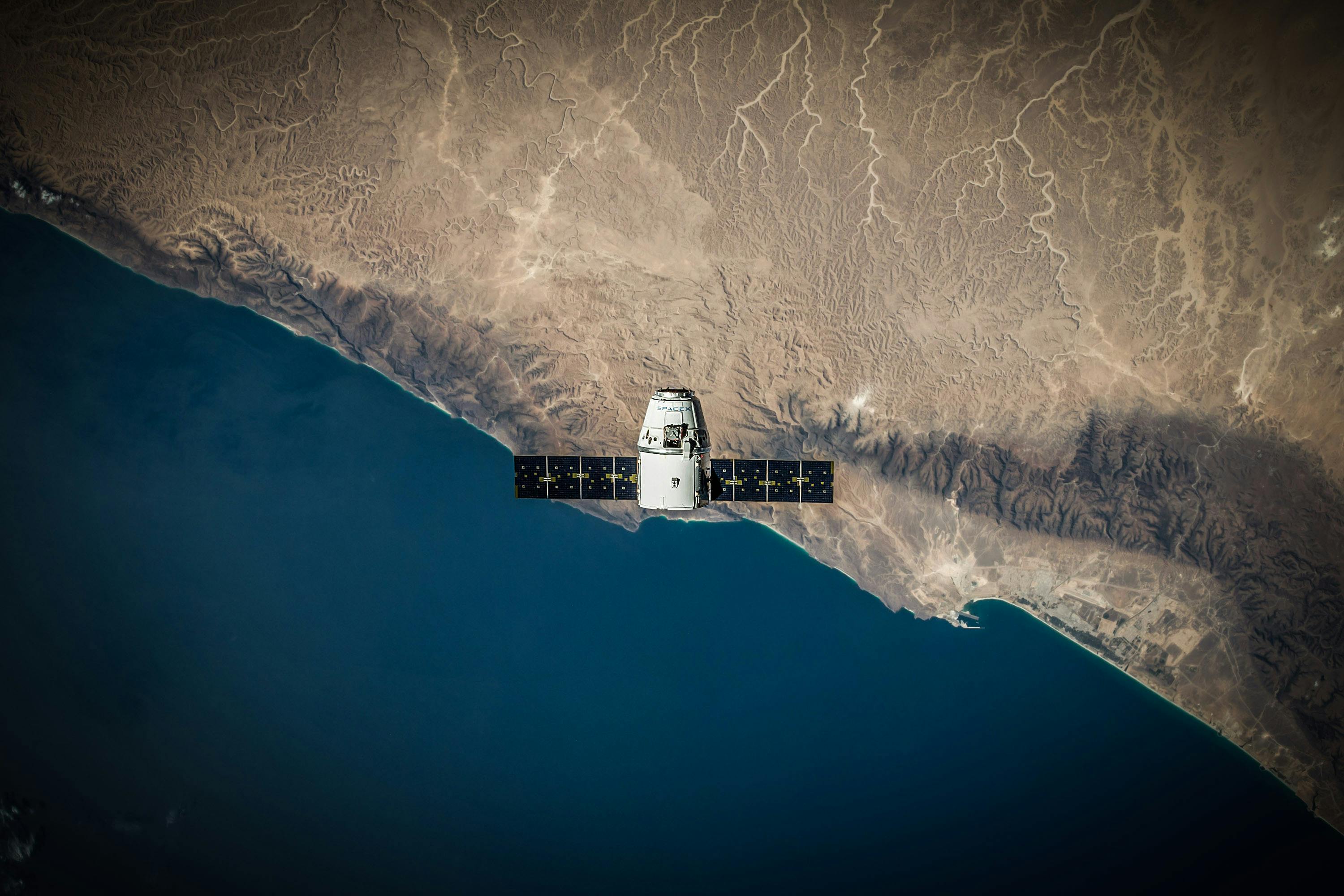
SpaceX's Falcon 9 lofts 11,000 lbs aboard Cygnus NG-24 to the ISS as Amazon pushes Leo's commercial debut to mid-2026.
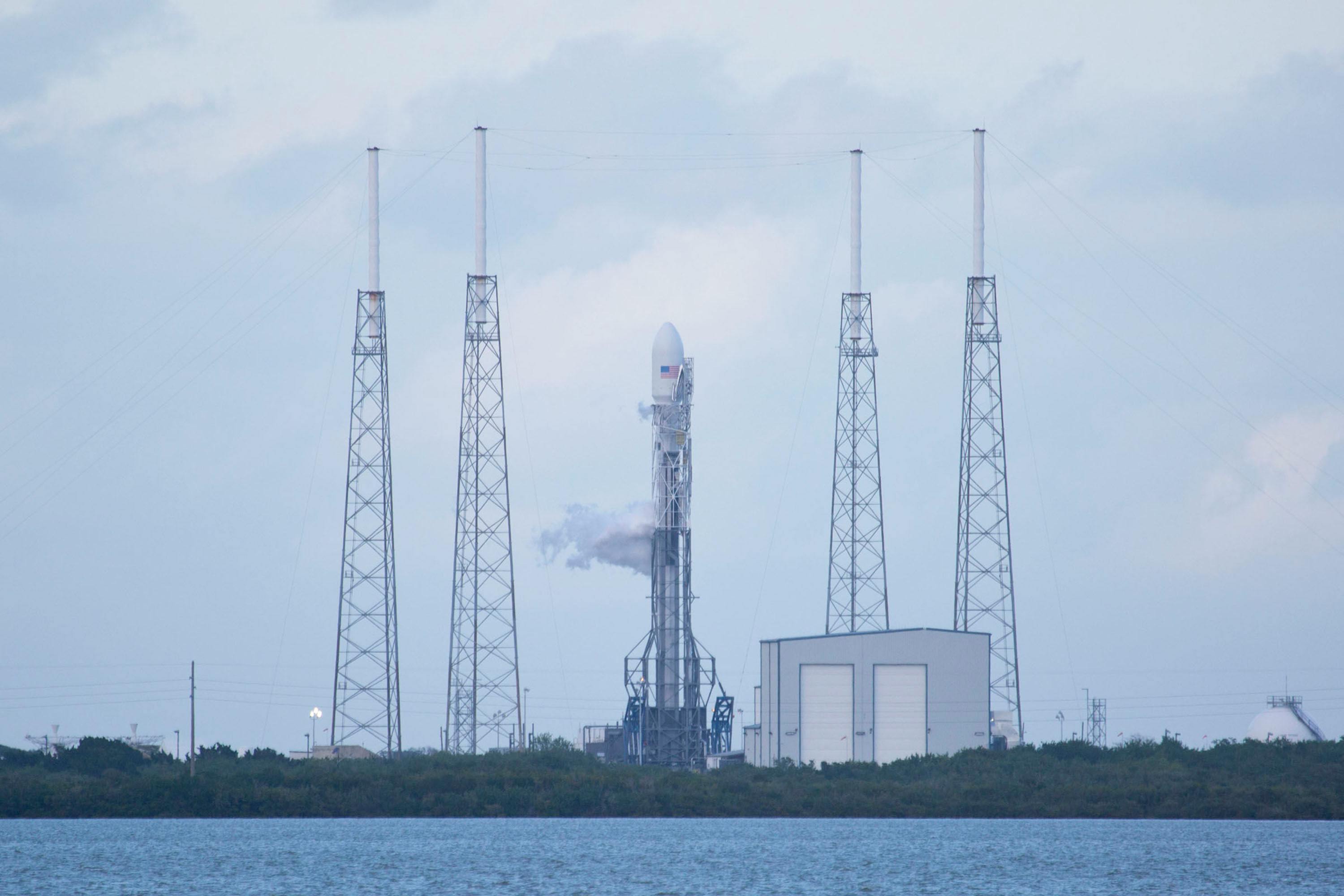
SpaceX deploys 29 Starlink satellites from Cape Canaveral on the Starlink 6-100 mission. Falcon 9 lifted off at 6:31 p.m. EST continuing SpaceX's dominant satellite internet market position.
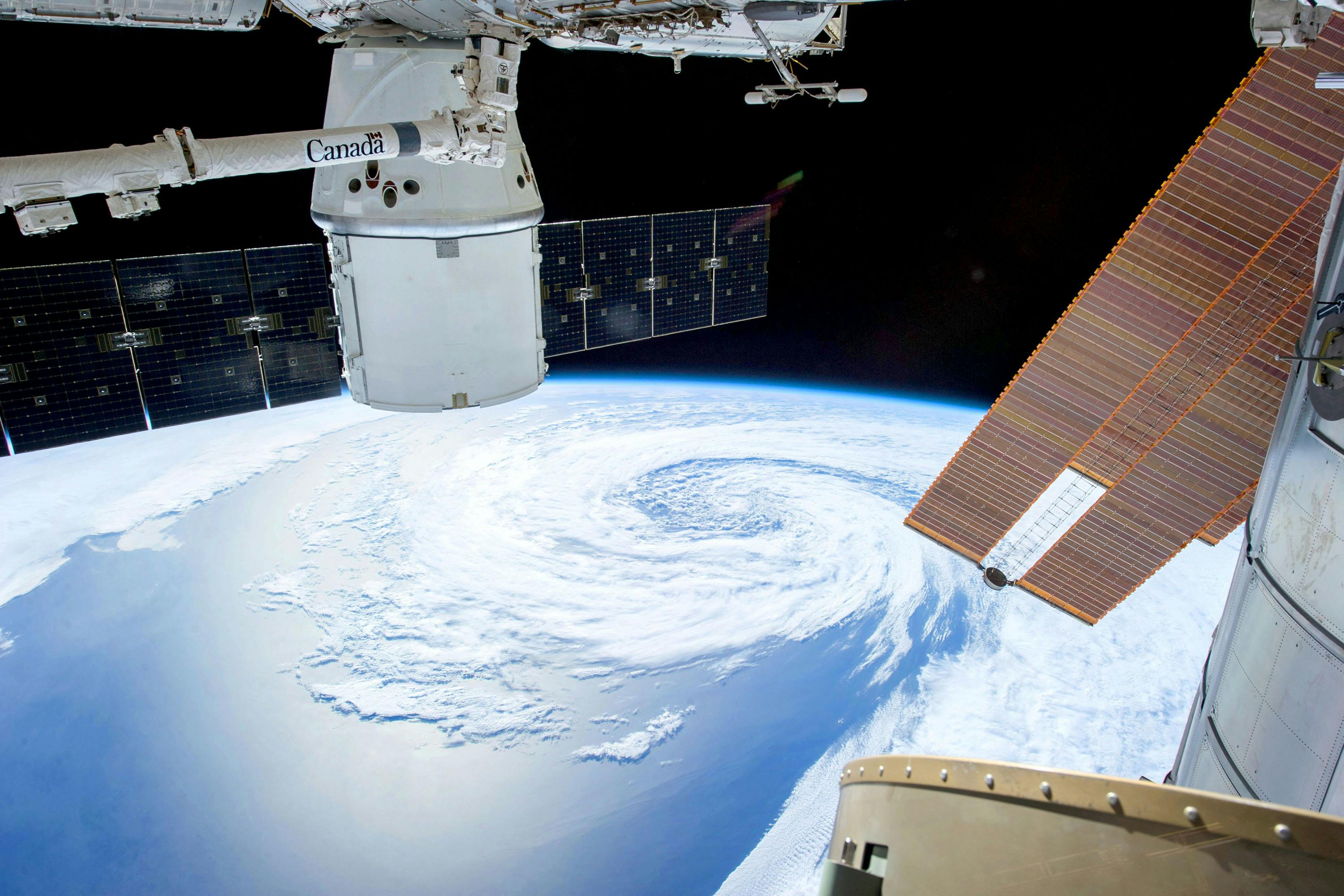
SpaceX successfully launched 23 Starlink satellites using a new Falcon 9 rocket, marking a significant milestone for the company as it expands its satellite internet constellation.
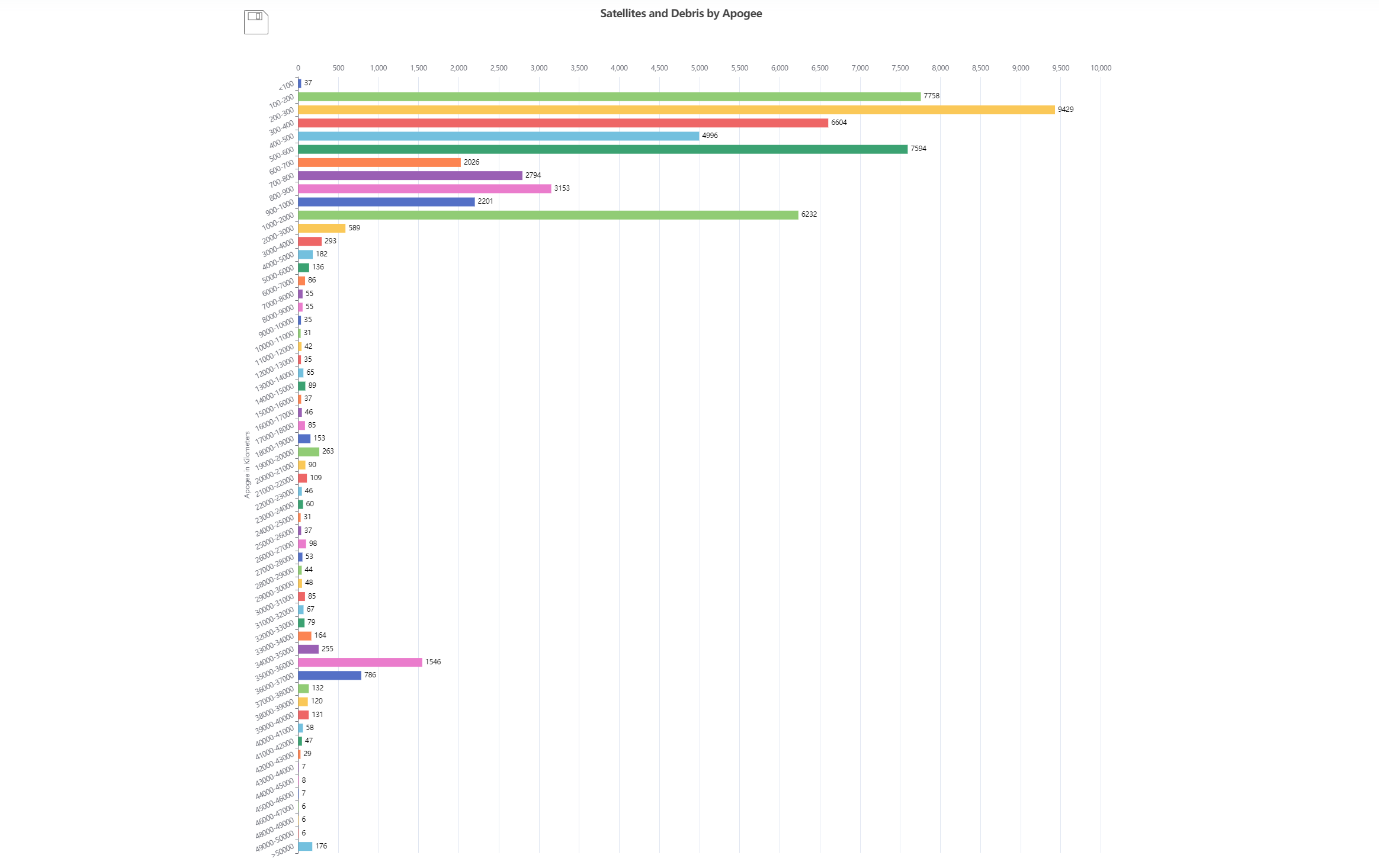
A user suggestion led to the addition of new visualizations for satellites, debris, and unidentified objects across different orbits in KeepTrack.

Today's brief covers NASA's collaboration with India for a new Earth-tracking satellite, China's expansion of its satellite internet network, and a groundbreaking cosmic shield for solar cells. Also highlighted are EchoStar's ambitious satellite order and Roscosmos' recent diplomatic moves.

Artemis 2's four-person crew splashed down April 10 after first crewed lunar flyby since Apollo 17. Orion performance data critical for Artemis 3 south pole landing planning.