


Space Brief 23 Oct 2025
Today's updates cover Vantor's satellites overcoming tracking challenges, a startup's ambitious missile defense test, and more pivotal space events.


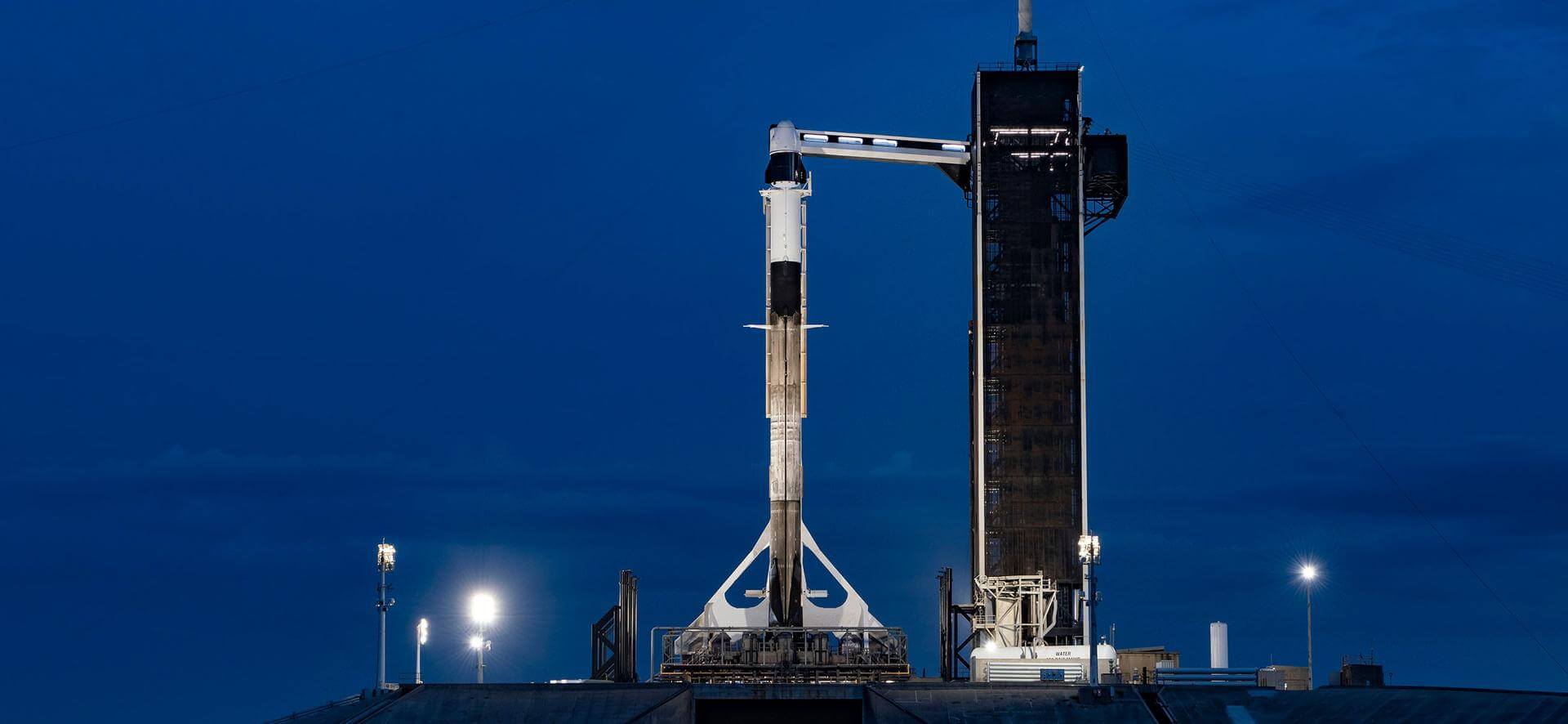
Launch Date
July 15, 2022
Launch Site
Launch Pad
LC39A
Launch Vehicle
NORAD ID
53113
International Designator
2022-081A
Decay Date
8/20/2022
Name
DRAGON CRS-25
Alternative Name
Dragon CRS-25
Type
Status
Owner
SPX
Country
United States
Constellation
N/A
Related Satellites
Major Events
N/A
Length
5.3
Diameter
3.7
Span
16.5
Dry Mass
9000
Launch Mass
10028
Shape
Frust + Cyl
Radar Cross Section
Unknown
Visual Magnitude
Unknown
Color
Unknown
Material Composition
Unknown
Payload
Dragon C208.3
Purpose
Supply and return
Mission
Supply and return
Manufacturer
SPX
Life Expectancy
Unknown
Bus
Dragon CM
Configuration
Unknown
Motor
18 Draco thrusters
Equipment
Unknown
Power System
Solar cells, batteries
ADCS
Unknown
Transmitter Frequency
Unknown
Learn more about satellites and other related topics.
Today's updates cover Vantor's satellites overcoming tracking challenges, a startup's ambitious missile defense test, and more pivotal space events.
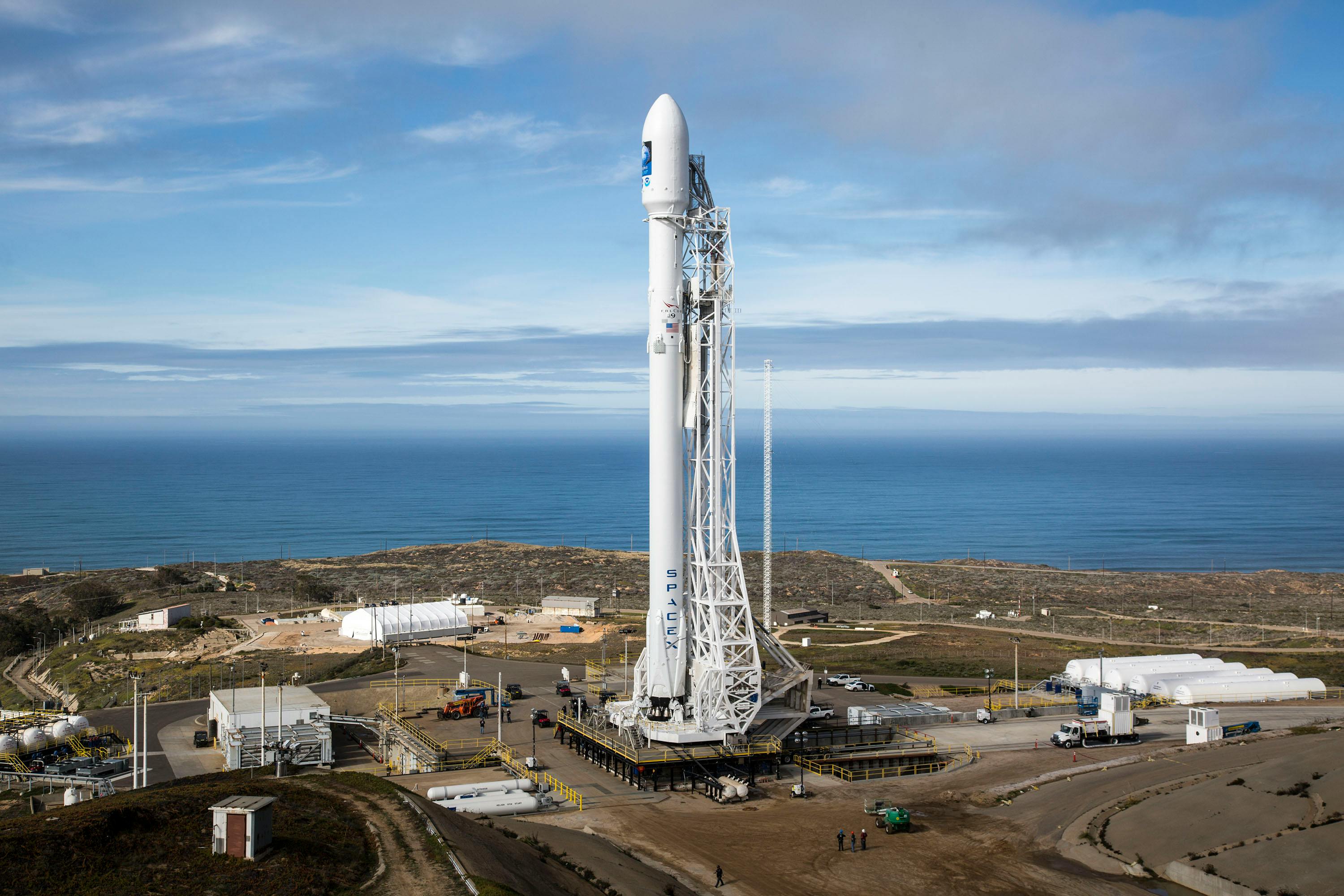
SpaceX successfully launched 23 Starlink satellites, enhancing Direct to Cell capabilities from Florida's Space Coast.
Explore today's key space events including China's satellite launch, ULA's Vulcan rocket preparations, significant budget bills from Congress, and discussions on lunar business prospects.

SpaceX unveils Stargaze space situational awareness system during 13th launch of January. Reports surface of SpaceX-xAI merger talks ahead of potential IPO. Dual-coast Starlink launches from CA and FL.
Today's brief covers various military applications of climate-monitoring satellites, new defense strategies against unmanned threats, and the potential impacts of geopolitical tensions on orbit.
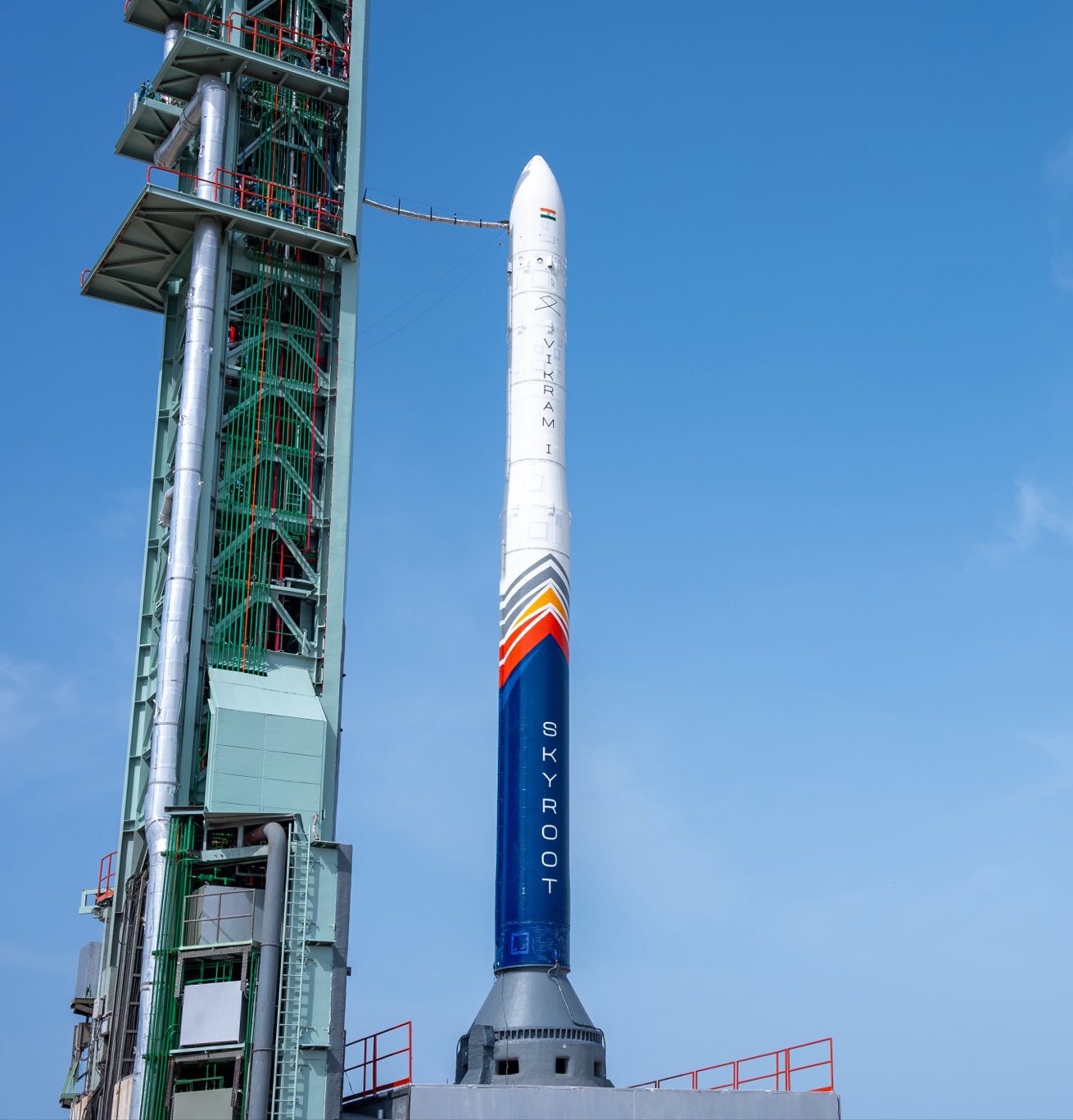
SpaceX launched 21 York Space Systems satellites for Space Development Agency's Tranche 1 Transport Layer, bringing SDA's military data-relay constellation to roughly half its planned size.
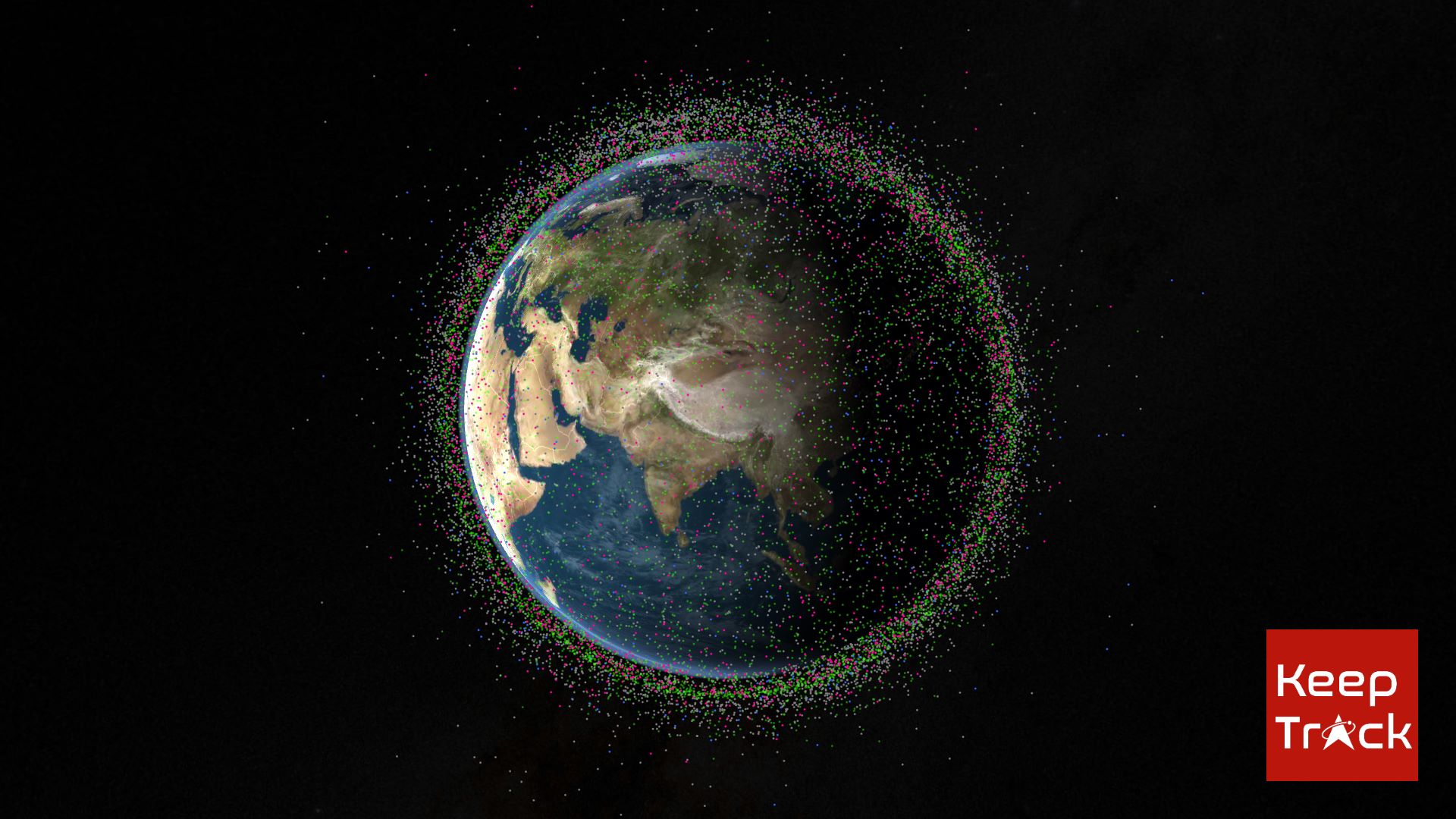
The bustling downtown of space: where most satellites operate, communication networks bloom, and the challenges of atmospheric drag and radiation shape our approach to space operations
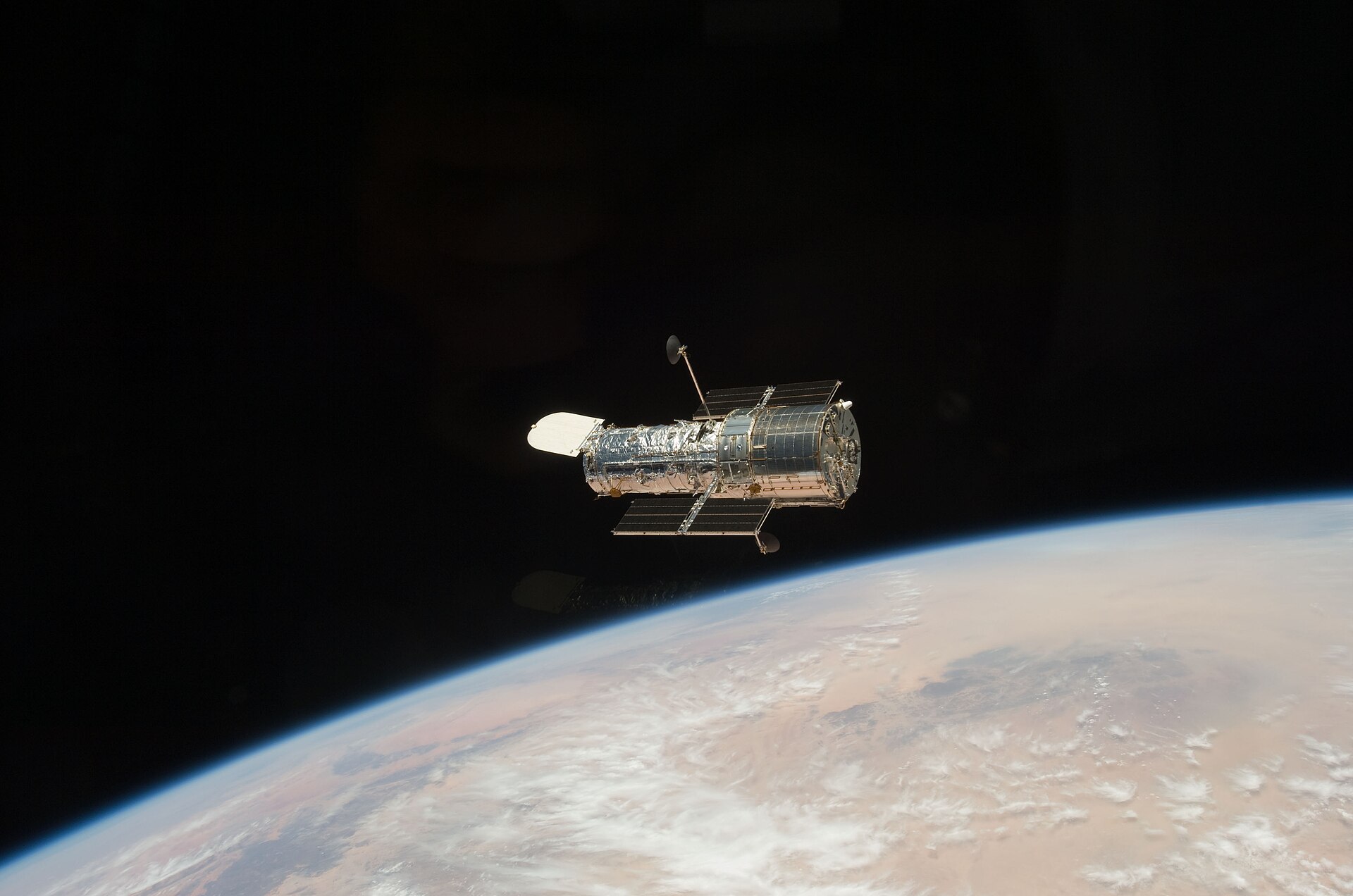
On April 25, 1990, the Space Shuttle Discovery's robotic arm lifted a 11,110-kilogram barrel of mirrors and instruments out of the payload bay and released it into orbit. Six weeks later, the first images came back badly out of focus. The Hubble Space Telescope had been ground to the wrong prescription, and America had just spent $2.5 billion on what the press was calling a 'technoturkey.'