


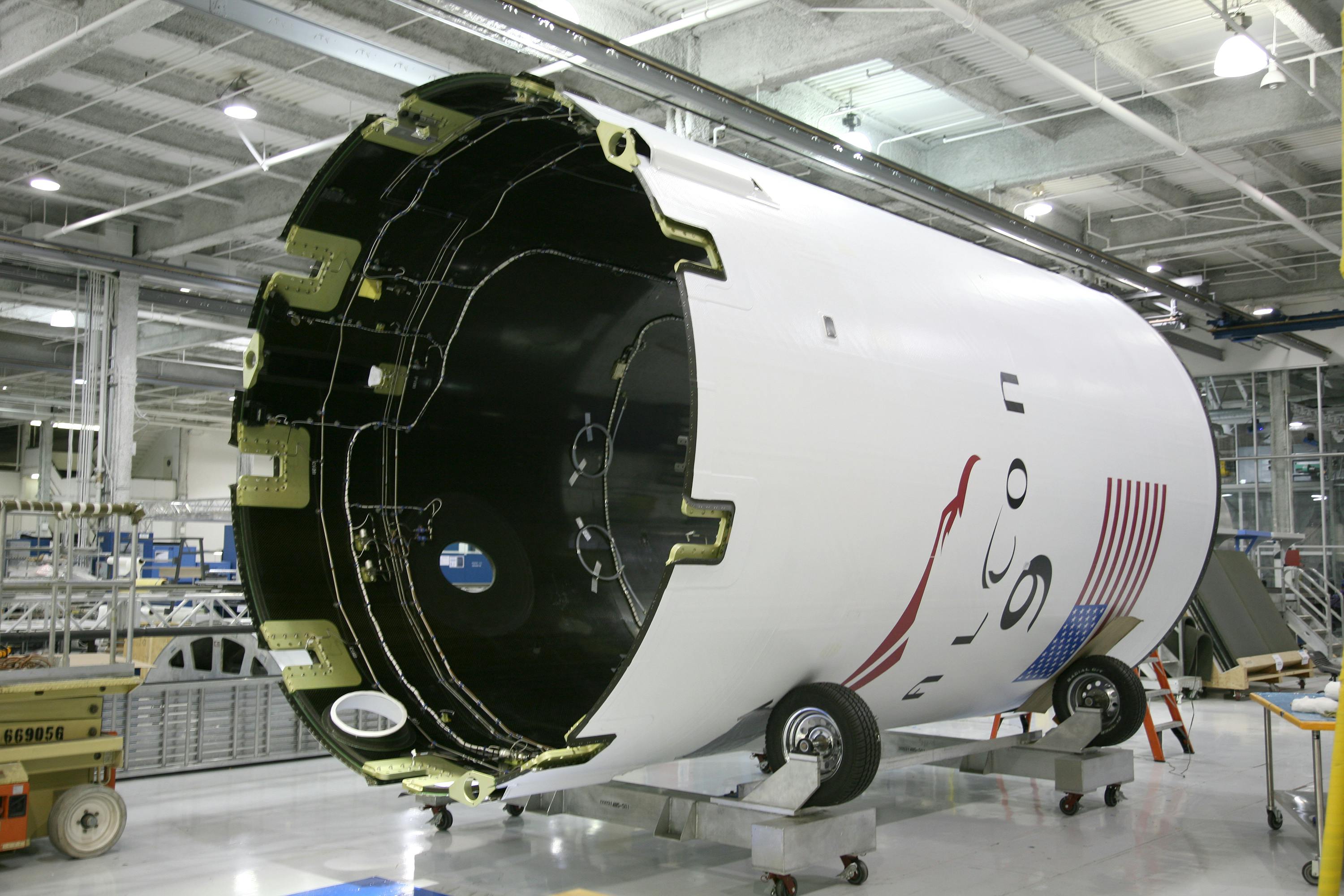
X Report 12 Jul 2025
SpaceX prepares for the Crew-11 astronaut mission launch, while Starlink continues to expand its satellite network in orbit.



Launch Date
July 7, 2022
Launch Site
Launch Pad
LC40
Launch Vehicle
NORAD ID
53006
International Designator
2022-076W
Epoch
Mon, 20 Jul 2026 00:00:02 GMT
Apogee
Calculating...
Perigee
Calculating...
Inclination
53.16°
Right Ascension
216.91°
Eccentricity
Calculating...
Argument of Perigee
97.77°
Period
93.79 min
Mean Motion
15.35 rev/day
Latitude
Calculating...
Longitude
Calculating...
Altitude
Calculating...
Velocity
Calculating...
Name
STARLINK-4290
Alternative Name
Starlink 4290
Type
Status
Owner
SPXS
Country
United States
Constellation
N/A
Related Satellites
Major Events
N/A
1 53006U 22076W 26201.00002315 .00043104 00000+0 12401-2 0 9994
2 53006 53.1593 216.9091 0001119 97.7685 263.0922 15.35384670 5814
Source: Celestrak
Length
0.2
Diameter
2.8
Span
9
Dry Mass
275
Launch Mass
297
Shape
Box + pan
Radar Cross Section
Unknown
Visual Magnitude
Unknown
Color
Unknown
Material Composition
Unknown
Payload
Starlink Group 4-21-21
Purpose
Communication
Mission
Communication
Manufacturer
SPXS
Life Expectancy
Unknown
Bus
Starlink
Configuration
Unknown
Motor
Krypton ion thrusters
Equipment
Ku/Ka-band payload, optical inter-satellite link
Power System
Solar arrays, batteries
ADCS
Unknown
Transmitter Frequency
Unknown
Learn more about satellites and other related topics.
SpaceX prepares for the Crew-11 astronaut mission launch, while Starlink continues to expand its satellite network in orbit.

Booster B1067 sets new Falcon 9 reuse record with 35th successful flight, deploying 29 Starlink satellites. Quantum Space pursues public markets via SPAC.

Today's Space Brief covers a major partnership in space tech distribution, China's orbital refueling preparations under U.S. scrutiny, recent U.S. defense budget reveals, and an exciting hyperspectral imagery release from Xplore.
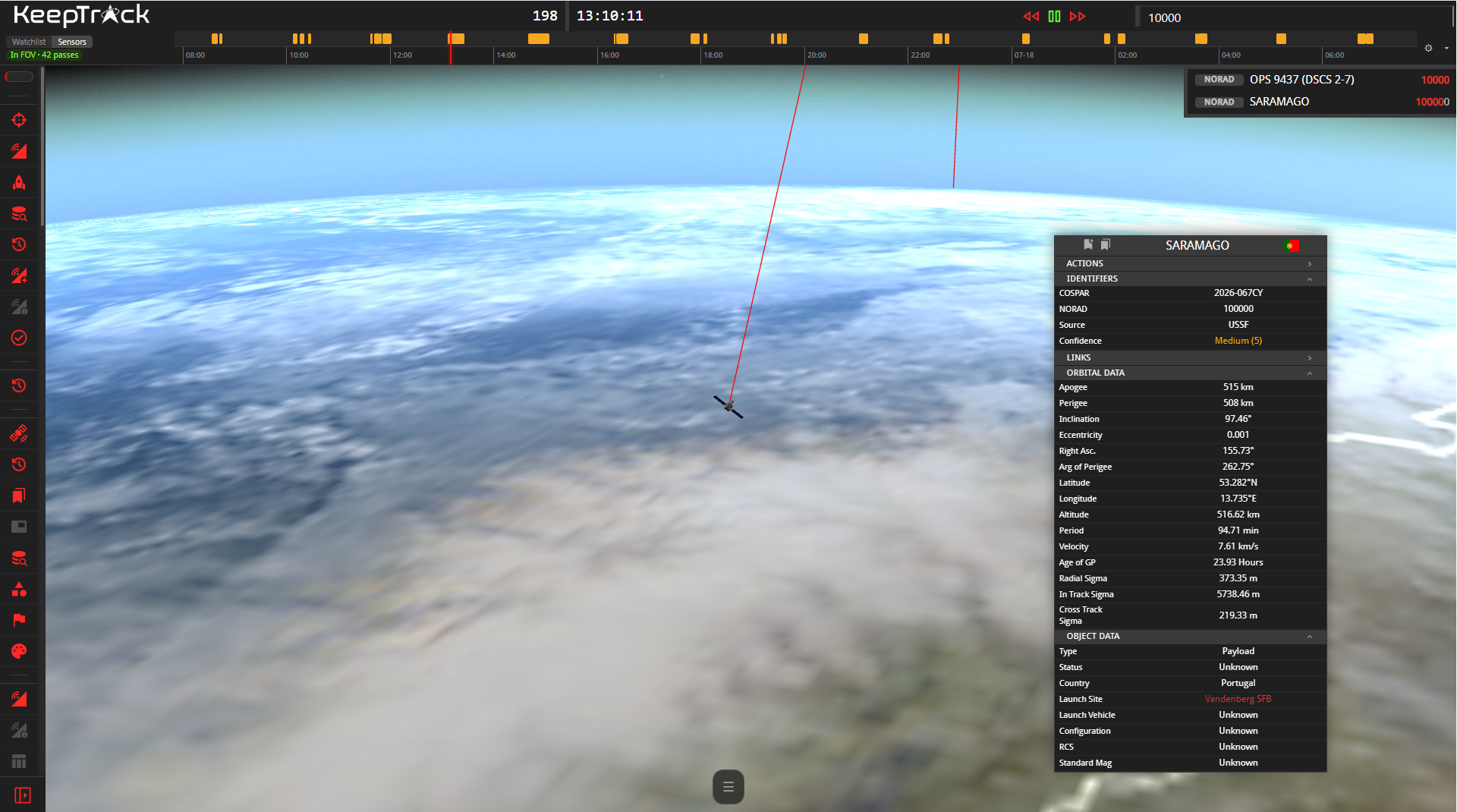
On July 11, 2026, a Portuguese satellite named after a Nobel laureate became the first object to carry catalog number 100000. It broke a five-digit numbering limit that had held since Sputnik, and exposed how unprepared decades of tracking software is for a sky this crowded.

A second Starlink satellite has generated on-orbit debris in just over 3 months, threatening SpaceX's 10,151-satellite working constellation.

China's iSpace secures record $729M for reusable rocket development. SpaceX launches Crew-12 and lands booster at new LZ-40 pad. Startup bets on space-based missile defense.
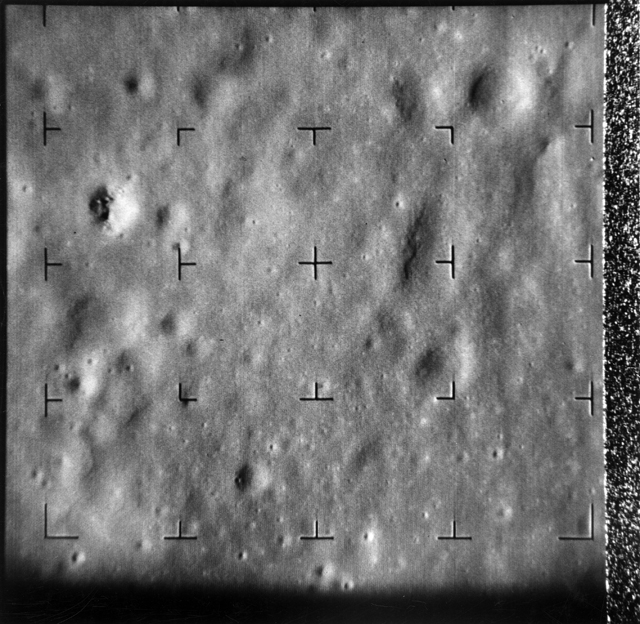
Sixty years ago, a pioneering spacecraft called Ranger 8 captured thousands of detailed photographs of the lunar surface before intentionally crashing into the Moon, helping pave the way for humanity's first steps on another world
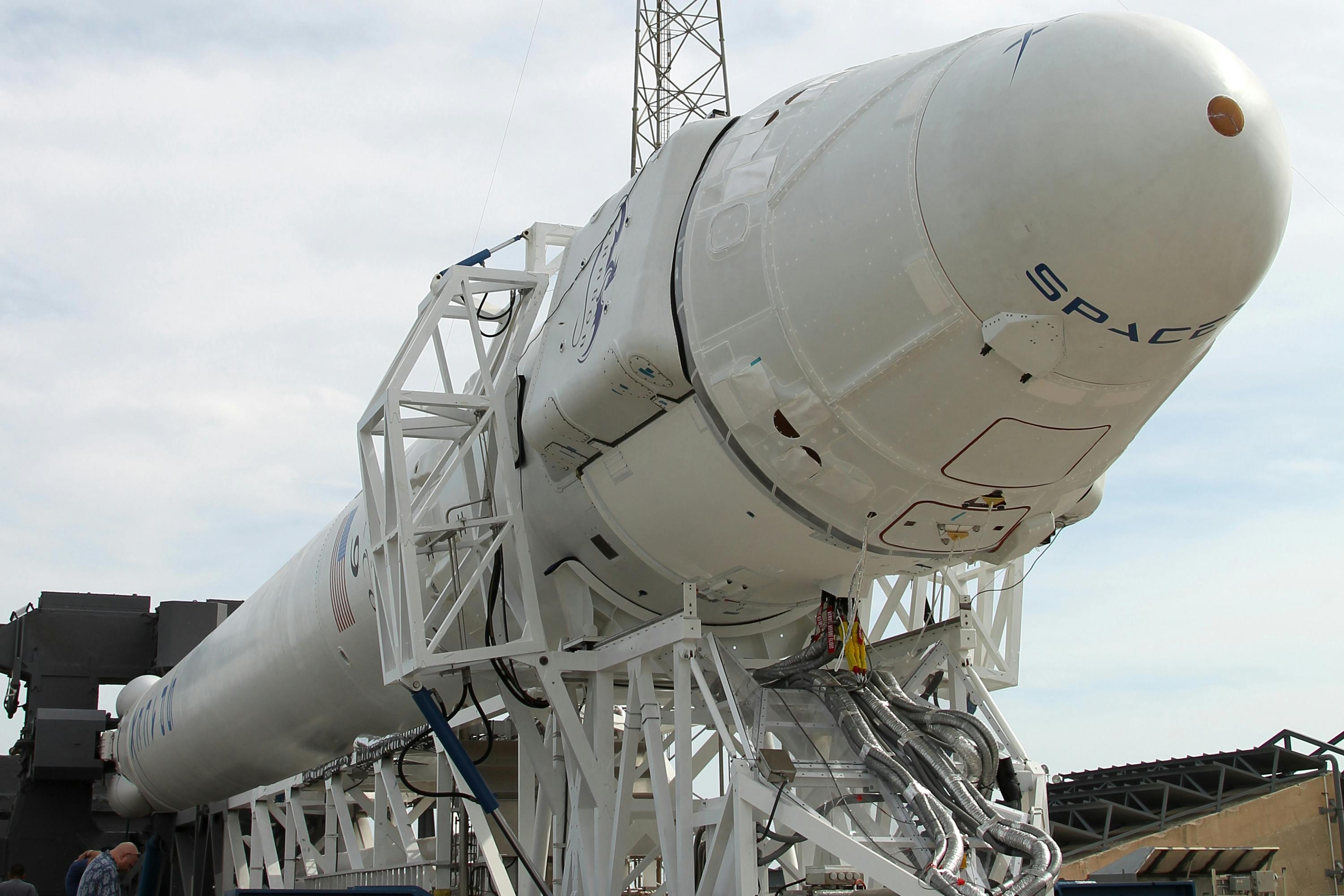
SpaceX launches more Starlink satellites as Starship prepares for full stack testing, amidst Musk's new governmental role.