


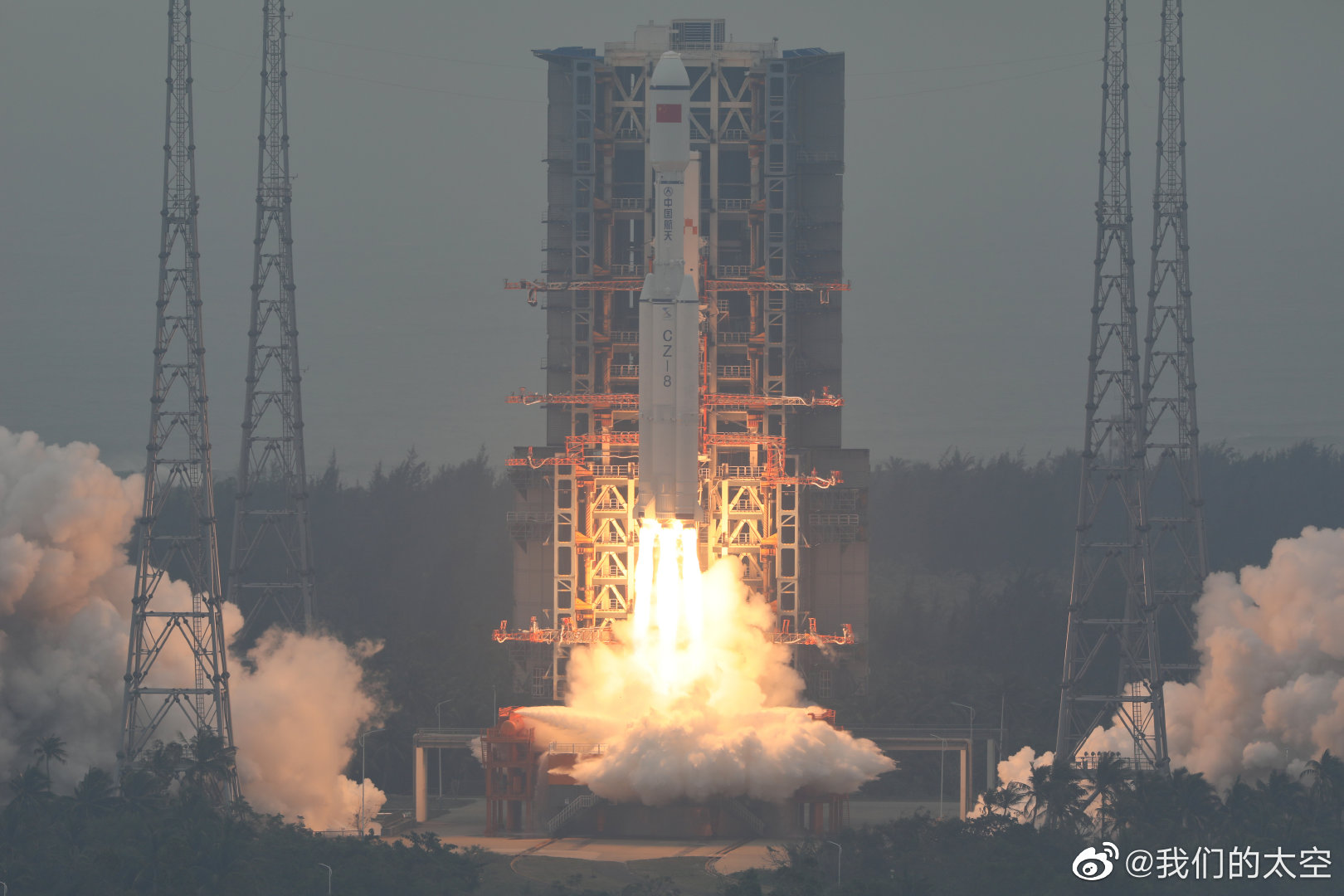
Space Brief 18 Jan 2025
In today's brief: high-profile personnel changes in the Space Force, the inclusion of Space Force in historical political events, and strategic shifts in defense highlighted with a focus on satellite applications.



Launch Date
July 7, 2022
Launch Site
Launch Pad
LC40
Launch Vehicle
NORAD ID
52989
International Designator
2022-076D
Epoch
Sun, 19 Jul 2026 20:00:01 GMT
Apogee
Calculating...
Perigee
Calculating...
Inclination
53.22°
Right Ascension
211.28°
Eccentricity
Calculating...
Argument of Perigee
88.14°
Period
92.35 min
Mean Motion
15.59 rev/day
Latitude
Calculating...
Longitude
Calculating...
Altitude
Calculating...
Velocity
Calculating...
Name
STARLINK-4293
Alternative Name
Starlink 4293
Type
Status
Owner
SPXS
Country
United States
Constellation
N/A
Related Satellites
Major Events
N/A
1 52989U 22076D 26200.83335647 .00202750 00000+0 24711-2 0 9991
2 52989 53.2173 211.2821 0001506 88.1350 262.3280 15.59319820 5944
Source: Celestrak
Length
0.2
Diameter
2.8
Span
9
Dry Mass
275
Launch Mass
297
Shape
Box + pan
Radar Cross Section
Unknown
Visual Magnitude
Unknown
Color
Unknown
Material Composition
Unknown
Payload
Starlink Group 4-21-04
Purpose
Communication
Mission
Communication
Manufacturer
SPXS
Life Expectancy
Unknown
Bus
Starlink
Configuration
Unknown
Motor
Krypton ion thrusters
Equipment
Ku/Ka-band payload, optical inter-satellite link
Power System
Solar arrays, batteries
ADCS
Unknown
Transmitter Frequency
Unknown
Learn more about satellites and other related topics.
In today's brief: high-profile personnel changes in the Space Force, the inclusion of Space Force in historical political events, and strategic shifts in defense highlighted with a focus on satellite applications.

Explore today's key space events including a SpaceX Starlink launch, Neuraspace's new telescope for space traffic monitoring, and Globalstar's defense-focused satellite service debut.
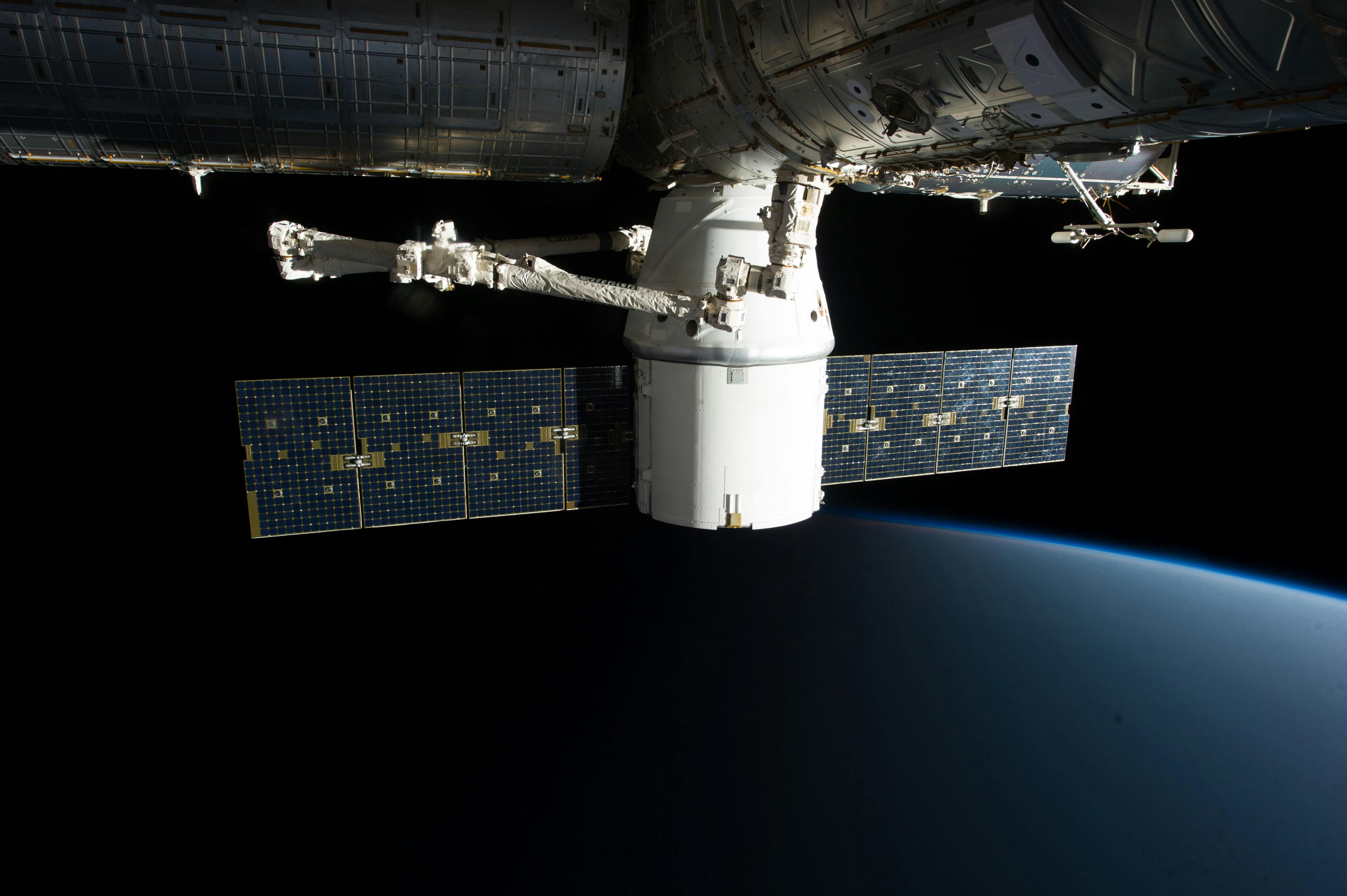
SpaceX gears up for another busy week with a Falcon 9 launch to the ISS while Vast Space expands its Haven-1 payload roster.
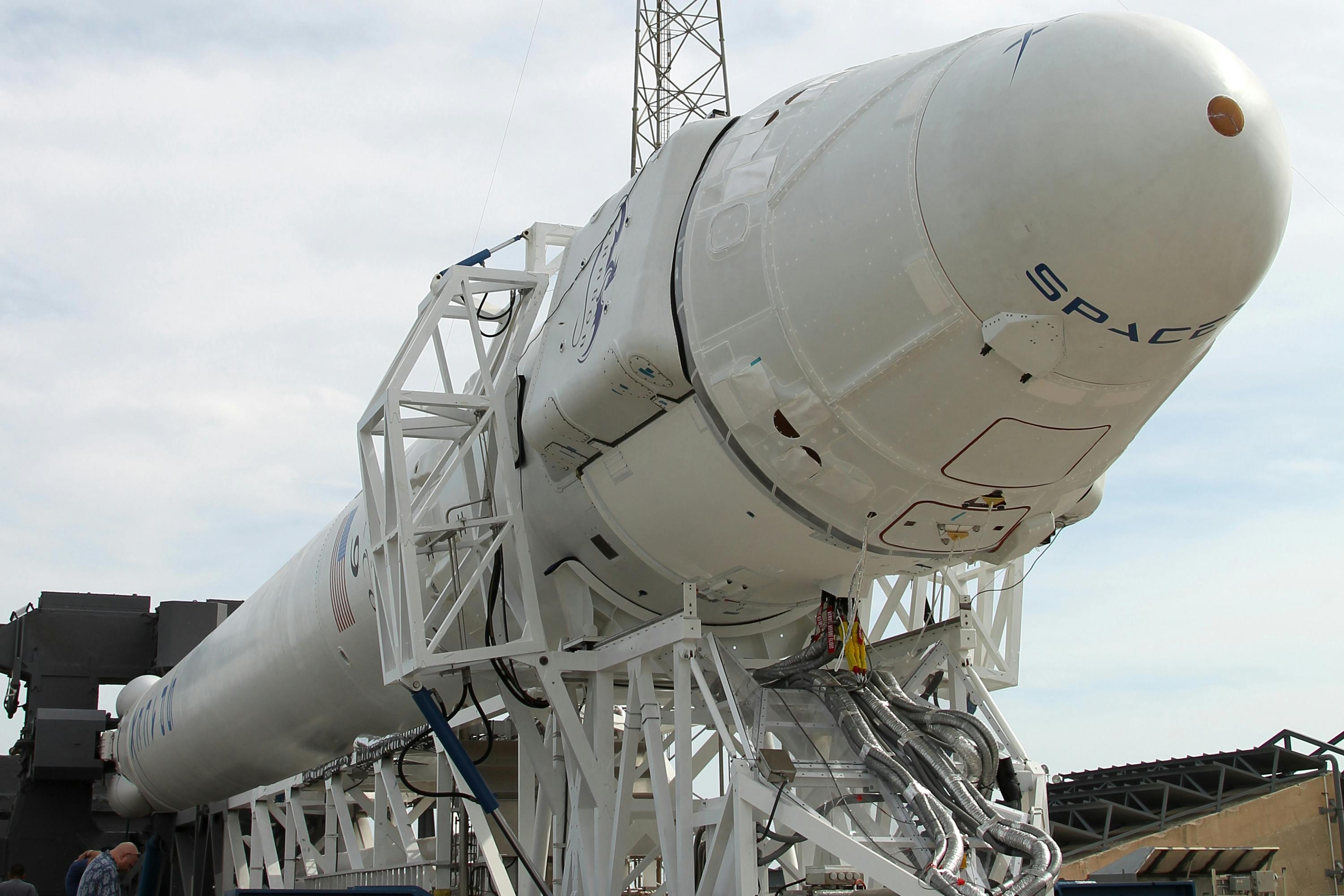
SpaceX launches more Starlink satellites as Starship prepares for full stack testing, amidst Musk's new governmental role.
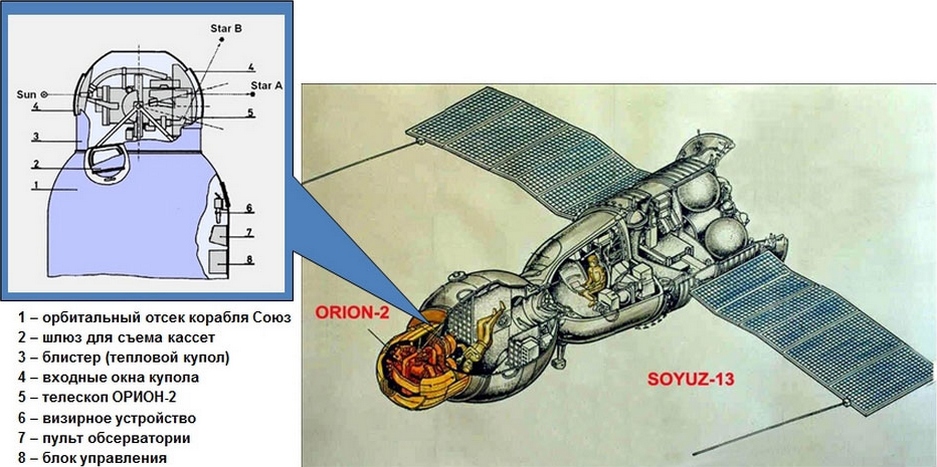
Exactly 52 years ago today, the Soviet Union launched Soyuz 13 - a scientific mission that marked the first time American astronauts and Soviet cosmonauts orbited Earth simultaneously. Armed with a revolutionary ultraviolet telescope, Pyotr Klimuk and Valentin Lebedev would discover elements never before seen in distant nebulae.
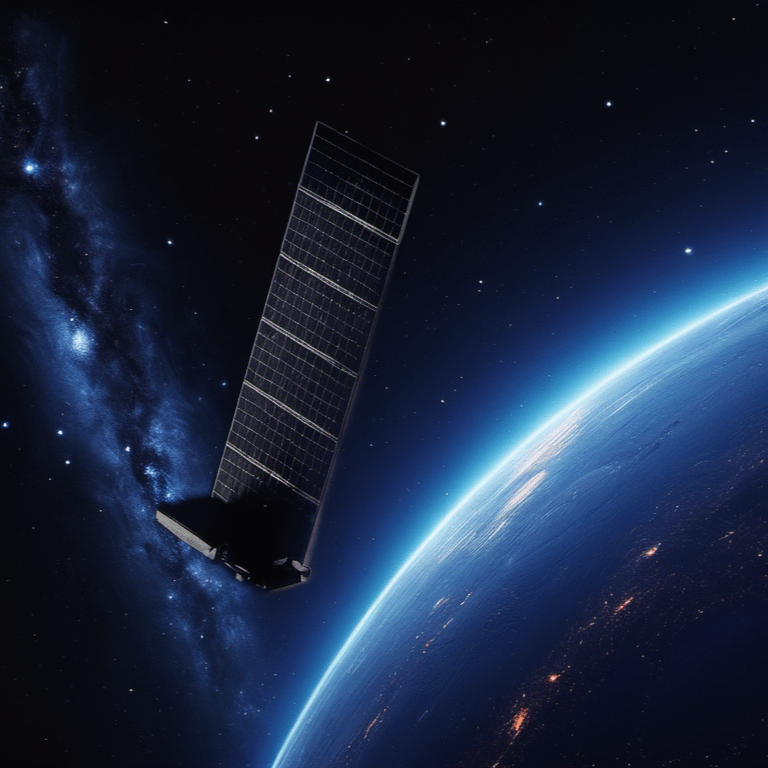
This article delves into SpaceX's incredible journey from its inception to becoming a space industry leader, and its Starlink project's mission to provide global internet access.
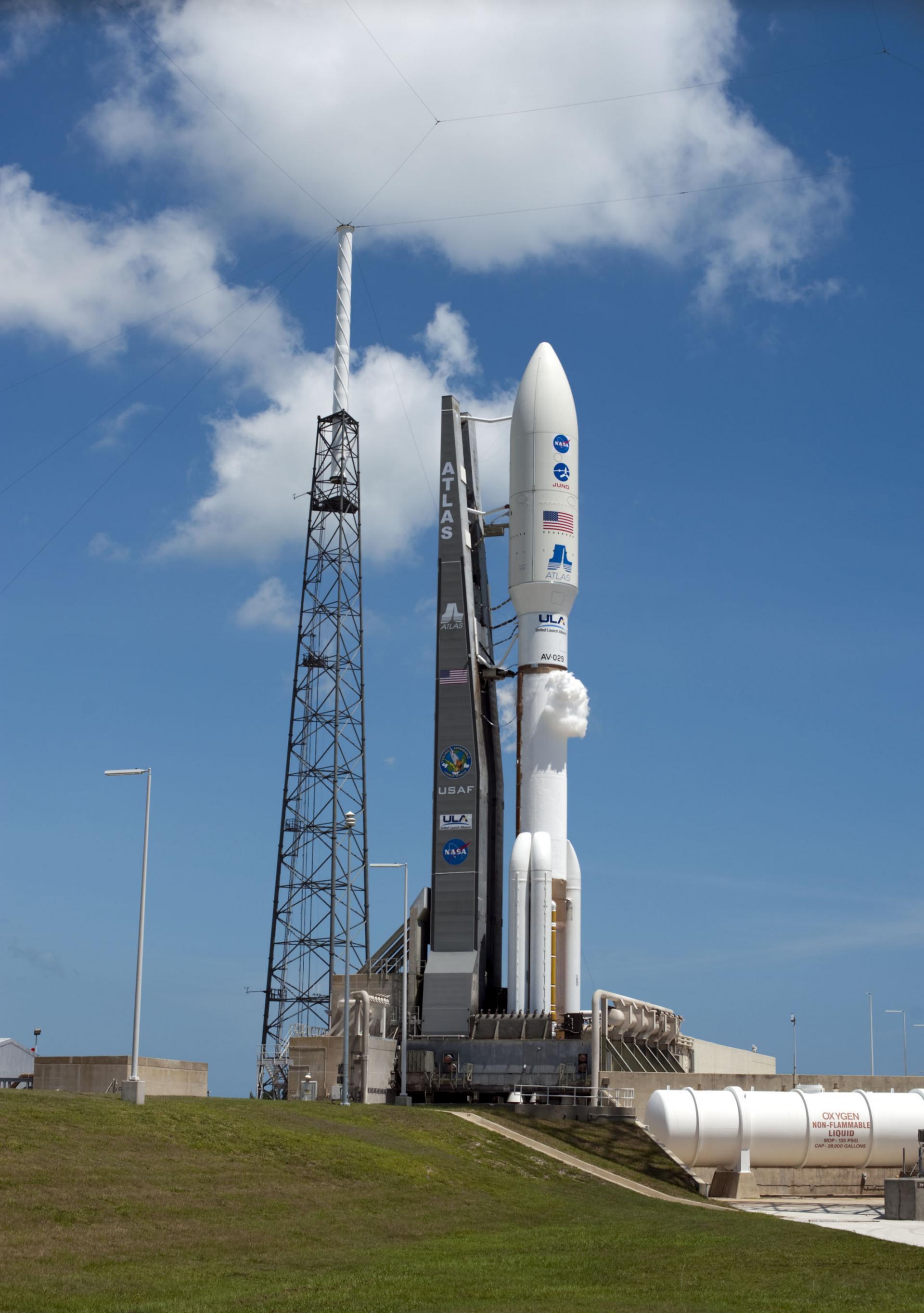
Today's briefing covers space-based missile defense, AI maritime surveillance, and new governmental shifts impacting the defense sector.
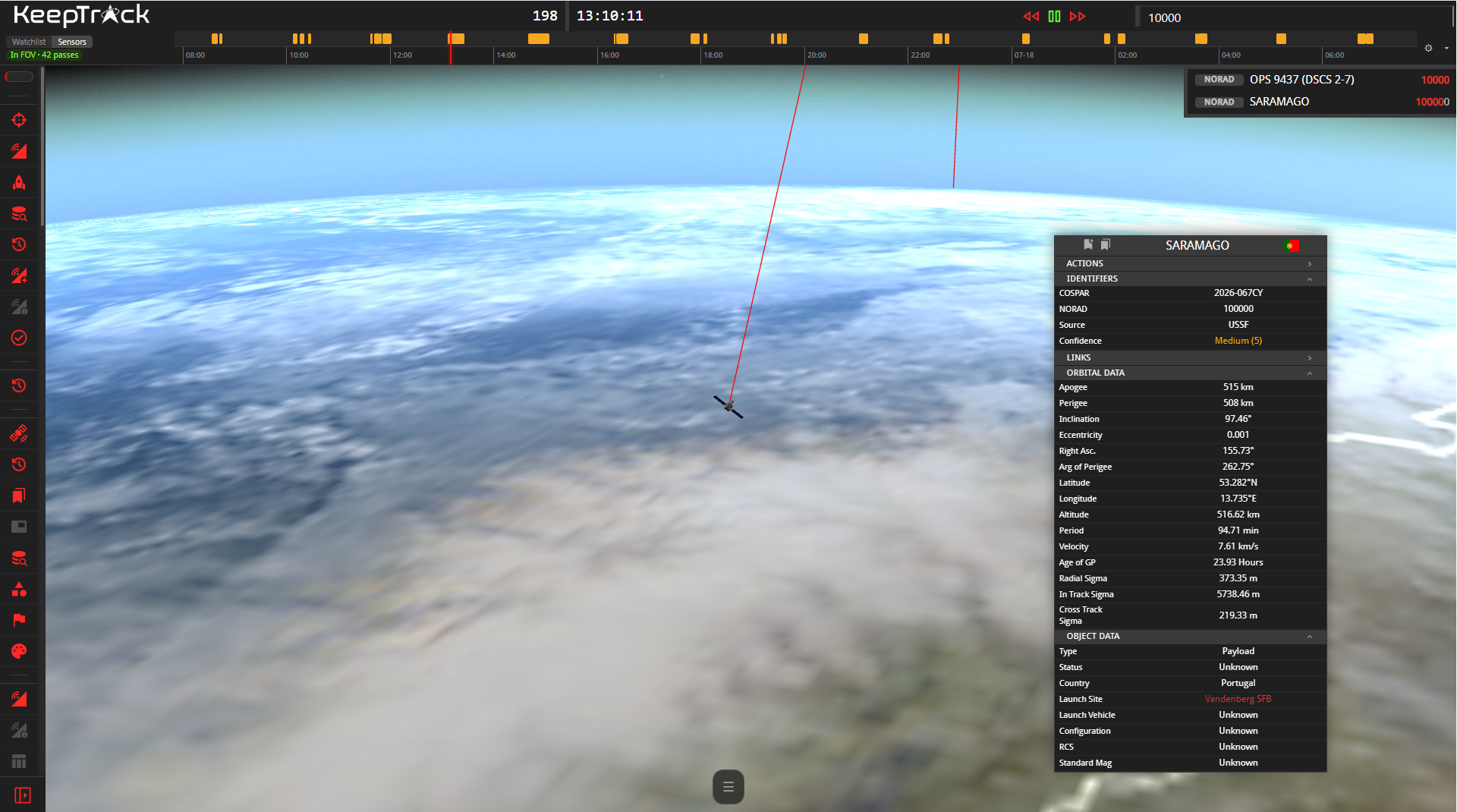
On July 11, 2026, a Portuguese satellite named after a Nobel laureate became the first object to carry catalog number 100000. It broke a five-digit numbering limit that had held since Sputnik, and exposed how unprepared decades of tracking software is for a sky this crowded.