


NASA Awards SpaceX 6 More Crew Missions as Boeing Stalls | KeepTrack X Report
NASA is adding 6 post-certification crew missions to SpaceX's contract as Boeing remains unable to certify Starliner for operational flights.


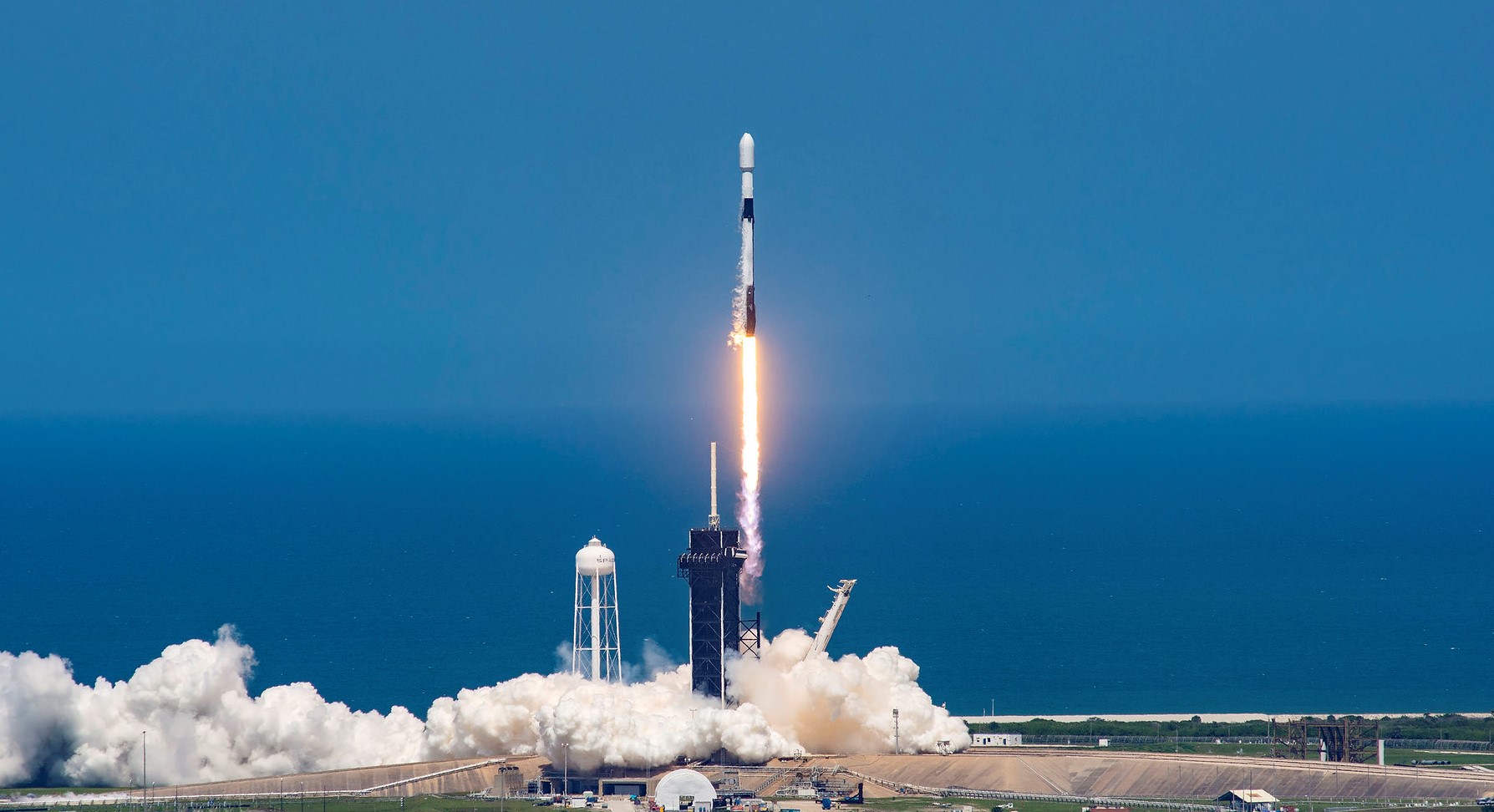
Launch Date
May 25, 2022
Launch Site
Launch Pad
LC40
Launch Vehicle
NORAD ID
52752
International Designator
2022-057W
Decay Date
3/31/2026
Name
NUSAT-31 (RUBY PAYNE-S)
Alternative Name
Ruby Payne-Scott
Type
Status
Owner
URUGUS
Country
Uruguay
Constellation
N/A
Related Satellites
Major Events
N/A
Length
0.813
Diameter
0.508
Span
0.813
Dry Mass
38.5
Launch Mass
41.5
Shape
Box
Radar Cross Section
Unknown
Visual Magnitude
Unknown
Color
Unknown
Material Composition
Unknown
Payload
NuSat 31
Purpose
Earth observation
Mission
Earth observation
Manufacturer
URUGUS
Life Expectancy
3-4 years
Bus
Newsat V
Configuration
Unknown
Motor
None
Equipment
Imaging payload (all), LUSEX U/V linear transponder payload (#1)
Power System
Solar cells, batteries
ADCS
Unknown
Transmitter Frequency
Unknown
Learn more about satellites and other related topics.
NASA is adding 6 post-certification crew missions to SpaceX's contract as Boeing remains unable to certify Starliner for operational flights.
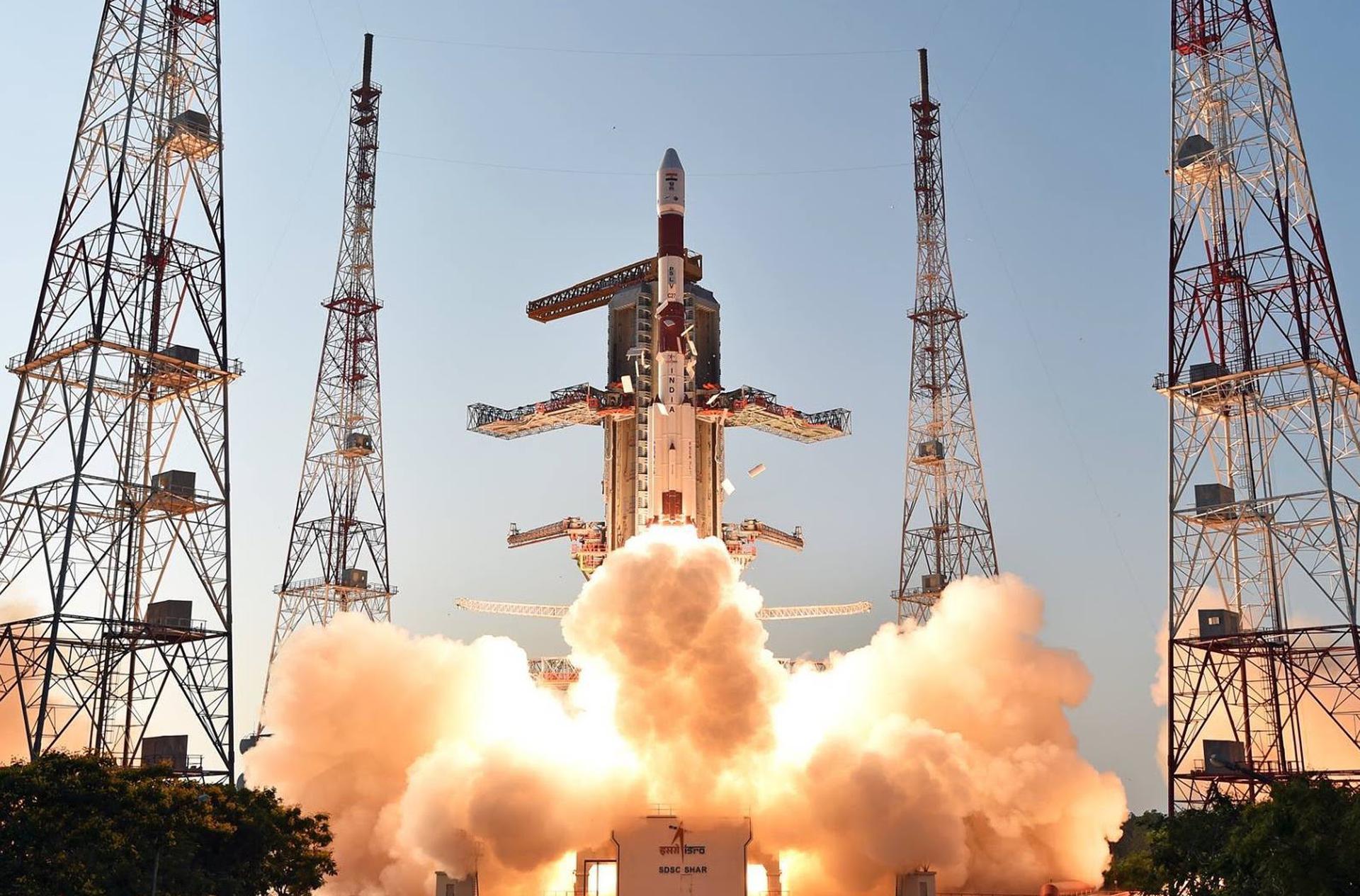
Highlighting ExLabs' Space Force contract, Starlink advances, and developments in orbital communication tech.

SpaceX continues to ramp up its operations with the launch of 29 more Starlink satellites, while significant upgrades at its Starbase facility signify ambitious future plans.
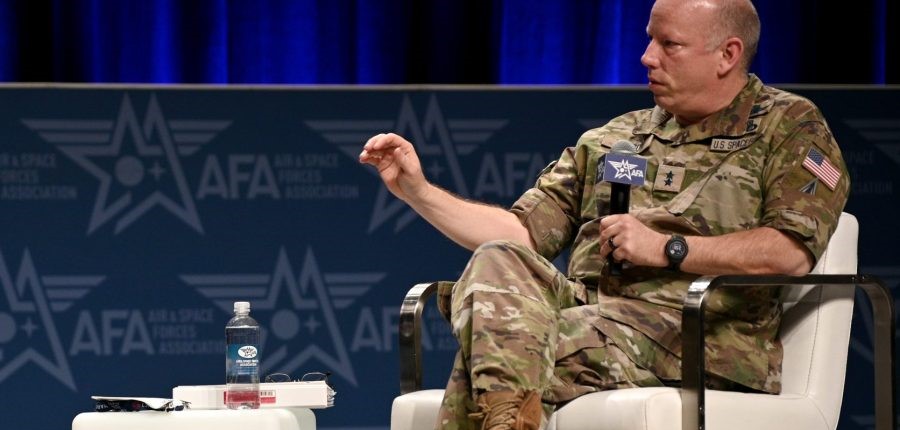
Space & Cyber Command disrupted Iran ops as US munition stockpiles drop. Space Force shifts to commercial ground stations & faces acquisition workforce gaps.
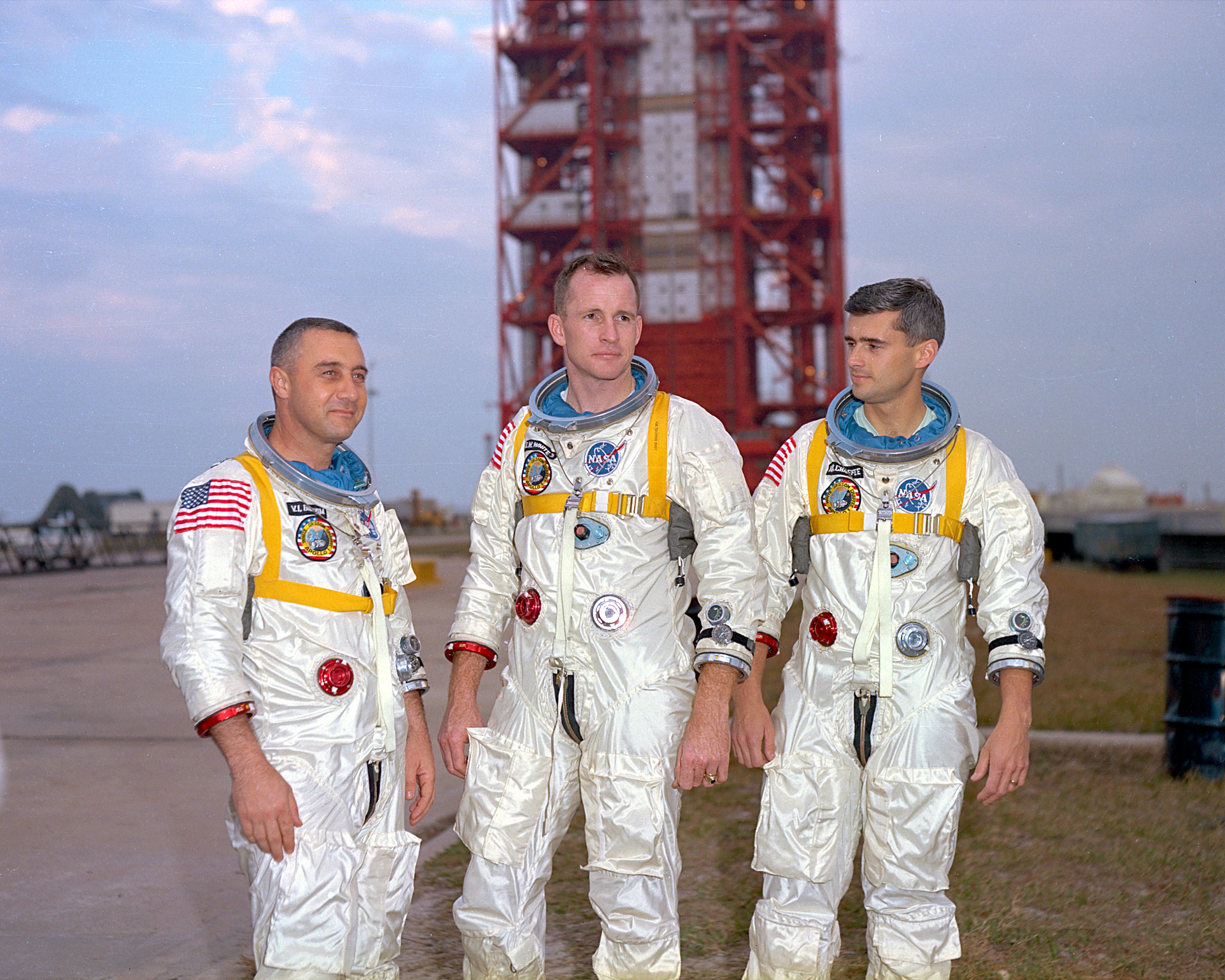
Fifty-eight years ago, a tragic fire during a routine test transformed spacecraft design and created the foundation of modern spaceflight safety culture
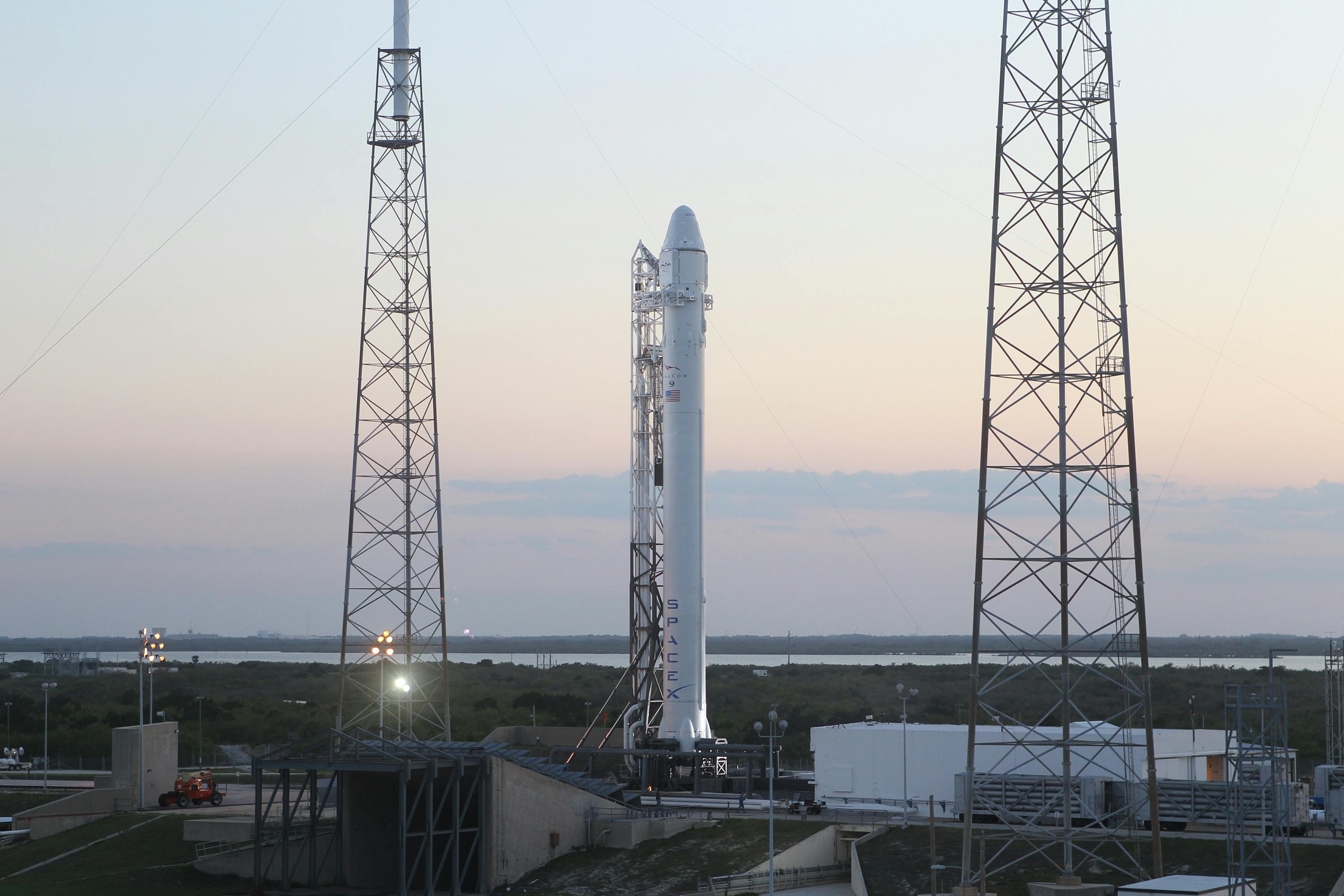
NASA's Inspector General warns of crew survival analysis gaps in Starship lunar lander program as Falcon 9 prepares to lead 8 global launches this week.
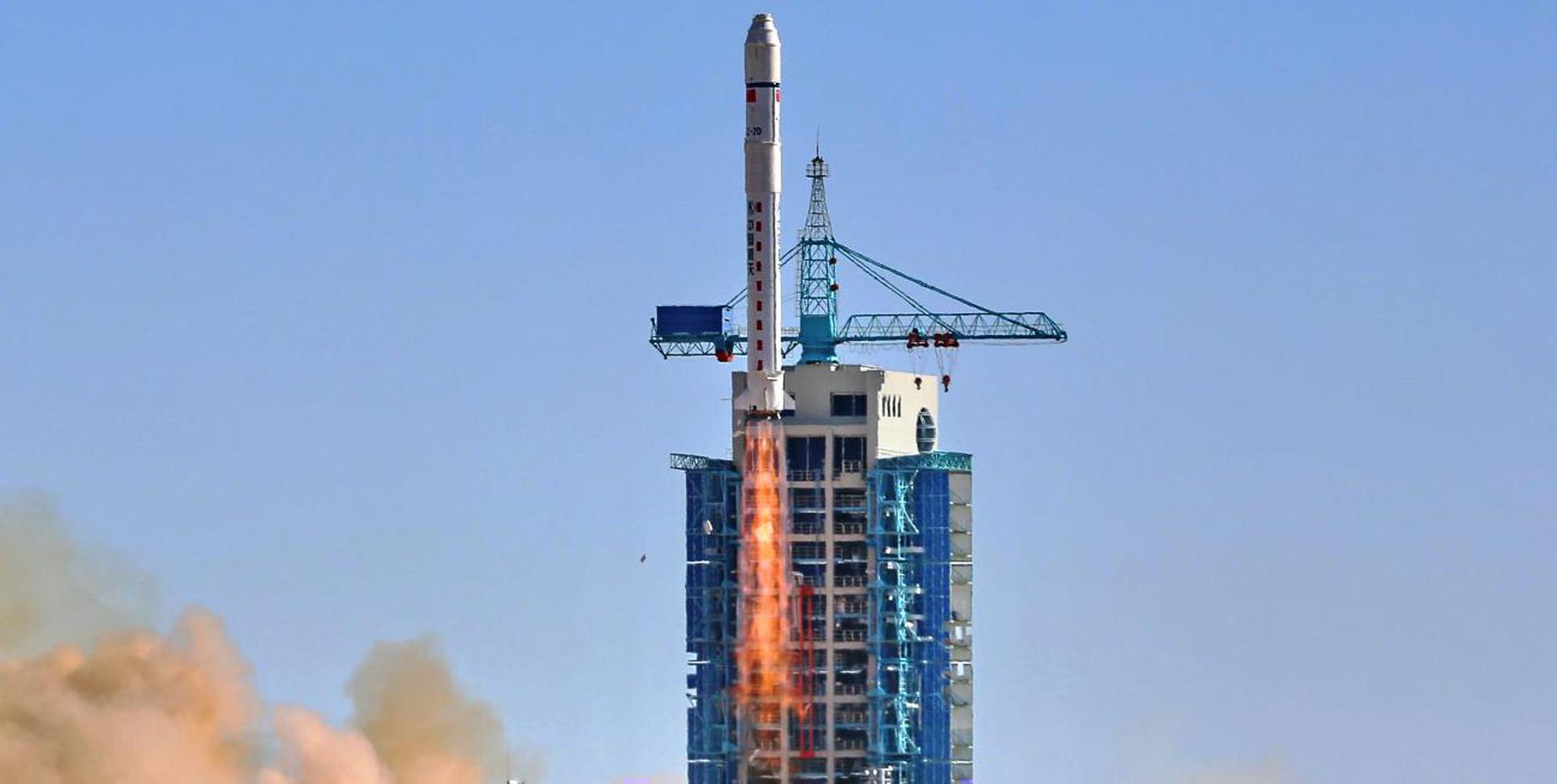
Blue Origin's fourth New Glenn rocket exploded during static fire at LC-36, Cape Canaveral, destroying the fully stacked vehicle and pad infrastructure. Amazon Leo launch postponed indefinitely.

SpaceX successfully launched the U.S. Space Force's eighth X-37B spaceplane mission while preparing for an upcoming Starship launch. Meanwhile, the company continues to expand its Starlink satellite constellation.