AMS (52745)

COSPAR: 2022-057P | Alt Name: AMS
DECAYED

Image
AMS Satellite Image
Additional Sources
Launch Details

Launch Date

May 25, 2022

Launch Pad

LC40

Launch Vehicle

Falcon 9

Orbital Elements

NORAD ID

52745

International Designator

2022-057P

Decay Date

10/17/2023

Basic Satellite Info

Name

AMS

Alternative Name

AMS

Type

Payload

Status

Decayed

Owner

MITLL

Country

United States

Constellation

N/A

Related Satellites

Major Events

N/A

Summary
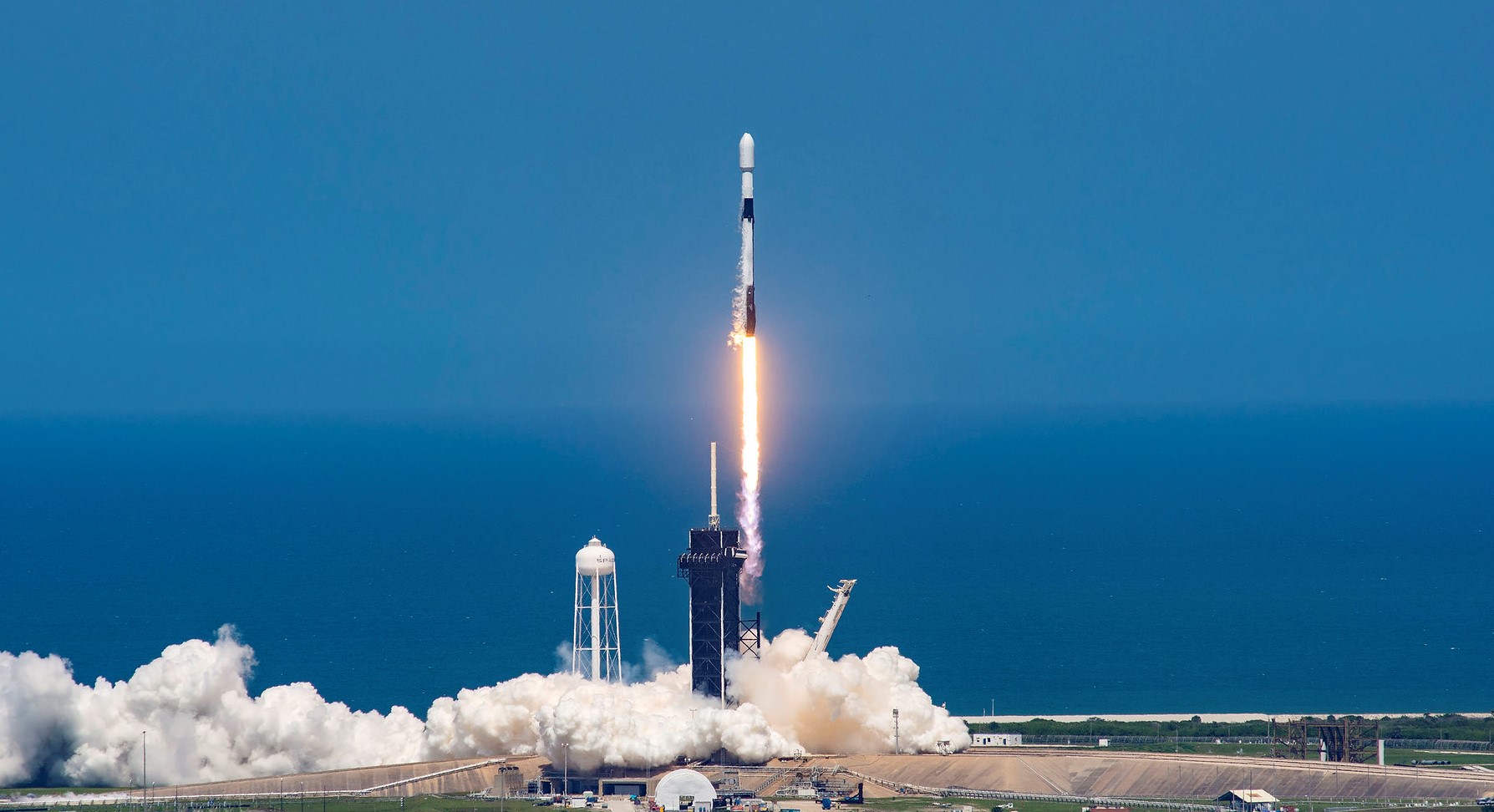
The AMS satellite, designated NORAD_CAT_ID 52745 and OBJECT_ID 2022-057P, is a CubeSat (6U) built by RAYBL for MITLL in the US. It was launched on May 25, 2022, from LC40 at AFETR using a Falcon 9 launch vehicle. The satellite measures 0.3 meters in length and has a diameter of 0.2 meters with a span of 1 meter. It has a dry mass of 15 kg and was launched with the same mass. Equipped with a camera and an IR laser beacon, AMS is part of a technology mission for MITLL. Its power source includes solar cells and batteries. The satellite employs an Enpulsion vectored thruster for propulsion and has a box-shaped body with additional pan configurations.
Physical Characteristics

Length

0.3

Diameter

0.2

Span

1

Dry Mass

15

Launch Mass

15

Shape

Box+ pan

Radar Cross Section

Unknown

Visual Magnitude

Unknown

Color

Unknown

Material Composition

Unknown

Technical Details

Payload

Agile MicroSatellite

Purpose

Technology

Mission

Technology

Manufacturer

RAYBL

Life Expectancy

Unknown

Bus

Cubesat 6U

Configuration

CubeSat (6U)

Motor

Enpulsion vectored thruster

Equipment

Camera, IR laser beacon

Power System

Solar cells, batteries

ADCS

Unknown

Transmitter Frequency

Unknown

Satellite Articles

View All Posts »

Learn more about satellites and other related topics.

Pentagon Pauses LEO Constellation as Acquisition Reviews Continue | KeepTrack Space Brief

Pentagon Pauses LEO Constellation as Acquisition Reviews Continue | KeepTrack Space Brief

Pentagon puts LEO constellation layers on hold during acquisition review. SpaceX and xAI join $100M autonomous drone contest. China's Zenk Space completes first stage static fire.

Musk Denies Starlink Price Cuts Are Response to Amazon Kuiper | KeepTrack X Report

Musk Denies Starlink Price Cuts Are Response to Amazon Kuiper | KeepTrack X Report

Elon Musk denies Starlink price reductions are driven by Amazon Kuiper competition. SpaceX launches 29 Starlink satellites in 18th constellation mission of 2026. Five more coming this week.

The Day the Soviets Built a World in Orbit

The Day the Soviets Built a World in Orbit

Forty years ago today, the USSR launched a 20-ton aluminum cylinder into low Earth orbit and called it 'Peace.' Over the next 15 years, Mir would host 104 people from 12 countries, survive a fire and a collision, and quietly teach humanity how to live in space.

JSC Vimpel

JSC Vimpel

An analysis of Russia's independent space tracking system and how it compares to the established U.S. Space Surveillance Network

GOES-19, the Last Weather Sentinel

GOES-19, the Last Weather Sentinel

The final satellite in a multi-billion-dollar program that learned its hardest lesson from a clogged pipe. GOES-19 is now NOAA's eyes on every Atlantic hurricane - and it's already found dozens of comets no one was looking for.

SpaceX Absorbs xAI in History's Largest Private Merger | KeepTrack X Report

SpaceX Absorbs xAI in History's Largest Private Merger | KeepTrack X Report

SpaceX officially merged with Elon Musk's xAI under the SpaceXAI brand, while a Falcon 9 lofted 81 rideshare payloads from Vandenberg on July 7.

Space Brief 26 Jan 2025

Space Brief 26 Jan 2025

Spacewalks have resumed on the ISS, while Blue Origin prepares for a unique New Shepard mission. In other news, astronomers push for a ban on space ads and potential budget cuts threaten the JWST.

Blue Origin Targets New Glenn Return Before Year-End After Pad Explosion | KeepTrack Space Brief

Blue Origin Targets New Glenn Return Before Year-End After Pad Explosion | KeepTrack Space Brief

Blue Origin aiming for 2nd New Glenn launch by end of 2026 after LC-36 pad explosion at Cape Canaveral. Repair timeline still unclear; mission critical for national security payloads.