

Space Brief 2 Jun 2025
Today's edition covers SpaceX's Starlink launch delay, a breakthrough in ceramic manufacturing for space, and Momentus's orbital tech demo, among other headlines.


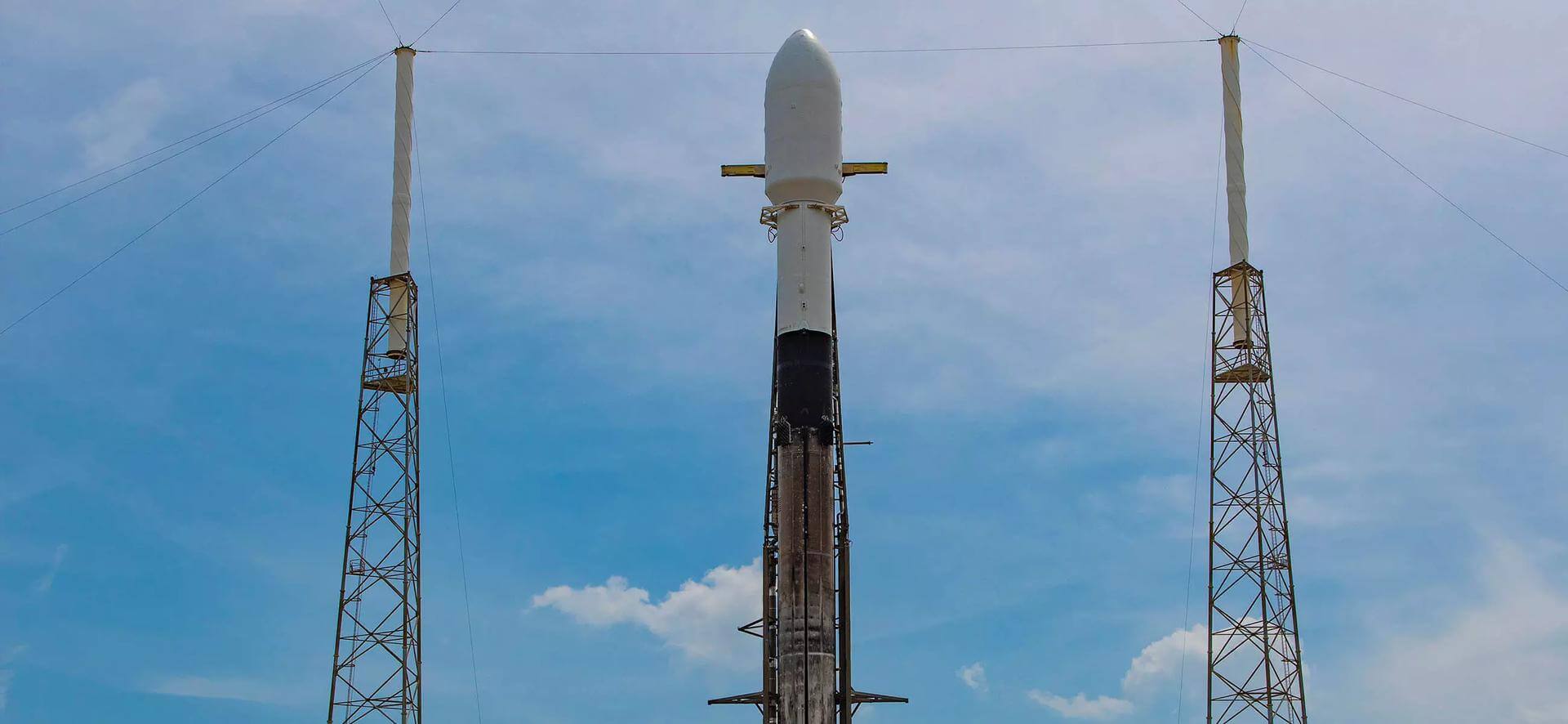
Launch Date
April 1, 2022
Launch Site
Launch Pad
LC40
Launch Vehicle
NORAD ID
52174
International Designator
2022-033T
Decay Date
6/28/2025
Name
BRO-7
Alternative Name
BRO-7
Type
Status
Owner
UNSEEN
Country
France
Constellation
N/A
Related Satellites
Major Events
N/A
Length
0.3
Diameter
0.2
Span
0.3
Dry Mass
10
Launch Mass
10
Shape
Box
Radar Cross Section
Unknown
Visual Magnitude
Unknown
Color
Unknown
Material Composition
Unknown
Payload
BRO-7
Purpose
RF spectrum monitoring, SIGINT, Traffic monitoring
Mission
RF spectrum monitoring, SIGINT, Traffic monitoring
Manufacturer
GOMSP
Life Expectancy
Unknown
Bus
Cubesat 6U
Configuration
CubeSat (6U)
Motor
Unknown
Equipment
Unknown
Power System
Solar cells, batteries
ADCS
Unknown
Transmitter Frequency
Unknown
Learn more about satellites and other related topics.
Today's edition covers SpaceX's Starlink launch delay, a breakthrough in ceramic manufacturing for space, and Momentus's orbital tech demo, among other headlines.
Today's brief highlights significant advancements in satellite launches, new defense contracts, and technological integrations between major firms in the space sector.
Exploring the future of space with concerns on space debris, rapid growth in orbital data centers, and new developments at launch sites.

SpaceX's historic Falcon 9 flight launches 21 Starlink satellites, opening new milestones in space travel. Meanwhile, K2 Space achieves a funding breakthrough, and the first astronaut with a disability is set for a mission to the ISS.

SpaceX successfully launched the Sentinel-6B satellite, marking a significant milestone as its 500th mission with a reused rocket, furthering global sea level monitoring efforts.
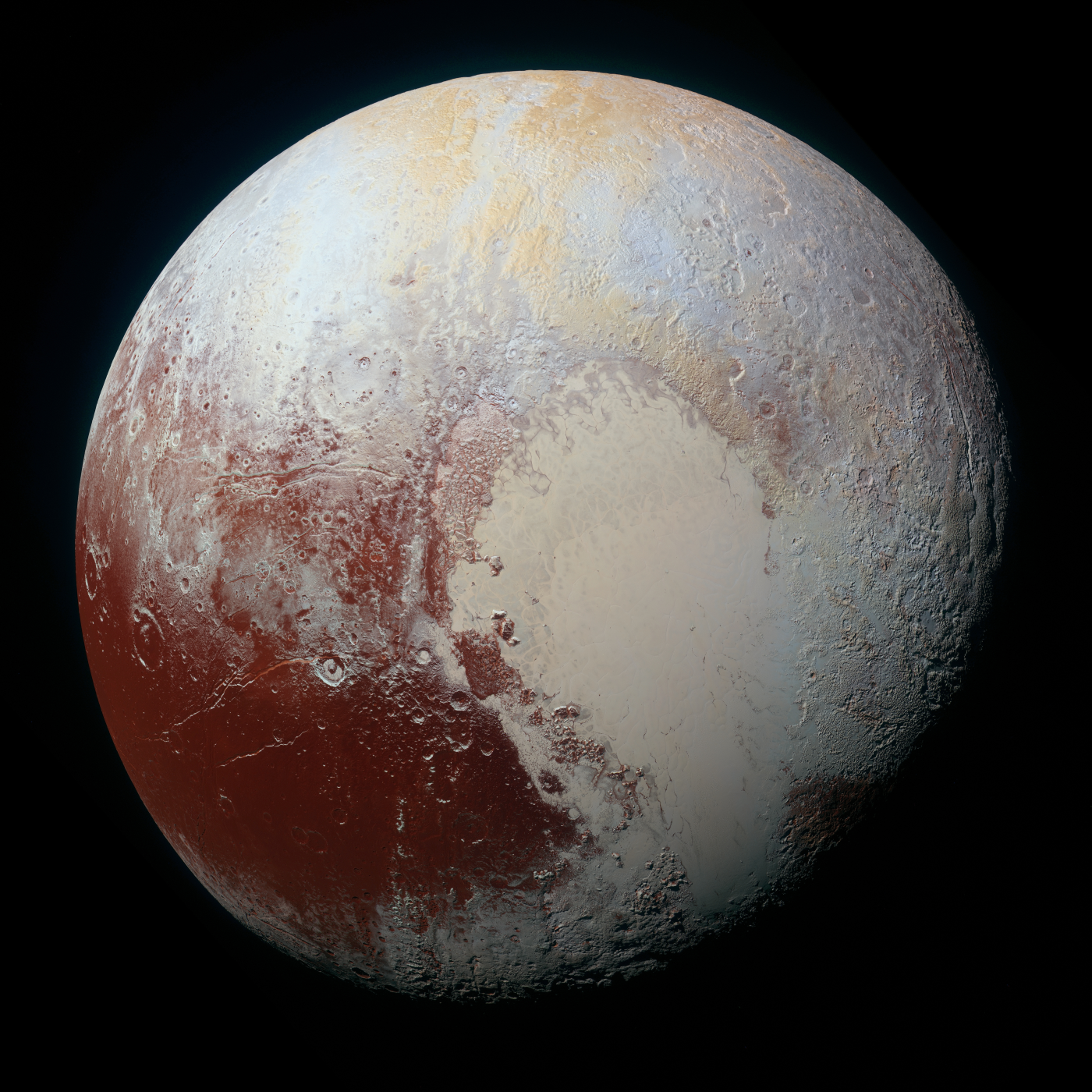
Ninety-five years ago, a 24-year-old astronomer with no college degree made one of astronomy's most remarkable discoveries, finding a new planet that would challenge our understanding of the solar system
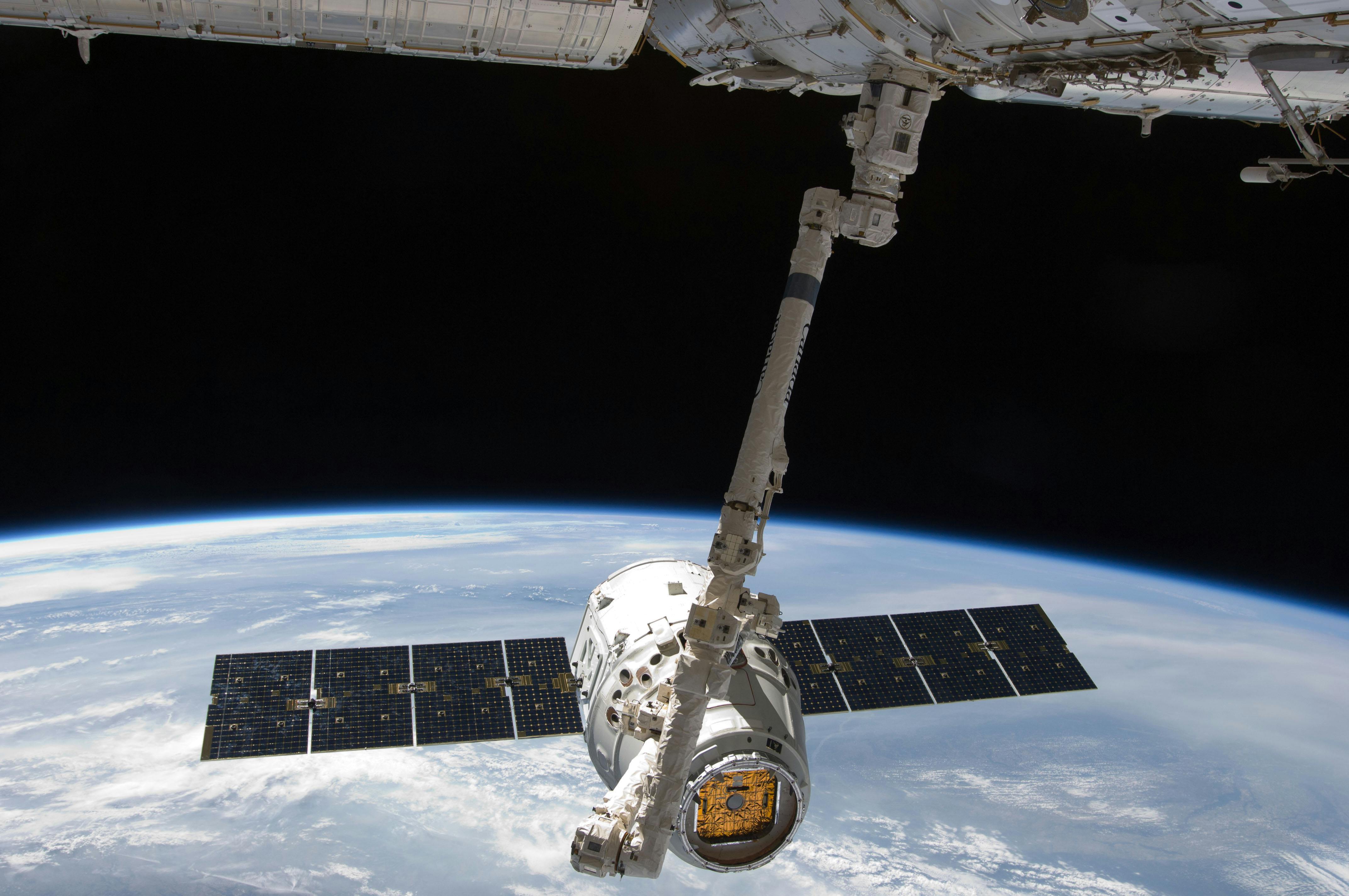
SpaceX achieves significant milestones with the launch of new Starlink satellites and the production of its 10 millionth Starlink kit amidst ongoing challenges with space station delays.

For nearly two decades, the U.S. Air Force and Space Force have been the world's unofficial civilian space traffic control system. The Department of Commerce's Traffic Coordination System for Space (TraCSS) is now taking over that job for commercial satellite operators - in stages, against persistent congressional pressure to kill the program, and with Department of Defense advocates pushing to make it happen before it is too late.