



Space Brief 14 Nov 2025
Today's brief covers Firefly's acquisition, military tracking from the moon, France's boost in military space funding, and more.



Launch Date
March 19, 2022
Launch Site
Launch Pad
LC40
Launch Vehicle
NORAD ID
52102
International Designator
2022-029Q
Epoch
Sun, 19 Jul 2026 17:09:51 GMT
Apogee
Calculating...
Perigee
Calculating...
Inclination
53.16°
Right Ascension
203.01°
Eccentricity
Calculating...
Argument of Perigee
91.08°
Period
93.90 min
Mean Motion
15.34 rev/day
Latitude
Calculating...
Longitude
Calculating...
Altitude
Calculating...
Velocity
Calculating...
Name
STARLINK-3709
Alternative Name
Starlink 3709
Type
Status
Owner
SPXS
Country
United States
Constellation
N/A
Related Satellites
Major Events
N/A
1 52102U 22029Q 26200.71518248 .00000830 00000+0 36567-4 0 9992
2 52102 53.1608 203.0109 0001147 91.0813 269.0320 15.33547933240769
Source: Celestrak
Length
0.2
Diameter
2.8
Span
9
Dry Mass
275
Launch Mass
297
Shape
Box + pan
Radar Cross Section
Unknown
Visual Magnitude
Unknown
Color
Unknown
Material Composition
Unknown
Payload
Starlink Group 4-12-15
Purpose
Communication
Mission
Communication
Manufacturer
SPXS
Life Expectancy
Unknown
Bus
Starlink
Configuration
Unknown
Motor
Krypton ion thrusters
Equipment
Ku/Ka-band payload, optical inter-satellite link
Power System
Solar arrays, batteries
ADCS
Unknown
Transmitter Frequency
Unknown
Learn more about satellites and other related topics.
Today's brief covers Firefly's acquisition, military tracking from the moon, France's boost in military space funding, and more.
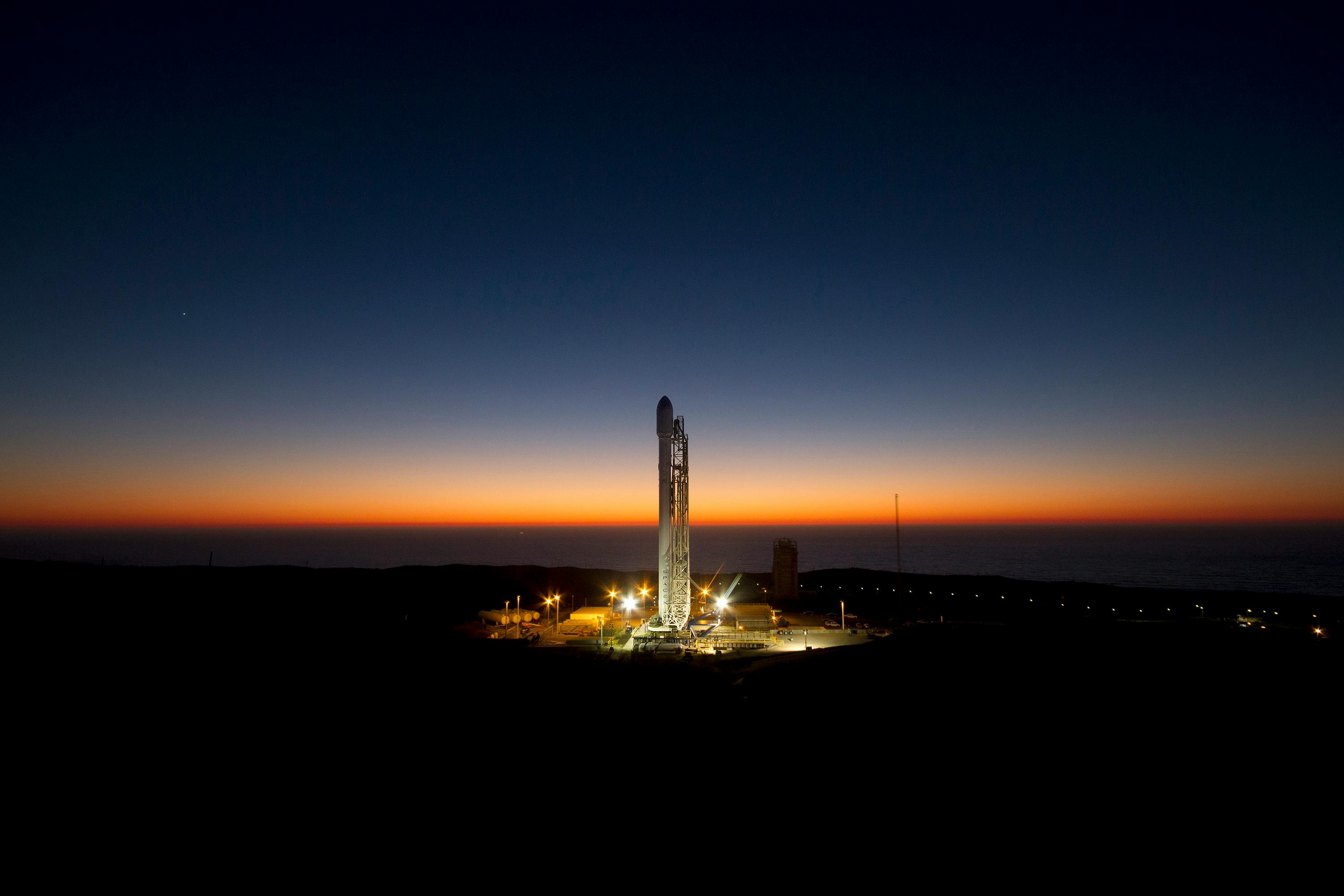
SpaceX successfully launches 21 Starlink satellites, marking their return post-Starship explosion. Starship's recent test flight leaves debris washing ashore, while Blue Origin's New Glenn debut sparks discussion.
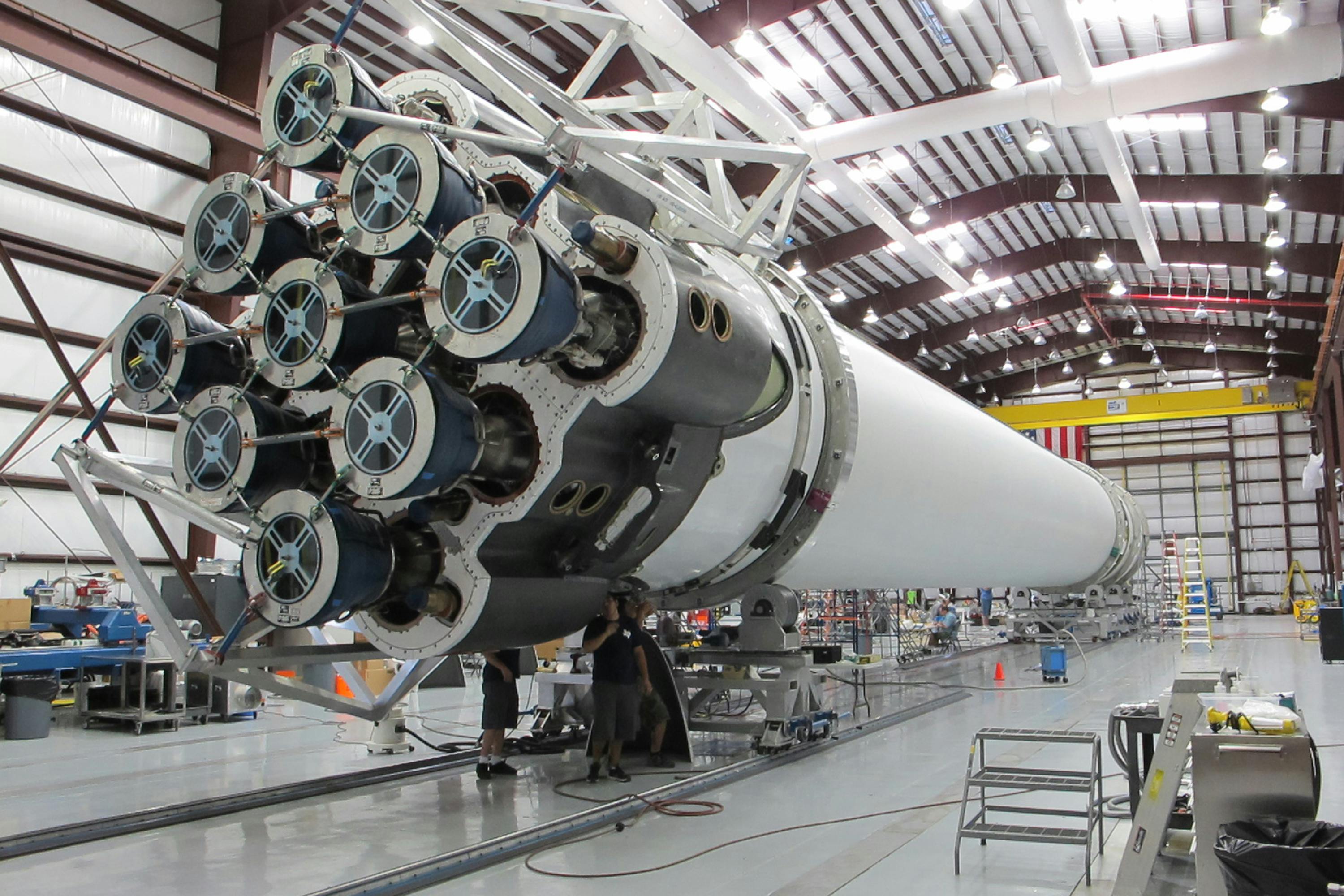
Booster B1067 hit 36 flights on July 9, while SpaceX files to expand Starlink to 100,000 satellites at 4,400 lbs each.

We forecast how many satellites could be in orbit by 2030 and what capabilities we can expect.
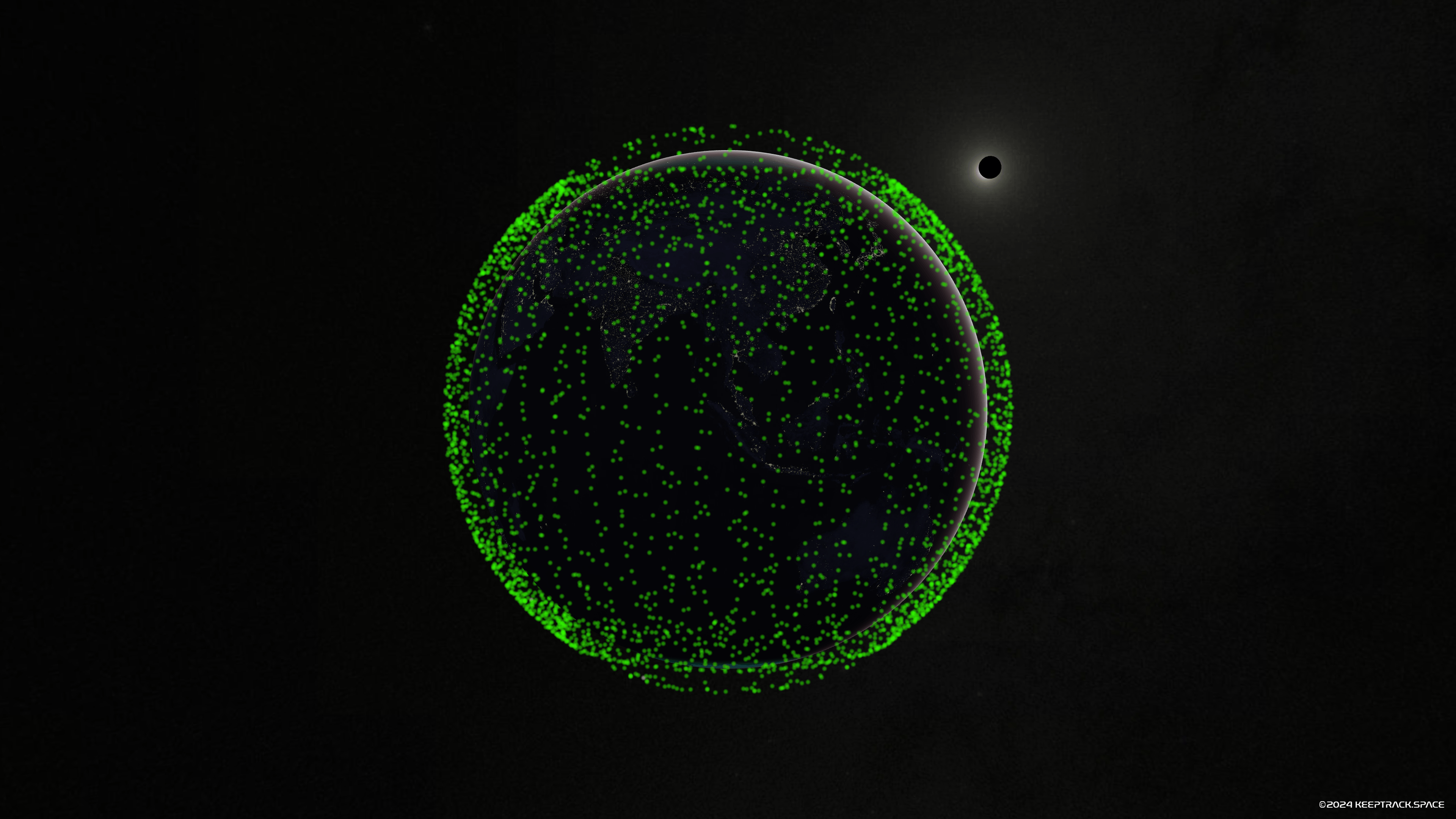
SpaceX's Starlink constellation has grown at an astonishing rate, now accounting for over 20% of all trackable objects in orbit. With plans for tens of thousands more, Starlink is on the cusp of forever changing the landscape of Earth's near-space environment.

Booster B1067 set a Falcon 9 reuse record on its 35th flight, lofting 29 Starlink satellites as SpaceX eyes three more launches this week.
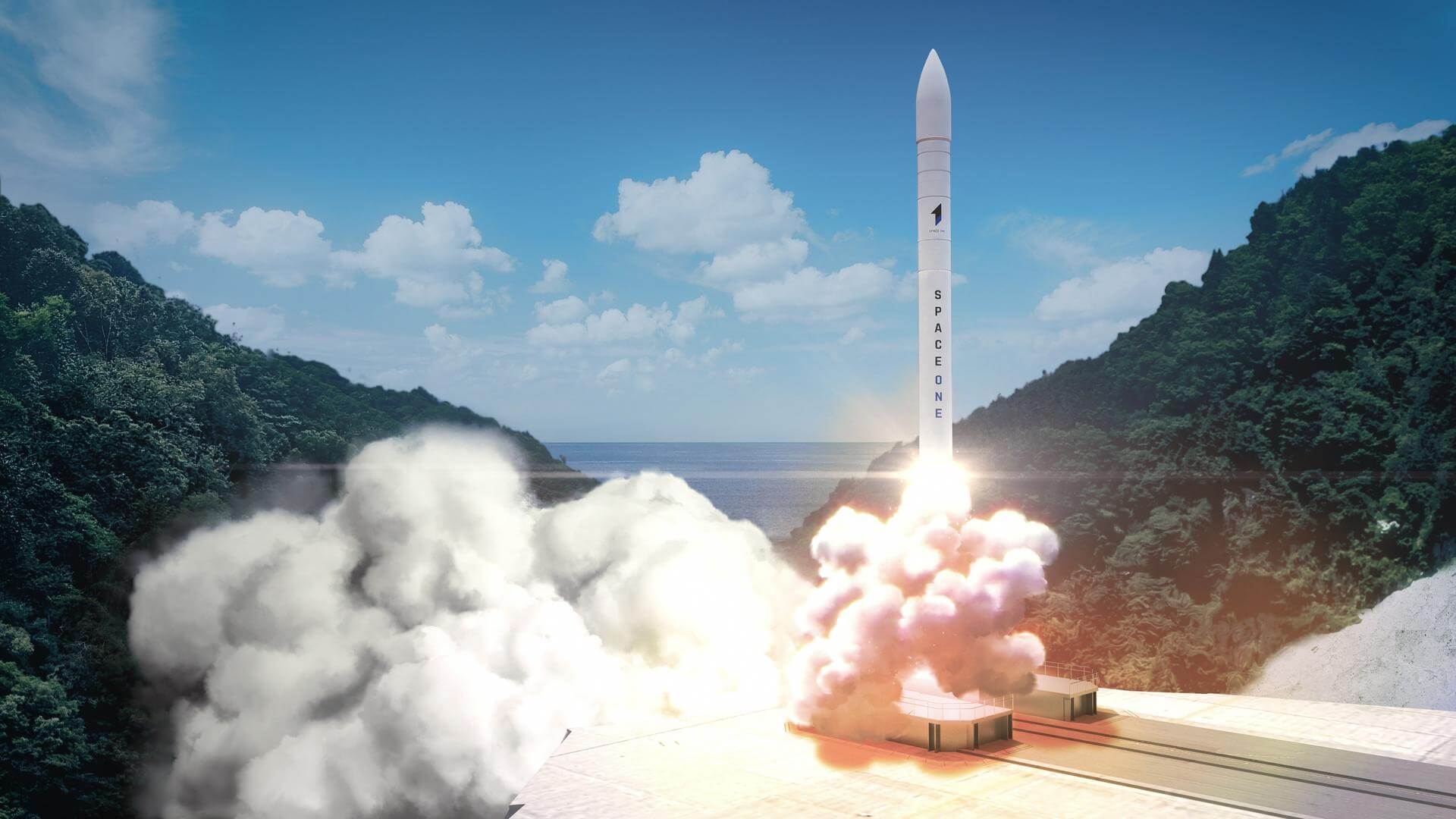
Today's brief covers significant advancements in materials technology for space applications, a U.S. Navy contract for rocket production facilities, and NATO's upcoming classified cloud system.

Artemis II grabbed the headlines, but six other missions are quietly approaching milestones that could reshape what we know about Mercury, Mars, asteroids, exoplanets, and the Moon's south pole. Here is what is actually happening with each of them.