COSMOS 1408 DEB (52056)

COSPAR: 1982-092BUJ | Alt Name: deb Kosmos-1408
DECAYED

Image
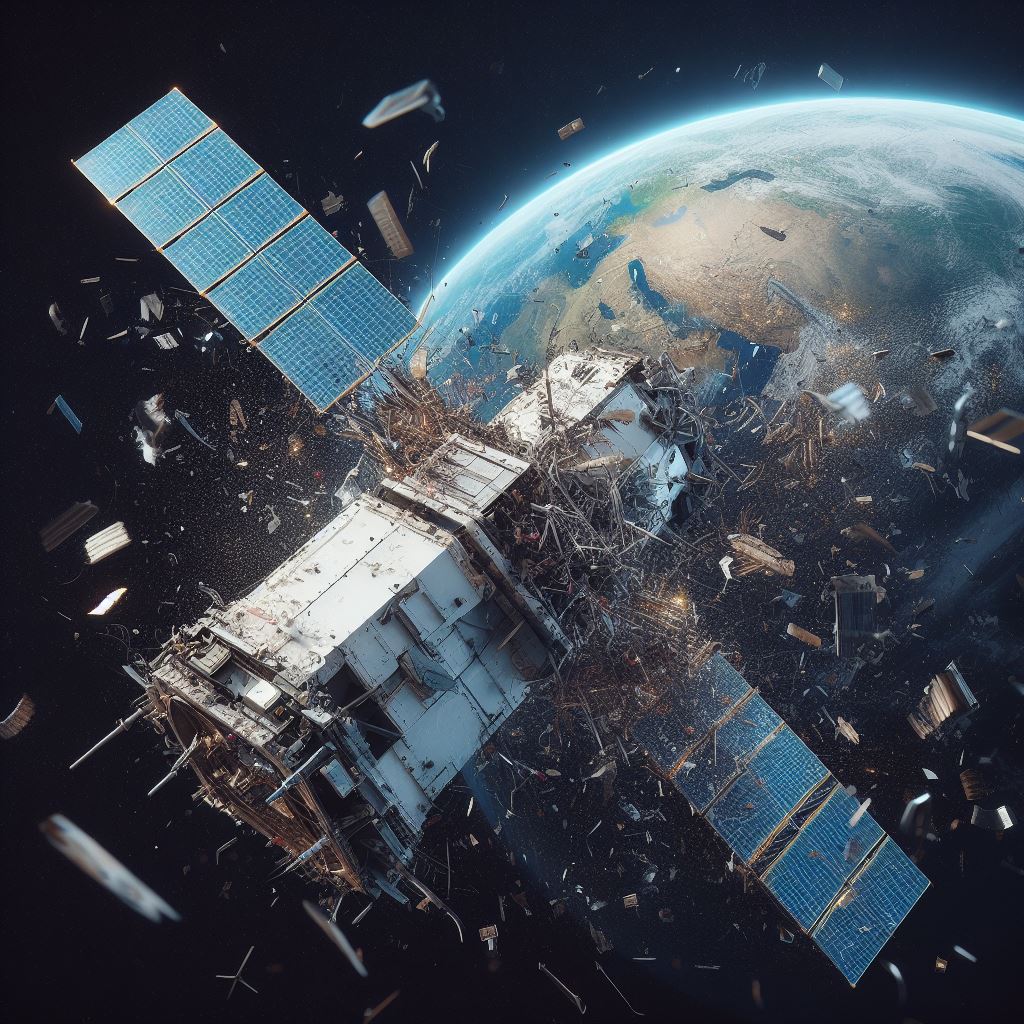
COSMOS 1408 DEB Satellite Image
Additional Sources
Launch Details

Launch Date

September 16, 1982

Launch Site

PLMSC

Launch Pad

LC32/2

Launch Vehicle

Tsiklon-3

Orbital Elements

NORAD ID

52056

International Designator

1982-092BUJ

Decay Date

6/30/2022

Explore in the Catalog
Basic Satellite Info

Name

COSMOS 1408 DEB

Alternative Name

deb Kosmos-1408

Type

Debris

Status

Space Junk

Owner

ROSK

Country

USSR

Constellation

N/A

Related Satellites

Major Events

N/A

Summary
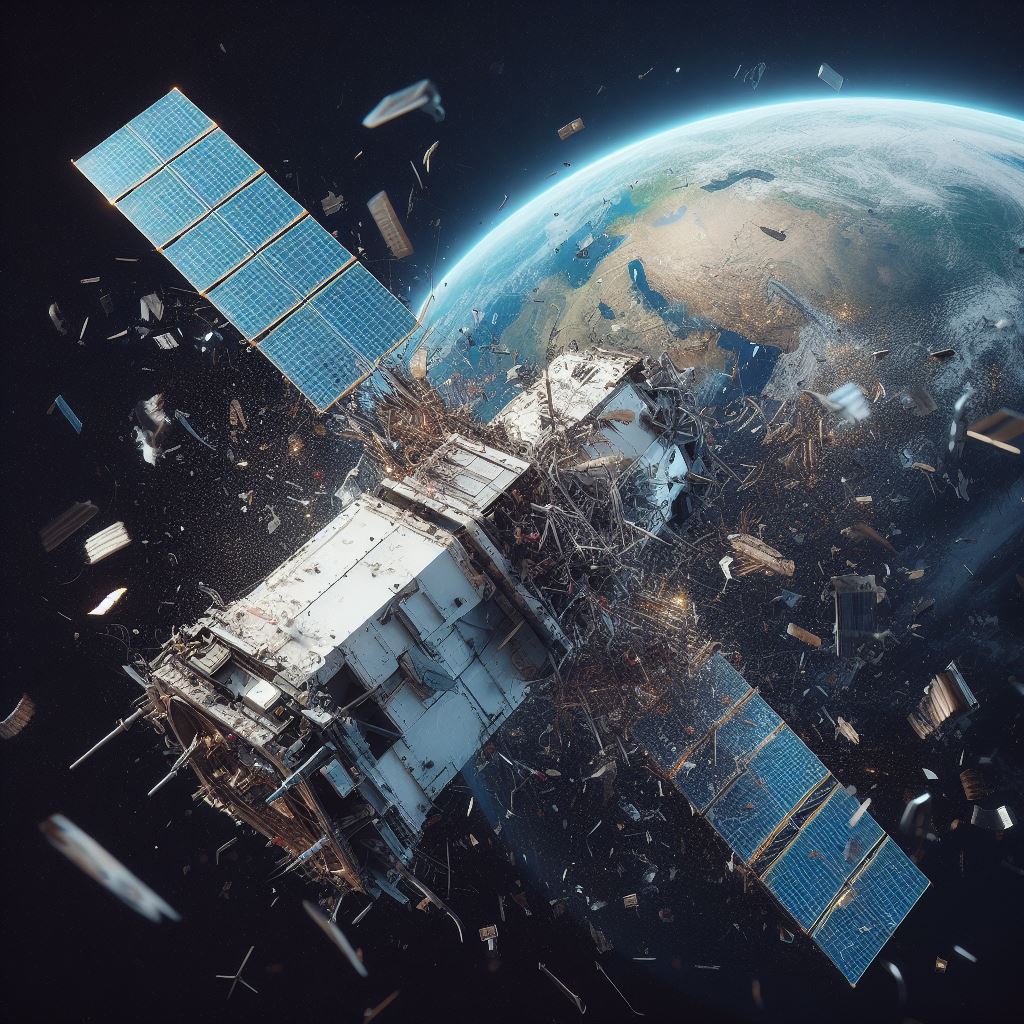
Space debris, also known as space junk, encompasses all non-functional objects orbiting Earth such as defunct satellites, spent rocket stages, and fragments from collisions or disintegrations. Over time, this debris can accumulate and create an increasingly hazardous environment in orbit. Even tiny fragments, traveling at extremely high velocities, can inflict significant damage on operational satellites and spacecraft. If left unmanaged, the density of debris raises the risk of catastrophic collisions and further fragmentation, compounding the problem and threatening the safety and sustainability of space activities.
Physical Characteristics

Length

0

Diameter

0

Span

0

Dry Mass

0

Launch Mass

0

Shape

N/A

Radar Cross Section

Unknown

Visual Magnitude

Unknown

Color

Unknown

Material Composition

Unknown

Technical Details

Payload

Unknown

Purpose

Unknown

Mission

Unknown

Manufacturer

YUZHUA

Life Expectancy

Unknown

Bus

Unknown

Configuration

Unknown

Motor

Unknown

Equipment

Unknown

Power System

Unknown

ADCS

Unknown

Transmitter Frequency

Unknown

Satellite Articles

View All Posts »

Learn more about satellites and other related topics.

SpaceX Preps First February Starlink Launch, Orbital Data Centers Gain Traction | KeepTrack X Report

SpaceX Preps First February Starlink Launch, Orbital Data Centers Gain Traction | KeepTrack X Report

SpaceX readies Starlink 17-32 launch of 25 satellites from Vandenberg. Orbital data center economics draw attention from Musk and Bezos. 9,614 Starlink sats on orbit.

X Report 27 Oct 2025

X Report 27 Oct 2025

SpaceX achieves a significant milestone with over 10,000 satellites launched, the West Coast welcomes Falcon Heavy launches, and developments around Artemis 3 prompt competitive discourse.

Space Brief 4 Apr 2025

Space Brief 4 Apr 2025

Today's highlights include the release of a mystery object by Russian military satellites, SpaceX Fram2 mission insights, Amazon's upcoming satellite launch, and more.

Starship Launch Site Construction Advances at Kennedy Space Center | KeepTrack X Report

Starship Launch Site Construction Advances at Kennedy Space Center | KeepTrack X Report

Starship launch site construction progresses at Kennedy Space Center and Cape Canaveral. Elon Musk trolls Ryanair after budget airline refuses to install Starlink on its fleet.

X Report 6 Nov 2025

X Report 6 Nov 2025

SpaceX successfully launched 29 Starlink satellites, marking the start of a busy month for their satellite deployment efforts. The mission is part of an ongoing expansion of their broadband internet constellation.

Crew-11 Preps for First-Ever ISS Medical Evacuation, Lufthansa Orders Starlink for 850 Jets | KeepTrack X Report

Crew-11 Preps for First-Ever ISS Medical Evacuation, Lufthansa Orders Starlink for 850 Jets | KeepTrack X Report

Crew-11 prepares for historic first ISS medical evacuation via Crew Dragon. Lufthansa Group to equip all 850 aircraft with Starlink. Starship infrastructure advances at Starbase and Cape Canaveral.

Jonathan's Space Report

Jonathan's Space Report

Jonathan's Space Report is a comprehensive resource for space launch and satellite data, compiled by astrophysicist Dr. Jonathan McDowell.

Largest Satellite Debris Events

Largest Satellite Debris Events

Space debris poses a mounting threat to both satellites and space missions. As we send more objects into orbit, the likelihood of collisions and subsequent breakups producing dangerous space debris increases. Recognizing the major events that have generated this dangerous space junk is pivotal in ensuring the safety of future space missions.