SPACEBEE-118 (52012)

COSPAR: 2022-026E | Alt Name: SpaceBEE-118
DECAYED

Image
SPACEBEE-118 Satellite Image
Additional Sources
Launch Details

Launch Date

March 15, 2022

Launch Site

KODAK

Launch Pad

LP3B

Launch Vehicle

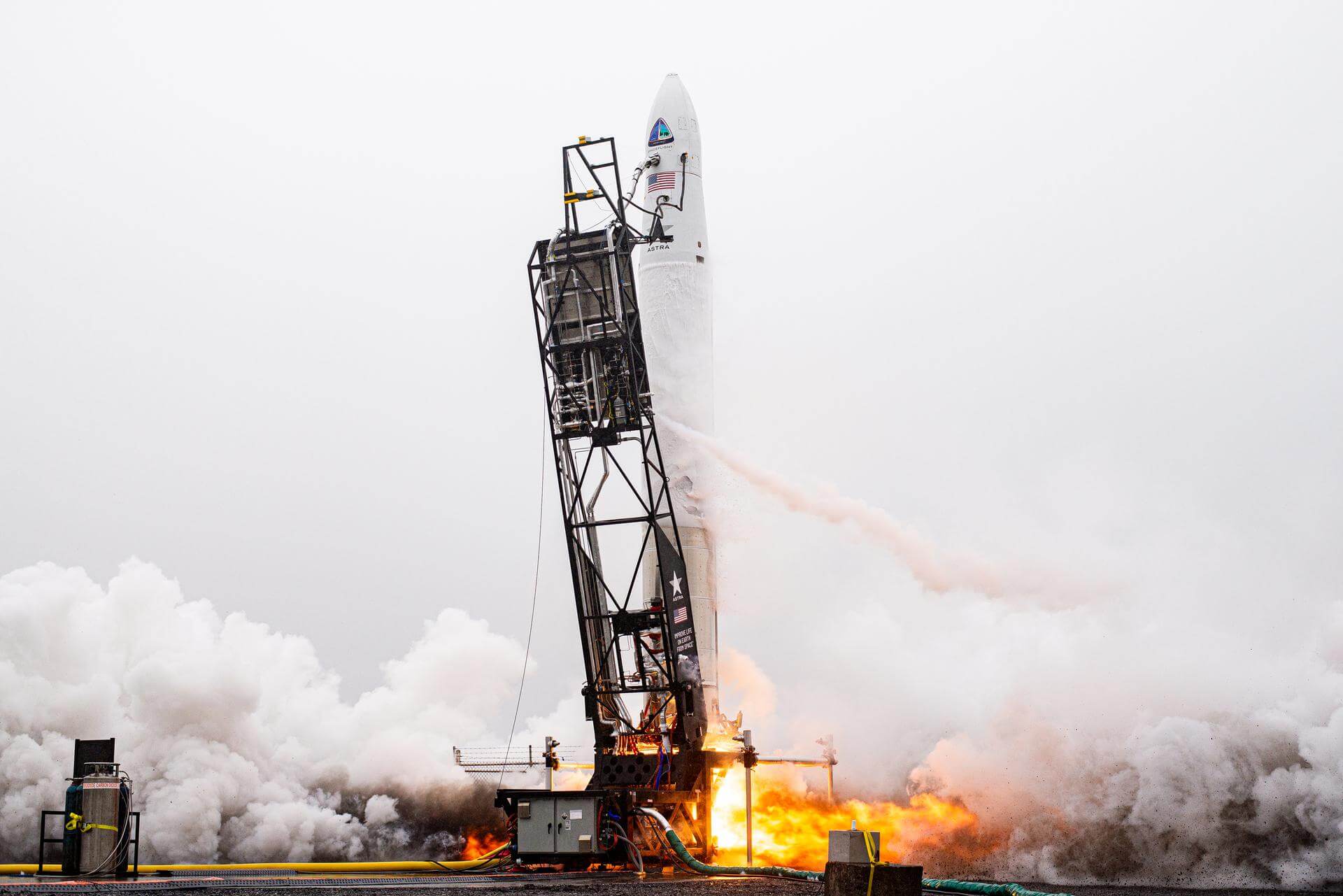
Astra Rocket 3.3

Orbital Elements

NORAD ID

52012

International Designator

2022-026E

Decay Date

2/24/2024

Basic Satellite Info

Name

SPACEBEE-118

Alternative Name

SpaceBEE-118

Type

Payload

Status

Decayed

Owner

SWARMX

Country

United States

Constellation

N/A

Related Satellites

Major Events

N/A

Summary
SPACEBEE-118 is a CubeSat (0.25U) communication satellite manufactured by SWARMX and owned by the same entity. Launched on March 15, 2022, from KODAK LP3B launch pad using an Astra Rocket 3.3 vehicle, it has dimensions of 0.025 meters in length, 0.1 meters in diameter, and a span of 0.9 meters. The satellite's dry mass is 0.284 kg, which matches its launch mass. Its purpose is to support communication for Machine-to-Machine (M2M) and Internet of Things (IoT) applications. Power generation relies on solar cells with battery storage. It has a box shape with two antennas attached. The satellite was stable by March 15, 2022, at 16:30 UTC+50 seconds after launch.
Physical Characteristics

Length

0.025

Diameter

0.1

Span

0.9

Dry Mass

0.284

Launch Mass

0.284

Shape

Box+2 ant

Radar Cross Section

Unknown

Visual Magnitude

Unknown

Color

Unknown

Material Composition

Unknown

Technical Details

Payload

SpaceBEE-118

Purpose

Communication M2M/IoT

Mission

Communication M2M/IoT

Manufacturer

SWARMX

Life Expectancy

Unknown

Bus

Cubesat 0.25U

Configuration

CubeSat (0.25U)

Motor

None

Equipment

Unknown

Power System

Solar cells, batteries

ADCS

Unknown

Transmitter Frequency

Unknown

Satellite Articles

View All Posts »

Learn more about satellites and other related topics.

Boeing Starliner Faces New Setbacks, Stranding NASA Astronauts on ISS

Boeing Starliner Faces New Setbacks, Stranding NASA Astronauts on ISS

Boeing's Starliner spacecraft encounters thruster problems and helium leaks during its first crewed mission, potentially delaying the return of NASA astronauts from the International Space Station.

Starship Flight 13 Aborts at Ignition, X Report 17 Jul 2026

Starship Flight 13 Aborts at Ignition, X Report 17 Jul 2026

Four Raptor engines failed to ignite, scrubbing Starship Flight 13 at Starbase; SpaceX also launched 21 SDA satellites from Vandenberg.

Space Brief 26 Mar 2025

Space Brief 26 Mar 2025

Today's briefing covers the US Space Force's pivotal journeys, emerging hypersonic weaponry, and innovative drone technologies, with a special satellite update featuring Jackal X-1L-001.

China Plans First One-Year Human Spaceflight Mission | KeepTrack Space Brief

China Plans First One-Year Human Spaceflight Mission | KeepTrack Space Brief

China confirms first one-year human spaceflight and Pakistani astronaut for Tiangong. Air Force develops X-68A missile-launching drone. Poland unveils $51B defense spending plan.

Starship V3 Debut Slips as Booster 19 Rolls to Pad 2 | KeepTrack X Report

Starship V3 Debut Slips as Booster 19 Rolls to Pad 2 | KeepTrack X Report

Starship V3's maiden flight is delayed as SpaceX rolls Booster 19 to Pad 2 for Flight 9, while Falcon 9 completes its 30th mission of 2026.

Space Brief 12 May 2025

Space Brief 12 May 2025

Today's brief covers key industry movements in space logistics and satellite production, including Rocket Lab's new U.S. Air Force contract, Sierra Space's strides in GPS technology, and more.

X Report 1 Dec 2025

X Report 1 Dec 2025

SpaceX celebrates significant milestones with the launch of Falcon 9 and developments in the Starship program, while Elon Musk addresses media narratives surrounding Starlink's humanitarian efforts.

NASA Pressures Blue Origin on HLS After New Glenn Explosion | KeepTrack Space Brief

NASA Pressures Blue Origin on HLS After New Glenn Explosion | KeepTrack Space Brief

NASA demands Blue Origin find alternate launcher for Artemis moon landers after New Glenn test explosion damaged Cape Canaveral LC-36. Schedule risk to lunar missions.