

X Report 5 Aug 2025
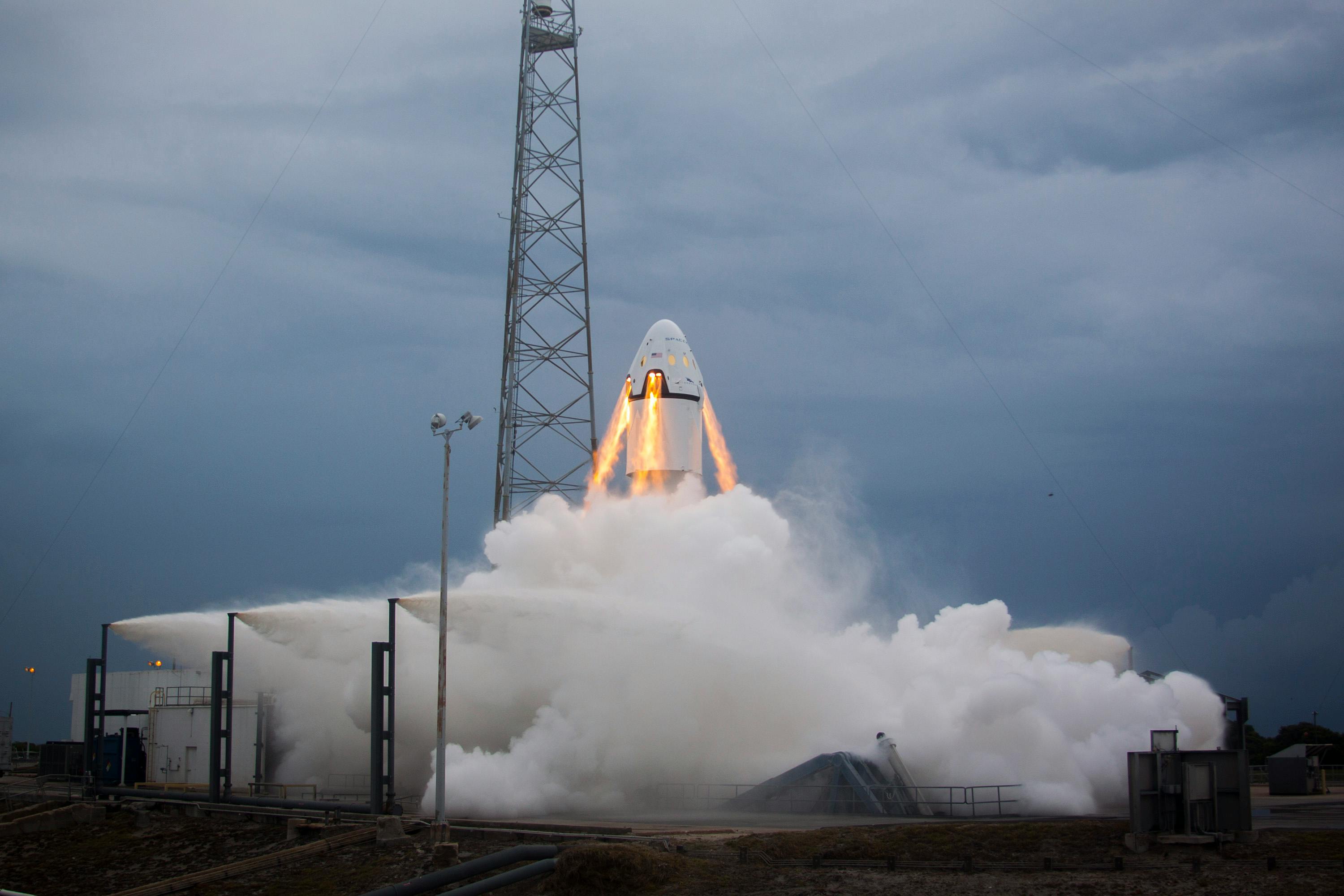
SpaceX successfully launched 28 Starlink satellites while returning to form with Starship testing at Starbase. Meanwhile, preparations for upcoming launches are underway.


Launch Date
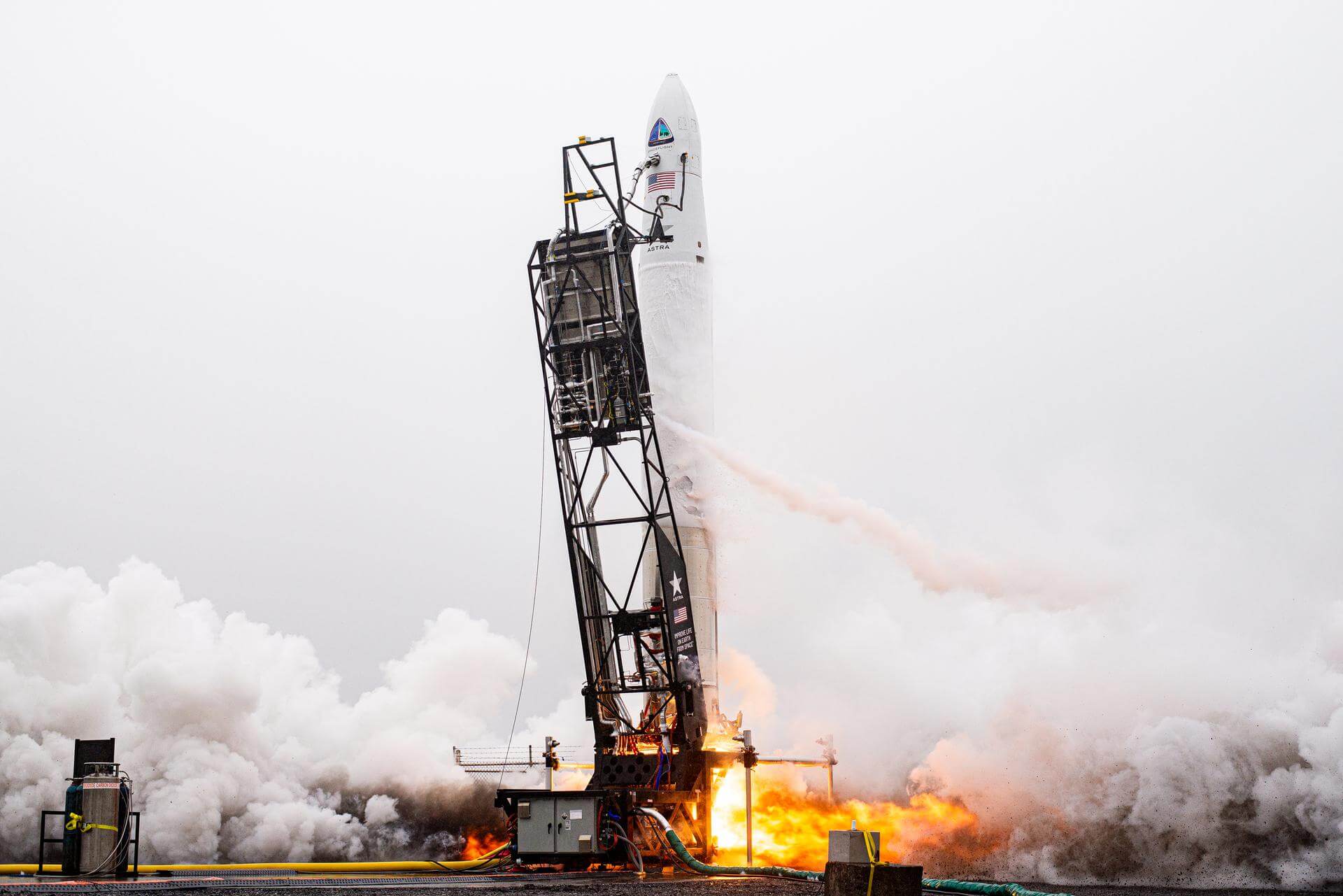
March 15, 2022
Launch Site
KODAK
Launch Pad
LP3B
Launch Vehicle
Astra Rocket 3.3
NORAD ID
52011
International Designator
2022-026D
Decay Date
2/27/2024
Name
SPACEBEE-126
Alternative Name
SpaceBEE-126
Type
Status
Owner
SWARMX
Country
United States
Constellation
N/A
Related Satellites
Major Events
N/A
Length
0.025
Diameter
0.1
Span
0.9
Dry Mass
0.284
Launch Mass
0.284
Shape
Box+2 ant
Radar Cross Section
Unknown
Visual Magnitude
Unknown
Color
Unknown
Material Composition
Unknown
Payload
SpaceBEE-126
Purpose
Communication M2M/IoT
Mission
Communication M2M/IoT
Manufacturer
SWARMX
Life Expectancy
Unknown
Bus
Cubesat 0.25U
Configuration
CubeSat (0.25U)
Motor
None
Equipment
Unknown
Power System
Solar cells, batteries
ADCS
Unknown
Transmitter Frequency
Unknown
Learn more about satellites and other related topics.
SpaceX successfully launched 28 Starlink satellites while returning to form with Starship testing at Starbase. Meanwhile, preparations for upcoming launches are underway.
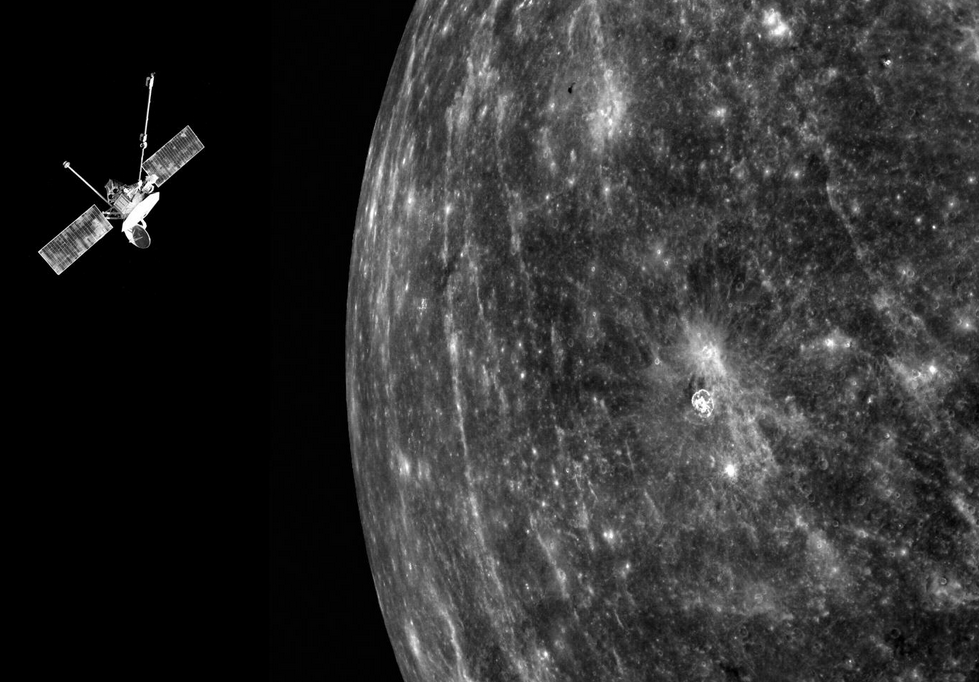
Fifty-one years ago, Mariner 10 revolutionized space exploration by executing the first-ever planetary gravity assist at Venus, pioneering a technique that would transform how we explore the solar system
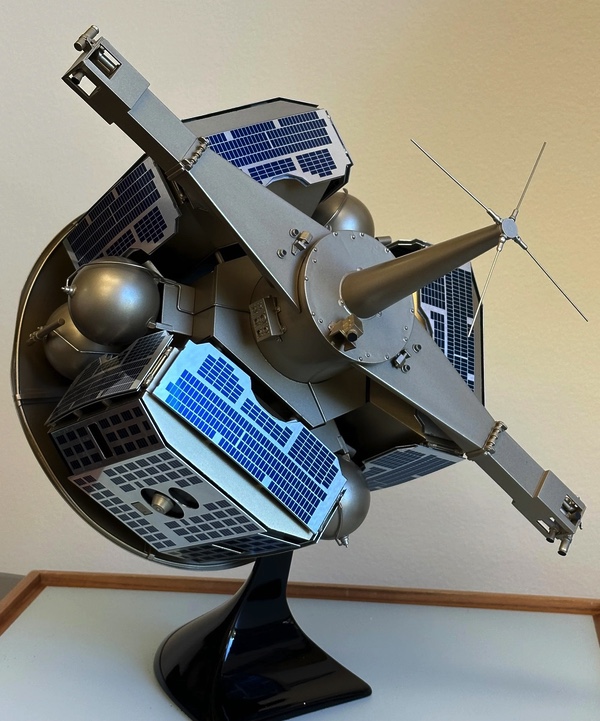
Forty-two years ago, an Atlas H rocket climbed into the California sky carrying four objects that would help the U.S. Navy track every Soviet warship on the planet - a mission so secret that even the satellites' true name wasn't declassified until 2023
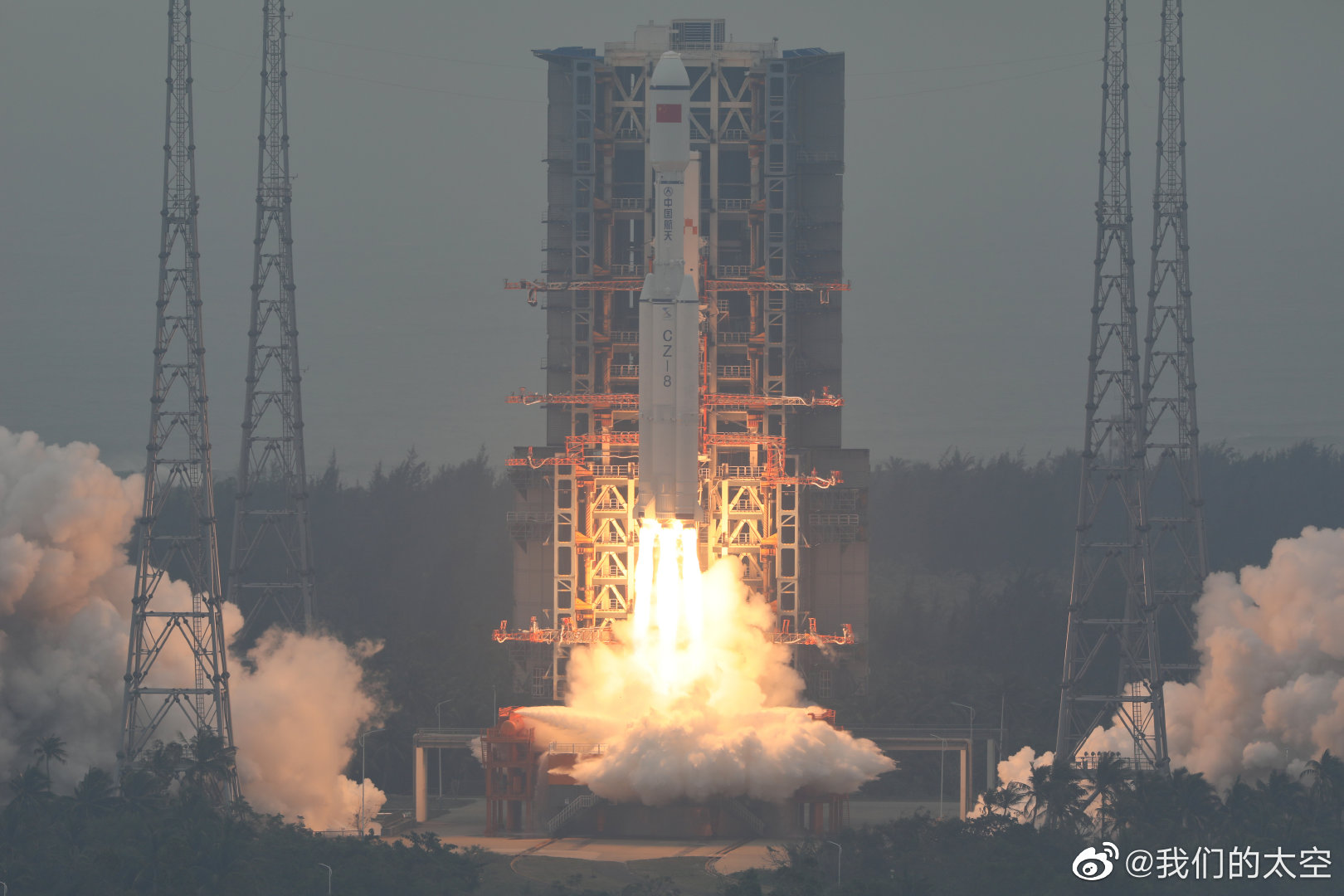
Today's Space Brief highlights SpaceX's return to Starlink launches, a call to address space debris, and changes in NASA leadership under the new Trump administration.
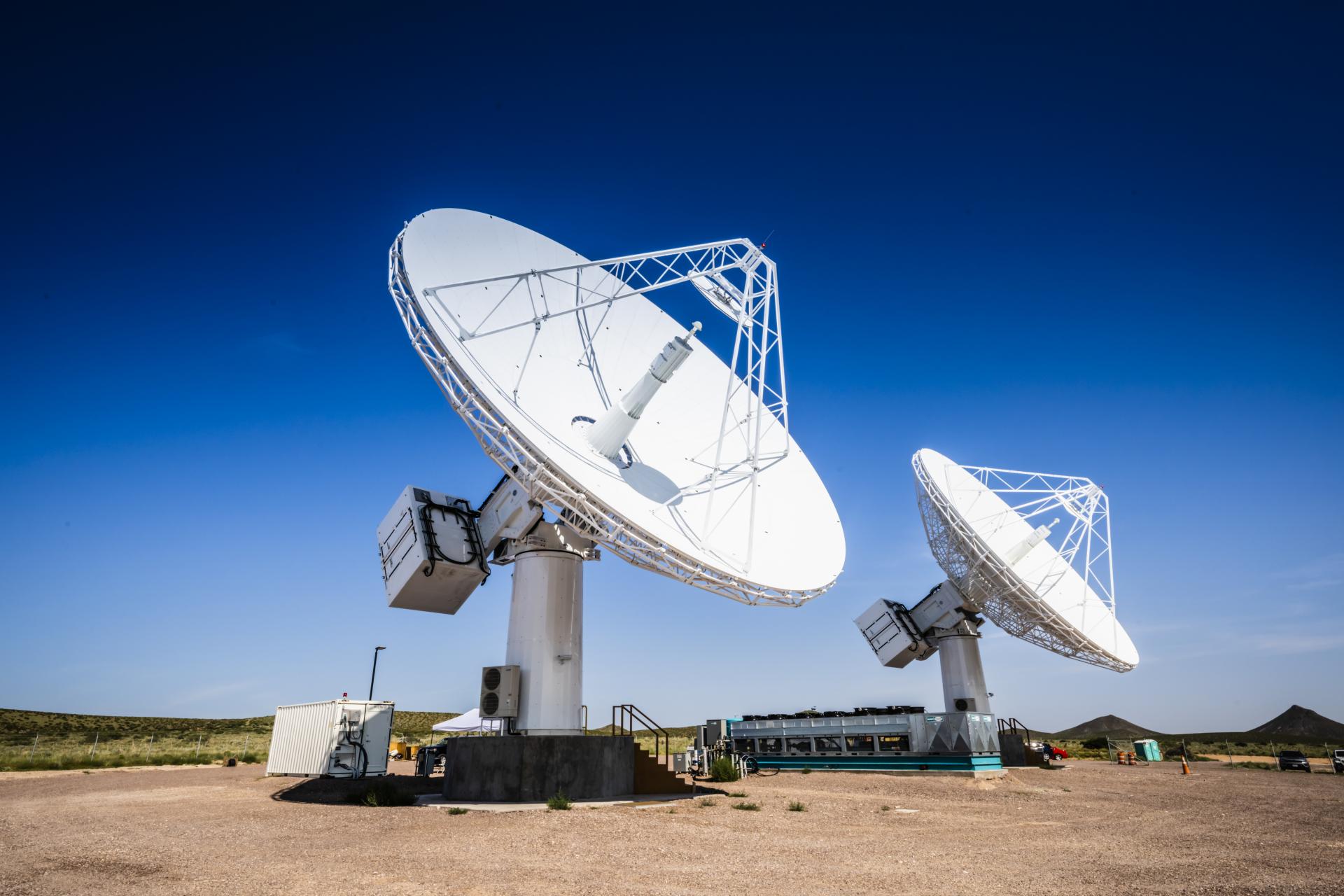
How a groundbreaking radar network is transforming our ability to monitor threats in deep space while strengthening international security partnerships

SpaceX launches multiple satellites, prepares for Starship Flight 6, and exciting collaborations with AST SpaceMobile.
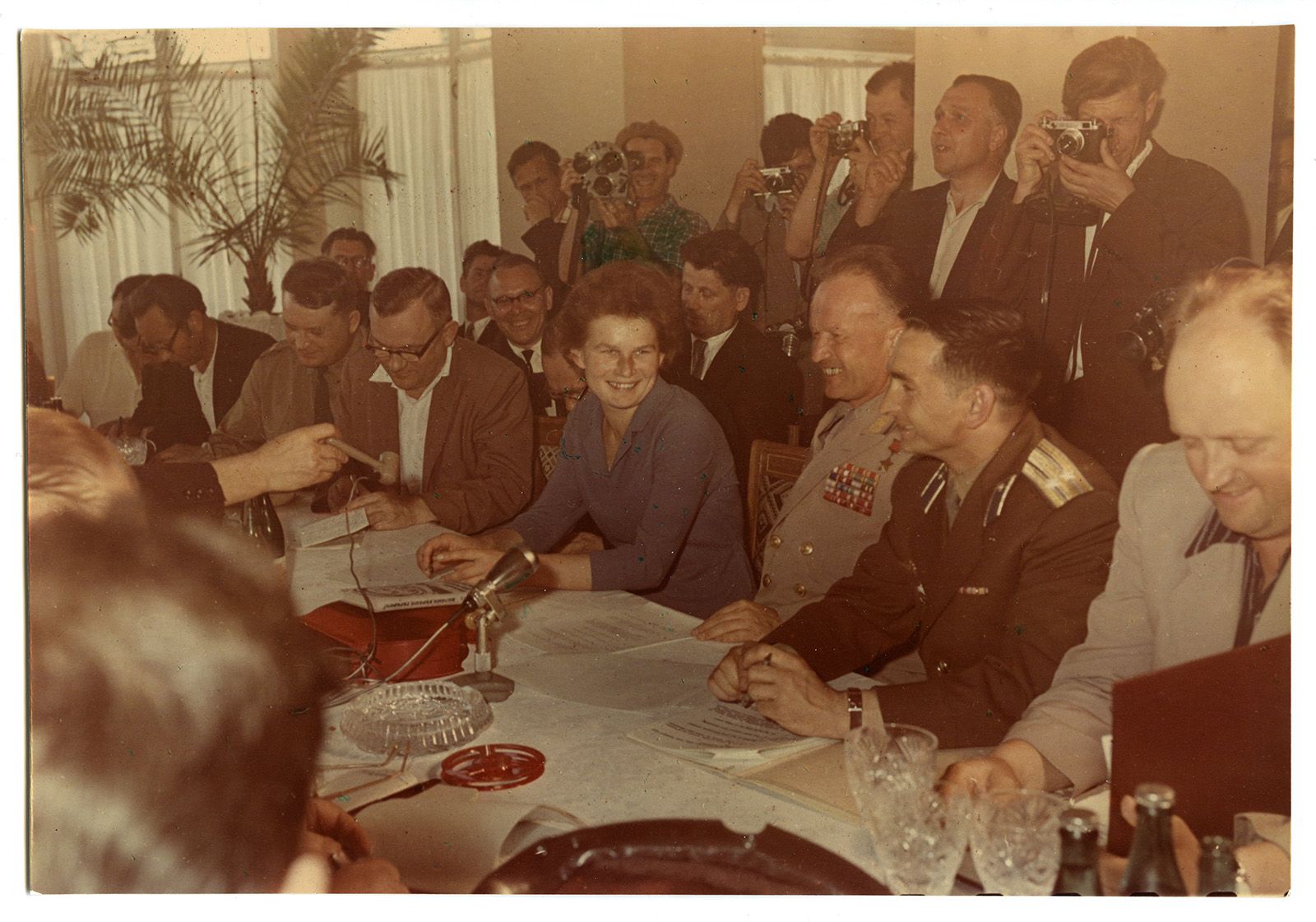
On 16 June 1963, a 26-year-old former textile worker named Valentina Tereshkova launched aboard Vostok 6 and spent nearly three days alone in orbit. She flew 48 times around the Earth, longer than every American astronaut combined, and spotted a dangerous flaw in her descent program that ground controllers had missed.

SpaceX successfully launched the Sentinel-6B satellite, marking a significant milestone as its 500th mission with a reused rocket, furthering global sea level monitoring efforts.