STARLINK-3681 (51968)

COSPAR: 2022-025N | Alt Name: Starlink 3681

Image
STARLINK-3681 Satellite Image
Additional Sources
Launch Details

Launch Date

March 9, 2022

Launch Pad

LC40

Launch Vehicle

Falcon 9

Orbital Elements

NORAD ID

51968

International Designator

2022-025N

Epoch

Sun, 19 Jul 2026 19:43:43 GMT

Apogee

Calculating...

Perigee

Calculating...

Inclination

53.16°

Right Ascension

129.48°

Eccentricity

Calculating...

Argument of Perigee

84.56°

Period

94.01 min

Mean Motion

15.32 rev/day

Latitude

Calculating...

Longitude

Calculating...

Altitude

Calculating...

Velocity

Calculating...

Polar Plot
3D Visualization
Basic Satellite Info

Name

STARLINK-3681

Alternative Name

Starlink 3681

Type

Payload

Status

Operational

Owner

SPXS

Country

United States

Constellation

N/A

Related Satellites

Major Events

N/A

Latest TLEs
1 51968U 22025N   26200.82203061  .00001338  00000+0  54888-4 0  9993
2 51968  53.1596 129.4758 0001225  84.5650 275.5491 15.31692175241262

Source: Celestrak

Summary
The satellite STARLINK-3681, also known as Starlink 3681, is part of the Starlink constellation and was launched on March 9, 2022, from Launch Complex 40 at Cape Canaveral Air Force Station aboard a Falcon 9 launch vehicle. It has dimensions of 0.2 meters in length, 2.8 meters in diameter, and spans 9 meters with its solar arrays. The satellite's dry mass is 275 kilograms while the launch mass was 297 kilograms. Equipped with Ku/Ka-band payload and optical inter-satellite link communications equipment, it uses Krypton ion thrusters for propulsion and relies on solar arrays and batteries for power. Its mission is to provide communication services as part of the Starlink Group 4-10-13 constellation. The satellite's shape is described as a box with a pan configuration.

Starlink is a satellite constellation developed by SpaceX with the aim of providing global broadband internet coverage. Thousands of small satellites are deployed in low Earth orbit (LEO), enabling high-speed internet access even in remote areas. However, the rapid increase in satellites raises concerns about space debris and the potential for collisions, which can lead to further debris creation and endanger other spacecraft. Additionally, the sheer number of Starlink satellites can affect astronomical observations by increasing light pollution. Proper deorbiting plans and international coordination are essential to mitigate these challenges and ensure long-term sustainability in space.
Physical Characteristics

Length

0.2

Diameter

2.8

Span

9

Dry Mass

275

Launch Mass

297

Shape

Box + pan

Radar Cross Section

Unknown

Visual Magnitude

Unknown

Color

Unknown

Material Composition

Unknown

Technical Details

Payload

Starlink Group 4-10-13

Purpose

Communication

Mission

Communication

Manufacturer

SPXS

Life Expectancy

Unknown

Bus

Starlink

Configuration

Unknown

Motor

Krypton ion thrusters

Equipment

Ku/Ka-band payload, optical inter-satellite link

Power System

Solar arrays, batteries

ADCS

Unknown

Transmitter Frequency

Unknown

Map
This tool will help you track the satellite's position and predict its upcoming passes over your location. Simply input the coordinates or click the geolocation button to get started.
Next Pass
Azimuth Elevation Time (Local)
Start Azimuth
Max Elevation
Stop Azimuth
Time Until
Pass Duration

Satellite Articles

View All Posts »

Learn more about satellites and other related topics.

Space Brief 19 Nov 2025

Space Brief 19 Nov 2025

Today's Space Brief covers the latest developments in space debris detection, Ursa Major's defense push, and SpaceX's Starlink launch. Additionally, insights into microreactors for military bases, US Cyber Command updates, and gravitational wave discoveries are highlighted.
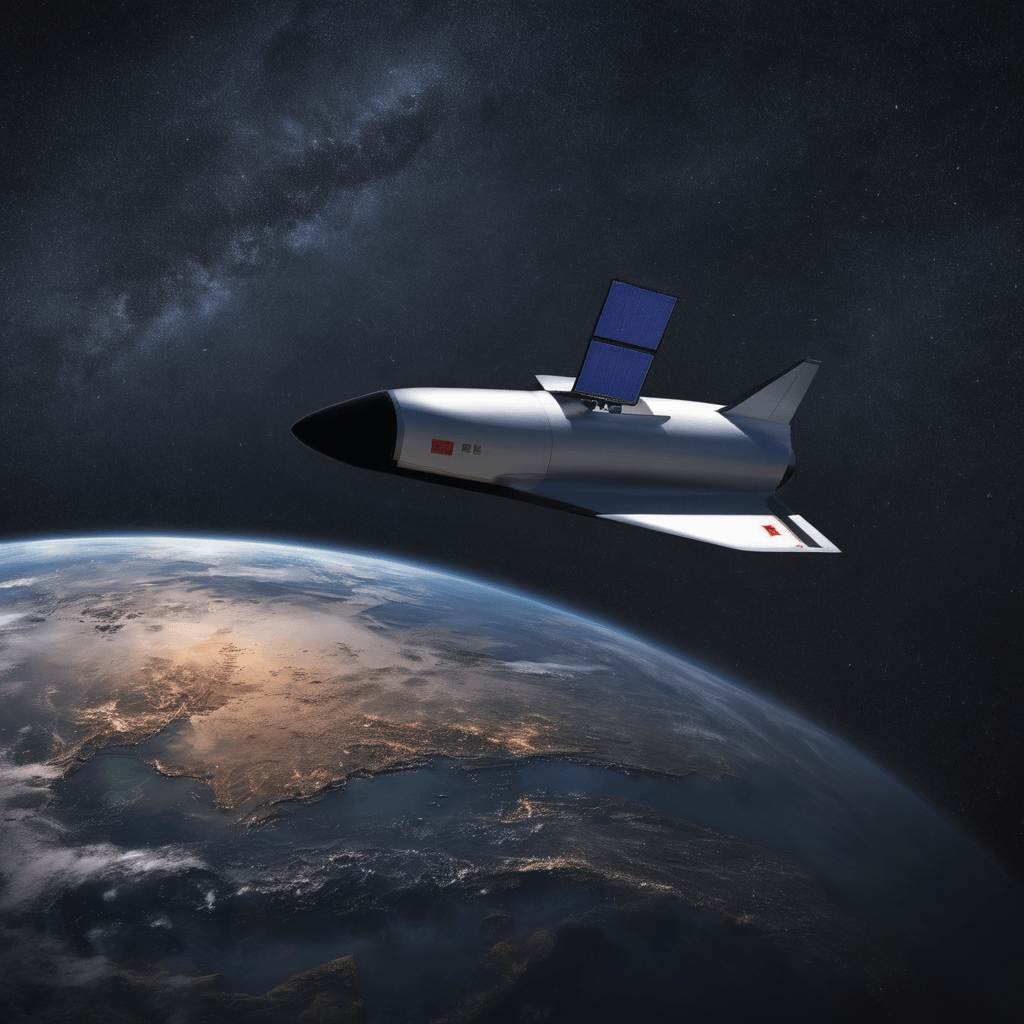
China's Shenlong Deploys Six Objects

China's Shenlong Deploys Six Objects

Details on China's current Shenlong spaceplane mission and its recent deployment of six objects.

Artemis 2 Delayed by Upper Stage Issue, Falcon 9 Hits 33rd Flight | KeepTrack Space Brief

Artemis 2 Delayed by Upper Stage Issue, Falcon 9 Hits 33rd Flight | KeepTrack Space Brief

NASA delays Artemis 2 for SLS upper stage fix and pad rollback. SpaceX Falcon 9 booster shatters reuse record with 33rd flight. Tory Bruno joins Blue Origin for defense work.

SpaceX Launches First Block 2 BlueBirds for AST SpaceMobile | KeepTrack X Report

SpaceX Launches First Block 2 BlueBirds for AST SpaceMobile | KeepTrack X Report

SpaceX delivered 3 Block 2 BlueBird satellites for AST SpaceMobile from Pad 40, advancing direct-to-cell broadband with 10,650 Starlink craft now active.

X Report 18 Dec 2025

X Report 18 Dec 2025

SpaceX carried out a double-header Starlink launch from both coasts while milestones from Max Space and Lux Aeterna signal growth in the commercial space sector.

X Report 14 Aug 2025

X Report 14 Aug 2025

SpaceX successfully launched a batch of Starlink satellites today while introducing new features to enhance user experience. Their rideshare program continues to see increased demand, proving popular among customers.

X Report 14 Feb 2025

X Report 14 Feb 2025

Starship testing progresses at the Cape; Lynk Global secures funding amidst rising satellite competition.

Transporter-16 Lofts 119 Payloads to SSO | KeepTrack X Report

Transporter-16 Lofts 119 Payloads to SSO | KeepTrack X Report

SpaceX's Falcon 9 launches 119 payloads on Transporter-16, the 21st smallsat rideshare mission, from Vandenberg SFB at 1102 UTC.