



Space Brief 26 Oct 2025
Today's brief covers a new Space Force contract for advanced tracking systems, innovative debris removal strategies, pivotal new satellite launches, and significant updates in air quality tracking from orbit.



Launch Date
March 3, 2022
Launch Site
Launch Pad
LC39A
Launch Vehicle
NORAD ID
51876
International Designator
2022-022AA
Epoch
Mon, 20 Jul 2026 08:00:01 GMT
Apogee
Calculating...
Perigee
Calculating...
Inclination
53.16°
Right Ascension
133.24°
Eccentricity
Calculating...
Argument of Perigee
2.82°
Period
95.05 min
Mean Motion
15.15 rev/day
Latitude
Calculating...
Longitude
Calculating...
Altitude
Calculating...
Velocity
Calculating...
Name
STARLINK-3583
Alternative Name
Starlink 3583
Type
Status
Owner
SPXS
Country
United States
Constellation
N/A
Related Satellites
Major Events
N/A
1 51876U 22022AA 26201.33335647 .00053720 00000+0 28450-2 0 9997
2 51876 53.1590 133.2445 0001359 2.8169 317.6811 15.14918244 5751
Source: Celestrak
Length
0.2
Diameter
2.8
Span
9
Dry Mass
275
Launch Mass
297
Shape
Box + pan
Radar Cross Section
Unknown
Visual Magnitude
Unknown
Color
Unknown
Material Composition
Unknown
Payload
Starlink Group 4-9-25
Purpose
Communication
Mission
Communication
Manufacturer
SPXS
Life Expectancy
Unknown
Bus
Starlink
Configuration
Unknown
Motor
Krypton ion thrusters
Equipment
Ku/Ka-band payload, optical inter-satellite link
Power System
Solar arrays, batteries
ADCS
Unknown
Transmitter Frequency
Unknown
Learn more about satellites and other related topics.
Today's brief covers a new Space Force contract for advanced tracking systems, innovative debris removal strategies, pivotal new satellite launches, and significant updates in air quality tracking from orbit.
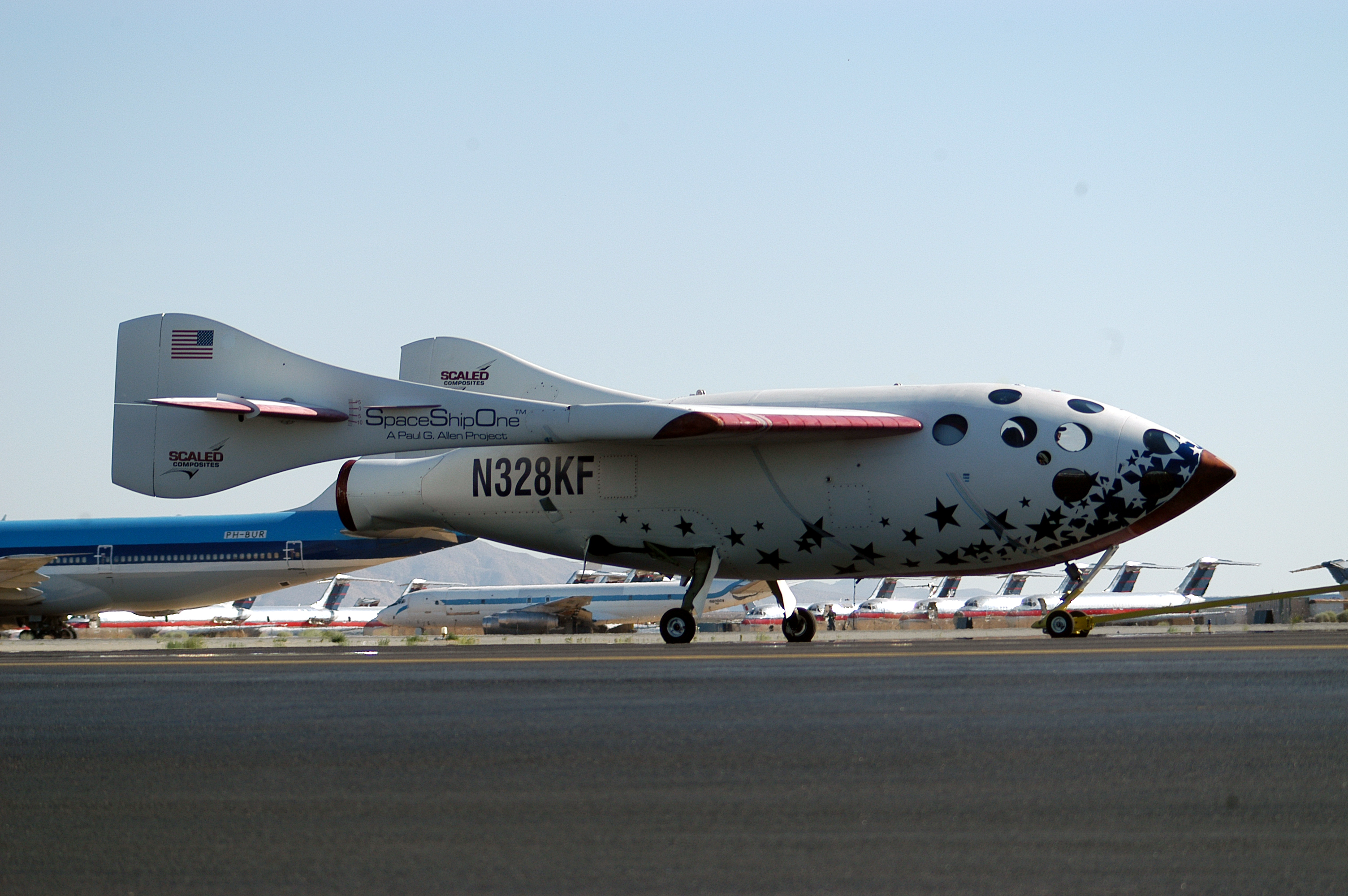
On 21 June 2004, a 63-year-old test pilot rode a homebuilt rocket plane to 100,124 meters above the Mojave Desert, clearing the edge of space by about the length of a city block. He came down the first private astronaut in history, holding a sign that read 'SpaceShipOne, GovernmentZero.'
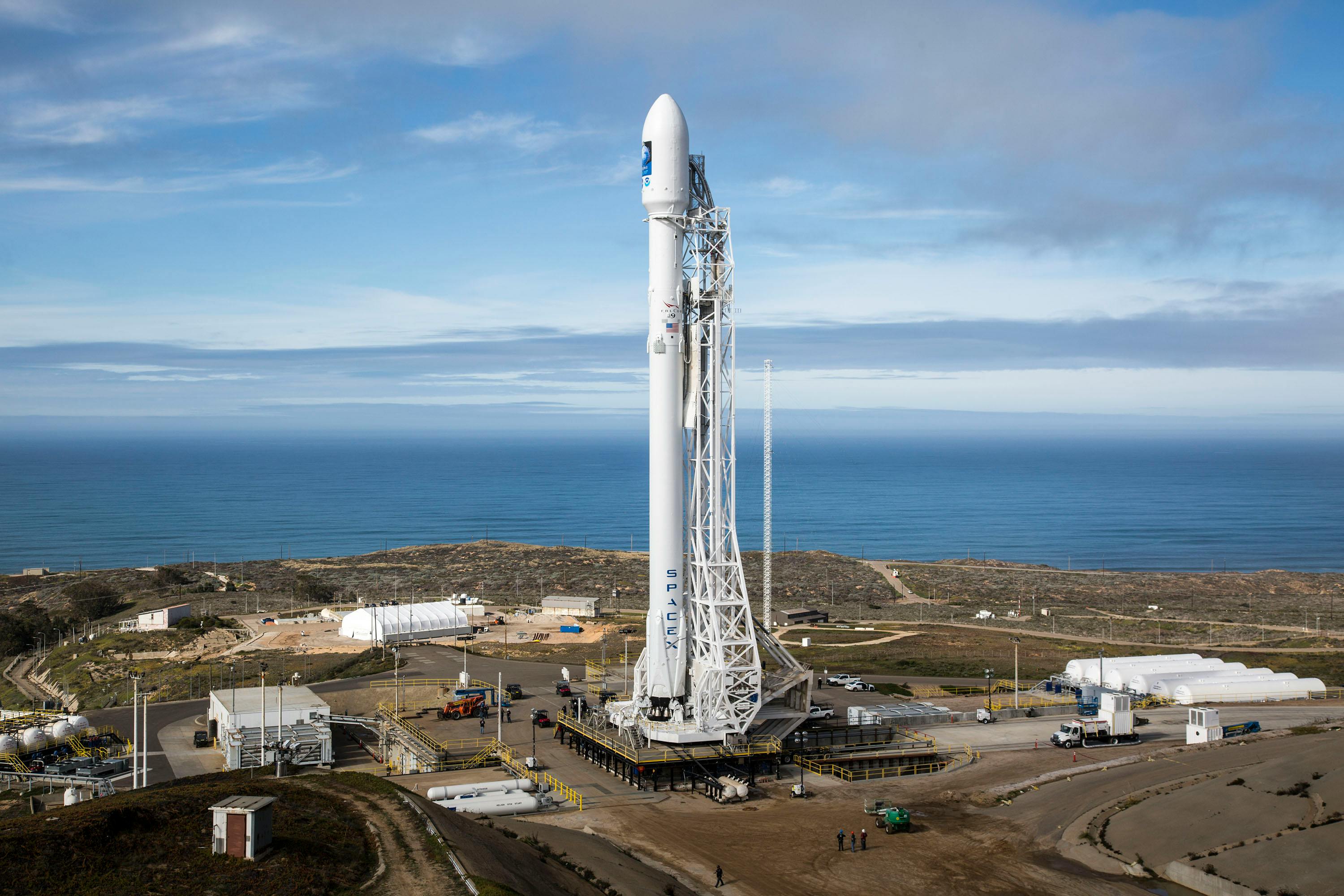
SpaceX successfully launched 29 Starlink satellites on the record-breaking 32nd flight of its Falcon 9 rocket. Elon Musk discusses a potential future as a Type II civilization, emphasizing the role of AI and satellite technology.

SpaceX successfully launched the Transporter-14 mission, adding multiple payloads, including Canadian satellites and a memorial capsule, while Starlink expands its services in Vietnam and enhances T-Mobile's reach.

Today we cover new appointments at NASA, calls for increased Space Force funding, and a successful test of a hypersonic vehicle. Further investigations target SpaceX, and a documentary highlights space superiority.

What happens when space objects come home: the fiery physics of returning from orbit and why predicting where debris lands is so difficult
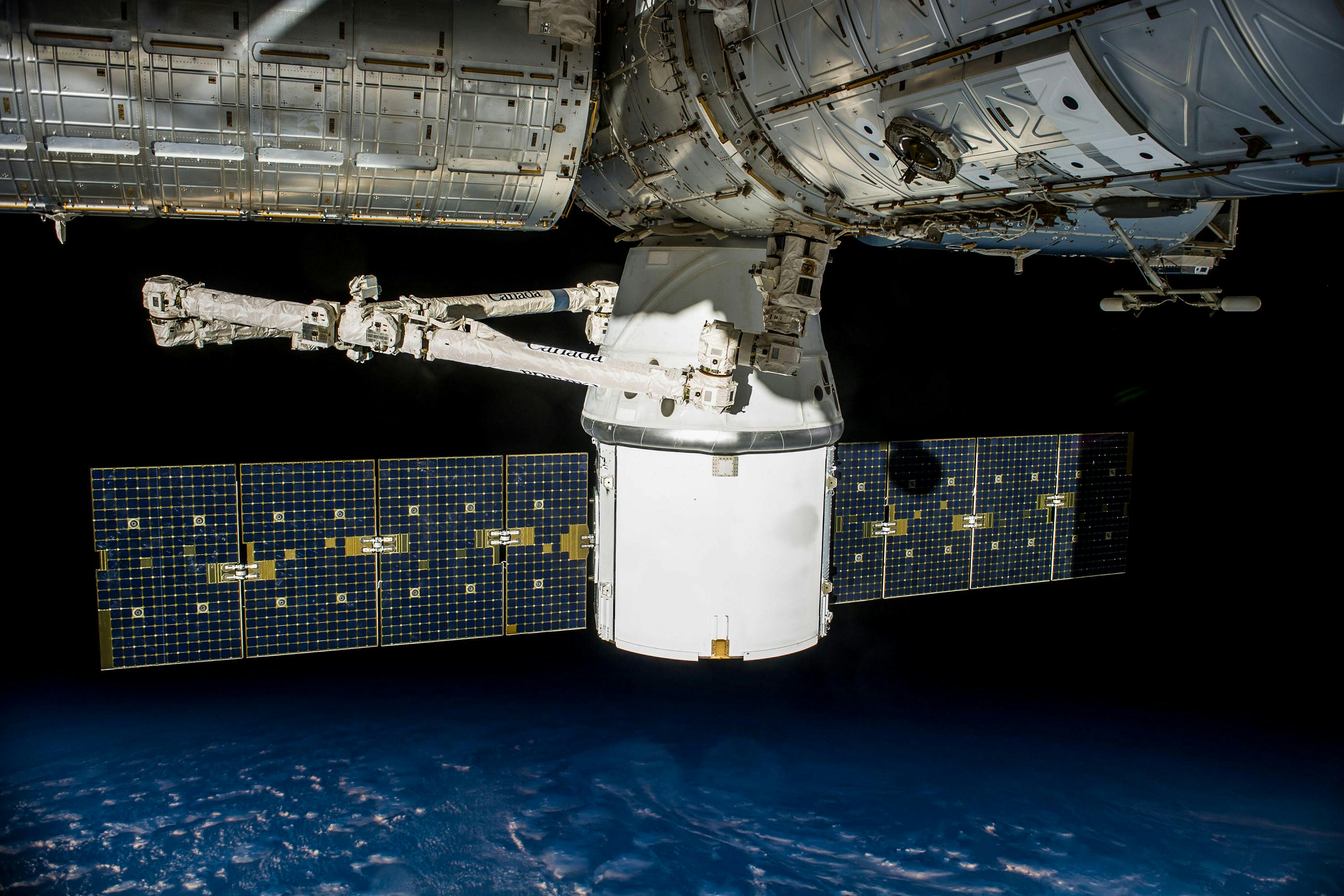
SpaceX makes significant strides with Starship Flight Test 10 approved and updates on the new Starbase pad design.
Today's brief covers China's ongoing assessments following a potential debris strike on Shenzhou-20, SpaceX's record-breaking Starlink launch, Rocket Lab's delay of the Neutron rocket, and more.