

Artemis 2 Crew Reaches Moon, NASA Cuts Budget 25% | KeepTrack Space Brief
Artemis 2's four astronauts entered lunar sphere of influence April 6, first crewed arrival since Apollo 17. NASA simultaneously proposed 25% budget cut for FY2027.


Launch Date
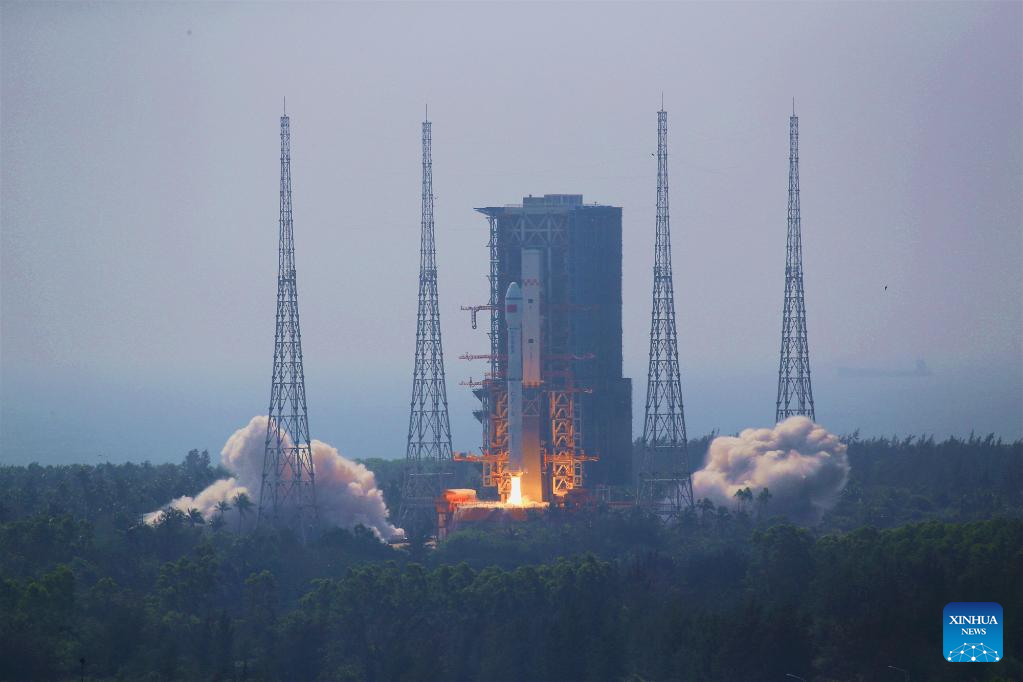
February 27, 2022
Launch Site
WSC
Launch Pad
LC201
Launch Vehicle
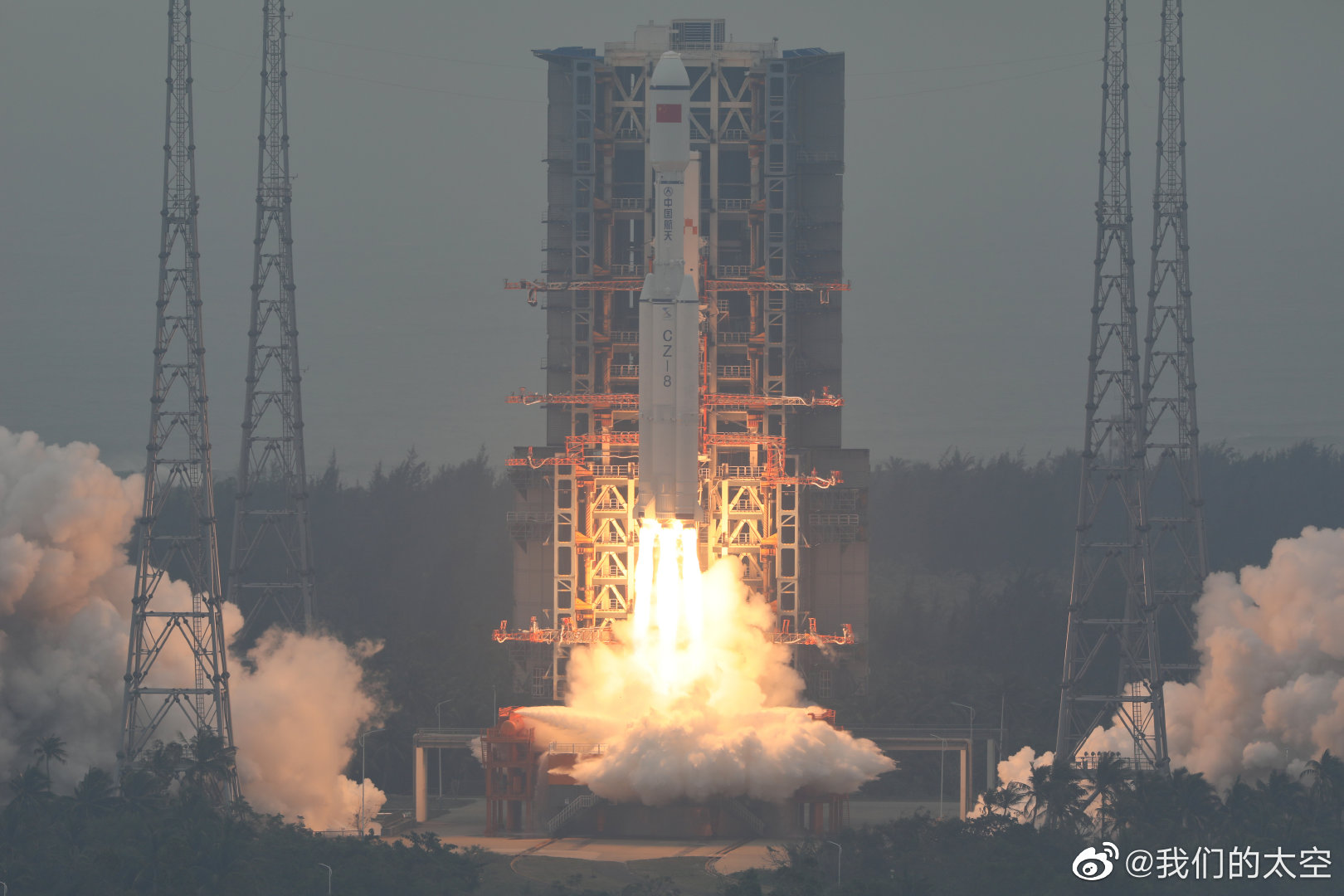
Chang Zheng 8
NORAD ID
51845
International Designator
2022-019X
Decay Date
3/8/2025
Name
OBJECT X
Alternative Name
Dayun
Type
Status
Owner
GUOX
Country
China
Constellation
N/A
Related Satellites
Major Events
N/A
Apologies, there is no summary for this satellite yet. I am working to generate these for every object in the catalog, but it is going to take time.
Length
0.3
Diameter
0.2
Span
0.3
Dry Mass
20
Launch Mass
20
Shape
Box
Radar Cross Section
Unknown
Visual Magnitude
Unknown
Color
Unknown
Material Composition
Unknown
Payload
Xingshidai 17
Purpose
Unknown
Mission
Unknown
Manufacturer
WEINA/GUOX
Life Expectancy
Unknown
Bus
Cubesat 6U
Configuration
Unknown
Motor
Unknown
Equipment
Unknown
Power System
Unknown
ADCS
Unknown
Transmitter Frequency
Unknown
Learn more about satellites and other related topics.
Artemis 2's four astronauts entered lunar sphere of influence April 6, first crewed arrival since Apollo 17. NASA simultaneously proposed 25% budget cut for FY2027.
Today's Space Brief explores new satellite launches, significant reentries, funding milestones, and critical policy updates.

ULA's Vulcan Centaur faces potential months-long stand-down. Space Force actively exploring payload reassignment and satellite operational life extensions to cover critical national security missions.

SpaceX claims a 2nd GPS III launch as ULA's Vulcan investigation stalls, while ESA charters a Crew Dragon ISS mission and Starlink hits 30 launches in 2026.
SpaceX achieves a historic rocket reuse milestone and successfully launches NRO satellites, alongside charming interactions during Crew-9 Dragon recovery.

Today's brief covers increased Space Force funding, a renewed focus on nuclear power in space, a proposed US missile defense system, new defense budget revelations, and NATO's call for increased air defenses.

In 2024, China launched 68 orbital missions. In 2025, the number jumped to 97. In 2026, state media and Western analysts agree the target is 140 or more. Most of that growth is being driven by two state-backed mega-constellations, a half-dozen private launch companies hitting stride, and a deliberate national pivot toward commercial space. Beijing is no longer trying to catch SpaceX. It is trying to build an industrial base that outlasts one.
SpaceX plans to lower orbits of 4,400 Starlink satellites after two collision-concern incidents. Cosmo-SkyMed Earth observation satellite launched for Italy from Vandenberg.