


Space Force Eyes Space Tugs, On-Orbit Refueling by 2030 | KeepTrack Space Brief
Space Force commits to operational space tugs and on-orbit refueling by 2030. New capabilities will complicate conjunction analysis for GEO and MEO satellite tracking.



Launch Date
September 16, 1982
Launch Site
PLMSC
Launch Pad
LC32/2
Launch Vehicle
Tsiklon-3
NORAD ID
51605
International Designator
1982-092BPJ
Decay Date
1/14/2023
Name
COSMOS 1408 DEB
Alternative Name
deb Kosmos-1408
Type
Status
Owner
ROSK
Country
USSR
Constellation
N/A
Related Satellites
Major Events
N/A
Length
0
Diameter
0
Span
0
Dry Mass
0
Launch Mass
0
Shape
N/A
Radar Cross Section
Unknown
Visual Magnitude
Unknown
Color
Unknown
Material Composition
Unknown
Payload
Unknown
Purpose
Unknown
Mission
Unknown
Manufacturer
YUZHUA
Life Expectancy
Unknown
Bus
Unknown
Configuration
Unknown
Motor
Unknown
Equipment
Unknown
Power System
Unknown
ADCS
Unknown
Transmitter Frequency
Unknown
Learn more about satellites and other related topics.
Space Force commits to operational space tugs and on-orbit refueling by 2030. New capabilities will complicate conjunction analysis for GEO and MEO satellite tracking.

SpaceX successfully launched 28 Starlink satellites from Cape Canaveral, while Starship prepares for its ninth test flight next week.
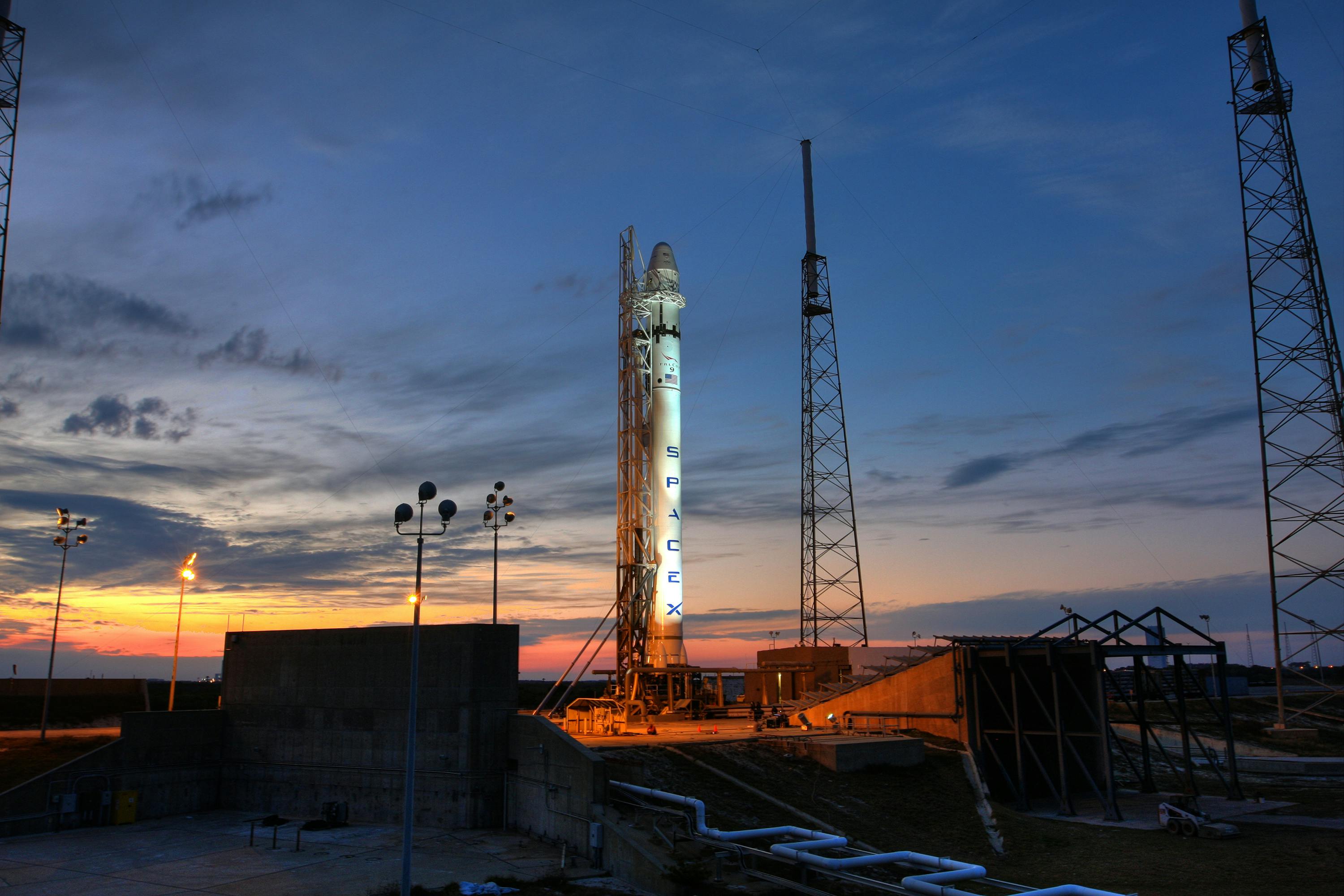
Starlink constellation size in 2026: 9,931 satellites in orbit, 9,920 working from 11,463 launched. Starlink 17-18 adds 25 more from Vandenberg.
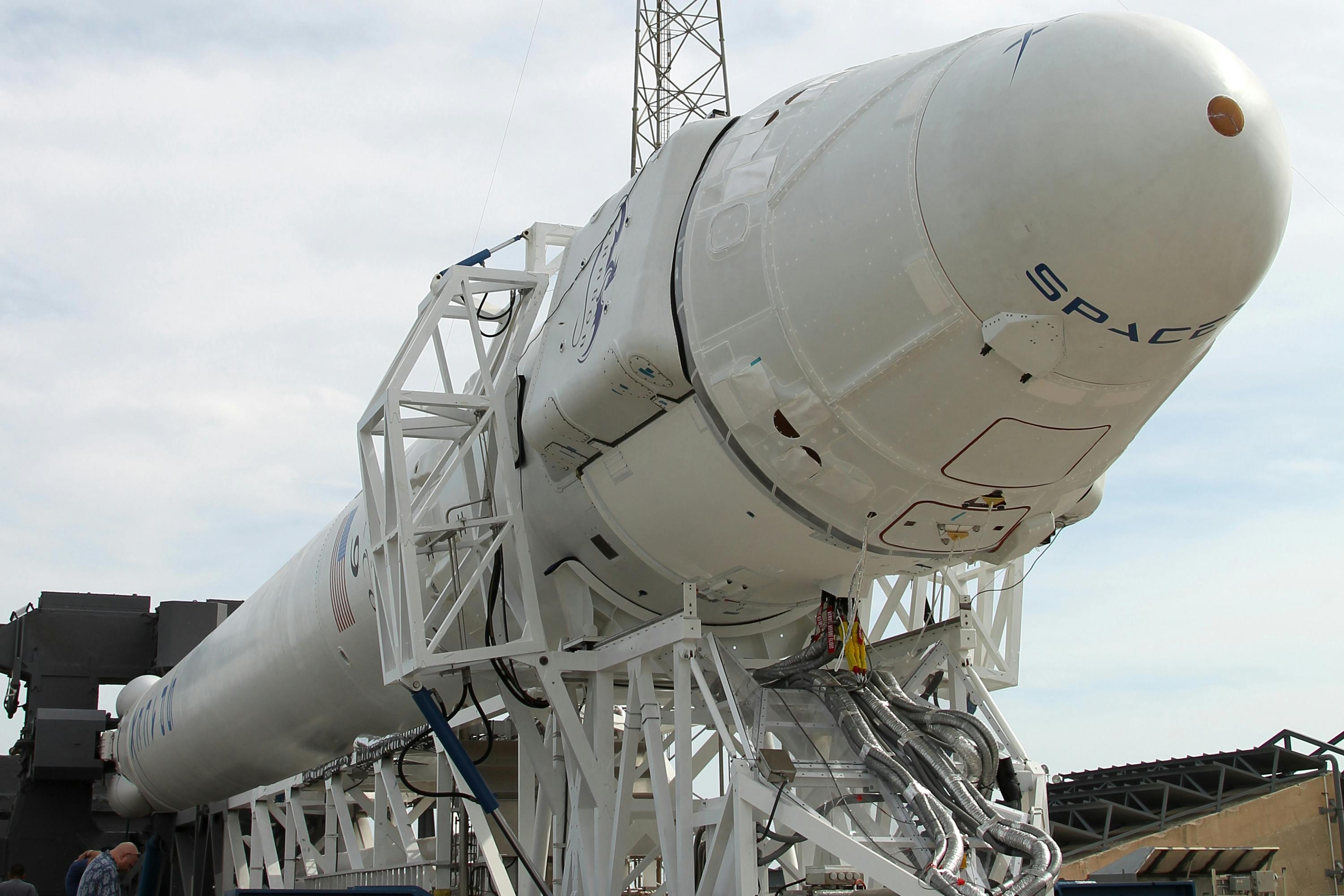
SpaceX prepares for its 100th Falcon 9 launch from Kennedy Space Center while facing a scrubbed attempt of the latest Starlink deployment.
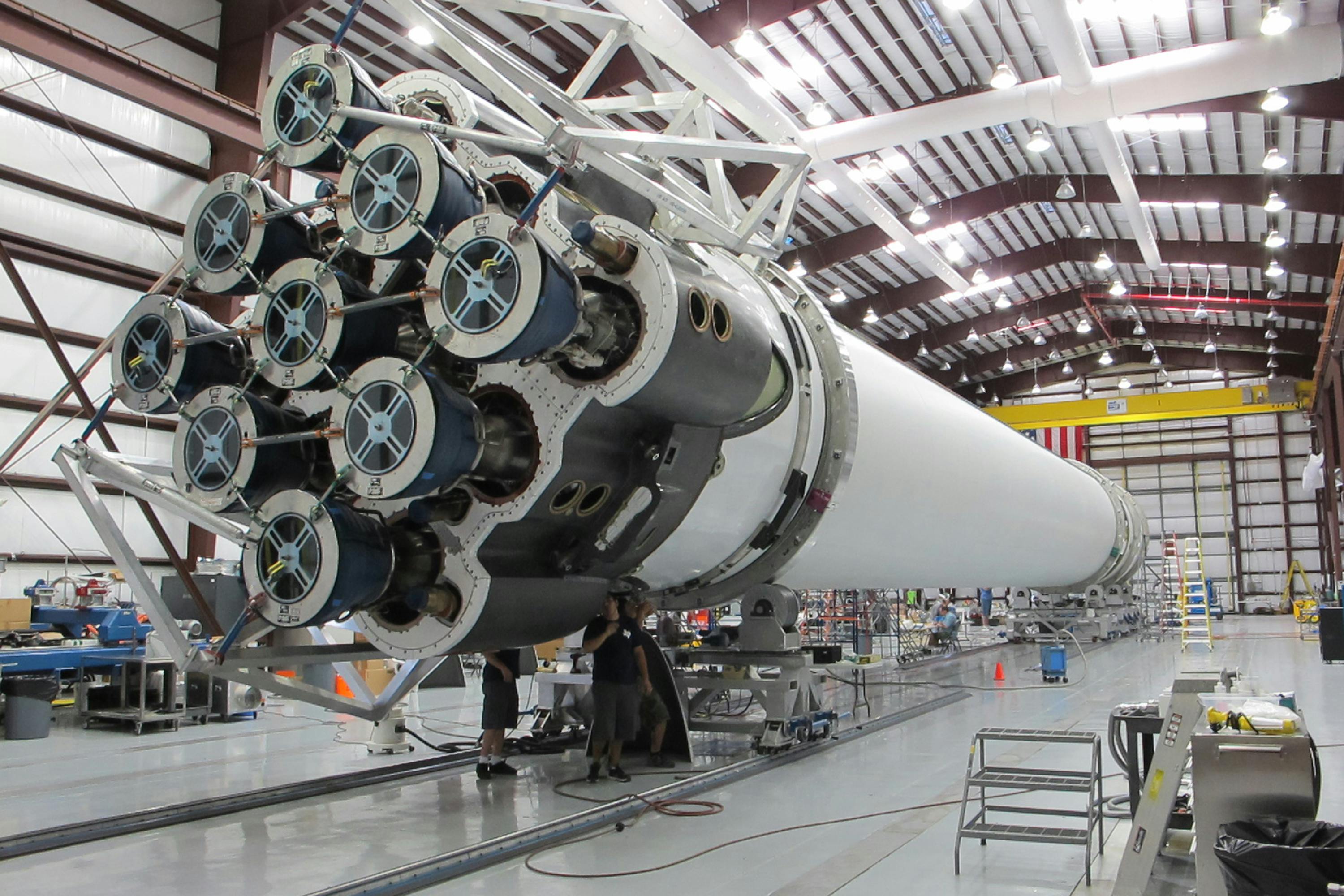
SpaceX Starlink updates for 2026 open with Starlink 6-88: 29 satellites from Cape Canaveral on Jan 4, after a record 165-launch 2025.
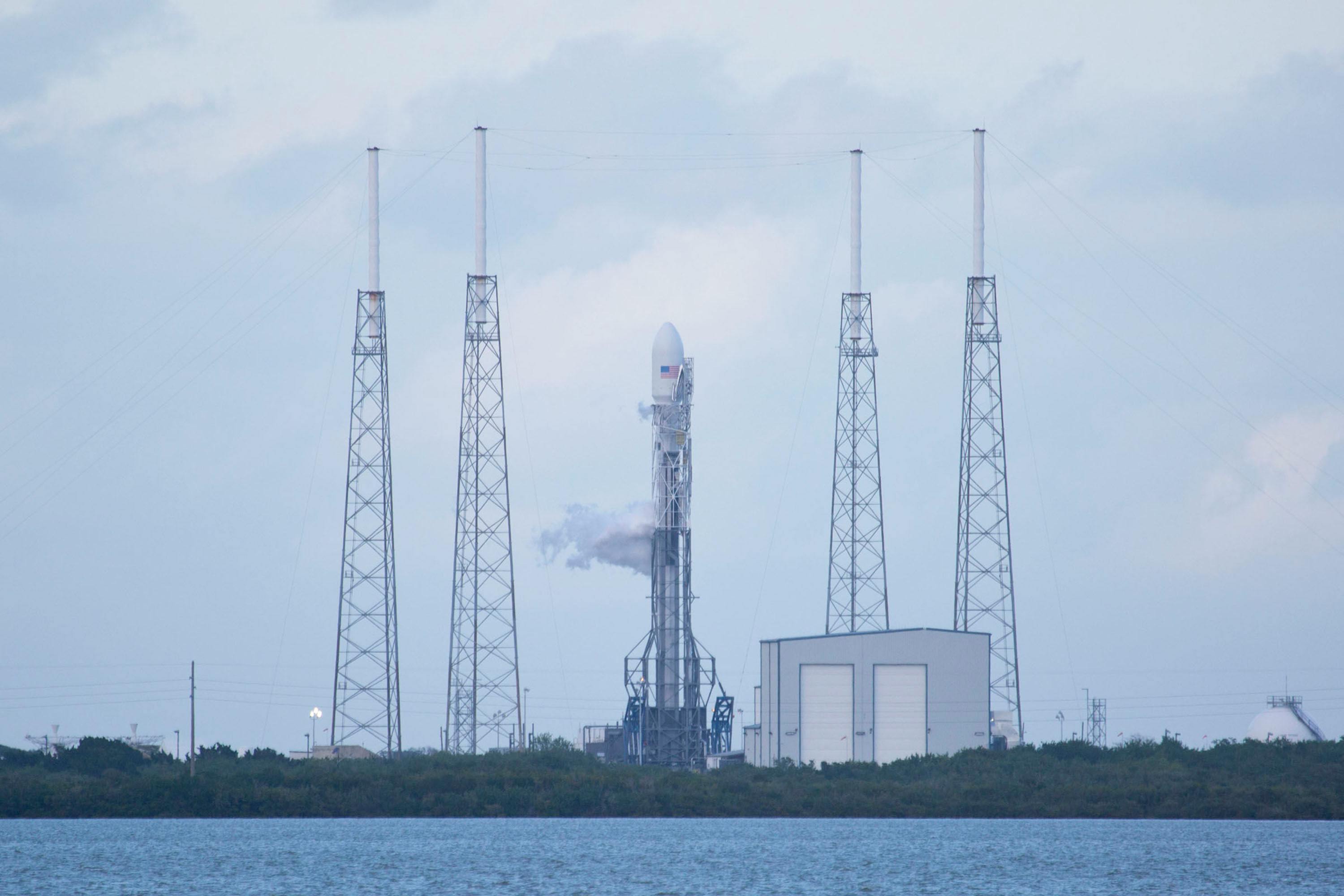
SpaceX cancels Texas land-swap deal amid growing Starship presence and launches 20 Starlink satellites using the 400th Falcon 9 rocket.
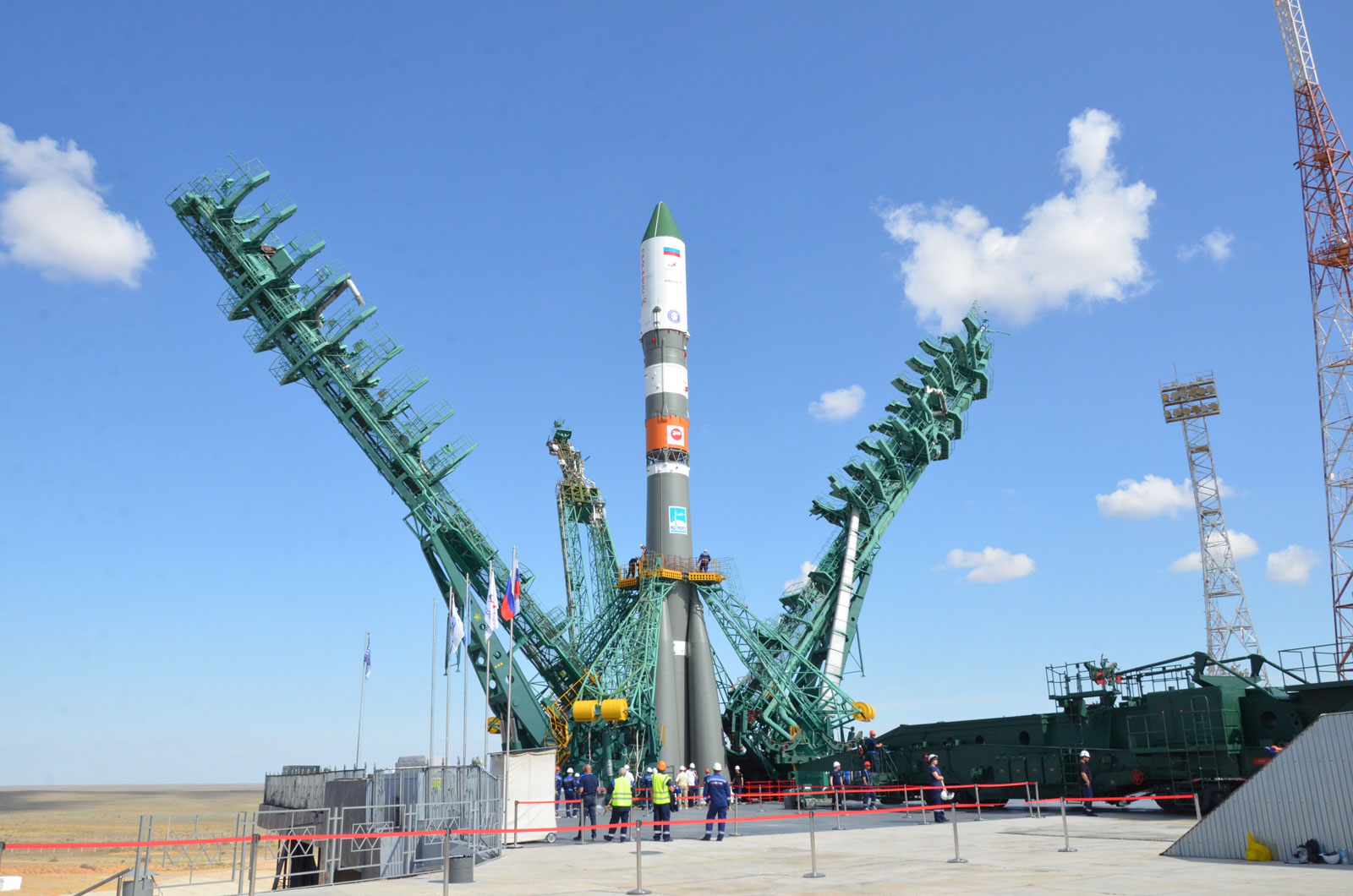
Pentagon increases Golden Dome missile defense budget by $10B to $185B, funding HBTSS hypersonic tracking constellation expansion. Three acceleration priorities announced.
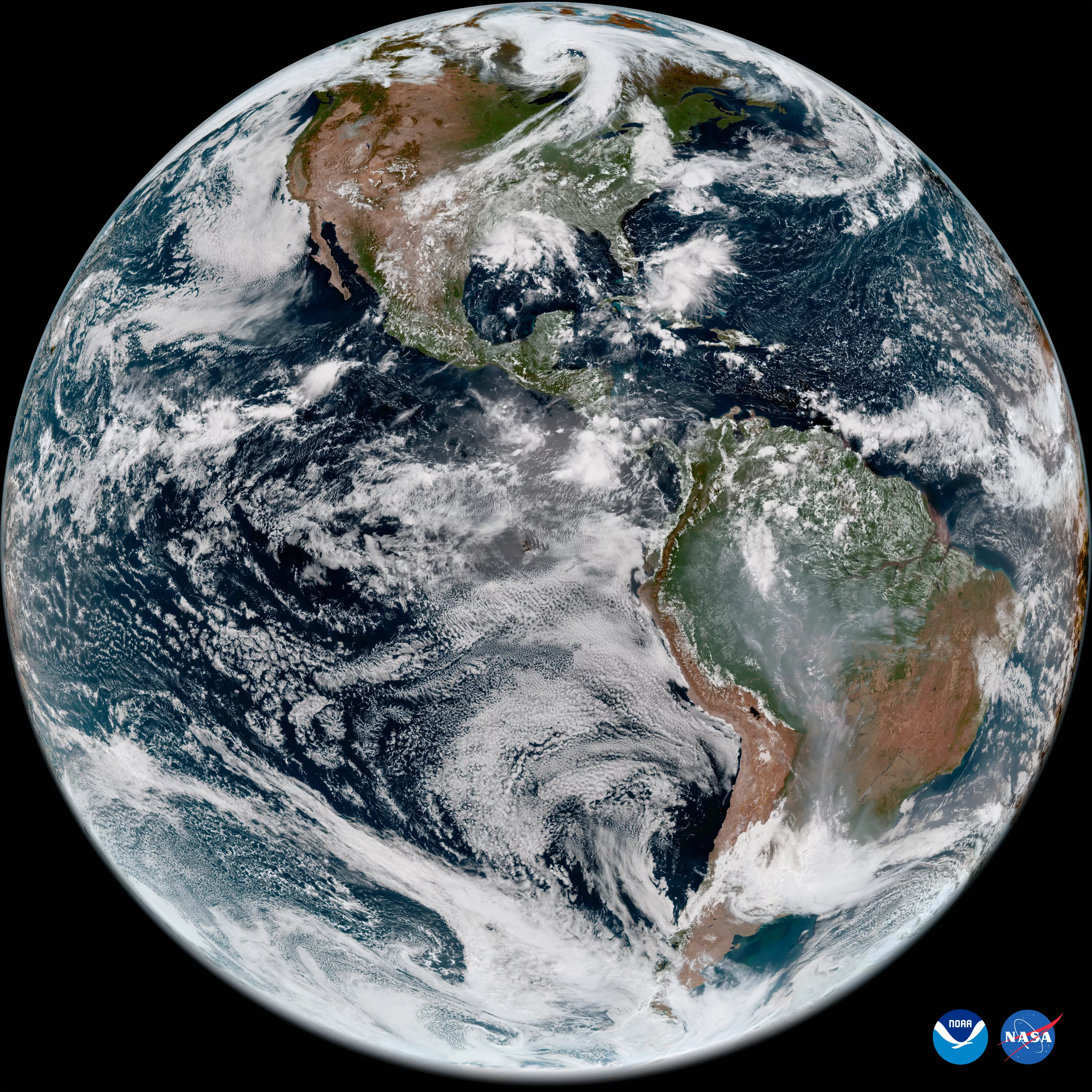
The final satellite in a multi-billion-dollar program that learned its hardest lesson from a clogged pipe. GOES-19 is now NOAA's eyes on every Atlantic hurricane - and it's already found dozens of comets no one was looking for.