


Space Brief 28 Nov 2024
Today's briefing covers China's announcement of the Beidou system upgrade, launch updates for Vega C, challenges to global GPS reliability, and delays in the VERITAS Venus mission.


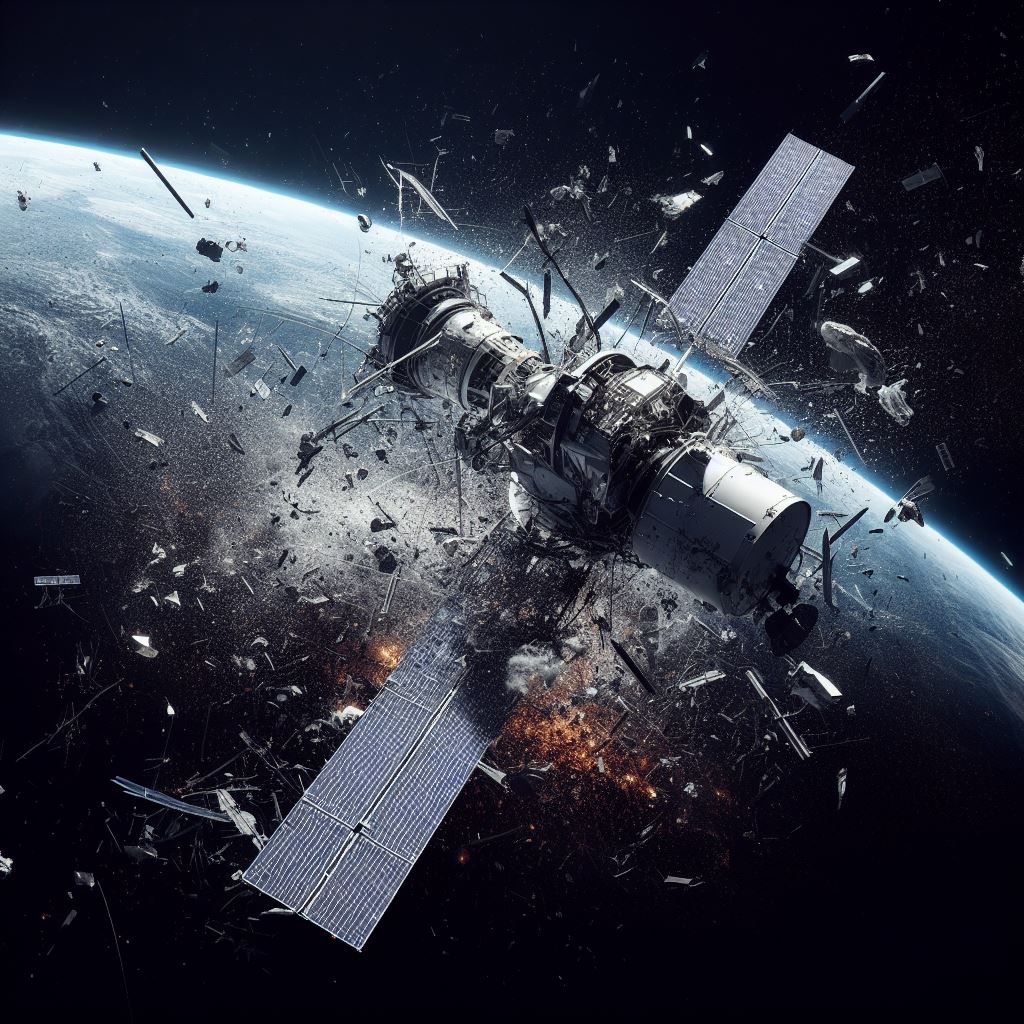
Launch Date
September 16, 1982
Launch Site
PLMSC
Launch Pad
LC32/2
Launch Vehicle
Tsiklon-3
NORAD ID
51601
International Designator
1982-092BPE
Decay Date
4/4/2022
Name
COSMOS 1408 DEB
Alternative Name
deb Kosmos-1408
Type
Status
Owner
ROSK
Country
USSR
Constellation
N/A
Related Satellites
Major Events
N/A
Length
0
Diameter
0
Span
0
Dry Mass
0
Launch Mass
0
Shape
N/A
Radar Cross Section
Unknown
Visual Magnitude
Unknown
Color
Unknown
Material Composition
Unknown
Payload
Unknown
Purpose
Unknown
Mission
Unknown
Manufacturer
YUZHUA
Life Expectancy
Unknown
Bus
Unknown
Configuration
Unknown
Motor
Unknown
Equipment
Unknown
Power System
Unknown
ADCS
Unknown
Transmitter Frequency
Unknown
Learn more about satellites and other related topics.
Today's briefing covers China's announcement of the Beidou system upgrade, launch updates for Vega C, challenges to global GPS reliability, and delays in the VERITAS Venus mission.
Elon Musk controls 79% of SpaceX's votes with just 42% of the equity - and the company just merged with his AI startup at a $1.25 trillion valuation. Here's who actually owns what, how the money works, and what a $1.75 trillion IPO means for investors.
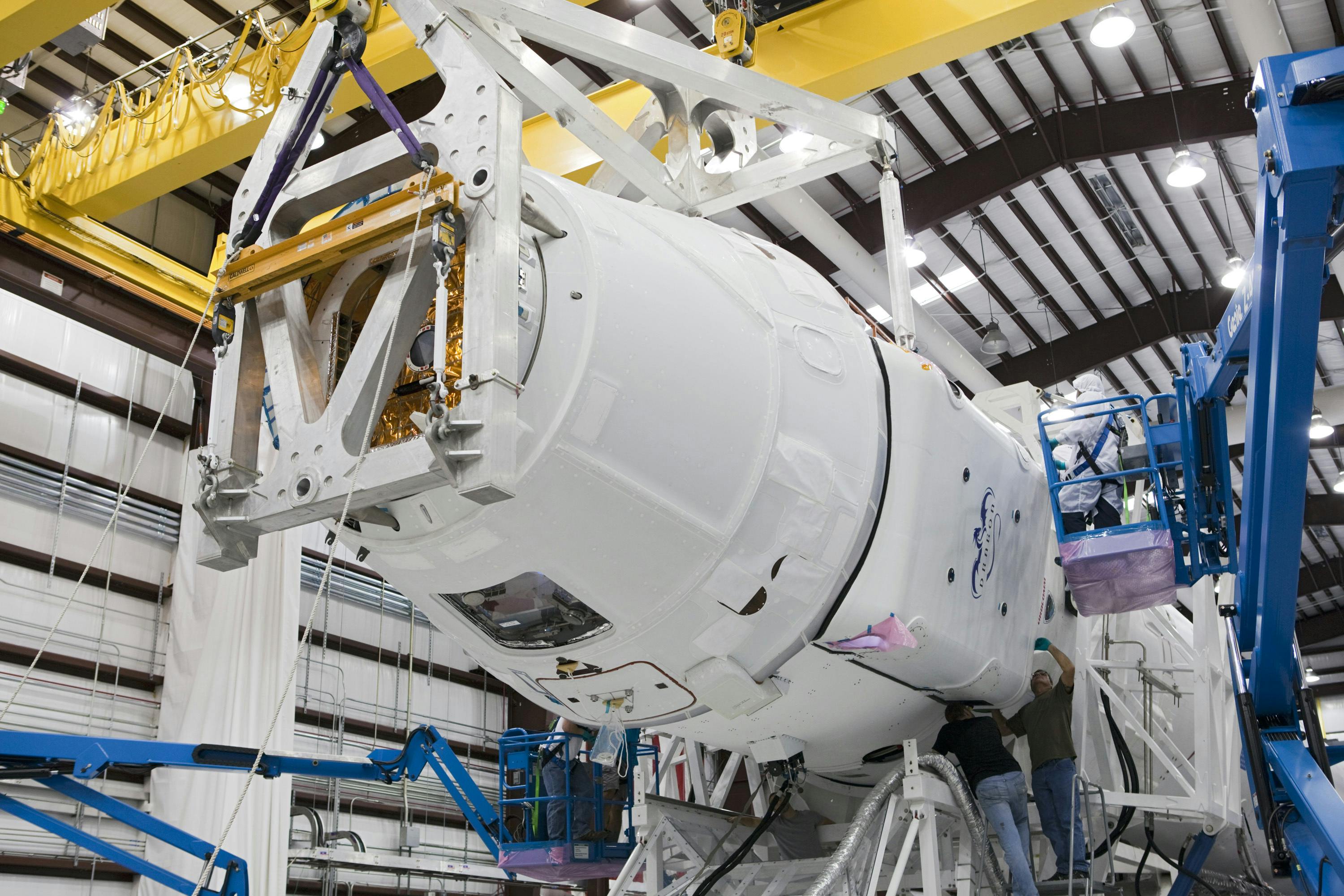
SpaceX hit 50 launches in 2026 on April 26. Falcon Heavy's ViaSat-3 mission, only its 12th flight, scrubbed on weather at Kennedy; new date pending.
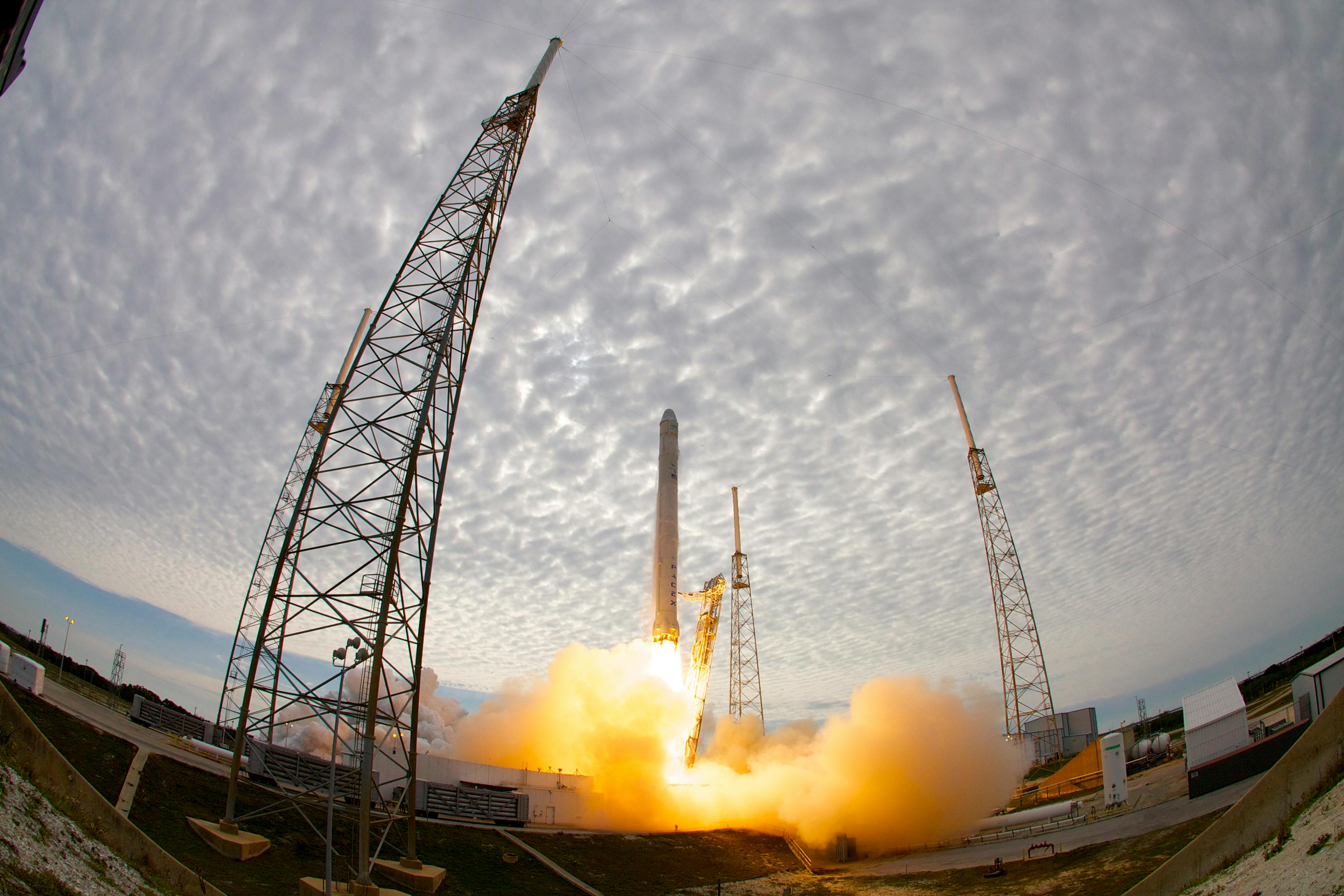
SpaceX successfully launches two lunar landers and clears another milestone with Transporter-12 rideshare mission.

SpaceX's proposed 1-million-satellite AI data center constellation alarms astronomers as Falcon 9 logs its 25th Starlink launch of 2026.

SpaceX officially acquires xAI for orbital data centers. Amazon buys 10 additional Falcon 9 launches for Project Kuiper. Starlink helps Iranian protesters bypass blackout.

SpaceX delivered 3 Block 2 BlueBird satellites for AST SpaceMobile from Pad 40, advancing direct-to-cell broadband with 10,650 Starlink craft now active.
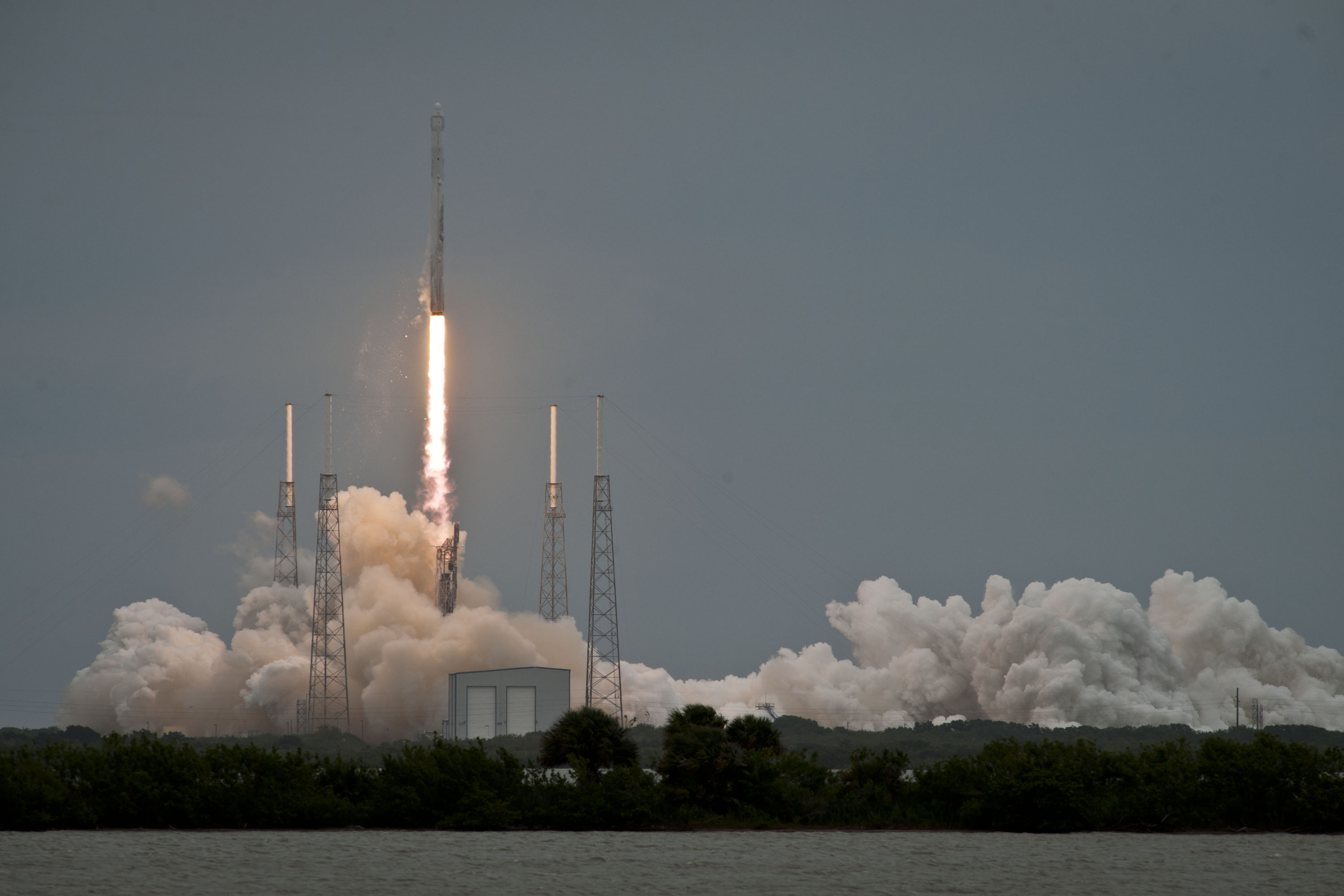
On April 18, 2014, a Falcon 9 first stage did something no orbital rocket had ever done before. It fired its engines on the way down, steered itself through the atmosphere using grid fins that did not yet exist, and touched the Atlantic Ocean softly enough to survive the impact. Nobody recovered it. The data was the whole point.