


SpaceX Valued at $1.25T as IPO Signals Intensify | KeepTrack X Report
SpaceX hits a $1.25 trillion valuation as IPO speculation mounts, Starlink 17-17 lifts off from Vandenberg, and a quantum sensor rides to orbit.



Launch Date
September 16, 1982
Launch Site
PLMSC
Launch Pad
LC32/2
Launch Vehicle
Tsiklon-3
NORAD ID
51546
International Designator
1982-092BLX
Decay Date
6/12/2022
Name
COSMOS 1408 DEB
Alternative Name
deb Kosmos-1408
Type
Status
Owner
ROSK
Country
USSR
Constellation
N/A
Related Satellites
Major Events
N/A
Length
0
Diameter
0
Span
0
Dry Mass
0
Launch Mass
0
Shape
N/A
Radar Cross Section
Unknown
Visual Magnitude
Unknown
Color
Unknown
Material Composition
Unknown
Payload
Unknown
Purpose
Unknown
Mission
Unknown
Manufacturer
YUZHUA
Life Expectancy
Unknown
Bus
Unknown
Configuration
Unknown
Motor
Unknown
Equipment
Unknown
Power System
Unknown
ADCS
Unknown
Transmitter Frequency
Unknown
Learn more about satellites and other related topics.
SpaceX hits a $1.25 trillion valuation as IPO speculation mounts, Starlink 17-17 lifts off from Vandenberg, and a quantum sensor rides to orbit.
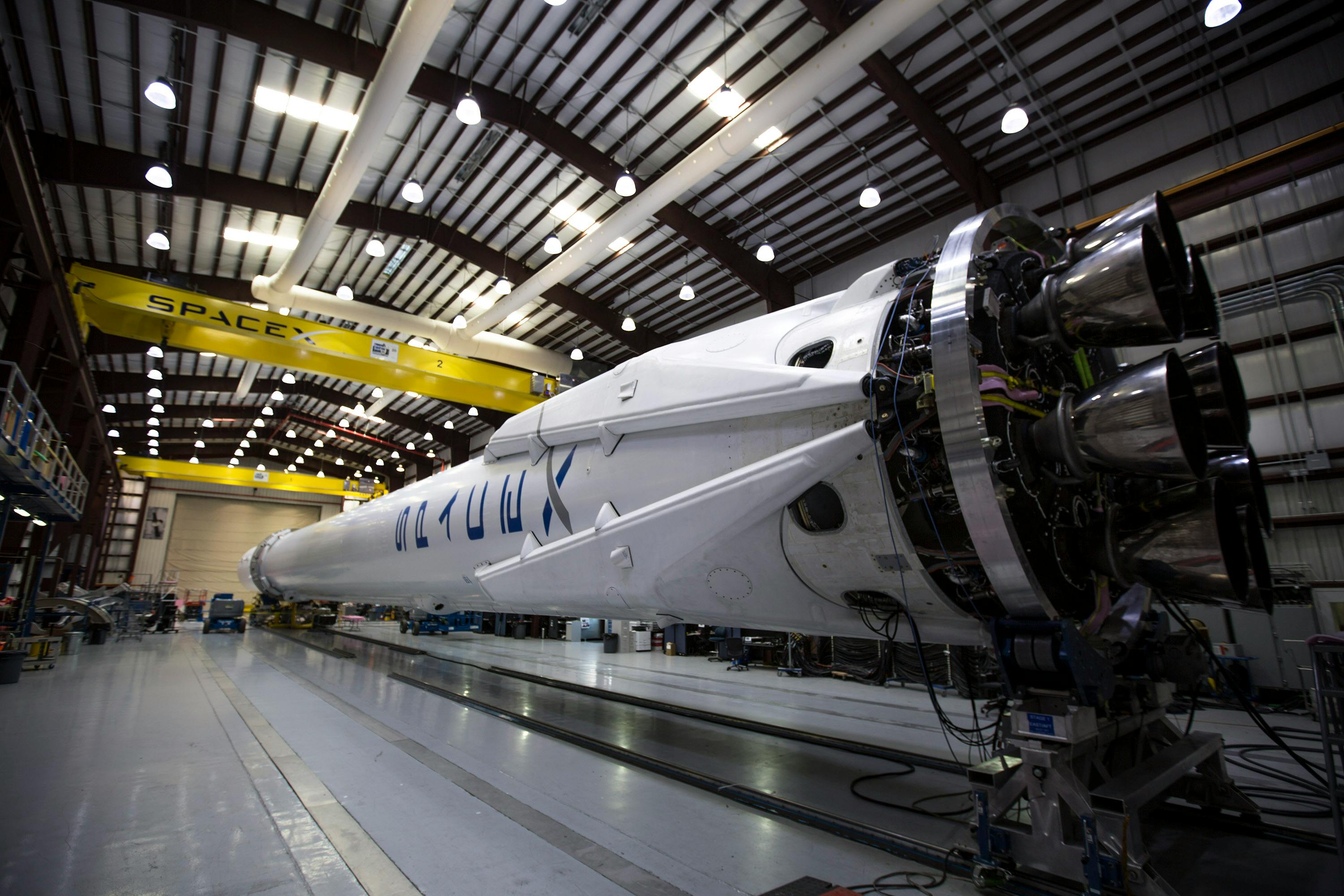
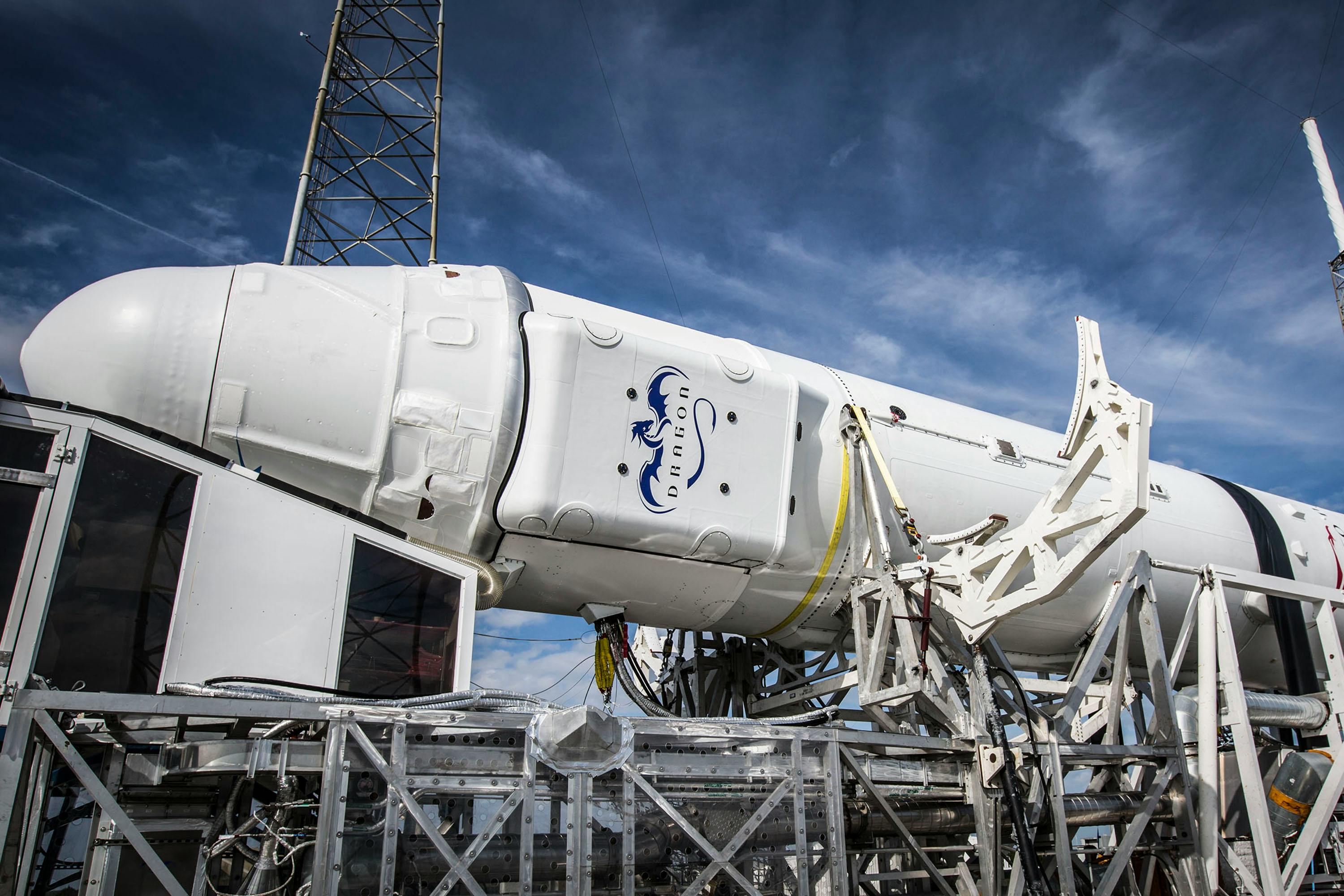
Today's highlights include SpaceX's Dragon cargo mission to the ISS, the first wooden satellite launch, and updates on NASA's Voyager mission. Additionally, the Space Force's X-37B space plane showcases unique aerobraking strategies.
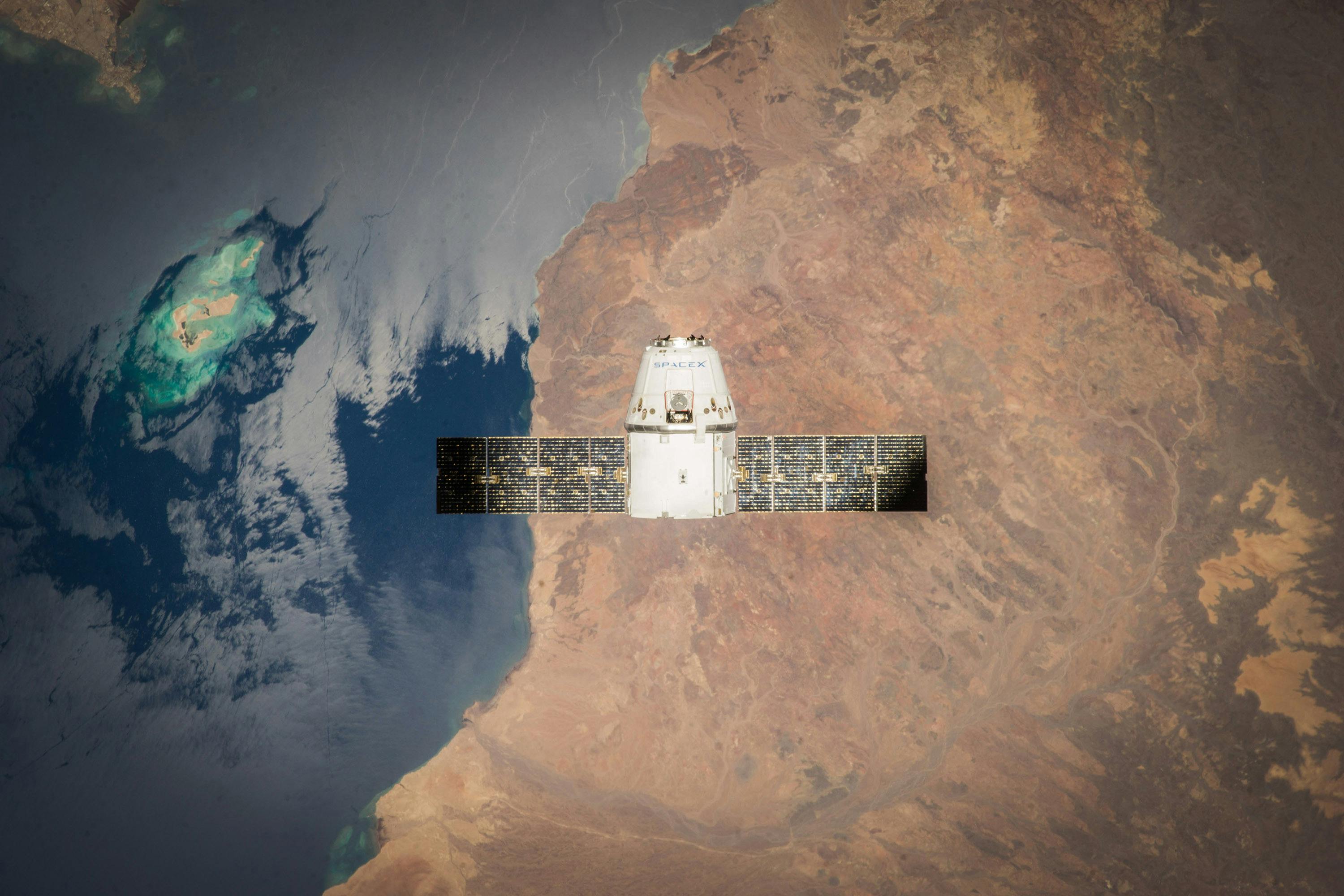
FAA grounds Starship pending a mishap investigation into the V3 debut flight; return to flight hinges on FAA sign-off. Starlink 10-53 added 29 sats.
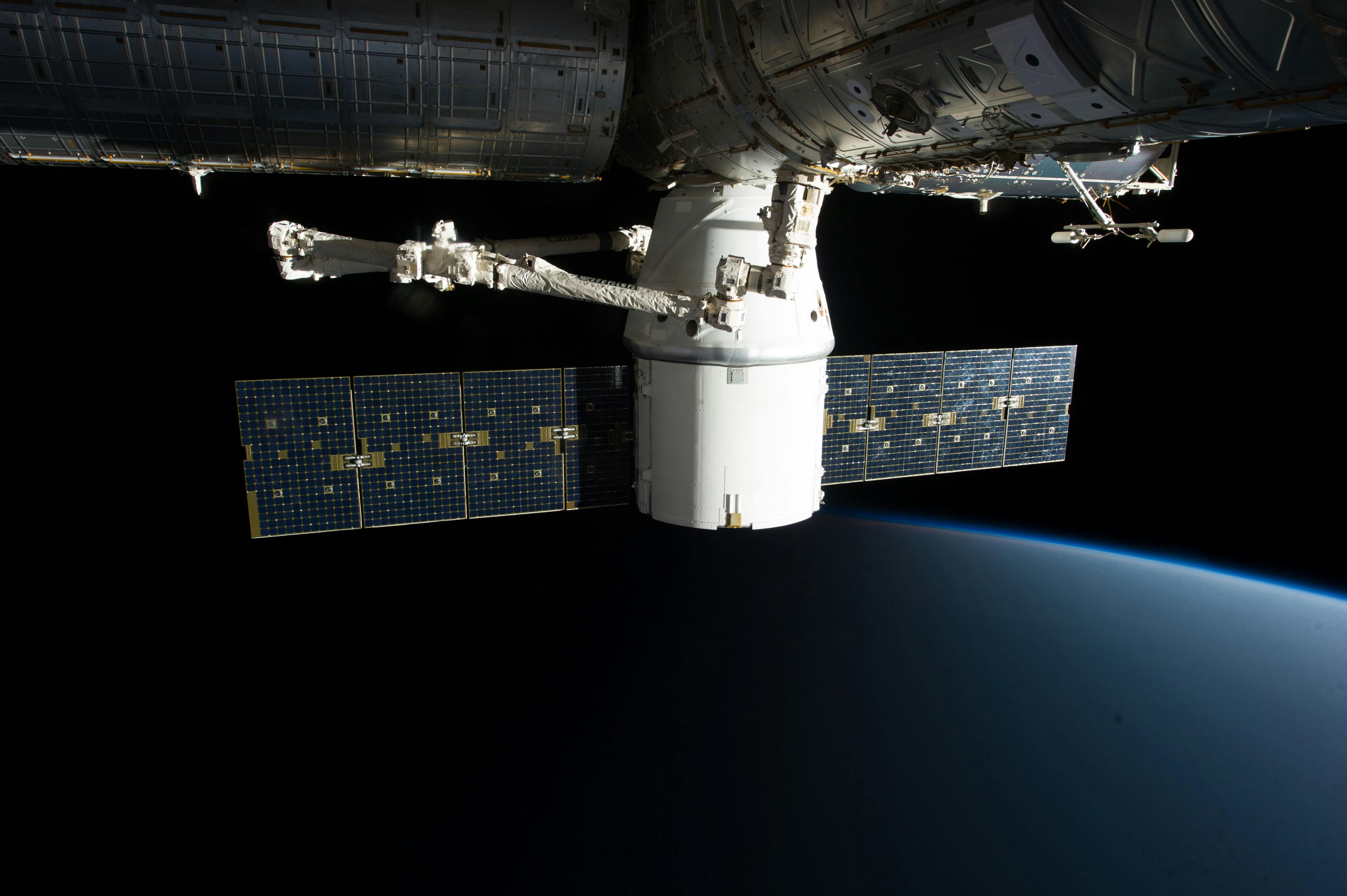
SpaceX successfully launched 26 Starlink satellites from California, preparing for upcoming crewed missions to the ISS.
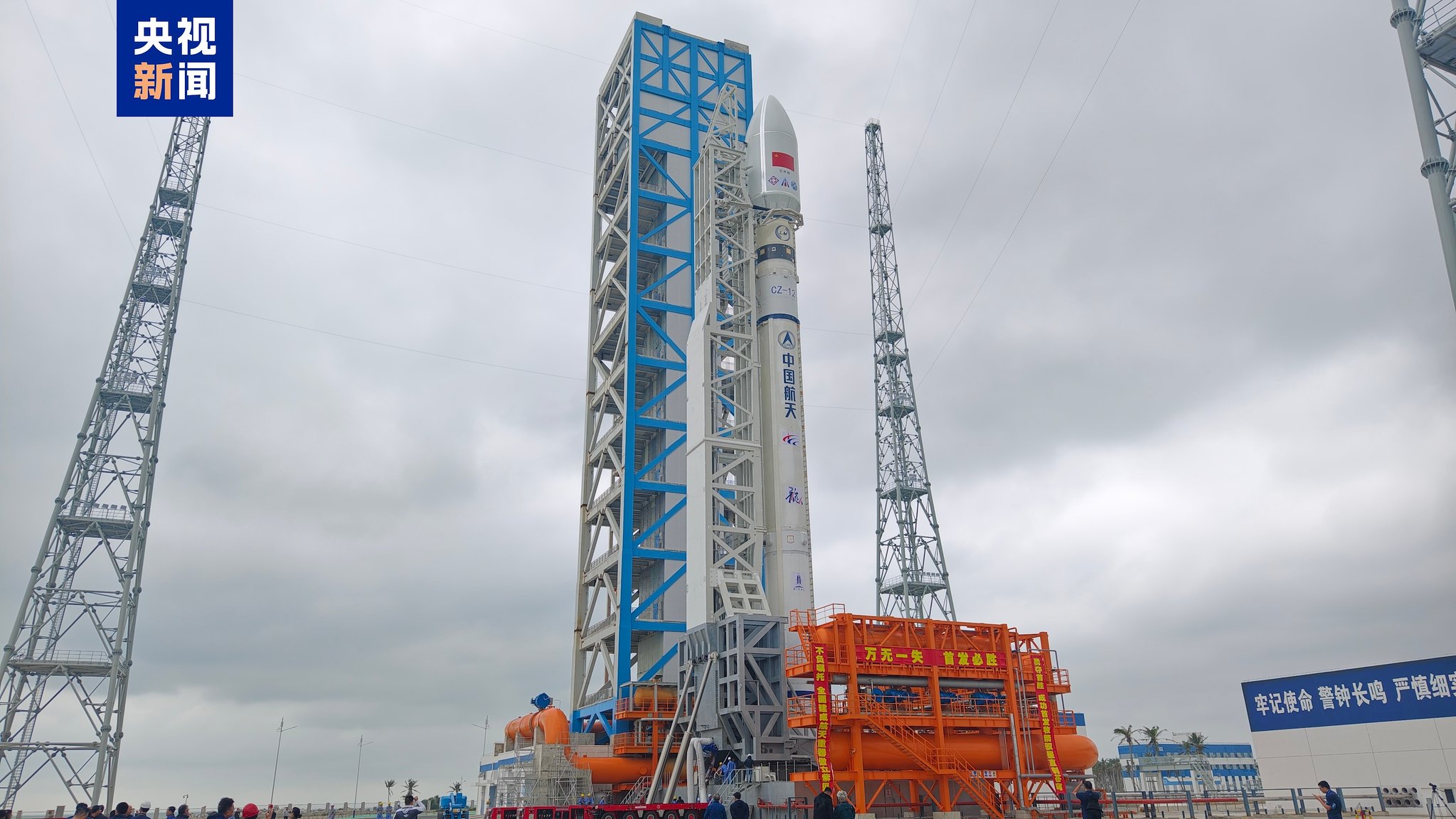
Today's edition covers significant military space developments, including DIU tech consolidation discussions, NDAA budget expansions, and new military commands.
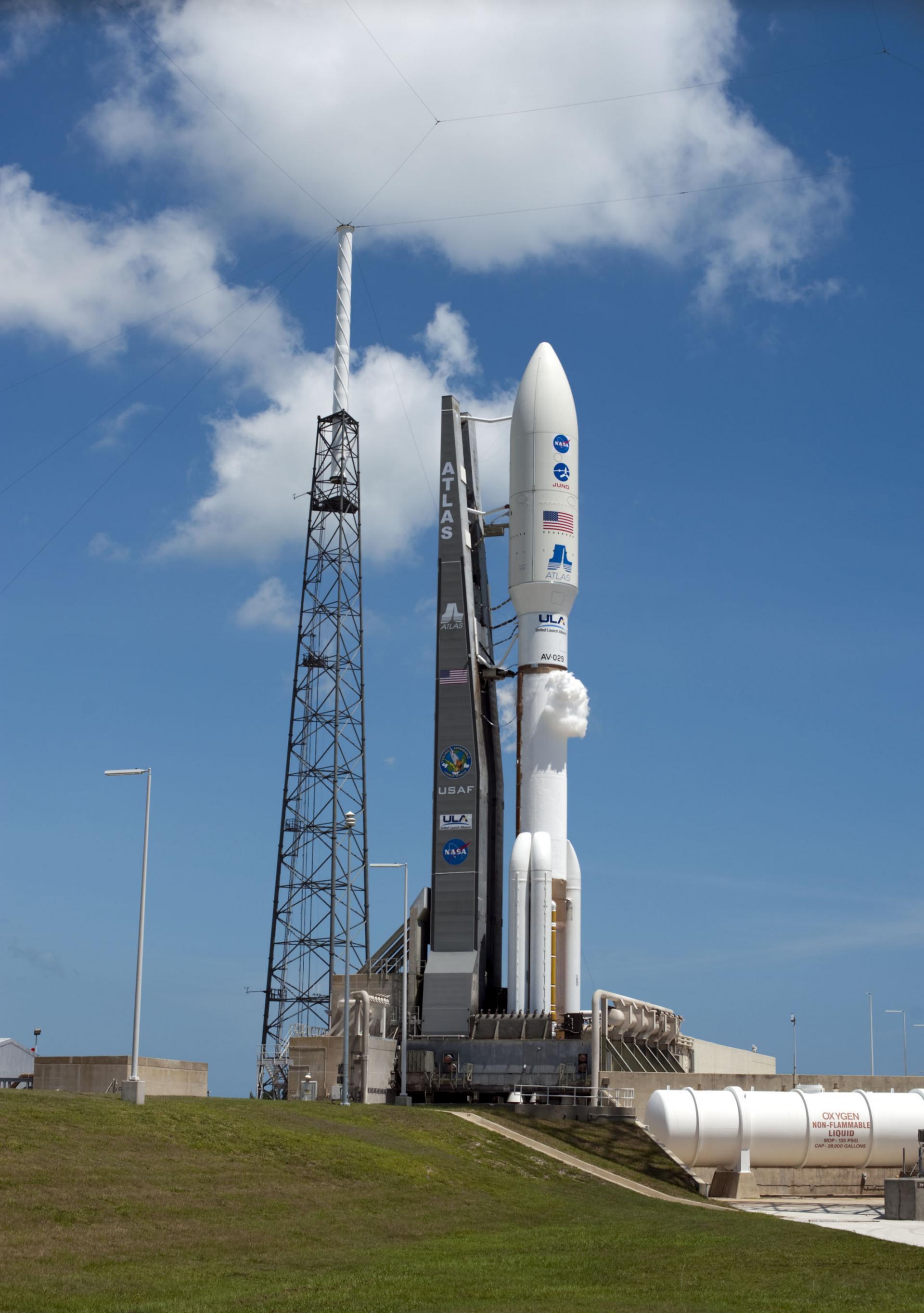
Today's coverage includes China's recent satellite launch, the Space Force's challenges with current tracking capabilities, and advancements in nuclear propulsion from Ohio State.
Today's brief highlights the need for better space debris management, multiple SpaceX Starlink launches, and NASA's upcoming lunar cargo delivery plans.
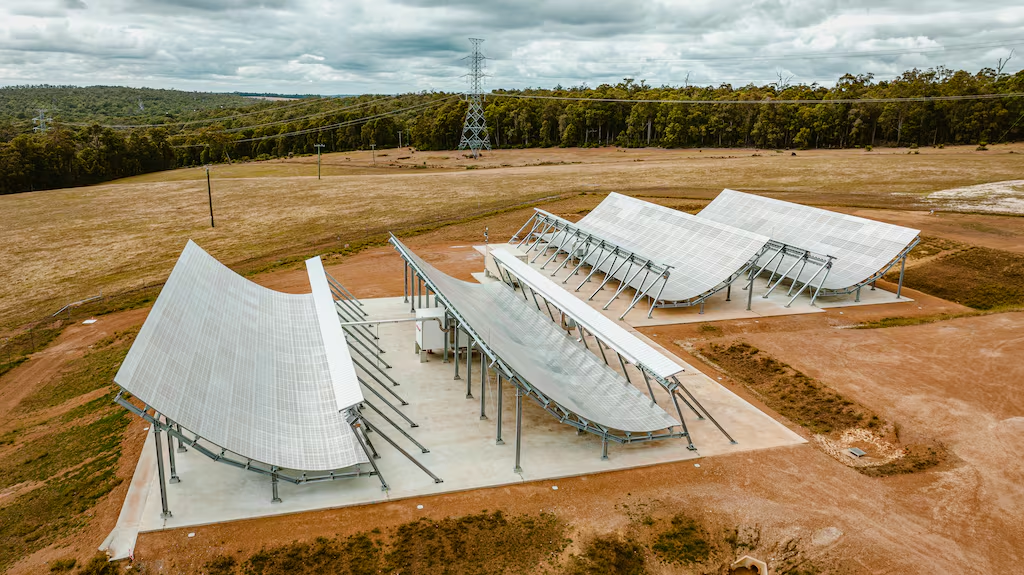
A startup built on Cold War-era radar science now tracks 25,000 objects in orbit - and the Pentagon can't get enough of it. But can its radars really compete with the Space Surveillance Network?