

NROL-72 Spy Satellites Launched; Starlink PNT Blocked | KeepTrack X Report
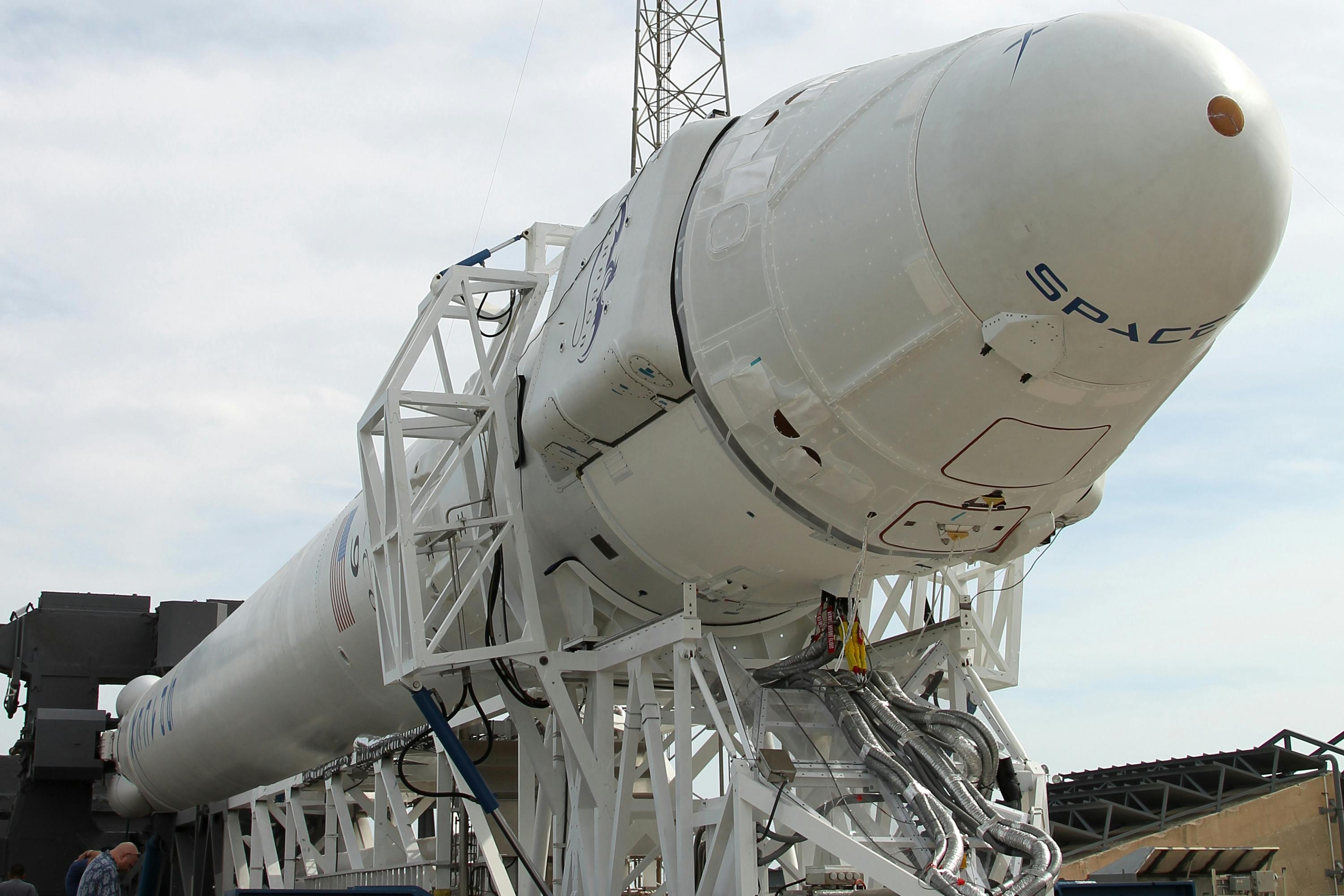
SpaceX's 13th NRO proliferated-arch mission lifted off May 11 as Starlink shuts its GPS-rival feature ahead of a looming IPO.



Launch Date
September 16, 1982
Launch Site
PLMSC
Launch Pad
LC32/2
Launch Vehicle
Tsiklon-3
NORAD ID
51434
International Designator
1982-092BKG
Decay Date
4/5/2022
Name
COSMOS 1408 DEB
Alternative Name
deb Kosmos-1408
Type
Status
Owner
ROSK
Country
USSR
Constellation
N/A
Related Satellites
Major Events
N/A
Length
0
Diameter
0
Span
0
Dry Mass
0
Launch Mass
0
Shape
N/A
Radar Cross Section
Unknown
Visual Magnitude
Unknown
Color
Unknown
Material Composition
Unknown
Payload
Unknown
Purpose
Unknown
Mission
Unknown
Manufacturer
YUZHUA
Life Expectancy
Unknown
Bus
Unknown
Configuration
Unknown
Motor
Unknown
Equipment
Unknown
Power System
Unknown
ADCS
Unknown
Transmitter Frequency
Unknown
Learn more about satellites and other related topics.
SpaceX's 13th NRO proliferated-arch mission lifted off May 11 as Starlink shuts its GPS-rival feature ahead of a looming IPO.
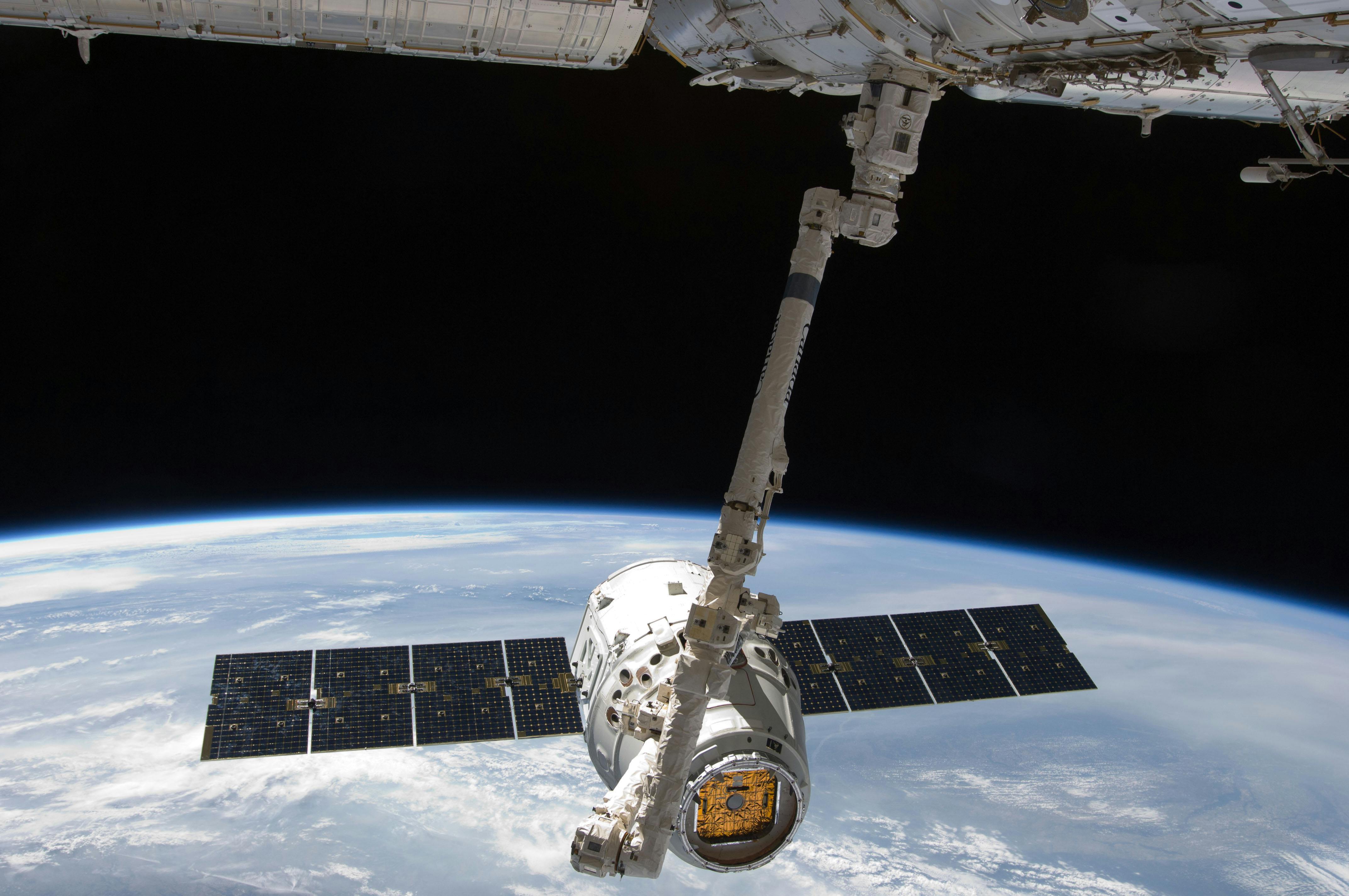
SpaceX prepares for Starship Flight 8 with successful booster static fire; Starlink continues its expansion.
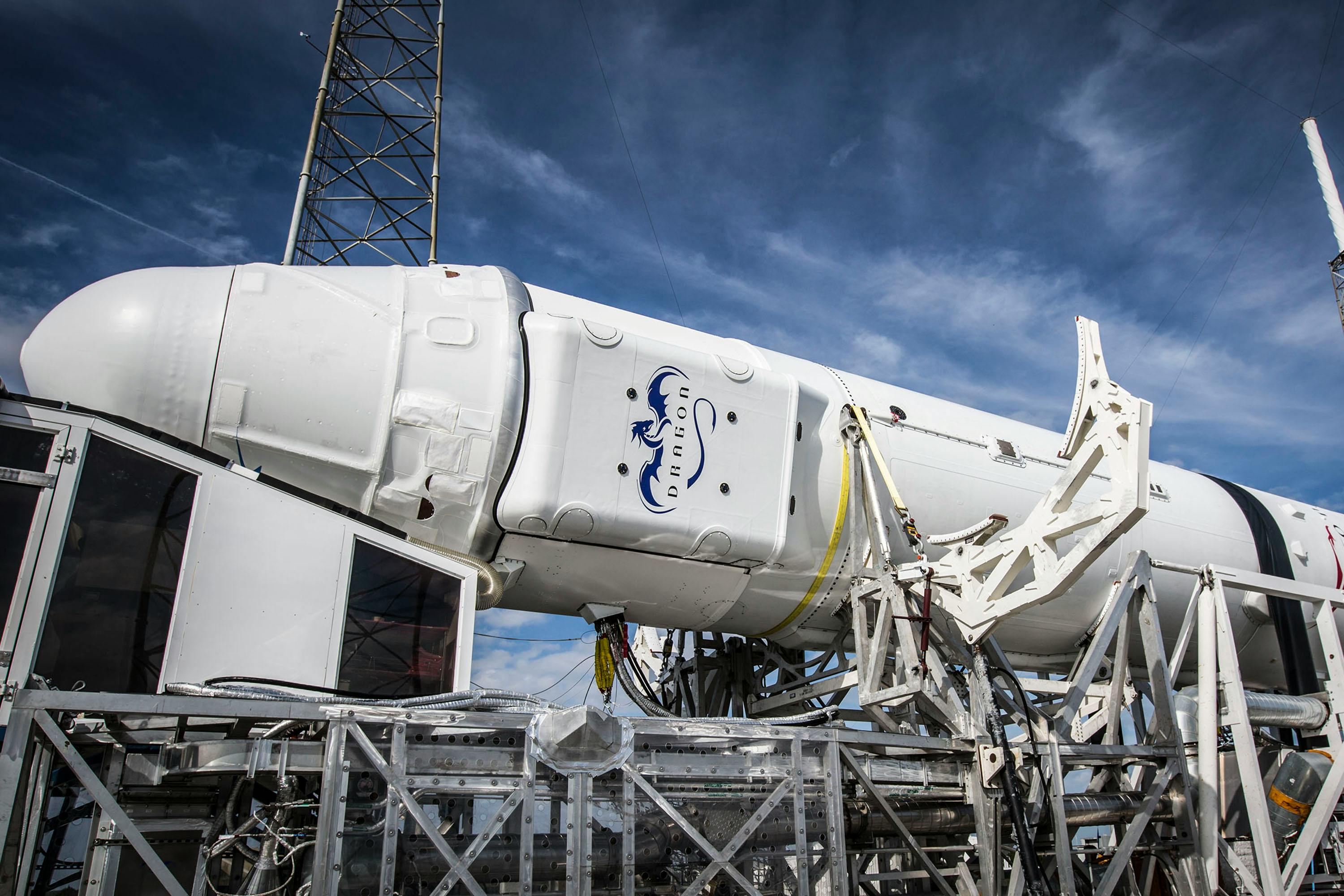
A second Starlink satellite malfunction in just over three months has generated on-orbit debris, raising fresh questions about SpaceX's 10,151-strong working constellation.

Transporter 16 carries 119 payloads: SpaceX's rideshare mission targets Sun-synchronous orbit from Vandenberg, one of its densest manifests yet.
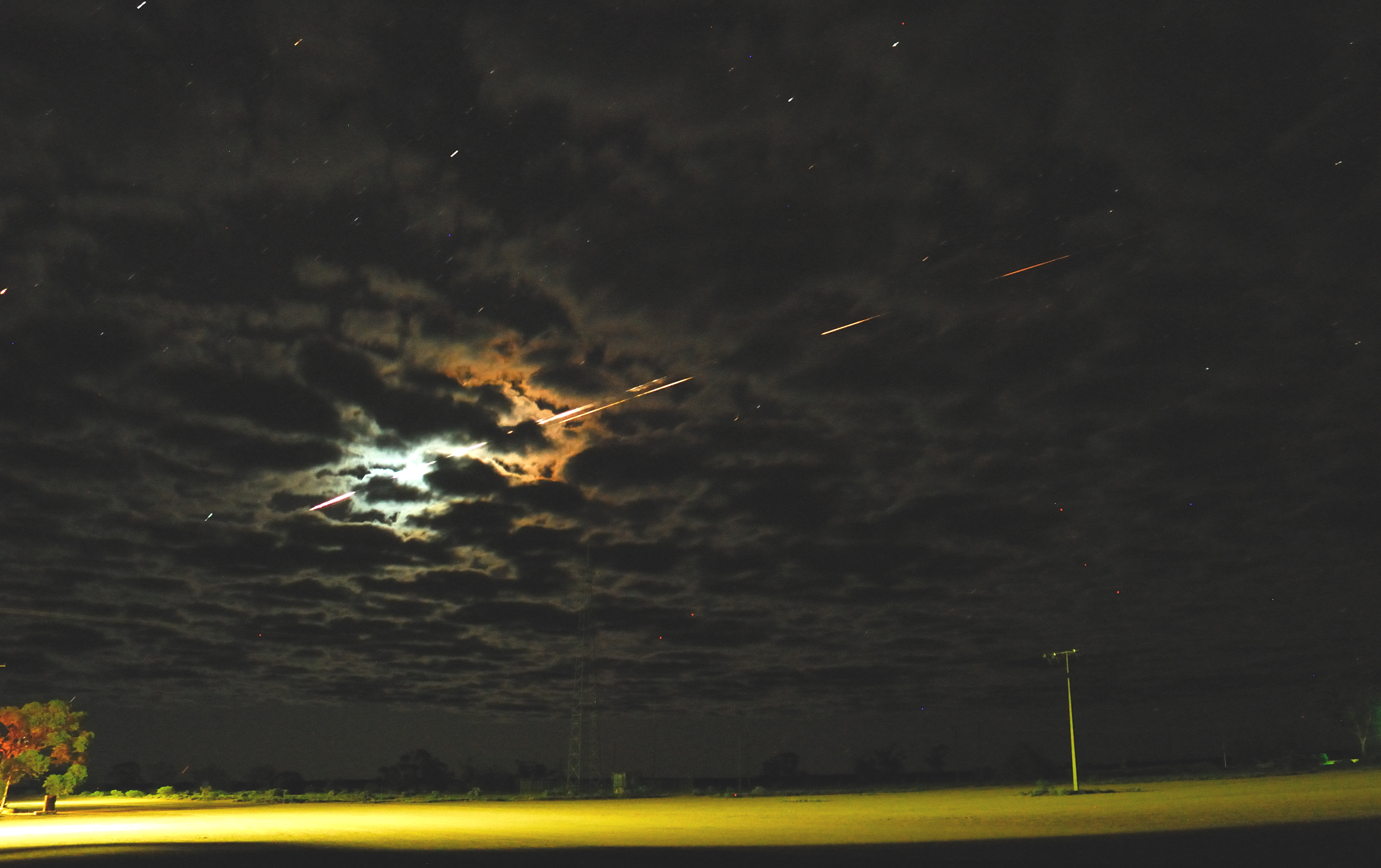
Sixteen years ago today, a fireball tore across the Australian outback. Most of it was a dying Japanese spacecraft burning up after a seven-year ordeal. The bright dot racing ahead of the wreckage was a capsule holding the first grains of an asteroid ever returned to Earth.
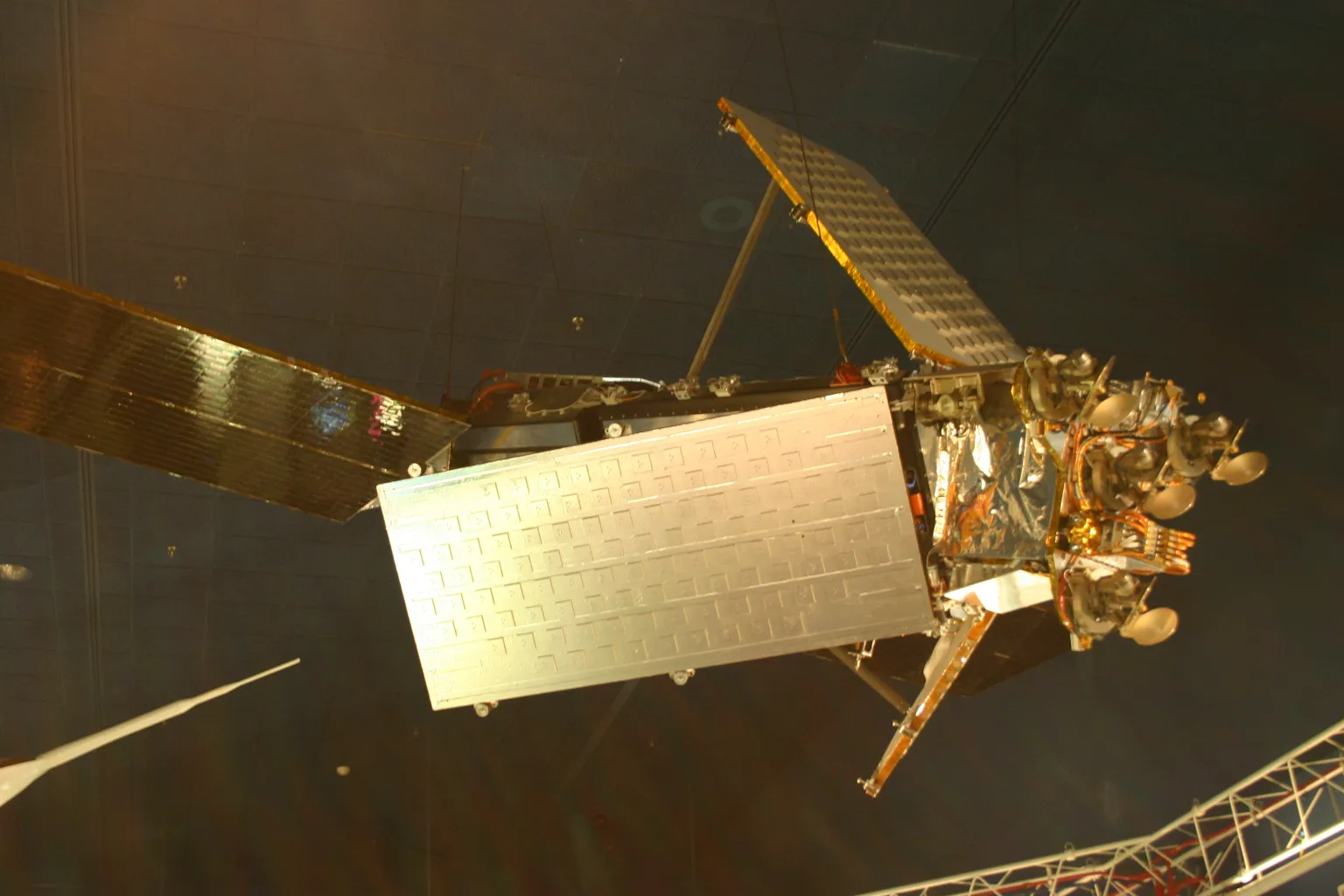
Seventeen years ago today, an operational American communications satellite and a dead Russian military relay crossed paths over Siberia. What happened next created more than 2,000 pieces of trackable debris - and fundamentally changed how the world thinks about space traffic.

Today's space updates include a new EU space commissioner's priorities, insights from declassified satellite images, and an update on NASA's Europa Clipper mission. A highlight in the Satellite Spotlight features the Russian satellite COSMOS 2070.
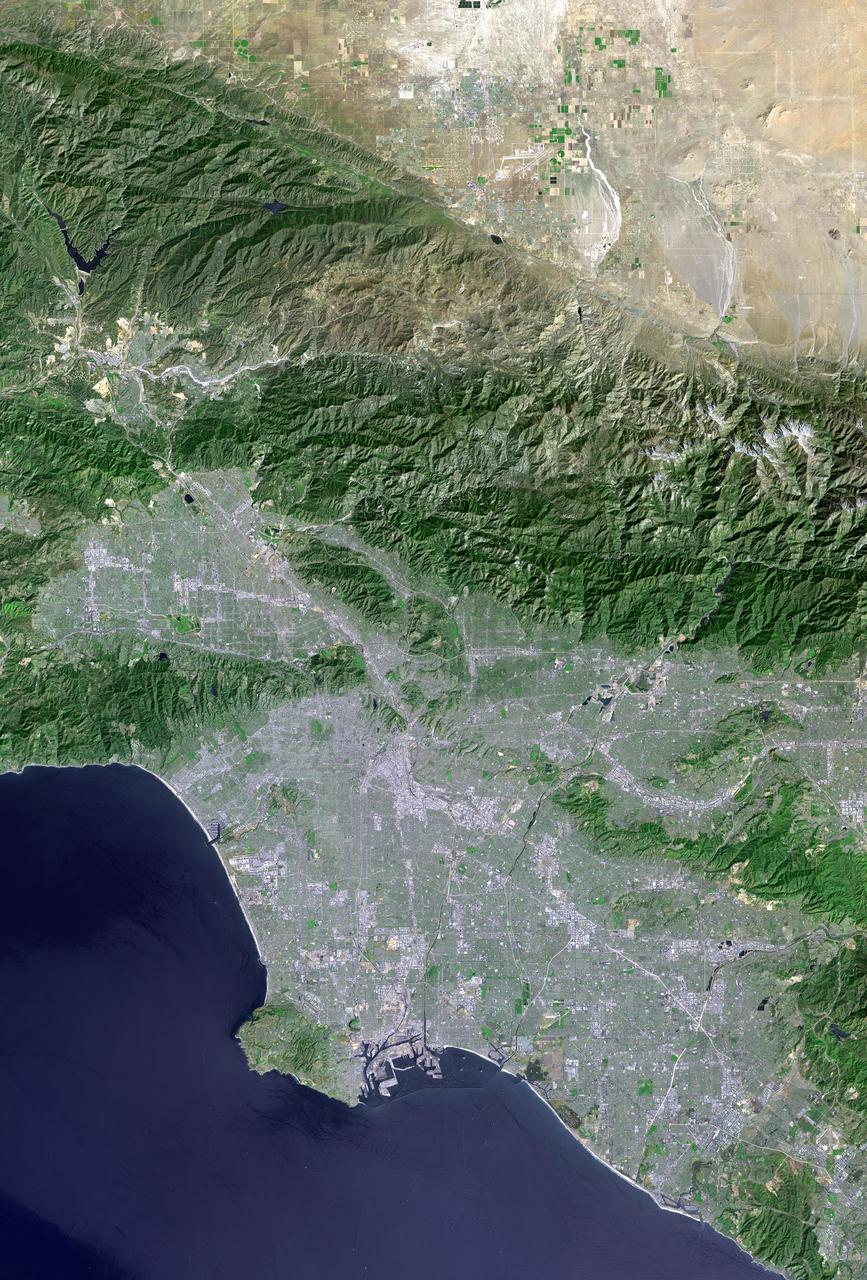
Landsat 7 launched on April 15, 1999, designed to last five years. It operated for twenty-five, survived a failure that destroyed a fifth of every image it took, and became part of the longest continuous record of Earth's surface ever assembled. Then they made the data free.