

Space Brief 23 Feb 2025
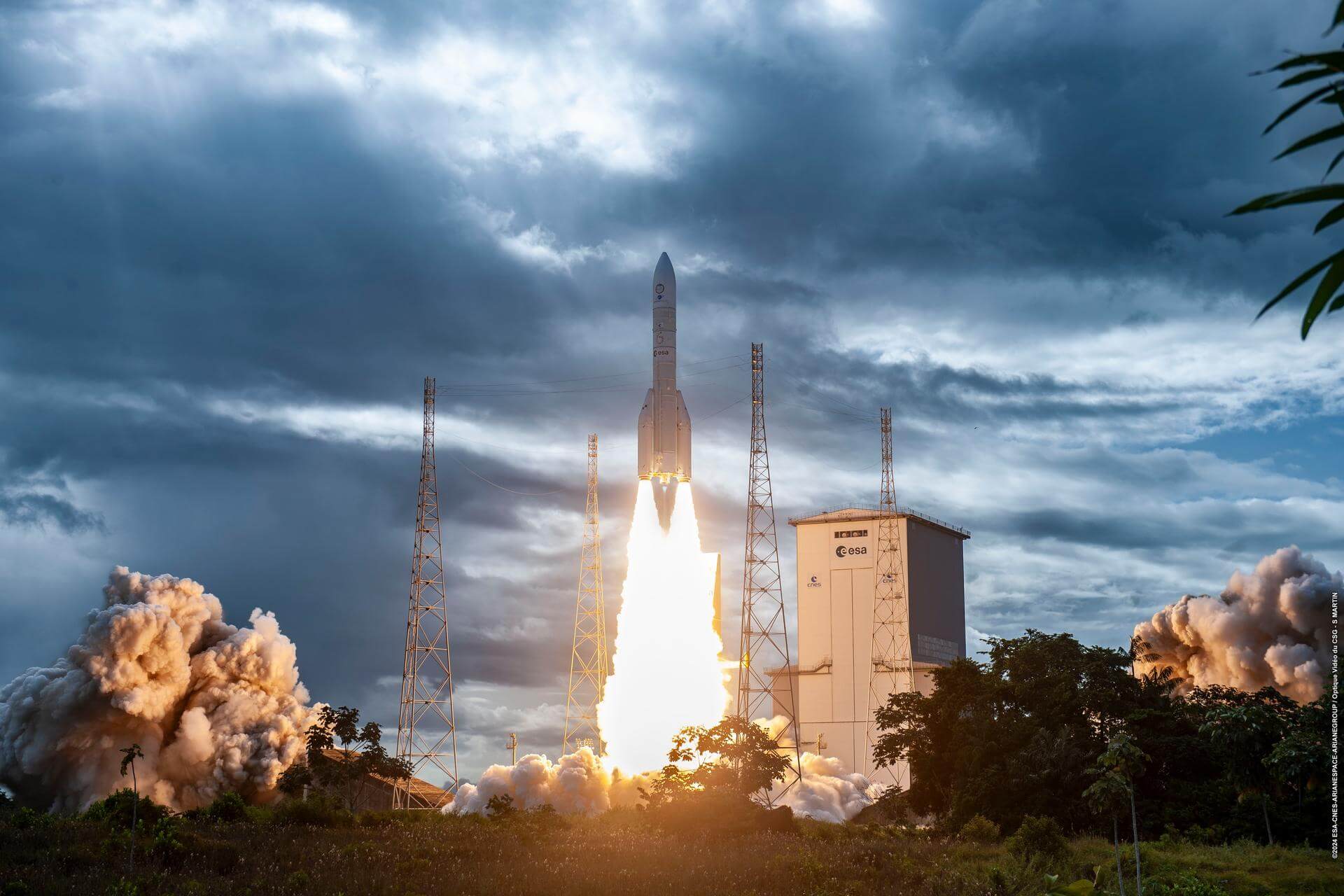
SpaceX launches Starlink satellites from both coasts, while first 3D atmospheric map of an exoplanet reveals extreme weather patterns, and Starlink missions push total count over 8,000 satellites.



Launch Date
September 16, 1982
Launch Site
PLMSC
Launch Pad
LC32/2
Launch Vehicle
Tsiklon-3
NORAD ID
51359
International Designator
1982-092BGD
Decay Date
2/27/2022
Name
COSMOS 1408 DEB
Alternative Name
deb Kosmos-1408
Type
Status
Owner
ROSK
Country
USSR
Constellation
N/A
Related Satellites
Major Events
N/A
Length
0
Diameter
0
Span
0
Dry Mass
0
Launch Mass
0
Shape
N/A
Radar Cross Section
Unknown
Visual Magnitude
Unknown
Color
Unknown
Material Composition
Unknown
Payload
Unknown
Purpose
Unknown
Mission
Unknown
Manufacturer
YUZHUA
Life Expectancy
Unknown
Bus
Unknown
Configuration
Unknown
Motor
Unknown
Equipment
Unknown
Power System
Unknown
ADCS
Unknown
Transmitter Frequency
Unknown
Learn more about satellites and other related topics.
SpaceX launches Starlink satellites from both coasts, while first 3D atmospheric map of an exoplanet reveals extreme weather patterns, and Starlink missions push total count over 8,000 satellites.
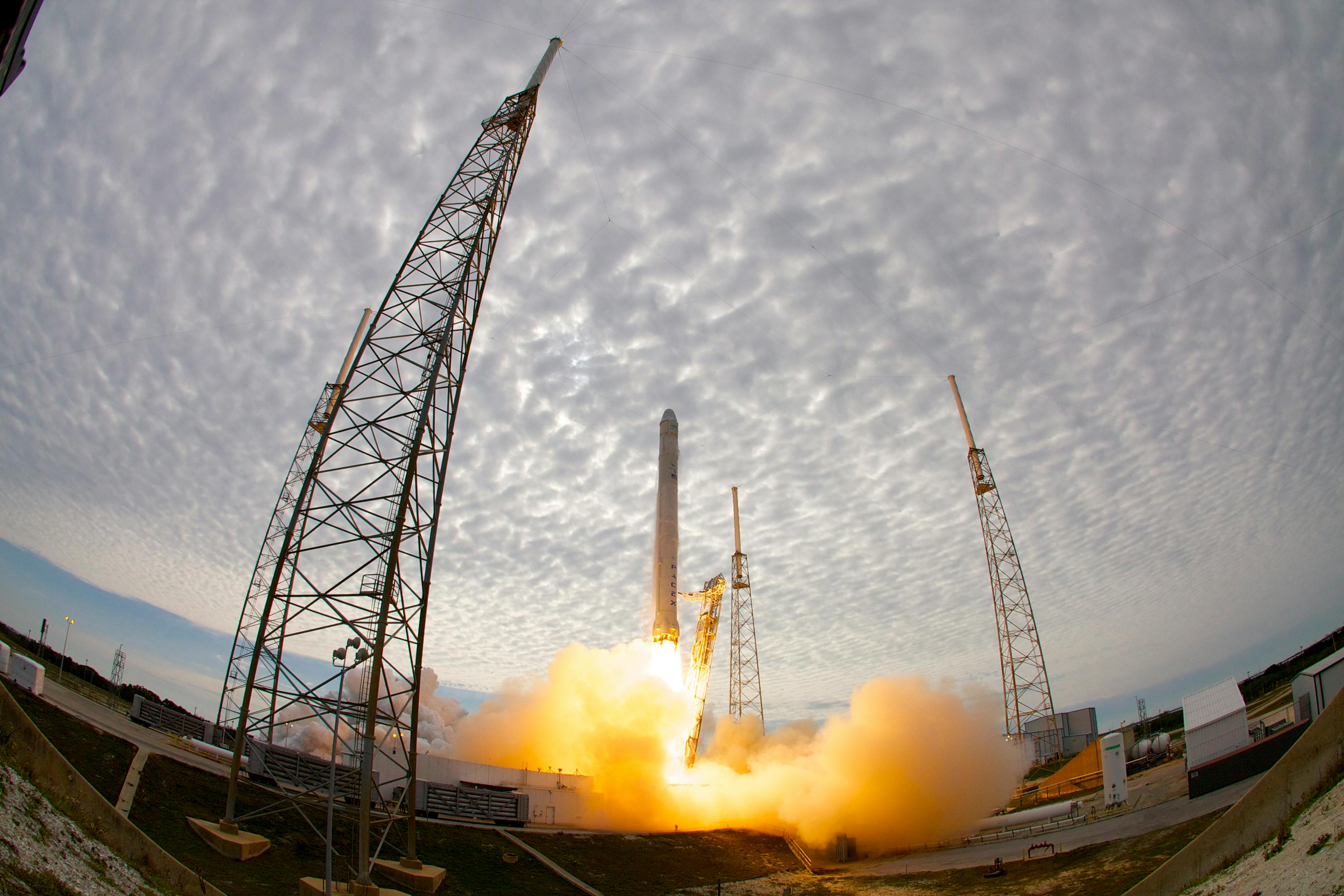
Crew-11 astronauts splashdown off California in first-ever ISS medical evacuation. SpaceX sets pad turnaround record at Cape Canaveral with Starlink 6-98 deploying 29 satellites.
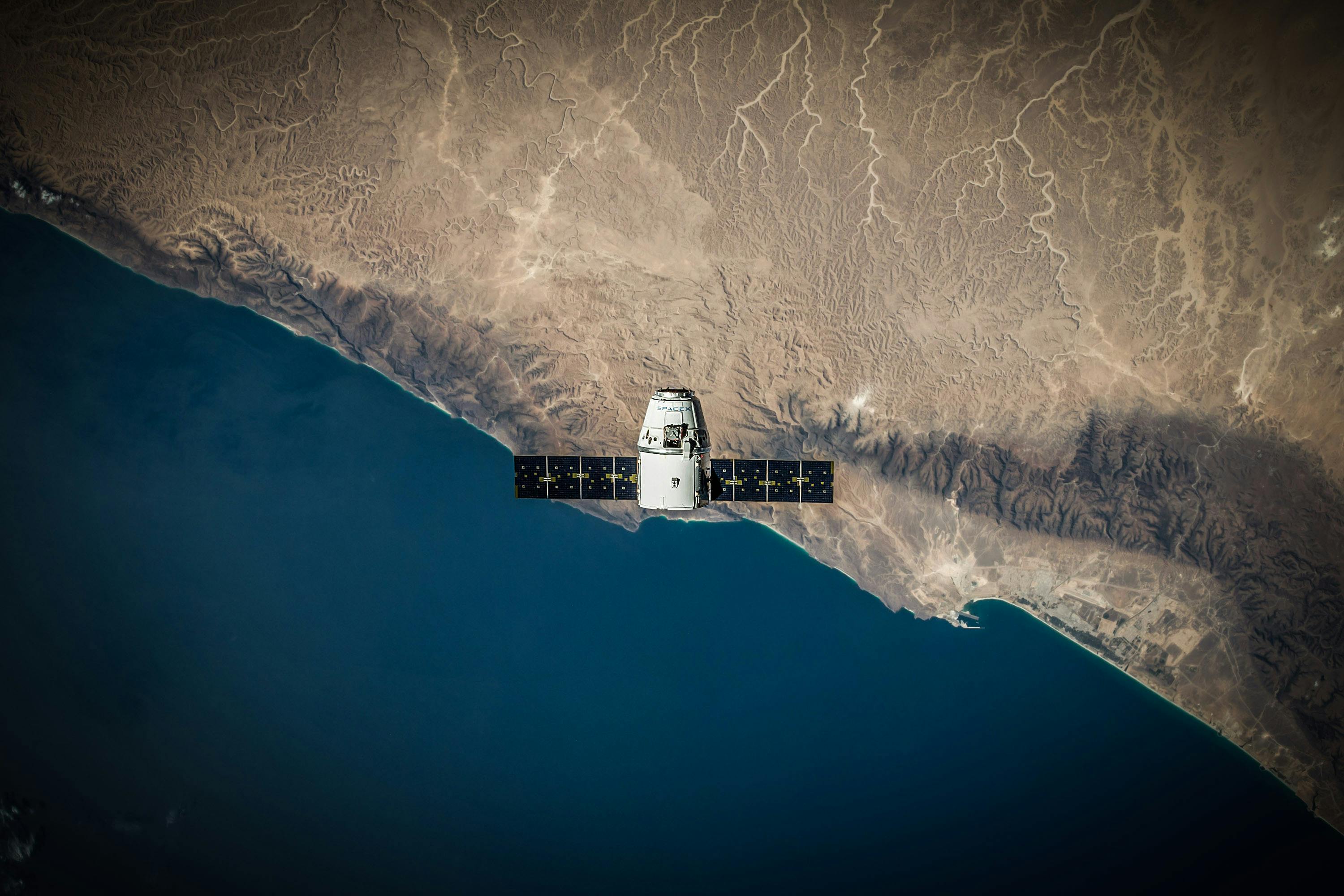
On December 14, 2025, SpaceX achieved a significant milestone with its 550th booster landing following the launch of 27 new Starlink satellites, while exploring potential IPO strategies to fund future projects.
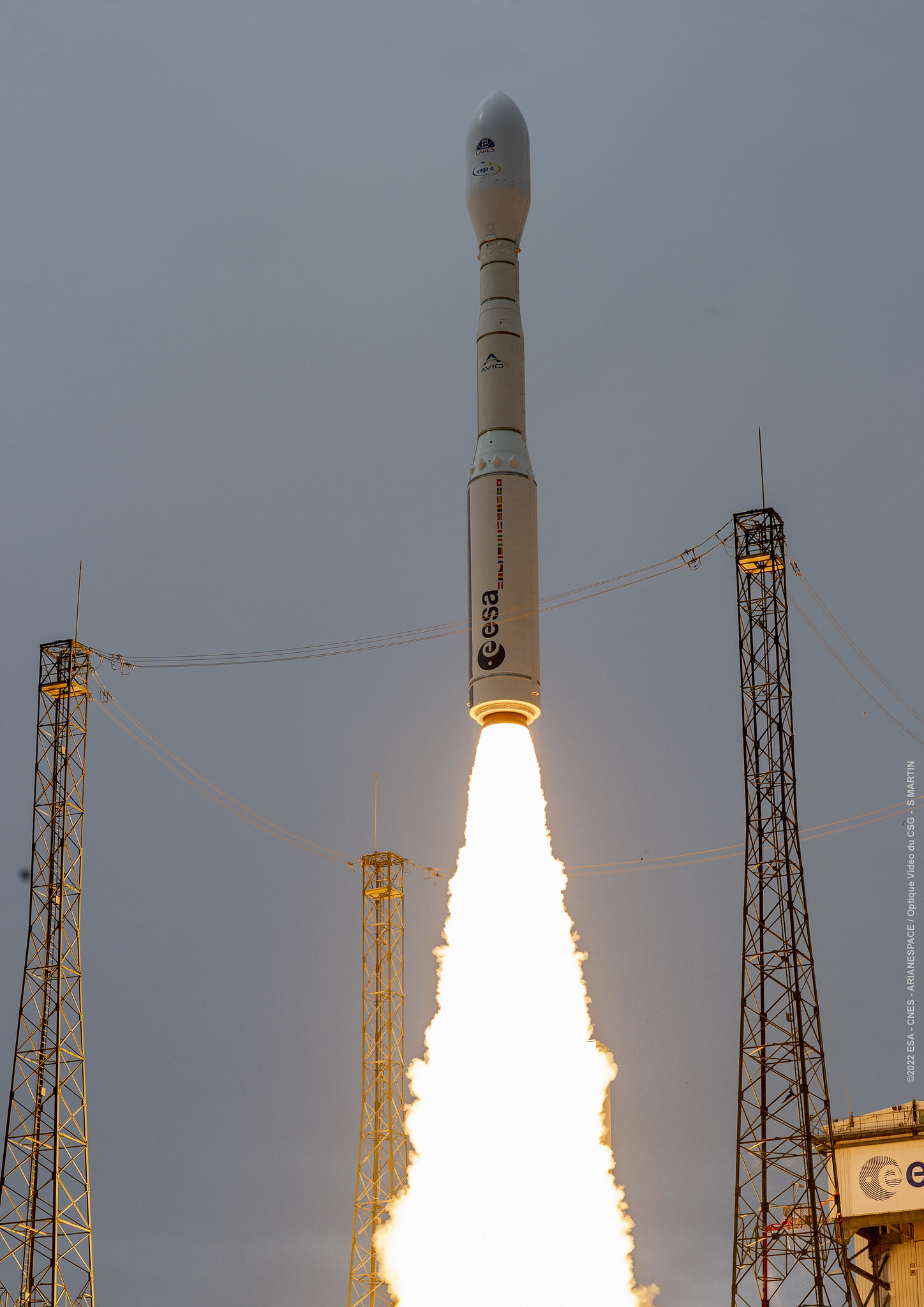
NASA's Artemis 3 lunar landing mission schedule continues slipping over 2 months after revised plans announced, with no crew or surface activity details released publicly yet.
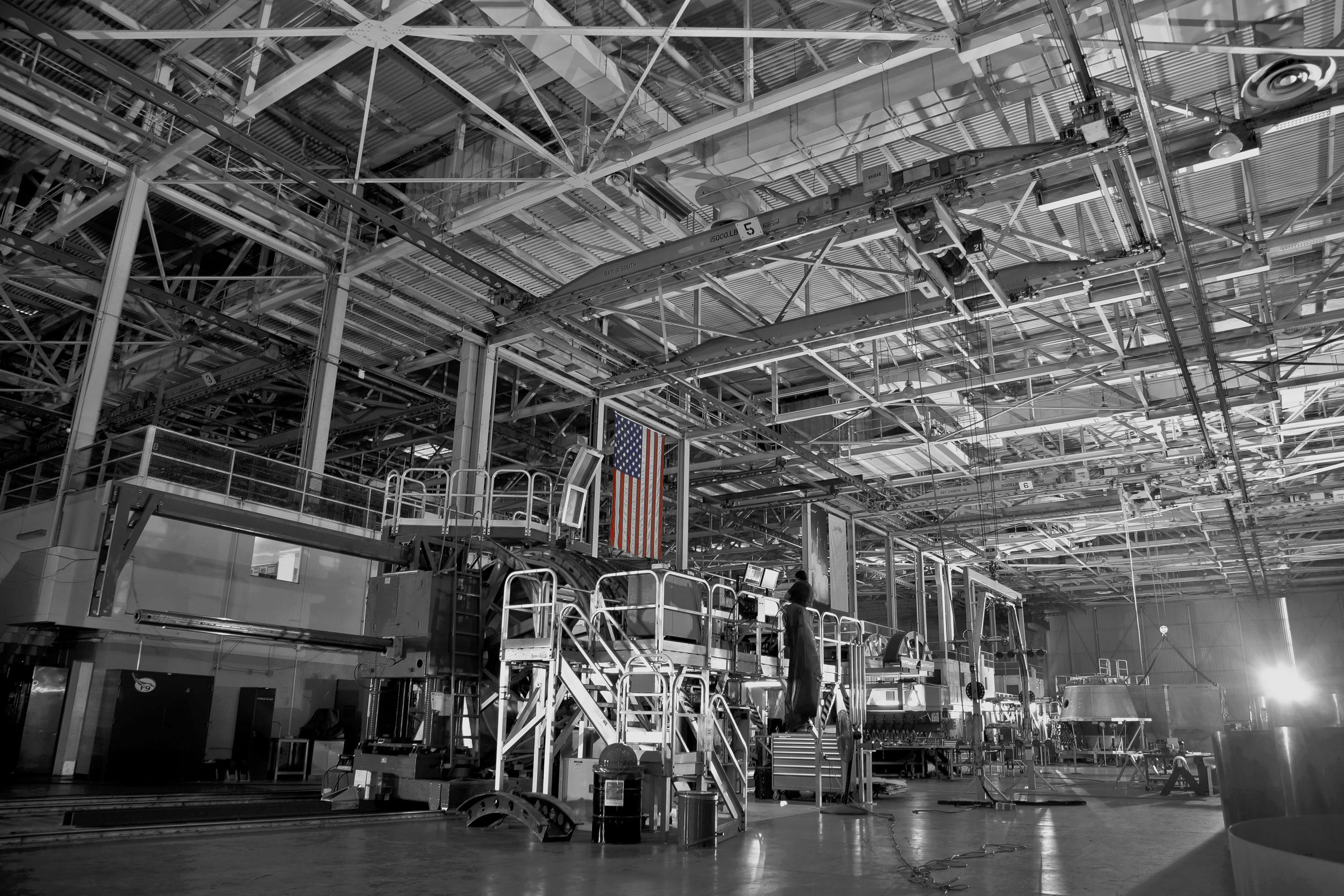
SpaceX targets three launches this week including a rideshare mission with India's ISRO into Sun-Synchronous Orbit. Starlink network continues expanding with ongoing satellite deployments.

SpaceX continues to dominate with two Starlink launches in one day, the unveiling of its final Crew Dragon, and facing legal challenges from Mexico regarding a recent Starship incident.

In 2024, China launched 68 orbital missions. In 2025, the number jumped to 97. In 2026, state media and Western analysts agree the target is 140 or more. Most of that growth is being driven by two state-backed mega-constellations, a half-dozen private launch companies hitting stride, and a deliberate national pivot toward commercial space. Beijing is no longer trying to catch SpaceX. It is trying to build an industrial base that outlasts one.
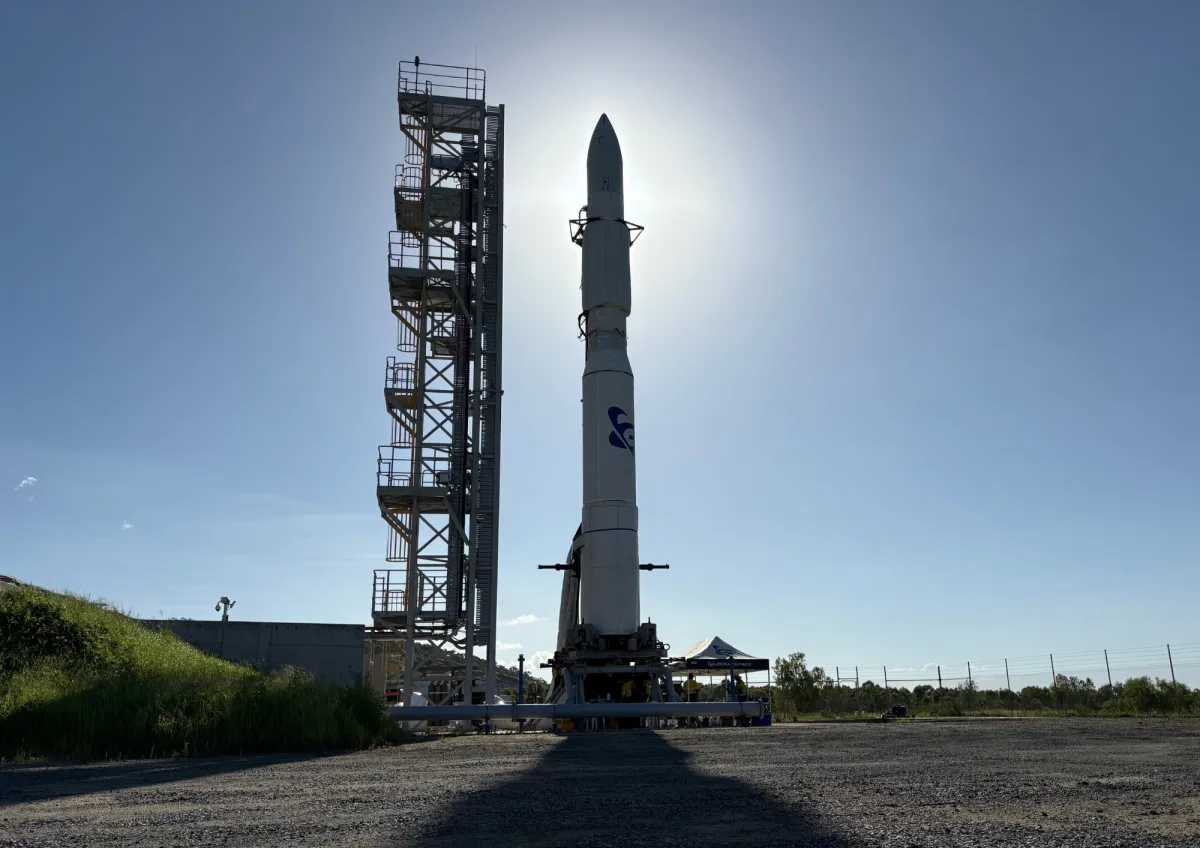
Today's briefing highlights SpaceX's recent launch of spy satellites, a US Space Force contract for deep space tracking, and advancements in quantum communications in space.