STARLINK-3253 (51136)

COSPAR: 2022-005AJ | Alt Name: Starlink 3253

Image
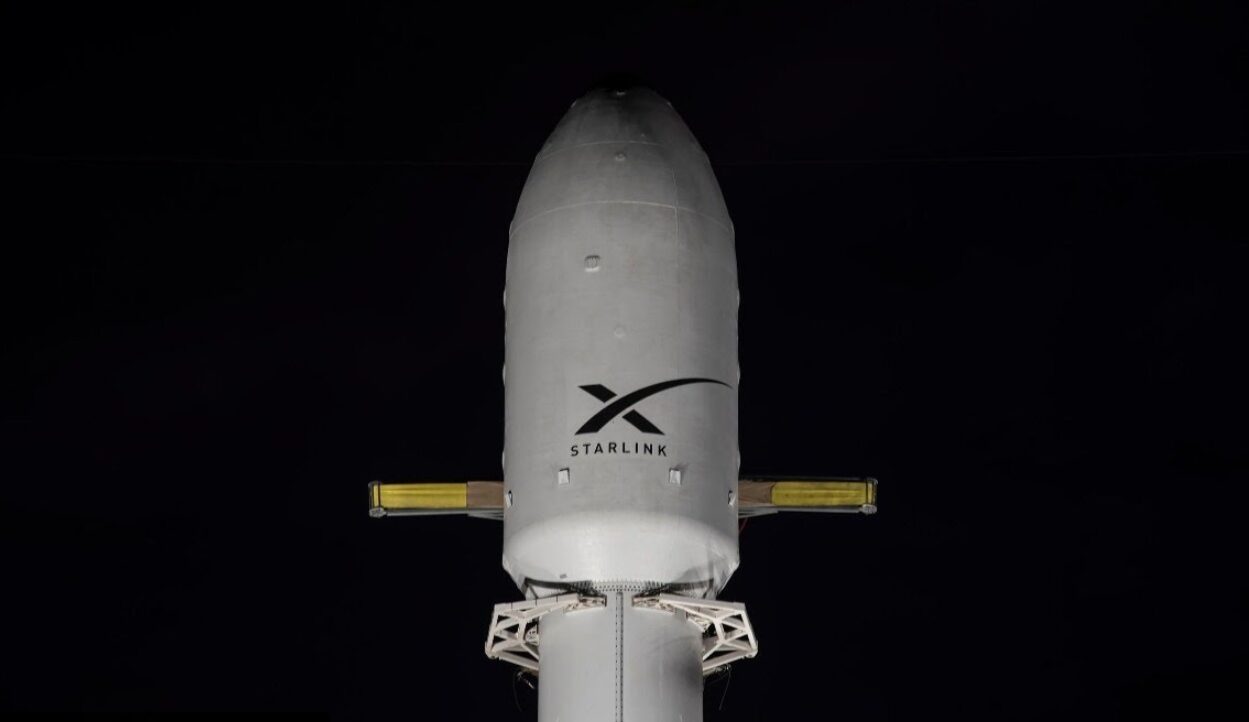
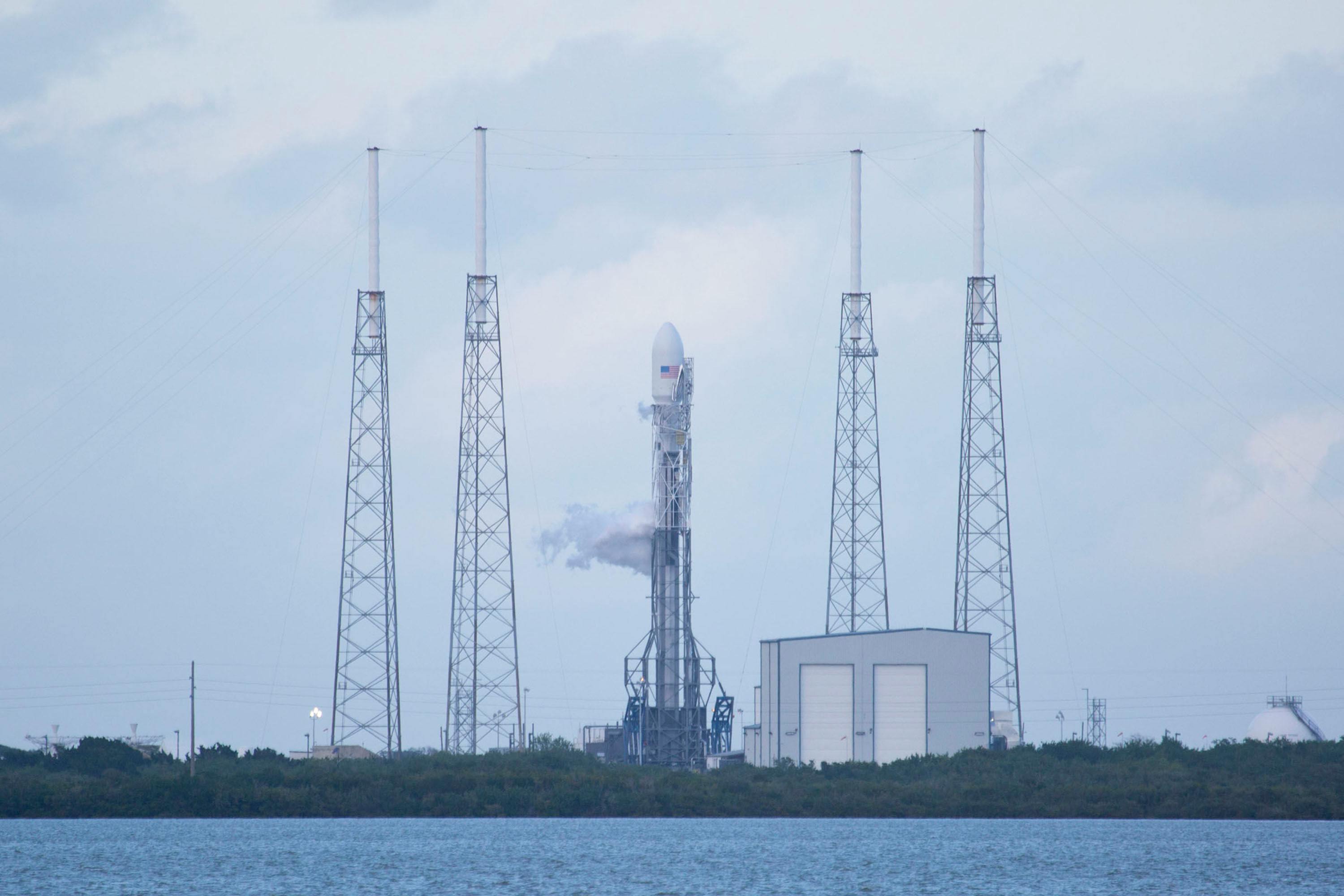
STARLINK-3253 Satellite Image
Additional Sources
Launch Details

Launch Date

January 19, 2022

Launch Pad

LC39A

Launch Vehicle

Falcon 9

Orbital Elements

NORAD ID

51136

International Designator

2022-005AJ

Epoch

Sun, 19 Jul 2026 18:44:01 GMT

Apogee

Calculating...

Perigee

Calculating...

Inclination

53.16°

Right Ascension

62.73°

Eccentricity

Calculating...

Argument of Perigee

74.82°

Period

93.79 min

Mean Motion

15.35 rev/day

Latitude

Calculating...

Longitude

Calculating...

Altitude

Calculating...

Velocity

Calculating...

Polar Plot
3D Visualization
Basic Satellite Info

Name

STARLINK-3253

Alternative Name

Starlink 3253

Type

Payload

Status

Operational

Owner

SPXS

Country

United States

Constellation

N/A

Related Satellites

Major Events

N/A

Latest TLEs
1 51136U 22005AJ  26200.78057779  .00001097  00000+0  42348-4 0  9996
2 51136  53.1596  62.7296 0001147  74.8199 285.2930 15.35401102248713

Source: Celestrak

Summary
The STARLINK-3253 satellite, also known as Starlink 3253, is part of SpaceX's Starlink constellation designed for communication purposes. It was launched on January 19, 2022, from Launch Complex 39A at the Kennedy Space Center using a Falcon 9 launch vehicle. The satellite measures approximately 0.2 meters in length with a diameter of 2.8 meters and a span of 9 meters. Its dry mass is 275 kilograms, and it weighs 297 kilograms at launch. Equipped with Ku/Ka-band payload and optical inter-satellite link capabilities, it uses solar arrays and batteries for power and employs Krypton ion thrusters as its motor. The satellite's shape can be described as a box with panels. It is owned by SpaceX and was manufactured by the same company.

Starlink is a satellite constellation developed by SpaceX with the aim of providing global broadband internet coverage. Thousands of small satellites are deployed in low Earth orbit (LEO), enabling high-speed internet access even in remote areas. However, the rapid increase in satellites raises concerns about space debris and the potential for collisions, which can lead to further debris creation and endanger other spacecraft. Additionally, the sheer number of Starlink satellites can affect astronomical observations by increasing light pollution. Proper deorbiting plans and international coordination are essential to mitigate these challenges and ensure long-term sustainability in space.
Physical Characteristics

Length

0.2

Diameter

2.8

Span

9

Dry Mass

275

Launch Mass

297

Shape

Box + pan

Radar Cross Section

Unknown

Visual Magnitude

Unknown

Color

Unknown

Material Composition

Unknown

Technical Details

Payload

Starlink Group 4-6-33

Purpose

Communication

Mission

Communication

Manufacturer

SPXS

Life Expectancy

Unknown

Bus

Starlink

Configuration

Unknown

Motor

Krypton ion thrusters

Equipment

Ku/Ka-band payload, optical inter-satellite link

Power System

Solar arrays, batteries

ADCS

Unknown

Transmitter Frequency

Unknown

Map
This tool will help you track the satellite's position and predict its upcoming passes over your location. Simply input the coordinates or click the geolocation button to get started.
Next Pass
Azimuth Elevation Time (Local)
Start Azimuth
Max Elevation
Stop Azimuth
Time Until
Pass Duration

Satellite Articles

View All Posts »

Learn more about satellites and other related topics.

Understanding Space Debris

Understanding Space Debris

From shattered satellites to exploded rocket stages, space debris poses a growing risk to satellites, space stations, and astronauts. Here's a deep dive into what causes space debris, notable generating events, and what we're doing about it.

US Agency Will Not Reinstate $900 Mln Subsidy for SpaceX Starlink Unit

US Agency Will Not Reinstate $900 Mln Subsidy for SpaceX Starlink Unit

The U.S. Federal Communications Commission reaffirms its decision to deny SpaceX's Starlink unit $885.5 million in rural broadband subsidies, impacting the company's plans for expanding internet access.

US Military Likely Jamming Iran Satellite Comms | KeepTrack Space Brief

US Military Likely Jamming Iran Satellite Comms | KeepTrack Space Brief

US military praised for space operations against Iran assessed as jamming or spoofing satellite communications. Electronic warfare effects invisible to orbital tracking data.

NASA Cancels Draper Lunar Lander; Skyroot Reaches Orbit, Space Brief 19 Jul 2026

NASA Cancels Draper Lunar Lander; Skyroot Reaches Orbit, Space Brief 19 Jul 2026

NASA terminated Draper's commercial lunar lander after development delays. Meanwhile, Skyroot Aerospace's Vikram-1 became India's first commercial rocket to reach orbit on July 18.

Space Brief 18 Feb 2025

Space Brief 18 Feb 2025

Today's briefs cover SpaceX landing a Falcon 9 in The Bahamas, first disabled astronaut prepped for a mission, and key company updates from Blue Origin and K2 Space.

Starship V3 Flight 12 Succeeds Despite Engine Shutdown | KeepTrack X Report

Starship V3 Flight 12 Succeeds Despite Engine Shutdown | KeepTrack X Report

Starship V3 completed Flight 12 on May 22 despite one vacuum Raptor shutting down early, with SpaceX's IPO filing revealing bold Starlink Mobile ambitions.

The Day Fiery Failure Launched NASA

The Day Fiery Failure Launched NASA

Sixty-eight years ago, America's first satellite exploded on the launchpad in front of the entire world. But from the ashes of Vanguard TV-3 came the determination that would eventually win the Space Race.

X Report 17 Feb 2025

X Report 17 Feb 2025

Key insights on Starship development challenges and latest Starlink satellite status.