


X Report 23 Dec 2024
SpaceX successfully launches 21 Starlink satellites from Florida, marking another milestone in its satellite internet constellation. The Falcon 9 rocket was also successfully recovered at sea.


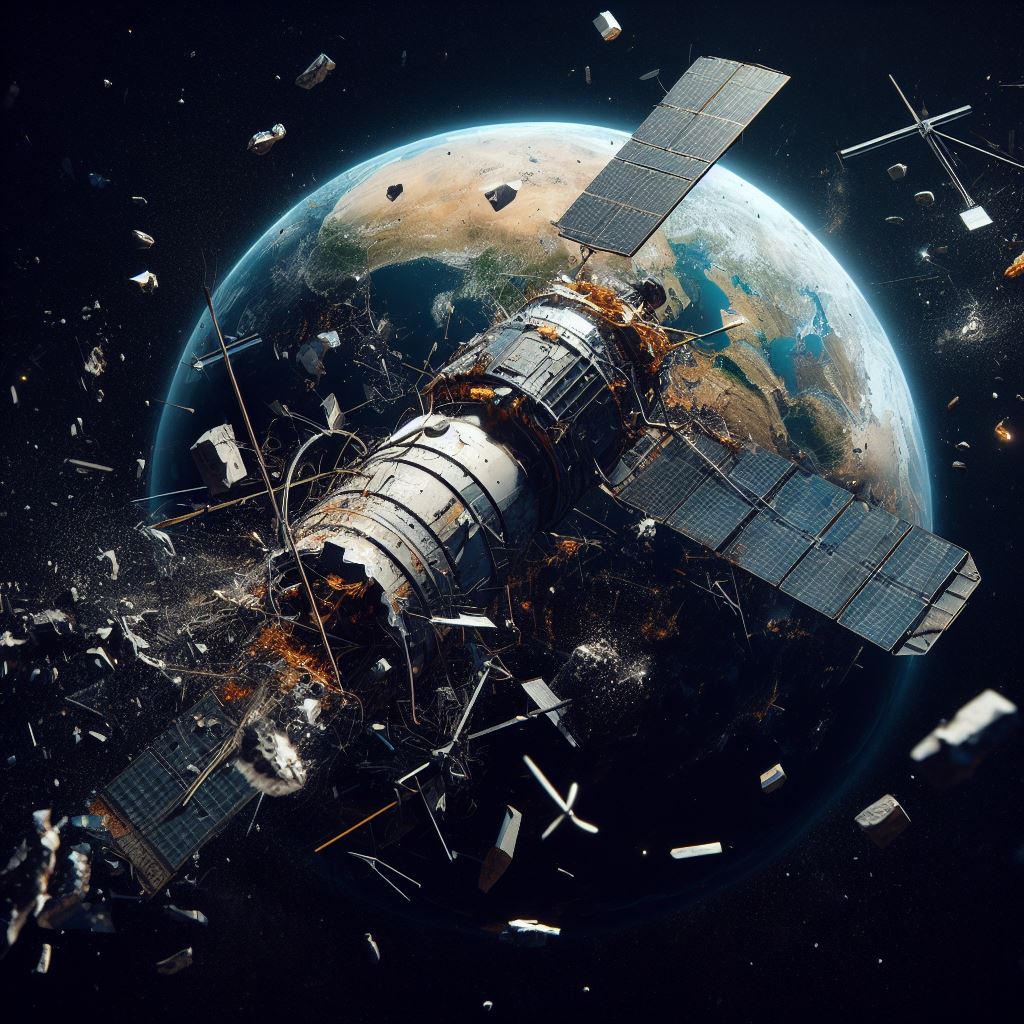
Launch Date
September 16, 1982
Launch Site
PLMSC
Launch Pad
LC32/2
Launch Vehicle
Tsiklon-3
NORAD ID
50962
International Designator
1982-092AXH
Decay Date
6/1/2022
Name
COSMOS 1408 DEB
Alternative Name
deb Kosmos-1408
Type
Status
Owner
ROSK
Country
USSR
Constellation
N/A
Related Satellites
Major Events
N/A
Length
0
Diameter
0
Span
0
Dry Mass
0
Launch Mass
0
Shape
N/A
Radar Cross Section
Unknown
Visual Magnitude
Unknown
Color
Unknown
Material Composition
Unknown
Payload
Unknown
Purpose
Unknown
Mission
Unknown
Manufacturer
YUZHUA
Life Expectancy
Unknown
Bus
Unknown
Configuration
Unknown
Motor
Unknown
Equipment
Unknown
Power System
Unknown
ADCS
Unknown
Transmitter Frequency
Unknown
Learn more about satellites and other related topics.
SpaceX successfully launches 21 Starlink satellites from Florida, marking another milestone in its satellite internet constellation. The Falcon 9 rocket was also successfully recovered at sea.
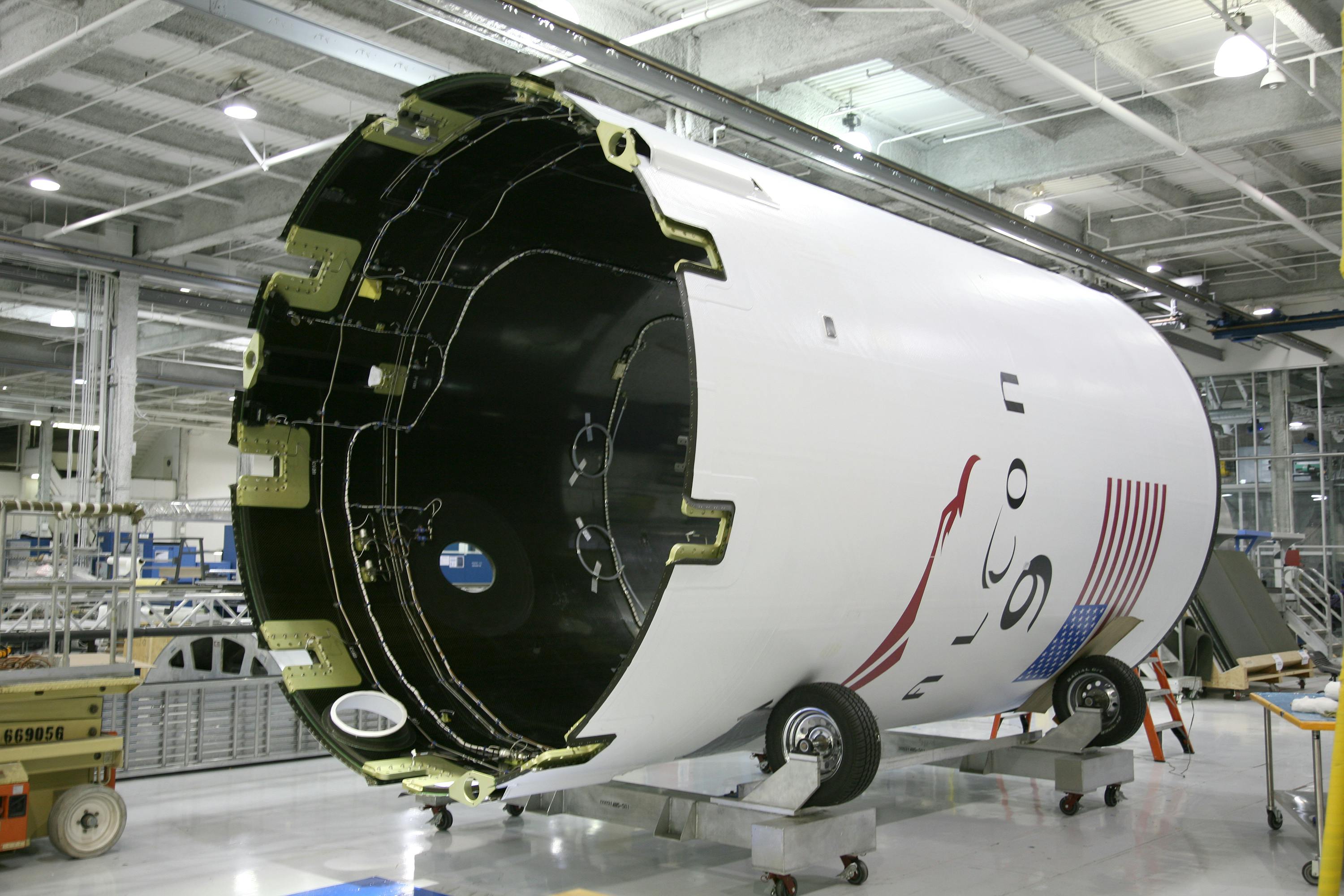
SpaceX plans first Starship launch from Florida, and prepares for NASA’s SPHEREx and PUNCH missions from Vandenberg.
SpaceX Starlink connectivity equips Trump's $400M interim Air Force One as Falcon 9 prepares to orbit 24 more satellites on mission 17-28.

ULA's Vulcan remains grounded after February in-flight GEM 63XL booster anomaly. Northrop Grumman completed successful static fire test, but investigation ongoing with no return-to-flight date.

Today's brief highlights key developments in space technology, military space activities, and satellite refueling initiatives. Discover the latest on GEO satellite refueling, Blue Origin's New Glenn, and more.

Today's brief covers China's intense launch schedule, a new Arctic military constellation, Muon Space's defense innovations, and SpaceX's classified NROL-77 mission.
Explore a comprehensive breakdown of satellite counts by country, detailing the USA, Russia, China, and others.

On May 4, 1989, Space Shuttle Atlantis lifted off from LC-39B carrying Magellan, NASA's first interplanetary mission since 1978. The eleven-year drought ended in a payload bay, and the radar that emerged would map ninety-eight percent of Venus through clouds that no camera could ever see through.